
 Business License
Complete Guide to Selecting Deformed Steel Bars for Overseas Construction Projects
Complete Guide to Selecting Deformed Steel Bars for Overseas Construction Projects
The global infrastructure industry is booming steadily, with a large number of construction, road, bridge and municipal projects launched across Southeast Asia, Africa, the Middle East and Latin America. As the core tensile material for concrete structures, deformed steel bars (rebar) are always in high demand for overseas engineering procurement.
Different from domestic construction procurement, overseas rebar purchasing requires strict compliance with local building codes, marine shipping requirements, customs inspection rules and on-site construction conditions. Most cargo returns, customs detention and project acceptance failures in steel export trade are caused by improper rebar selection in the early stage.
1. Match Rebar Grades Based on Overseas Project Types
Rebar specifications and execution standards vary greatly in different regions. Blind delivery according to Chinese national standards will trigger acceptance risks. We classify mainstream overseas projects and corresponding rebar selection schemes:
1.1 Low-rise Civil Residential Projects
Mainly distributed in inland areas of Africa and Southeast Asia, including resettlement housing, private residential buildings and small commercial buildings. These areas are located in low seismic intensity zones (seismic fortification intensity ≤6 degrees) with loose seismic requirements.
Recommended selection: HRB400 normal deformed steel bars with standard lengths of 9m and 12m. Rebars with standard 7% weight tolerance comply with local acceptance rules. Only factory material test certificates and certificate of origin are required for customs clearance. Cost control is the top priority for buyers of such projects.
1.2 High-seismic Residential Buildings
Covering earthquake-prone regions such as the Philippines, Indonesia, Nepal and Türkiye, including high-rise apartments, hospitals, schools and government public buildings. Seismic structural performance is mandatory for main load-bearing components.
Recommended selection: HRB400E seismic deformed steel bars for conventional high-rise structures; HRB500E high-strength seismic rebar for basement beams and long-span columns. All seismic rebars must meet three core seismic indicators: yield strength ratio ≥1.25, tensile yield ratio ≤1.30, and total elongation at maximum force ≥9%. On-site sampling inspection will be conducted by local engineering supervisors, and unqualified batches will be rejected and returned directly.
1.3 Heavy-duty Municipal & Traffic Projects
Including highway bridges, port bearing platforms, water conservancy dams and retaining walls in the Middle East and Latin America. These projects require a service life of more than 50 years and face long-term corrosion from rainwater and saline-alkali soil.
Recommended selection: HRB500E high-strength seismic rebar. For European, Australian and American local projects, rebars shall be produced in accordance with BS 4449 (British Standard) and ASTM A615 (American Standard). Strict control of sulfur and phosphorus content is required to improve fatigue resistance and corrosion resistance. SGS or BV third-party inspection reports are mandatory for delivery.
1.4 Renovation & Auxiliary Projects
Including foundation pit support, wall reconstruction and road guardrail production. Buyers usually purchase small-diameter rebars (Φ12, Φ14) and mix them with round steel for consolidated container shipment. Conventional HRB400 rebar fully meets construction demands without customized performance.
2. Exclusive Rebar Appearance & Marking Rules for Export
There are strict differences between export and domestic rebar acceptance standards, covering customs inspection, long-distance marine transportation and local engineering review.
2.1 Embossed Marking Requirements
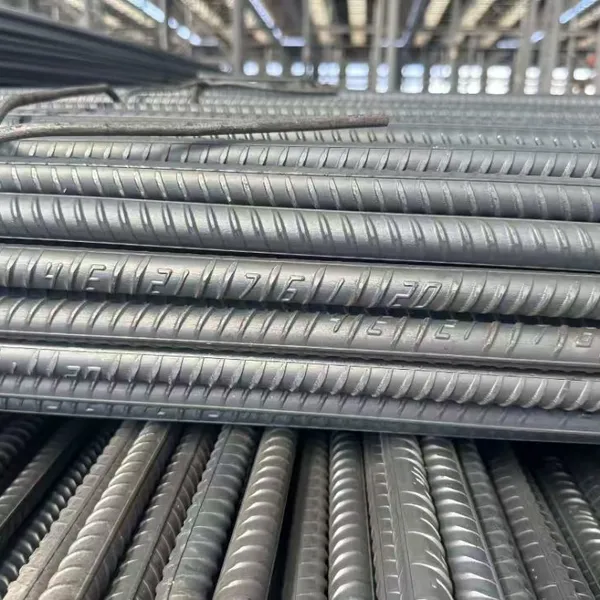
All exported rebars must adopt original hot-rolled integrated marking with clear engraved information including steel grade, diameter and mill abbreviation. Laser or ink secondary marking is prohibited. Customs in the Middle East, Europe and Australia will identify second-marked rebars as refurbished non-standard products and detain the whole container directly.
2.2 Weight Tolerance Classification
- Africa & Southeast Asia: Rebars with 7% standard negative tolerance are universally accepted, which is the mainstream cost-effective export specification
- Middle East, Europe & Australia: Zero negative tolerance rebar is mandatory. Local building codes strictly ban underweight deformed steel bars with excessive negative tolerance.
2.3 Surface Rust Control
Slight surface floating rust is allowed for domestic use, but long-distance ocean shipping takes 25 to 45 days. Salt fog in cargo holds will cause peeling rust. Exported rebars must have no cracks, scars or surface peeling before shipment, and be covered with dust-proof and rust-proof films in advance.
3. Core Purchasing Indicators Overseas Buyers Focus On
Based on independent website inquiry data, professional overseas procurement teams pay more attention to practical delivery parameters rather than unit price alone:
1. Custom Length: Standard 9m/12m stock rebar, customized 6m/15m special lengths available for on-site hoisting and lap joint construction
2. Container Loading Data: Exact loading tonnage of 20GP and 40HQ containers to help buyers calculate ocean freight accurately
3. Complete Customs Clearance Documents: Mill test certificate, certificate of origin, packing list and commercial invoice. We can provide preferential certificate of origin to help buyers deduct import tariffs
4. Delivery Lead Time: 7 days for in-stock rebar container loading; 15 days for customized non-standard specifications
5. Payment Terms: Support mainstream international settlement methods including TT and LC, with FOB and CIF quotation for major global ports
6. Quality Compensation Clause: Undertake all round-trip freight, demurrage and inspection fees if rebars fail port-side third-party testing
4. Standard Marine Packaging Specifications for Export
Simple steel strapping used in domestic delivery cannot adapt to rough ocean transportation. Unified export packaging standards are required:
1. Each bundle is bound with no less than 4 high-strength galvanized steel strips to prevent scattering during sea turbulence
2. Plastic corner protectors are installed at both ends of each bundle to avoid deformation during loading and unloading
3. Moisture-proof tarpaulins and desiccants are paved inside containers to isolate cabin moisture and salt fog
4. English labels marked with steel grade, diameter, batch number and gross weight are pasted on each bundle for customs inspection
5. Key Risk Avoidance Tips for Rebar Export
1. Confirm local building codes first to distinguish seismic requirements and tolerance limits before quotation
2. Never supply refurbished straightened rebars or severely underweight non-standard rebars, which face global customs crackdown
3. Prioritize original hot-rolled marking instead of post-processing marking to eliminate customs detention risks
4. Match packaging standards with shipping distance: thin rust-proof film for short-distance Southeast Asia routes, thick moisture-proof protection for Middle East and Latin America long-distance routes
Conclusion
For overseas engineering buyers, low price is not the core purchasing demand. Compliance with local standards, complete documentary materials, intact marine delivery and qualified third-party testing are the primary concerns. Professional standardized rebar supply is the core of long-term cooperative relationships with global engineering clients.
Recently Posted
-
Steel Rebar,Steel Reinforcement Mesh: Complete Guide for Construction & Civil Engineering
August 17, 2026Steel Reinforcement Mesh: Complete Guide for Construction & Civil Engineering Steel reinforcement mesh, also known as wel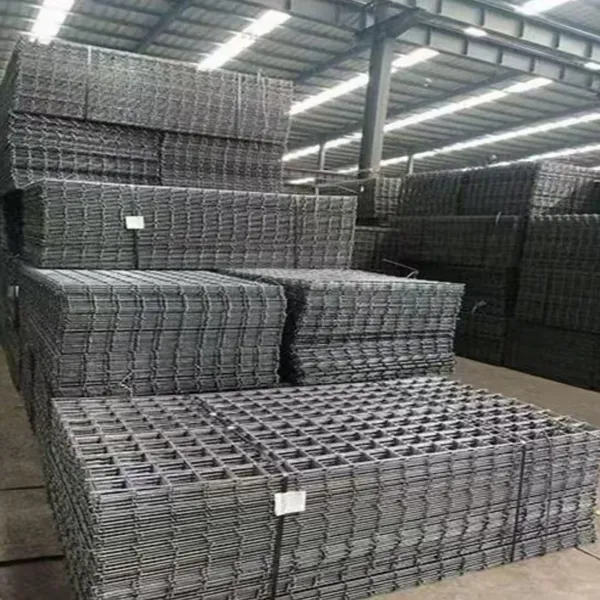 Read More
 -
Introduction to Cold Rolled Coils: High-Precision & High-Quality Cold Rolled Coils, Core Substrates
August 17, 2026In numerous industrial fields such as steel deep processing, precision manufacturing, automobile production, and home appliance ha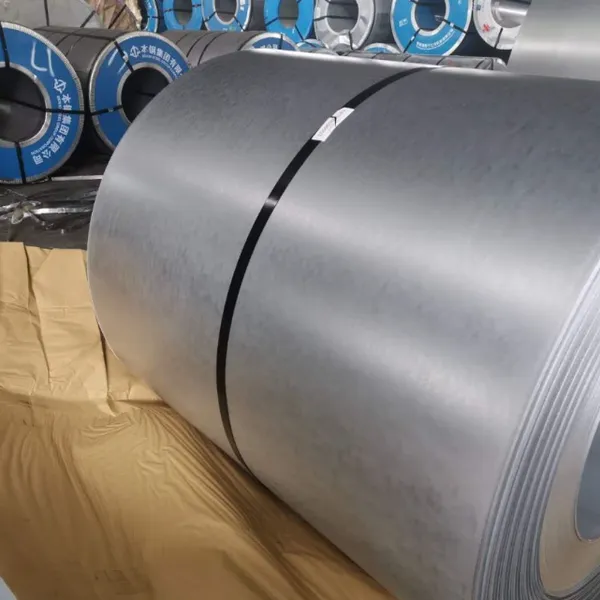 Read More
 -
A Complete Guide to Cast Pipes: Durable & Essential Engineering Pipes
August 17, 2026In various fields such as water supply and drainage, municipal engineering, metallurgy and chemical industry, and building constru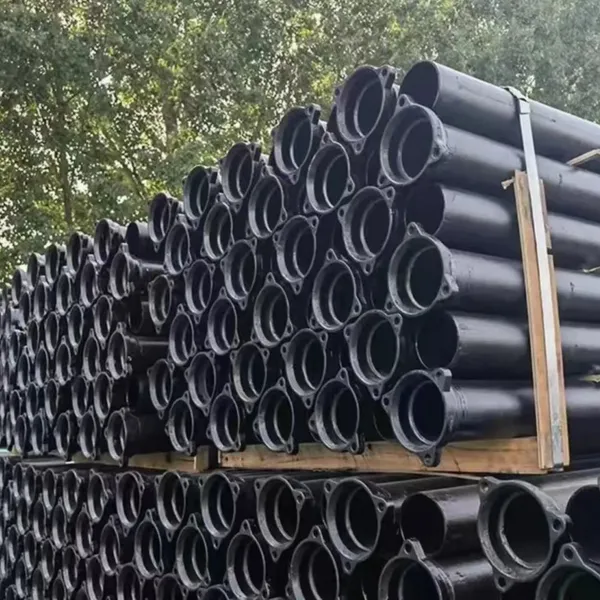 Read More
 -
A Complete Guide to Precision Steel Tube: High-Tolerance Tubing for Industrial & Mechanical Systems
August 14, 2026Widely adopted in hydraulic systems, mechanical manufacturing, automotive engineering, pneumatic equipment and high-pressure indus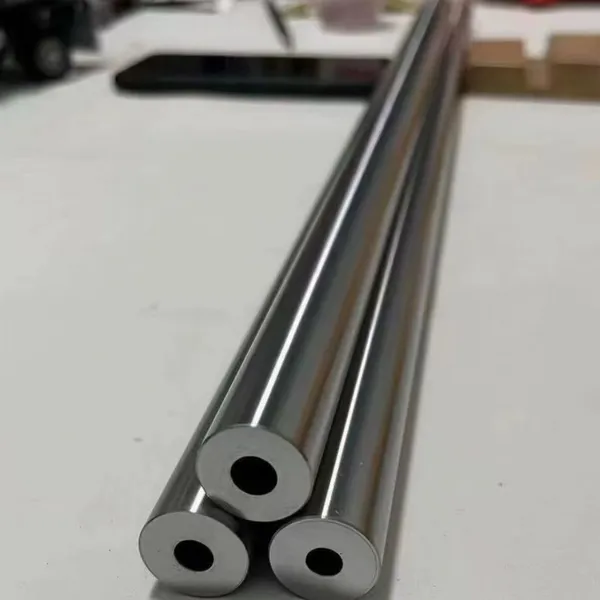 Read More

Contact Us

Recommended Products
-
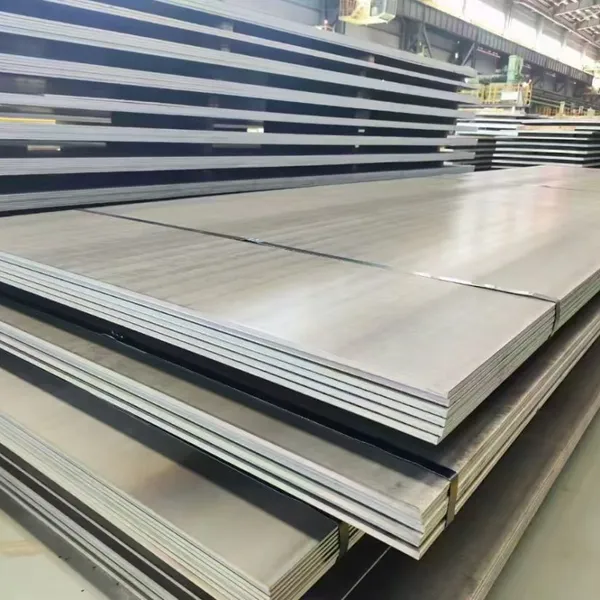
 Steel Sheet & Plate & Boiler Plate,EN 10028、ASTM A516 Gr60/70、P265GH、P355GHNegotiableMOQ: 5 Metric Tons
 -
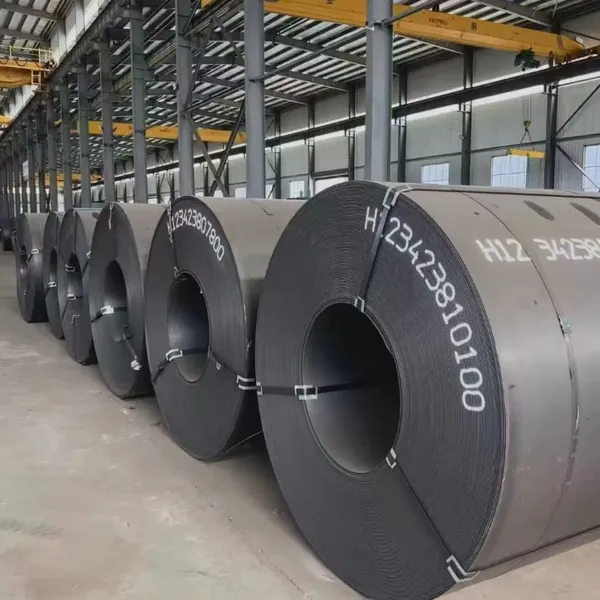
Steel Coil & Strip & Hot Rolled Steel Coil,Q235B、SS400、A36、S235JR、SPHC、SPHD、Q355B/C/D、S355JR、S355J0NegotiableMOQ: 5 Metric Tons
-
Steel Pipe & Tube & Oil Country Tubular Goods,API 5L Gr.B、X42、X52、X60、X65、X70、X80、E75、X95、G105、S135NegotiableMOQ: 5 Metric Tons
-
Iron Wire&Galvanized Iron Wire,GB/T 343, ASTM A853, JIS G 3532, EN 10264,Q195, Q235NegotiableMOQ: 5 Metric Tons
-
Rebar&Steel Rebar&Hot Rolled Rebar,HRB400, HRB500, HRBF400, HRBF500, B500B, B500C, Grade 60, Grade 75NegotiableMOQ: 5 Metric Tons
-
Steel Coil & Strip & Color Coated Steel Coil,PE, SMP, HDP, PVDFNegotiableMOQ: 5 Metric Tons
-
Seamless Steel Pipe& Steel Pipe & Tube,Q235B, Q355B, 20#, 45#, 16Mn, API 5L Gr.B, X42, X46, X52, X56, X60, X65, X70NegotiableMOQ: 5 Metric Tons
-
Angle Steel & Angle Bar,ASTM A36, JIS G3101, EN S235JR/S355JR, SS400NegotiableMOQ: 5 Metric Tons
-
Steel H Beam&H Beam ,Q235B, Q355B, S235JR, S235J0, S235J2, S355JR, S355J0, S355J2, A36, A572 Grade 50, A992NegotiableMOQ: 10 Metric Tons
-
Insulated Steel Pipe&Insulated Seamless Steel Pipe,RoHS, REACH, UL 94, VDE, IEC, GB/T 7113NegotiableMOQ: 5 Metric Tons
-
Hot-dip Galvanized Square Tubes&Steel Pipe & Tube,Q195, Q215, Q235B, Q355B, API 5L Gr.BNegotiableMOQ: 5 Metric Tons
-
Steel Pipe & Tube & High Pressure Boiler Tube,ASTM A213 (T Series)、ASTM A335 (P Series)、ASME SA213、SA335、EN 10216-2NegotiableMOQ: 5 Metric Tons
-
Steel Pipe & Tube & High Pressure Boiler Tube,38、42、48、51、57、60、76、89、108、133、159、168、194、219NegotiableMOQ: 5 Metric Tons
-
Insulated Pipe&Pre-insulated Pipe,RoHS, REACH, UL 94, VDE, IEC, GB/T 7113NegotiableMOQ: 5 Metric Tons
-
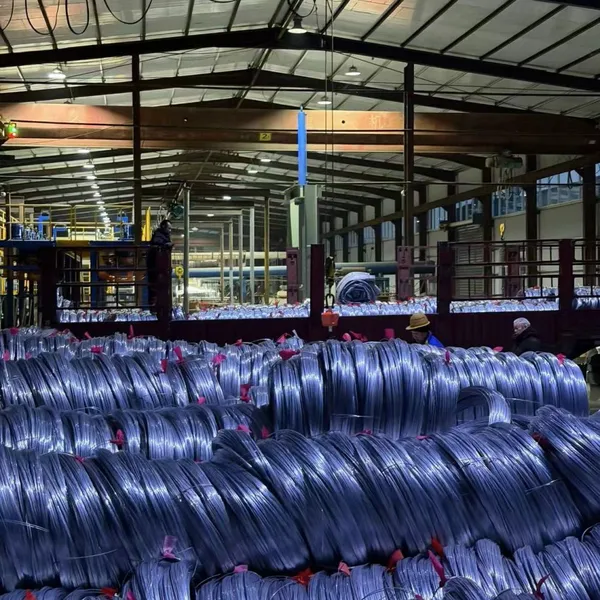
Steel Wire&Galvanized Steel Wire,Q195, Q235, 45#, 55#, 60#, 65#, 70#, 72A, 82BNegotiableMOQ: 5 Metric Tons
-
Steel Coil & Strip & Color Coated Steel Coil,TDC51D+Z、TS250GD+Z、TDC51D+AZ、TS350GD+AZ、TDC51D+ZM、SPCC、DC01NegotiableMOQ: 5 Metric Tons
-
Steel Pipe & Tube & Hot-Dip Galvanizing,Q195、Q215B、Q235BNegotiableMOQ: 5 Metric Tons
-
Steel Coil & Strip & Hot Rolled Coil,Q195、Q215、Q235B、Q255、Q345B、Q355B、Q420、Q460、SS400、SPHC、SPHD、SPHENegotiableMOQ: 5 Metric Tons
-
Steel Rebar & Deformed Steel Bar,HRB400、HRB400E、HRB500、HRB500ENegotiableMOQ: 5 Metric Tons
-
Galvanized Flat Bar&Flat Steel,GB/T 704, GB/T 13912, ASTM A123, JIS G3302NegotiableMOQ: 5 Metric Tons