
 Business License
Carbon & Galvanized Steel Wire: Ultimate Guide for Global Foreign Trade Buyers
Carbon & Galvanized Steel Wire: Ultimate Guide for Global Foreign Trade Buyers
Introduction
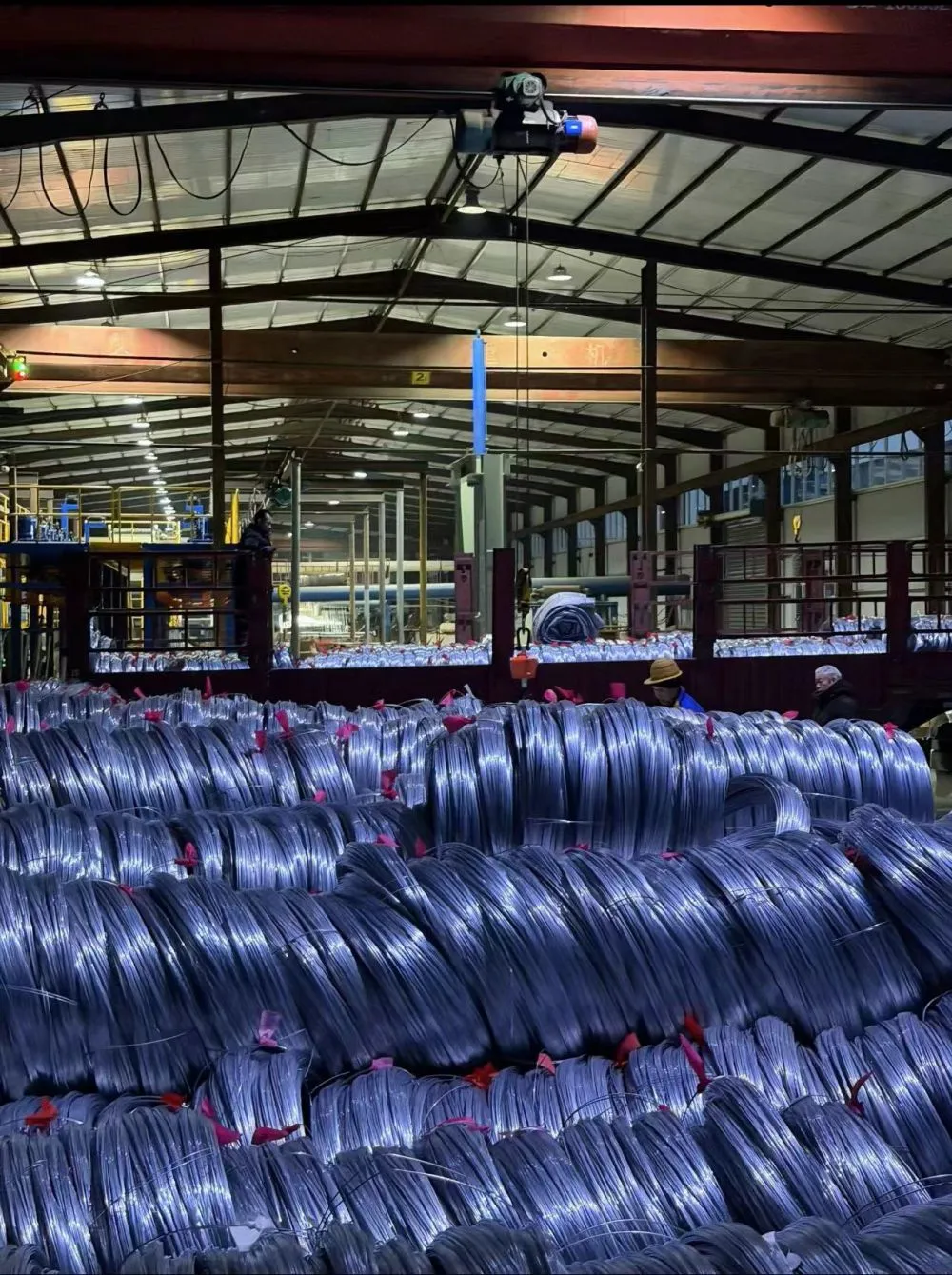
Low carbon steel wire and hot-dip galvanized steel wire are the most widely used basic metal wire materials in global construction, wire mesh fabrication, bridge protection, mine support, agricultural fencing and steel rope processing industries.
Compared with raw wire rods, finished cold-drawn and galvanized steel wire features high tensile strength, uniform ductility and superior corrosion resistance. They are exported in full-container quantities to Southeast Asia, Africa, the Middle East and Latin America every year.
However, most overseas buyers cannot distinguish four mainstream wire types: bright cold-drawn wire, annealed soft wire, hot-dip galvanized wire and electro-galvanized wire. It frequently causes trade disputes including unqualified tensile strength, zinc peeling, brittle fracture, ocean rust and customs detention for recycled steel. Based on years of full-container export experience, this blog covers production classification, material standards, mechanical parameters, quality inspection, ocean packaging and procurement risk avoidance, matching the layout of our precision pipe and PC strand blogs for consistent website SEO.
1. Four Main Export Steel Wire Types & Core Differences
These four wires look nearly identical but differ greatly in price, performance and application, which are the top substitute risks in steel wire procurement.
1.1 Bright Cold-Drawn Carbon Steel Wire
Production process: High carbon wire rod → pickling & phosphating → multi-die cold drawing → surface polishing → coiling, without annealing treatment
Performance: Glossy black surface without oxide scale, high hardness, low ductility
Tensile strength: 800-1200MPa
Application: Construction binding, carton strapping, hardware stamping, spring blanks
1.2 Annealed Soft Carbon Steel Wire
Production process: Cold drawing followed by spheroidizing annealing at 720℃ to eliminate internal residual stress
Performance: Super soft, flexible, no cracking after repeated bending and knotting
Tensile strength: 550-700MPa, elongation ≥12%
Application: Welded wire mesh, chain link fence, cable binding, manual fixing
1.3 Hot-Dip Galvanized Steel Wire (Primary Export Choice)
Production process: Degreasing & derusting → immersion in molten zinc → water cooling & passivation
Zinc coating weight: 40-220g/㎡, metallurgical bonding between zinc layer and steel substrate
Service life: 20-30 years for inland use, 8-12 years for coastal salt fog areas
Application: Coastal fencing, mine support, bridge tensioning, river gabion protection
1.4 Electro-Galvanized Steel Wire (Low-End Obsolete Type)
Production process: Electro-deposited zinc coating at room temperature without metallurgical combination
Zinc coating weight: 10-30g/㎡, easy peeling by friction
Service life: Only 1-2 years in dry inland environment
Market restriction: Banned by EU and Middle East customs, only used for low-budget orders in remote African regions
2. Raw Material Grades & International Standards
All steel wires are made of virgin SAE1006 & SAE1008 wire rods, without recycled scrap steel. We can provide virgin material traceability documents to avoid customs inspection of recycled metal.
Common Material Grades
- SAE1006: High ductility, for soft annealed binding wire and mesh weaving
- SAE1008: Moderate hardness and higher tensile strength, for hard cold-drawn wire and tension galvanized wire
Global Compliance Standards
- ASTM A411: Hot-dip galvanized steel wire
- ASTM A853: Cold-drawn carbon steel wire
- EN 10244-2, EN 10257: European galvanized wire standards
- GB/T 343, GB/T 15393: Chinese manufacturing standards
All batches support English mill test certificates, SGS mechanical and salt spray inspection reports for customs clearance and on-site re-inspection.
3. Size Tolerance & Mechanical Performance
Diameter Specifications
Diameter range: 0.8mm - 6.0mm
Best-selling stock sizes: 0.8mm, 1.2mm, 1.6mm, 2.0mm, 2.5mm, 3.0mm, 4.0mm
Diameter tolerance: ±0.03mm, stricter than international general tolerance ±0.05mm, ensuring uniform mesh aperture after weaving
Coil Weight Classification
- Small coil: 25kg / 50kg for retail and small mesh factories
- Large coil: 500kg - 1000kg for large-scale infrastructure and fencing projects
Mandatory Mechanical Inspection Indicators
1. Repeated bending: ≥12 times without fracture for soft wire, ≥6 times for hard wire
2. Torsion resistance: ≥25 times without internal cracking or delamination
3. Elongation: ≥12% for soft wire, ≥4% for hard wire
Customs Rejection Rule: Brittle cracked and delaminated steel wire will be directly rejected at destination ports.
4. Zinc Coating Classification & Salt Spray Acceptance
Zinc coating weight is the core inspection item for overseas coastal projects, with clear regional standards:
1. Heavy Zinc Coating: 180-220g/㎡, no red rust after 96-hour neutral salt spray test, for offshore wind power and coastal dams
2. Medium Zinc Coating: 100-150g/㎡, no red rust after 48-hour neutral salt spray test, for highway and bridge fences
3. Light Zinc Coating: 40-80g/㎡, no red rust after 24-hour neutral salt spray test, for inland construction binding
Galvanized Surface Requirements
Qualified hot-dip galvanized wire shows uniform silver-gray surface without zinc tumors, burrs, missing coating and black spots. Missing coating will cause priority rusting and spread to the whole coil.
5. Hidden Quality Inspection Standards
These hidden defects are the main causes of port rejection:
1. Surface cleanliness: No residual phosphating oil, scratches or dust to prevent adhesion and mildew in containers
2. Round cross-section: No oval deformation, which will lead to uneven woven mesh
3. Coil joint limit: Max 1 seamless welded joint per large coil. Knotted joints and multi-joint recycled wire are strictly prohibited by EU customs
4. Straightness: Uniform straightness for automatic binding machine matching without random curling
6. Ocean Shipping Packaging & Container Loading
Steel wire is easy to tangle, deform and rust during long-distance sea transportation, with exclusive export packaging:
Four-Layer Anti-Rust Packaging
1. Inner layer: Anti-rust kraft paper for moisture isolation
2. Middle layer: PE stretch film to prevent zinc peeling and surface scratches
3. Outer layer: Waterproof PP woven cloth for seawater isolation
4. Reinforcement: Cross strapping with high-strength plastic steel belts and paper corner protectors to prevent coil scattering during lifting
Container Moisture Protection
Waterproof liner laid inside 40HQ container, matched with polymer desiccants to resist salt fog and condensation during 40-50 days ocean voyage
Loading Capacity
- 20GP: 26-28 tons
- 40HQ: 56-58 tons
Loading method: Vertical stacking only, horizontal stacking will cause permanent wire deformation
7. Global Application Scenarios
Construction Industry
Rebar binding, formwork fixing, precast concrete binding (hot-selling size: 1.2mm, 1.6mm annealed soft wire)
Wire Mesh Fabrication
Welded mesh, chain link fence, gabion mesh and window screen raw materials
Traffic & Bridge Projects
Slope protection, bridge tensioning, river erosion control
Mining & Agriculture
Mine roadway support, orchard vine fixing, livestock fencing
General Hardware
Wire hanger blanks, cable binding, industrial strapping
8. Top 5 Foreign Trade Procurement Risks & Solutions
Risk 1: Electro-galvanized wire disguised as hot-dip galvanized wire
They look identical, but electro-galvanized wire rusts within 3 months.
Solution: Conduct zinc coating weight test and flame identification. Hot-dip zinc layer is tightly bonded without peeling.
Risk 2: Recycled steel wire disguised as virgin wire
Recycled wire has invisible internal cracks and sudden fracture under stress.
Solution: Request virgin wire rod traceability sheet and non-recycled steel declaration.
Risk 3: Confused hard and soft wire
Unannealed hard wire breaks easily after bending; soft wire lacks hardness for binding.
Solution: Confirm annealing status in written order.
Risk 4: Falsified zinc coating weight
Suppliers only mark galvanized wire without actual zinc weight.
Solution: Specify zinc coating data in sales contract.
Risk 5: Ocean rust liability ambiguity
Light rust and white rust caused by poor packaging.
Solution: Clarify free replacement and re-inspection cost compensation in contracts.
9. Complete Customs Clearance Documents
1. English official mill quality certificate
2. SGS zinc coating and mechanical performance inspection report
3. GSP Certificate of Origin for tariff reduction
4. Virgin non-recycled steel declaration & fumigation certificate
Conclusion
As essential industrial consumables, carbon and galvanized steel wire have stable global demand. Overseas buyers should prioritize virgin raw materials, qualified zinc coating, stable mechanical performance, limited joints and intact ocean delivery rather than ultra-low prices.
With stricter global recycled metal import supervision, complete compliance documents and professional anti-rust packaging are critical to avoid customs detention, port re-inspection failure and return losses. We support small bulk orders and long-term framework full-container orders with stable virgin raw material supply and full pre-shipment inspection.
Recently Posted
-
Steel Rebar,Steel Reinforcement Mesh: Complete Guide for Construction & Civil Engineering
August 17, 2026Steel Reinforcement Mesh: Complete Guide for Construction & Civil Engineering Steel reinforcement mesh, also known as wel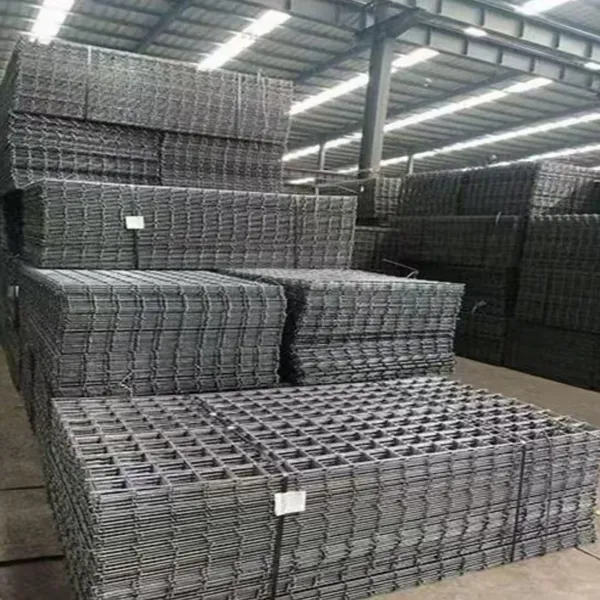 Read More
 -
Introduction to Cold Rolled Coils: High-Precision & High-Quality Cold Rolled Coils, Core Substrates
August 17, 2026In numerous industrial fields such as steel deep processing, precision manufacturing, automobile production, and home appliance ha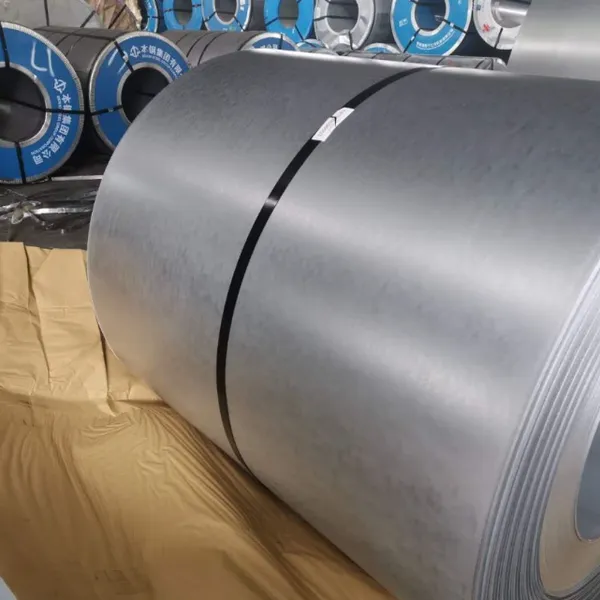 Read More
 -
A Complete Guide to Cast Pipes: Durable & Essential Engineering Pipes
August 17, 2026In various fields such as water supply and drainage, municipal engineering, metallurgy and chemical industry, and building constru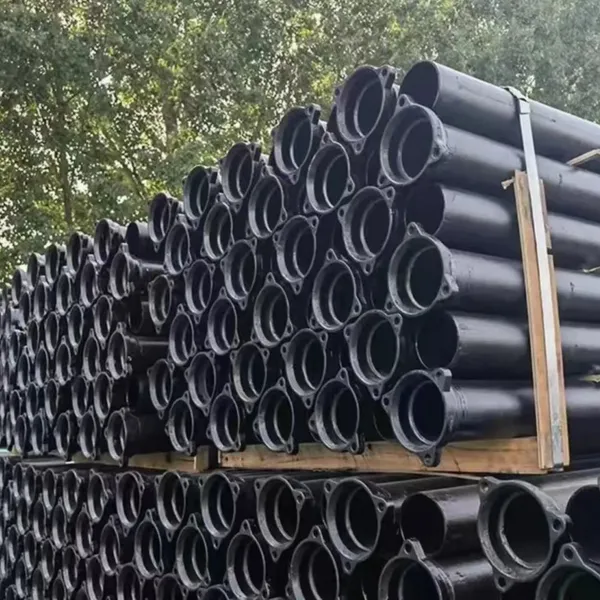 Read More
 -
A Complete Guide to Precision Steel Tube: High-Tolerance Tubing for Industrial & Mechanical Systems
August 14, 2026Widely adopted in hydraulic systems, mechanical manufacturing, automotive engineering, pneumatic equipment and high-pressure indus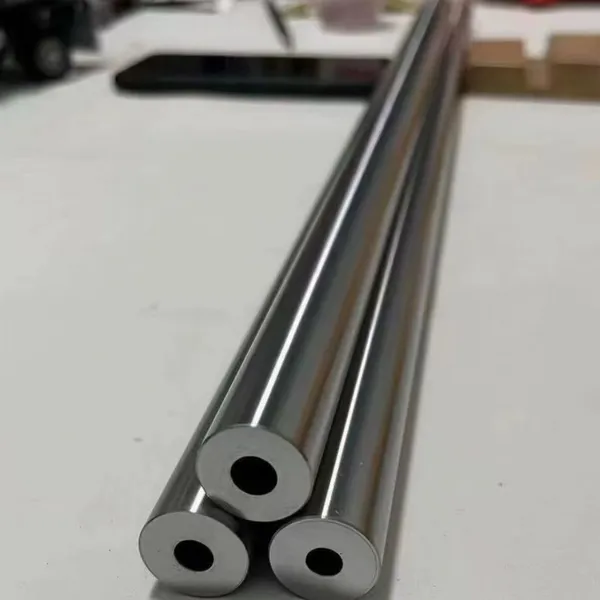 Read More

Contact Us

Recommended Products
-
 Steel Sheet & Plate & Boiler Plate,EN 10028、ASTM A516 Gr60/70、P265GH、P355GHNegotiableMOQ: 5 Metric Tons
 -
Steel Coil & Strip & Hot Rolled Steel Coil,Q235B、SS400、A36、S235JR、SPHC、SPHD、Q355B/C/D、S355JR、S355J0NegotiableMOQ: 5 Metric Tons
-
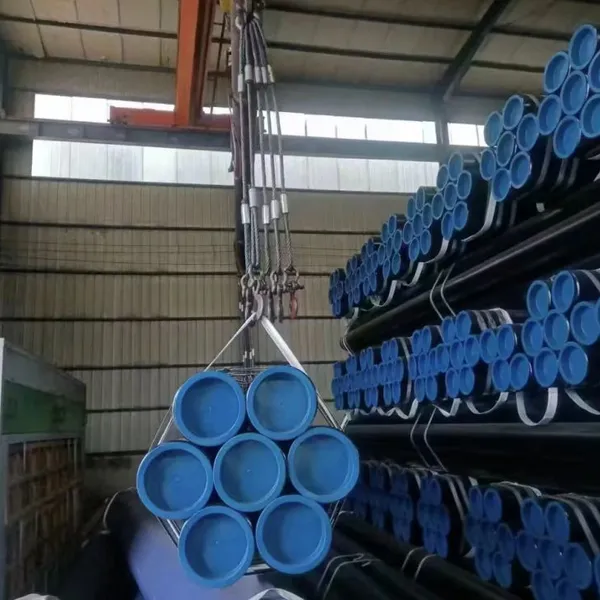
Steel Pipe & Tube & Oil Country Tubular Goods,API 5L Gr.B、X42、X52、X60、X65、X70、X80、E75、X95、G105、S135NegotiableMOQ: 5 Metric Tons
-
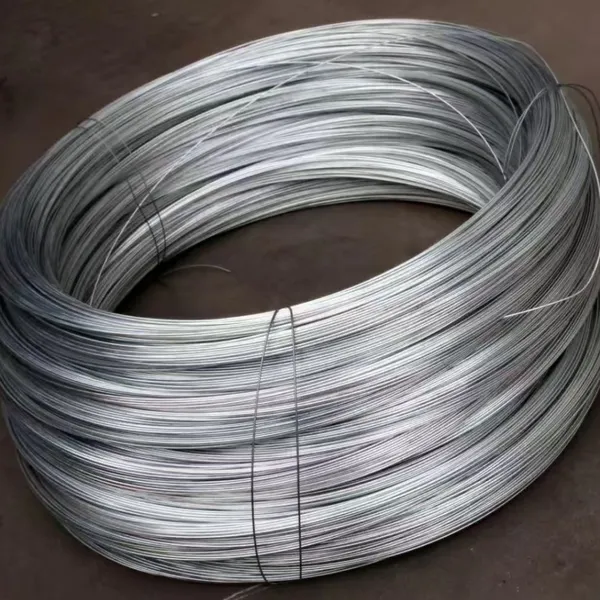
Iron Wire&Galvanized Iron Wire,GB/T 343, ASTM A853, JIS G 3532, EN 10264,Q195, Q235NegotiableMOQ: 5 Metric Tons
-
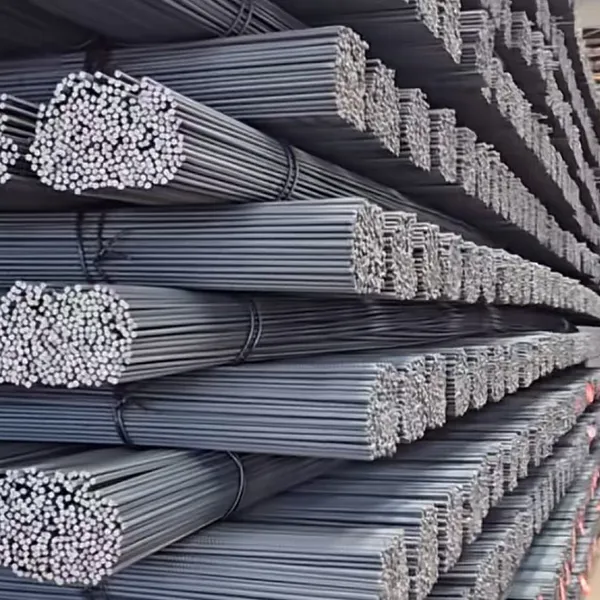
Rebar&Steel Rebar&Hot Rolled Rebar,HRB400, HRB500, HRBF400, HRBF500, B500B, B500C, Grade 60, Grade 75NegotiableMOQ: 5 Metric Tons
-
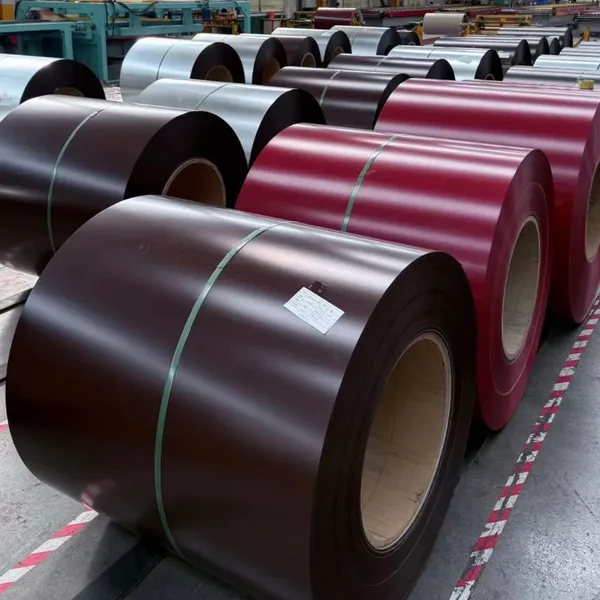
Steel Coil & Strip & Color Coated Steel Coil,PE, SMP, HDP, PVDFNegotiableMOQ: 5 Metric Tons
-
Seamless Steel Pipe& Steel Pipe & Tube,Q235B, Q355B, 20#, 45#, 16Mn, API 5L Gr.B, X42, X46, X52, X56, X60, X65, X70NegotiableMOQ: 5 Metric Tons
-
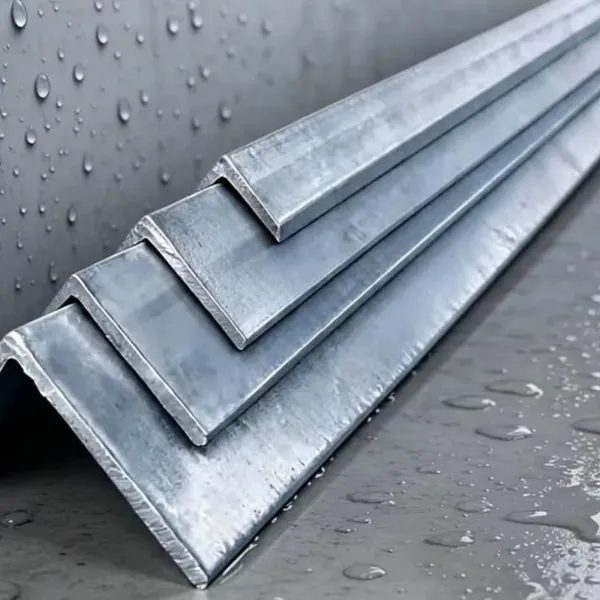
Angle Steel & Angle Bar,ASTM A36, JIS G3101, EN S235JR/S355JR, SS400NegotiableMOQ: 5 Metric Tons
-
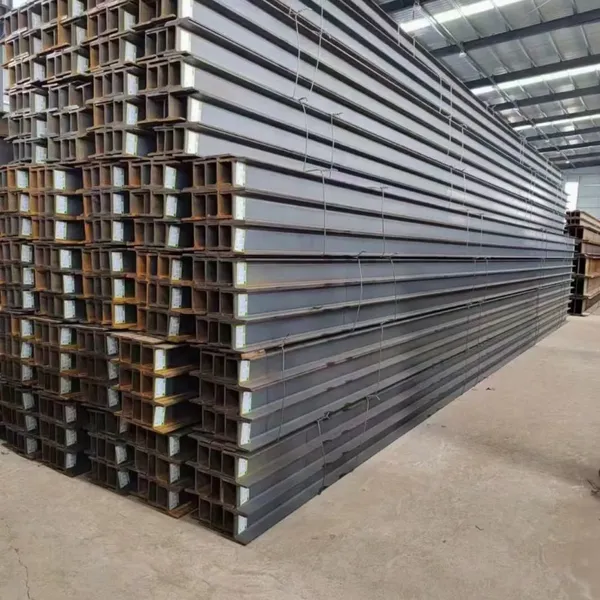
Steel H Beam&H Beam ,Q235B, Q355B, S235JR, S235J0, S235J2, S355JR, S355J0, S355J2, A36, A572 Grade 50, A992NegotiableMOQ: 10 Metric Tons
-
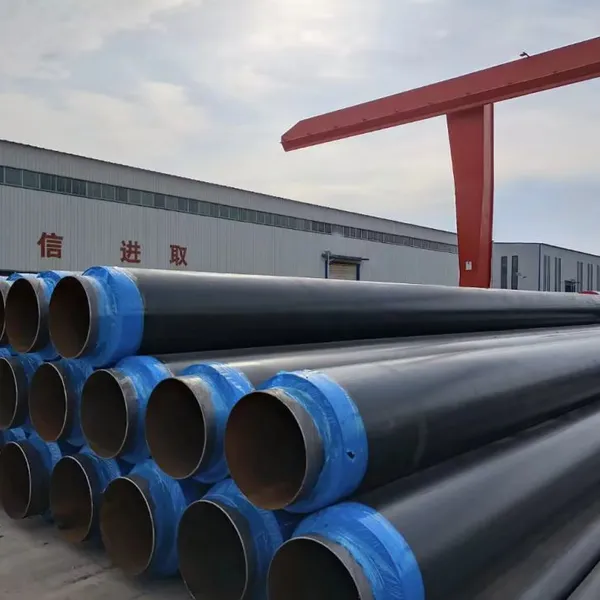
Insulated Steel Pipe&Insulated Seamless Steel Pipe,RoHS, REACH, UL 94, VDE, IEC, GB/T 7113NegotiableMOQ: 5 Metric Tons
-
Hot-dip Galvanized Square Tubes&Steel Pipe & Tube,Q195, Q215, Q235B, Q355B, API 5L Gr.BNegotiableMOQ: 5 Metric Tons
-
Steel Pipe & Tube & High Pressure Boiler Tube,ASTM A213 (T Series)、ASTM A335 (P Series)、ASME SA213、SA335、EN 10216-2NegotiableMOQ: 5 Metric Tons
-
Steel Pipe & Tube & High Pressure Boiler Tube,38、42、48、51、57、60、76、89、108、133、159、168、194、219NegotiableMOQ: 5 Metric Tons
-
Insulated Pipe&Pre-insulated Pipe,RoHS, REACH, UL 94, VDE, IEC, GB/T 7113NegotiableMOQ: 5 Metric Tons
-
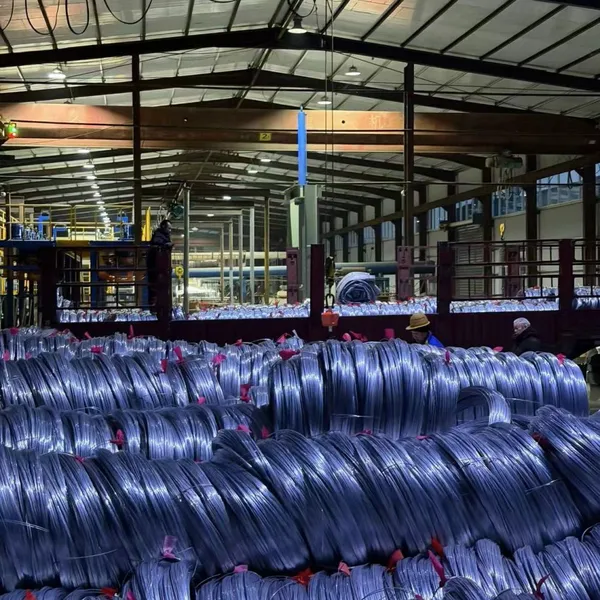
Steel Wire&Galvanized Steel Wire,Q195, Q235, 45#, 55#, 60#, 65#, 70#, 72A, 82BNegotiableMOQ: 5 Metric Tons
-
Steel Coil & Strip & Color Coated Steel Coil,TDC51D+Z、TS250GD+Z、TDC51D+AZ、TS350GD+AZ、TDC51D+ZM、SPCC、DC01NegotiableMOQ: 5 Metric Tons
-
Steel Pipe & Tube & Hot-Dip Galvanizing,Q195、Q215B、Q235BNegotiableMOQ: 5 Metric Tons
-
Steel Coil & Strip & Hot Rolled Coil,Q195、Q215、Q235B、Q255、Q345B、Q355B、Q420、Q460、SS400、SPHC、SPHD、SPHENegotiableMOQ: 5 Metric Tons
-
Steel Rebar & Deformed Steel Bar,HRB400、HRB400E、HRB500、HRB500ENegotiableMOQ: 5 Metric Tons
-
Galvanized Flat Bar&Flat Steel,GB/T 704, GB/T 13912, ASTM A123, JIS G3302NegotiableMOQ: 5 Metric Tons