
 Business License
Steel Pipe, Drill Pipe and Spiral Drill Collar: Core Drilling Tools for Oil & Gas and Geological Exp
Steel Pipe, Drill Pipe and Spiral Drill Collar: Core Drilling Tools for Oil & Gas and Geological Exploration
Introduction
In oil & gas exploitation, geological drilling, mine exploration, and infrastructure engineering, downhole drilling tools determine the overall construction efficiency, operational safety, and service life of the drilling system. Steel pipes, drill pipes, and spiral drill collars are three indispensable core components of the drilling string system. Although they are matched and used together in drilling operations, they differ significantly in structural design, functional positioning, and working scenarios.
This article will professionally analyze the characteristics, manufacturing standards, core advantages, and application differences of steel pipes, drill pipes, and spiral drill collars, helping global engineering purchasers, drilling contractors, and energy project investors select high-quality drilling accessories that adapt to complex downhole working conditions.
1. Drilling Steel Pipe: Basic Carrier of Drilling Fluid Circulation
1.1 Product Overview
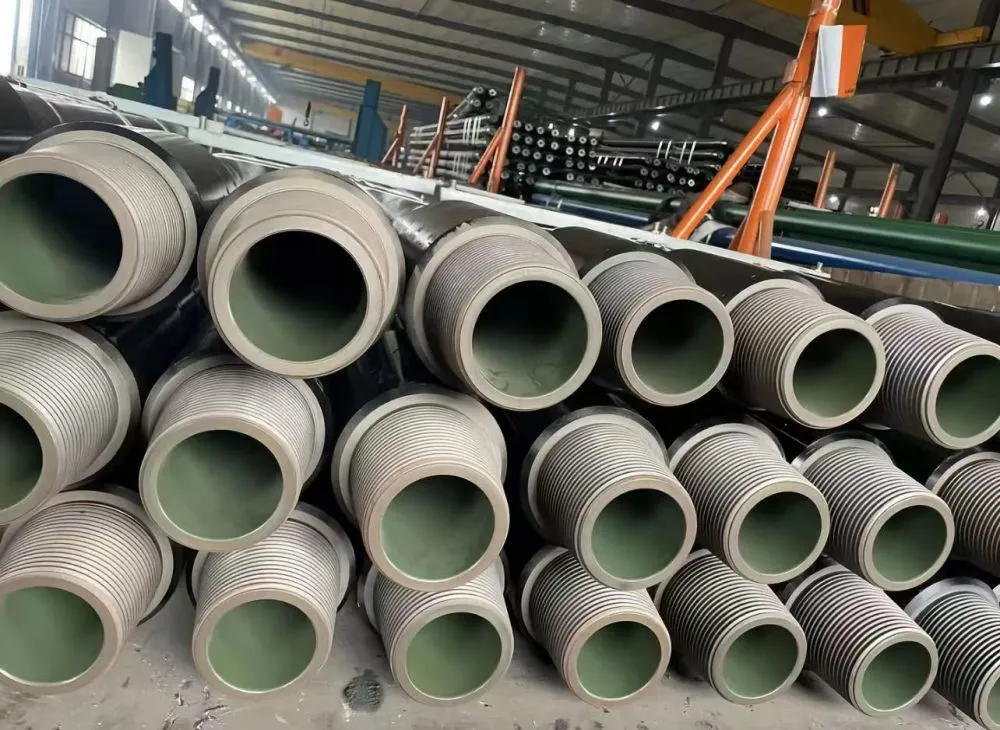
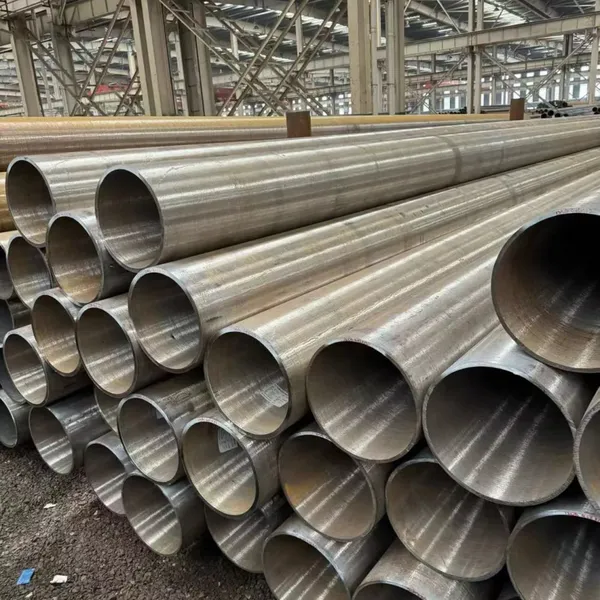
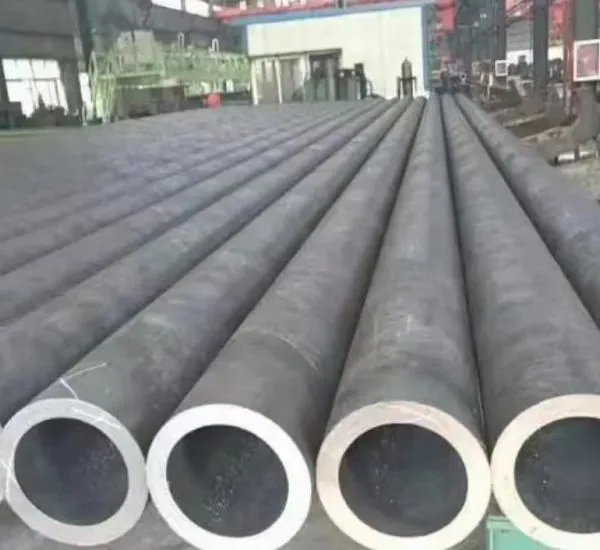
Drilling steel pipe is the basic tubular component of drilling engineering, serving as the main channel for downhole drilling fluid circulation. It undertakes multiple core tasks such as conveying drilling mud, balancing downhole pressure, cooling and lubricating drill bits, and carrying drilling cuttings to the ground. It is the fundamental guarantee for the stable operation of the entire drilling system.
1.2 Manufacturing Standard & Material
Qualified drilling steel pipes are strictly produced in accordance with API 5L international standards, adopting high-strength low-alloy steel materials. Through precision rolling, integral heat treatment, and strict non-destructive testing, the products achieve excellent pressure resistance, impact resistance, and structural stability. Conventional grades include Gr.B, X42, X52, X65, etc., which can adapt to conventional and medium-deep well drilling environments.
1.3 Core Advantages
1. High-pressure Resistance: Uniform pipe wall thickness and stable mechanical properties, which can withstand high mud pressure and downhole formation pressure to avoid pipe body deformation and rupture.
2. Excellent Sealing Performance: Precise pipe end processing, matching professional connecting fittings, ensuring no leakage of drilling fluid in long-distance circulation.
3. Strong Corrosion Resistance: The surface is treated with anti-rust and anti-corrosion processes, adapting to complex downhole media such as sediment, brine, and weak acid formations.
4. Wide Compatibility: Support customized specifications of different diameters and wall thicknesses, compatible with various drill pipes and drill collars, suitable for geological exploration, water well drilling, and shallow oil and gas well projects.
2. Drill Pipe: Power Transmission Component of Drilling Operations
2.1 Product Overview
The drill pipe is a key load-bearing and power transmission tool in the drilling string. On the basis of the basic circulation function of steel pipes, it further undertakes the core task of transmitting ground torque and drilling pressure to the downhole drill bit. It is a connecting bridge between ground drilling equipment and downhole drilling tools.
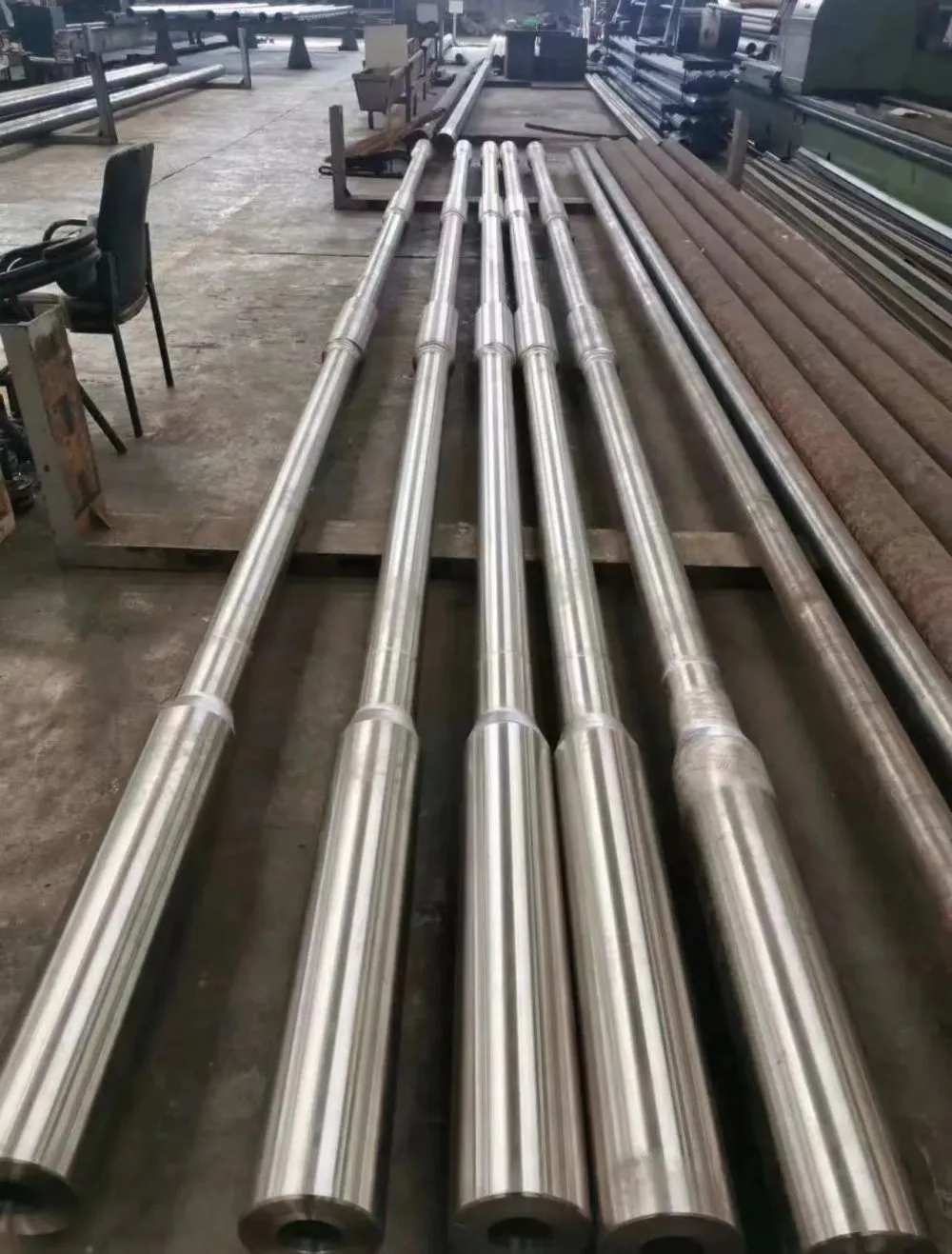
Different from ordinary steel pipes, drill pipes are designed with reinforced joints at both ends. Through friction welding and integral quenching and tempering treatment, they have ultra-high torsional strength and bending resistance, adapting to high-intensity rotary drilling operations.
2.2 Core Structural Features
The drill pipe is composed of a pipe body and high-strength tool joints. The joints adopt precision threaded processing, with high matching accuracy, strong bite force, and stable connection. It can effectively avoid tripping and thread slipping during high-speed rotation and deep drilling. The overall structure is lightweight and tough, which can reduce the overall load of the drilling rig while ensuring strength.
2.3 Application Advantages
1. Efficient Power Transmission: Low torsional loss, which can stably transmit drilling torque, improve drilling speed, and shorten project construction cycles.
2. Strong Fatigue Resistance: Adapt to continuous rotary drilling, up-and-down tripping and other cyclic operations, with long service life and low replacement cost.
3. Good Bending Performance: It can adapt to directional drilling and inclined well construction, maintaining stable drilling track in complex stratum environments.
4. Easy Installation and Maintenance: Standardized interface design, convenient on-site assembly, disassembly and maintenance, reducing construction downtime.
3. Spiral Drill Collar: Weight-Increasing & Stabilizing Core Downhole Tool
3.1 Product Overview
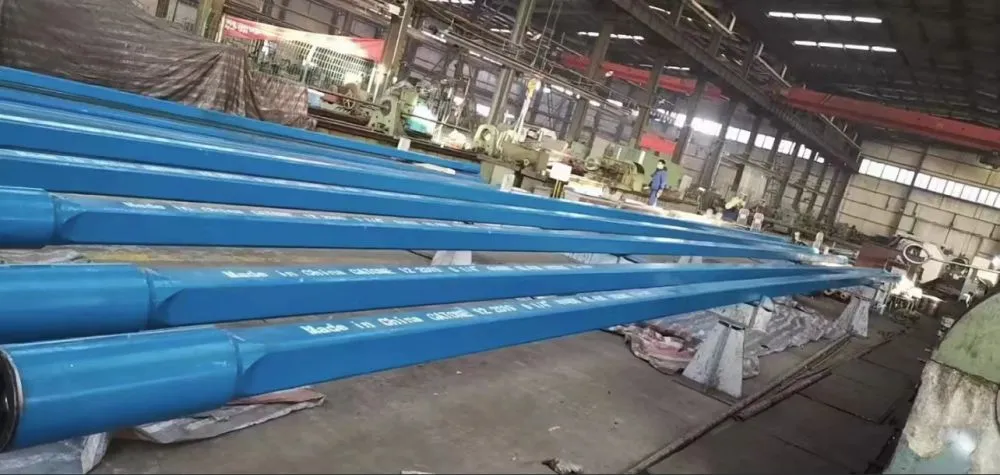
The spiral drill collar is a heavy-duty thick-walled downhole tool installed at the bottom of the drilling string. As a key component of the bottom hole assembly (BHA), its core function is to provide reliable bit weight, stabilize the drilling string track, and ensure verticality and accuracy of drilling. It is widely used in medium-deep wells, deep wells, directional wells, and shale and salt layer drilling projects.
Different from ordinary flat drill collars, the outer wall of the spiral drill collar is processed with three uniform right-hand spiral grooves, which is a structural optimization design for complex anti-sticking working conditions.
3.2 Core Working Principle & Advantages
1. Anti Differential Pressure Sticking (Core Advantage)
The spiral groove design effectively reduces the contact area between the drill collar and the well wall. It allows drilling mud to circulate freely around the pipe body, balances downhole differential pressure, completely avoids differential pressure sticking accidents that are easy to occur in shale, salt rock and easy-sticking formations, and greatly improves construction safety.
2. Optimize Drilling Hydraulics
The spiral groove can accelerate the discharge of downhole cuttings, reduce cuttings accumulation at the bottom of the well, avoid repeated grinding of drill bits, effectively improve drilling efficiency, and reduce downhole hidden dangers.
3. High Rigidity & Stable Drilling
Made of high-quality AISI 4145H alloy steel and manufactured in strict accordance with API Spec 7-1 standards, the drill collar has high density, high strength and strong structural rigidity. It can provide stable bit weight, suppress drilling string vibration, ensure straight drilling track, and reduce well deviation rate.
4. Lightweight & Durable
Compared with flat drill collars of the same specification, spiral drill collars are 4%-6% lighter, which reduces the overall load of the drilling string while ensuring sufficient weight, and reduces equipment energy consumption. The surface is treated with hardening and anti-corrosion processes, with strong wear resistance and long service life.
3.3 Main Specifications
Common outer diameter: 3 1/8" - 11"
Conventional length: 30ft, 31ft, 43ft (R1-R3 grade)
Connection thread: Standard API thread, support customized special threads
4. Difference & Matching Application of Three Products
Many engineering purchasers are easy to confuse steel pipes, drill pipes and spiral drill collars. The clear functional division and matching logic are as follows:
1. Drilling Steel Pipe: Basic circulation pipeline, mainly responsible for mud transportation, suitable for low-load and shallow drilling auxiliary matching.
2. Drill Pipe: Power transmission main body, connecting the ground and downhole, undertaking torque transmission, the most widely used component in the middle section of the drilling string.
3. Spiral Drill Collar: Bottom weight-increasing stabilizing tool, installed at the bottom of the drill pipe set, providing bit weight and anti-sticking protection, dedicated to complex medium-deep well and easy-sticking formation working conditions.
In formal oil and gas well and deep geological drilling projects, the three are used in a matching way: steel pipes assist circulation, drill pipes transmit power, and spiral drill collars stabilize downhole operations, forming a complete and efficient drilling string system.
5. Strict Quality Control & Custom Service
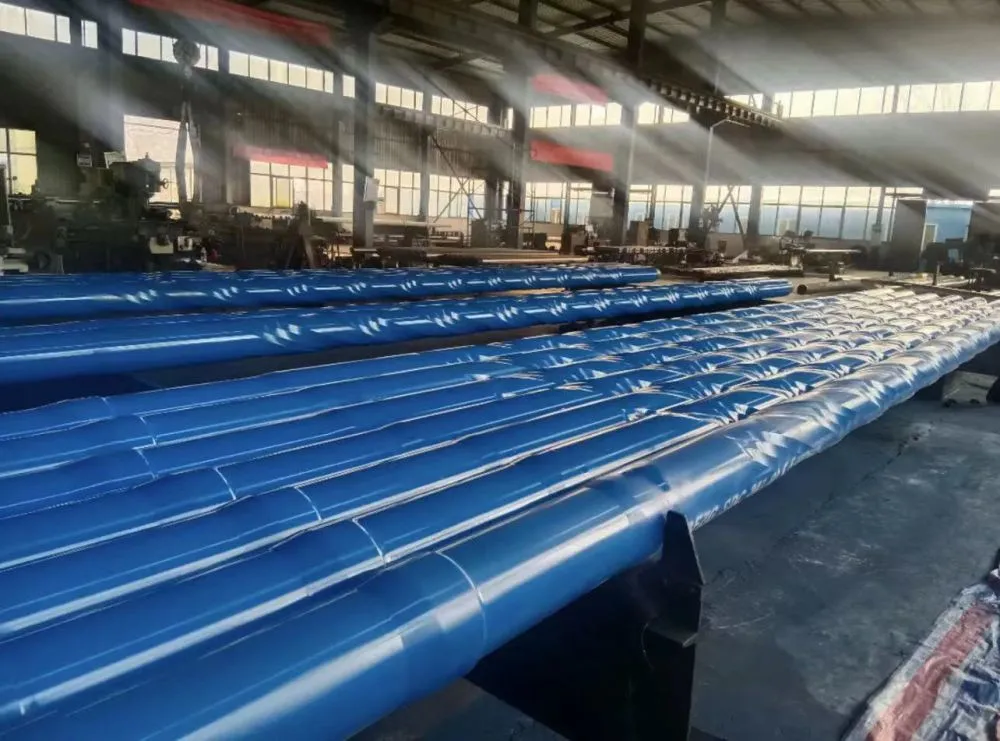
All our drilling steel pipes, drill pipes and spiral drill collars implement international API standard production processes. From raw material incoming inspection, heat treatment, thread precision processing to final non-destructive testing and pressure test, every link is strictly controlled to ensure 100% compliance with project construction standards.
We support one-stop customized services: customized pipe diameter, wall thickness, length, thread type and surface treatment according to customer working conditions, providing cost-effective overall solutions for global drilling engineering projects.
Conclusion
Steel pipes, drill pipes and spiral drill collars are essential supporting tools for modern drilling engineering. High-quality matching tools can effectively improve drilling efficiency, reduce downhole failure rates, and save project operation costs. With the continuous development of global deep well drilling, unconventional oil and gas exploitation and geological exploration projects, high-strength and anti-sticking spiral drill collars and standardized drilling pipe sets have become the preferred choice of more engineering teams.
We adhere to strict international production standards to provide global customers with durable, high-precision and cost-effective drilling tool products, supporting long-term stable operation of various drilling projects.
SEO Tags
Drilling steel pipe, API drill pipe, spiral drill collar, oil and gas drilling tools, geological exploration drill collar, anti-sticking drill collar, bottom hole assembly parts
Recently Posted
-
Steel Pipe Cutting Parts | Precision Cut to Size, Burr-Free & Custom Processing
August 19, 2026Steel Pipe Cutting Parts | Precision Cut to Size, Burr-Free & Custom Processing Steel pipe cutting parts are essential se Read More
 -
Steel Rebar,Steel Reinforcement Mesh: Complete Guide for Construction & Civil Engineering
August 17, 2026Steel Reinforcement Mesh: Complete Guide for Construction & Civil Engineering Steel reinforcement mesh, also known as wel Read More
 -
Introduction to Cold Rolled Coils: High-Precision & High-Quality Cold Rolled Coils, Core Substrates
August 17, 2026In numerous industrial fields such as steel deep processing, precision manufacturing, automobile production, and home appliance ha Read More
 -
A Complete Guide to Cast Pipes: Durable & Essential Engineering Pipes
August 17, 2026In various fields such as water supply and drainage, municipal engineering, metallurgy and chemical industry, and building constru Read More

Contact Us

Recommended Products
-
 Steel Sheet & Plate & Boiler Plate,EN 10028、ASTM A516 Gr60/70、P265GH、P355GHNegotiableMOQ: 5 Metric Tons
 -
Steel Coil & Strip & Hot Rolled Steel Coil,Q235B、SS400、A36、S235JR、SPHC、SPHD、Q355B/C/D、S355JR、S355J0NegotiableMOQ: 5 Metric Tons
-
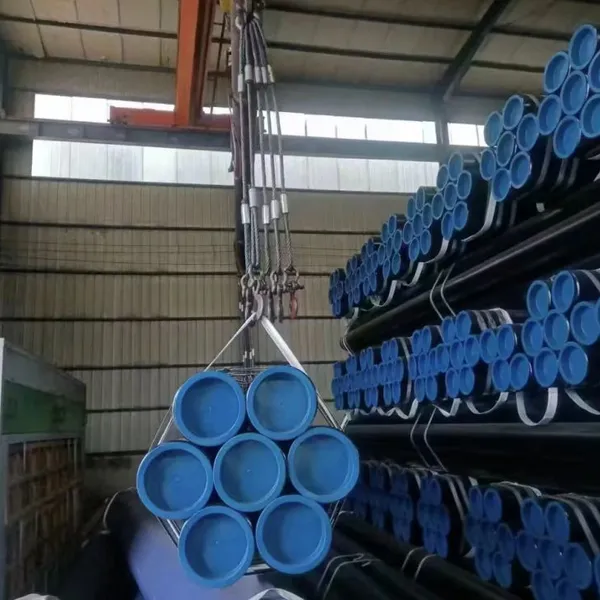
Steel Pipe & Tube & Oil Country Tubular Goods,API 5L Gr.B、X42、X52、X60、X65、X70、X80、E75、X95、G105、S135NegotiableMOQ: 5 Metric Tons
-
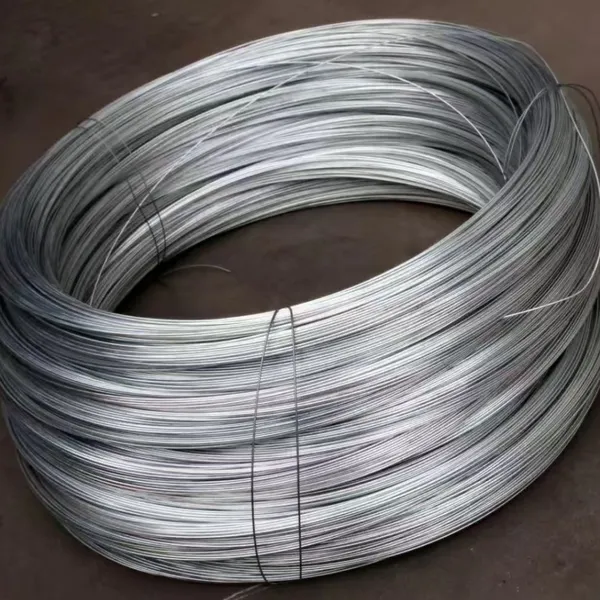
Iron Wire&Galvanized Iron Wire,GB/T 343, ASTM A853, JIS G 3532, EN 10264,Q195, Q235NegotiableMOQ: 5 Metric Tons
-
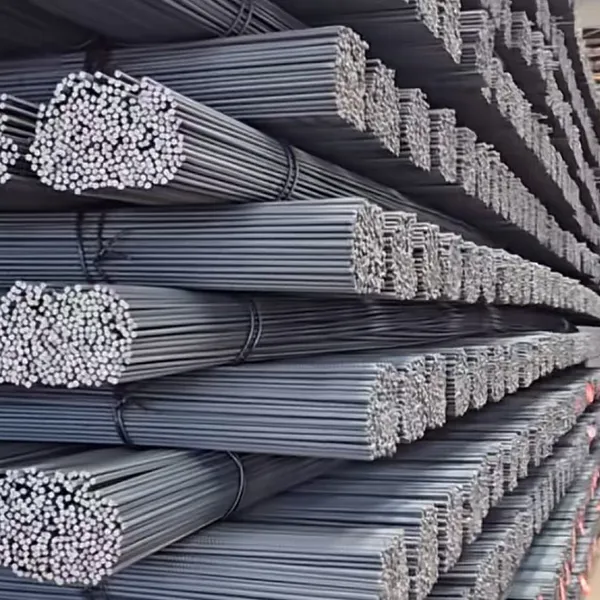
Rebar&Steel Rebar&Hot Rolled Rebar,HRB400, HRB500, HRBF400, HRBF500, B500B, B500C, Grade 60, Grade 75NegotiableMOQ: 5 Metric Tons
-
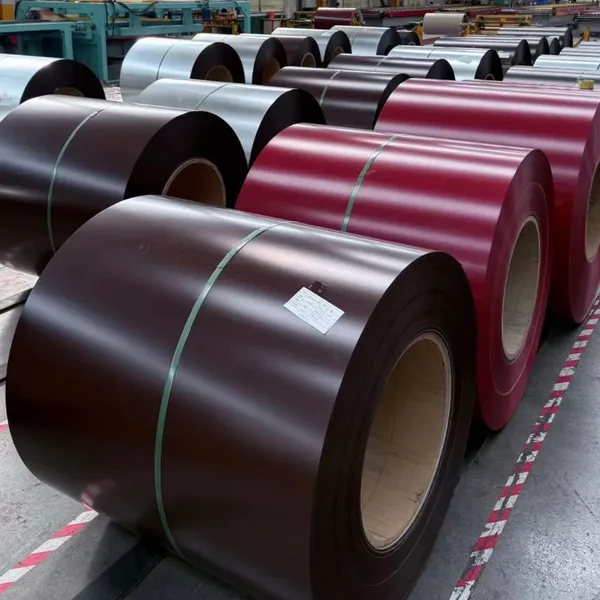
Steel Coil & Strip & Color Coated Steel Coil,PE, SMP, HDP, PVDFNegotiableMOQ: 5 Metric Tons
-
Seamless Steel Pipe& Steel Pipe & Tube,Q235B, Q355B, 20#, 45#, 16Mn, API 5L Gr.B, X42, X46, X52, X56, X60, X65, X70NegotiableMOQ: 5 Metric Tons
-
Angle Steel & Angle Bar,ASTM A36, JIS G3101, EN S235JR/S355JR, SS400NegotiableMOQ: 5 Metric Tons
-
Steel H Beam&H Beam ,Q235B, Q355B, S235JR, S235J0, S235J2, S355JR, S355J0, S355J2, A36, A572 Grade 50, A992NegotiableMOQ: 10 Metric Tons
-
Insulated Steel Pipe&Insulated Seamless Steel Pipe,RoHS, REACH, UL 94, VDE, IEC, GB/T 7113NegotiableMOQ: 5 Metric Tons
-
Hot-dip Galvanized Square Tubes&Steel Pipe & Tube,Q195, Q215, Q235B, Q355B, API 5L Gr.BNegotiableMOQ: 5 Metric Tons
-
Steel Pipe & Tube & High Pressure Boiler Tube,ASTM A213 (T Series)、ASTM A335 (P Series)、ASME SA213、SA335、EN 10216-2NegotiableMOQ: 5 Metric Tons
-
Steel Pipe & Tube & High Pressure Boiler Tube,38、42、48、51、57、60、76、89、108、133、159、168、194、219NegotiableMOQ: 5 Metric Tons
-
Insulated Pipe&Pre-insulated Pipe,RoHS, REACH, UL 94, VDE, IEC, GB/T 7113NegotiableMOQ: 5 Metric Tons
-
Steel Wire&Galvanized Steel Wire,Q195, Q235, 45#, 55#, 60#, 65#, 70#, 72A, 82BNegotiableMOQ: 5 Metric Tons
-
Steel Coil & Strip & Color Coated Steel Coil,TDC51D+Z、TS250GD+Z、TDC51D+AZ、TS350GD+AZ、TDC51D+ZM、SPCC、DC01NegotiableMOQ: 5 Metric Tons
-
Steel Pipe & Tube & Hot-Dip Galvanizing,Q195、Q215B、Q235BNegotiableMOQ: 5 Metric Tons
-
Steel Coil & Strip & Hot Rolled Coil,Q195、Q215、Q235B、Q255、Q345B、Q355B、Q420、Q460、SS400、SPHC、SPHD、SPHENegotiableMOQ: 5 Metric Tons
-
Steel Rebar & Deformed Steel Bar,HRB400、HRB400E、HRB500、HRB500ENegotiableMOQ: 5 Metric Tons
-
Galvanized Flat Bar&Flat Steel,GB/T 704, GB/T 13912, ASTM A123, JIS G3302NegotiableMOQ: 5 Metric Tons