
 Business License
Flat Steel: Types, Specifications, Performance and Industrial Applications
Flat steel, also widely known as flat bar, hot rolled flat steel, carbon flat steel and structural flat steel, is a versatile rectangular structural steel profile with flat surface and straight edges. Flat steel is one of the most commonly used raw steel materials in global construction engineering, mechanical manufacturing, metal processing and structural fabrication industries. Flat steel features stable flat steel dimensional accuracy, excellent flat steel surface flatness and reliable flat steel mechanical toughness, making flat steel essential for steel frame fabrication, component blank processing, structural welding and hardware manufacturing. High-quality flat steel ensures stable structural strength and precise assembly effect for all finished steel products, so standard flat steel is always the preferred choice for global flat steel purchasers, engineering contractors and metal processing factories. This SEO blog introduces flat steel classification, flat steel standard specifications, flat steel core performance advantages and comprehensive flat steel application scenarios in detail.
What Is Flat Steel?
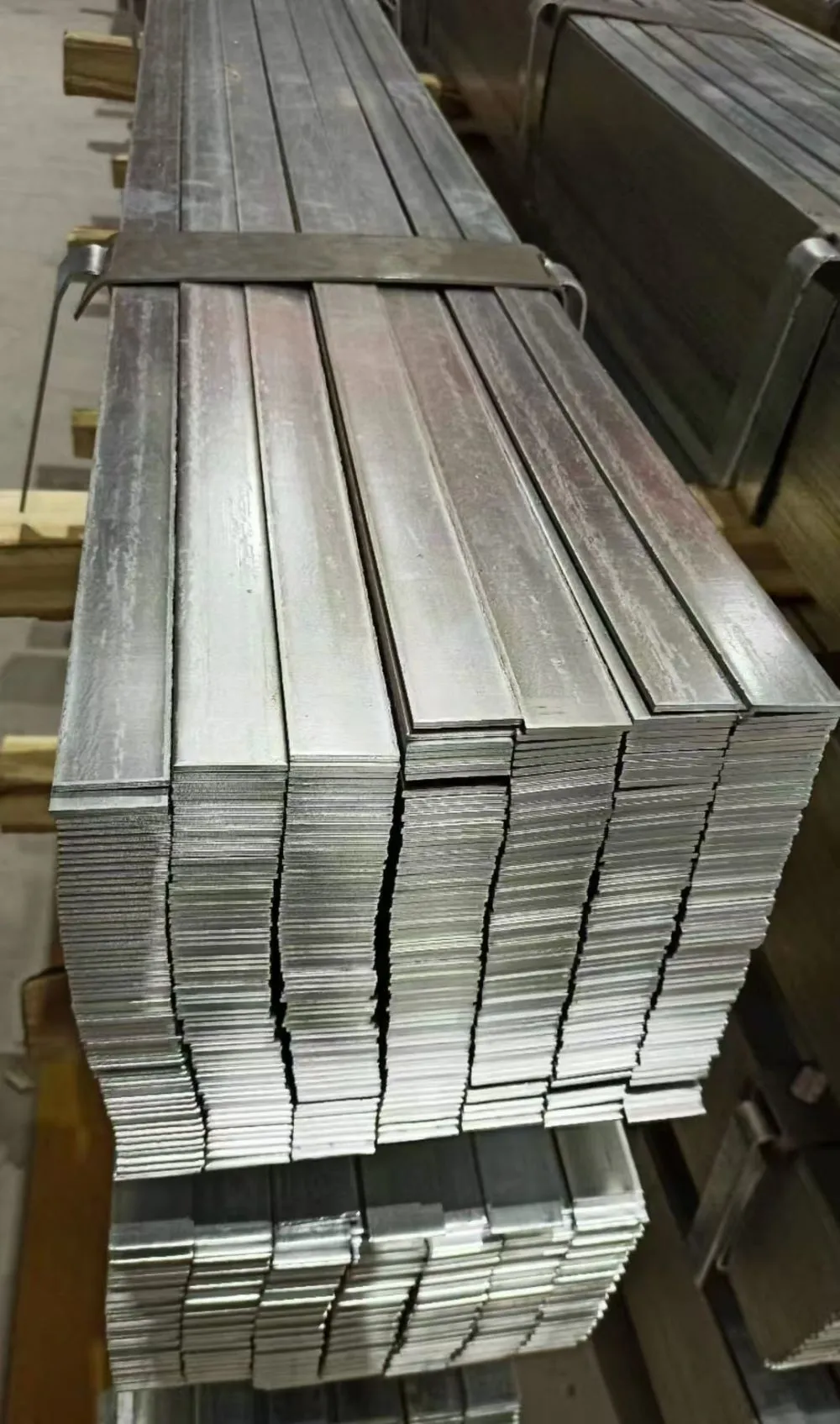
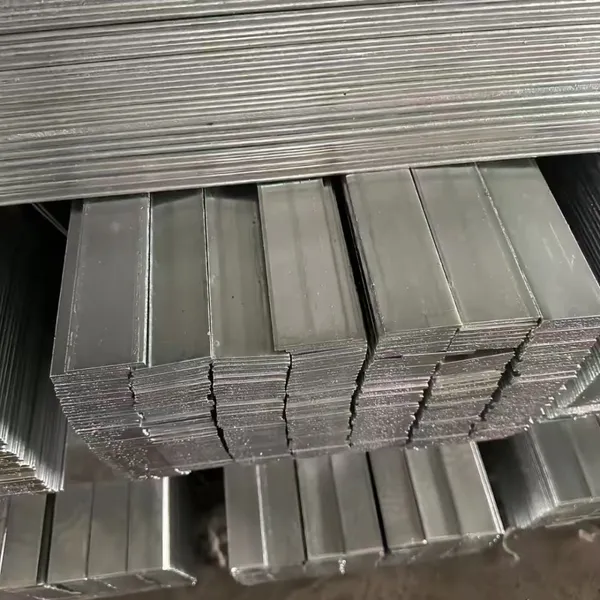
Flat steel is a long rectangular steel profile with flat surface, uniform thickness and straight vertical edges. Flat steel is manufactured from premium steel billet through professional high-temperature hot rolling, straightening, edge trimming and surface finishing processes. Every qualified flat steel features neat flat steel edge lines, smooth flat steel surface, uniform flat steel thickness and dense internal metallographic structure of flat steel. Standard flat steel has no flat steel bending deformation, no flat steel surface cracks, no flat steel pits and no internal impurities. Flat steel possesses outstanding flat steel weldability, stable flat steel bending performance and excellent flat steel machinability. Flat steel can be freely cut, welded, bent, punched and drilled, bringing extremely high flexibility for secondary processing. According to different production processes and surface treatments, flat steel includes hot rolled flat steel, cold drawn flat steel and galvanized flat steel, fully meeting diverse industrial and outdoor usage demands of flat steel.
Main Types of Flat Steel and Professional Features of Each Flat Steel
The global flat steel market contains multiple mainstream flat steel categories, and each flat steel type is designed for specific structural and processing requirements.
1. Hot Rolled Flat Steel
Hot rolled flat steel is the most mainstream and cost-effective flat steel in industrial procurement. Hot rolled flat steel is formed by continuous high-temperature rolling, featuring strong hot rolled flat steel toughness, stable hot rolled flat steel plasticity and uniform hot rolled flat steel internal structure. Hot rolled flat steel has excellent processing adaptability and stable mechanical performance. Hot rolled flat steel is widely used for structural frame parts, mechanical processing blanks, construction embedded parts and general engineering steel components. Due to reliable quality and affordable price, hot rolled flat steel occupies the largest market share of bulk flat steel trading.
2. Cold Drawn Flat Steel
Cold drawn flat steel is high-precision finished flat steel processed by multi-pass cold drawing and fine trimming. Cold drawn flat steel achieves ultra-tight dimensional tolerance, super smooth surface and perfect straight edge verticality. Compared with hot rolled flat steel, cold drawn flat steel has higher flatness accuracy and fewer processing allowances. Cold drawn flat steel requires no secondary grinding, greatly improving production efficiency for precision machinery parts and high-standard assembly components. Cold drawn flat steel is widely adopted in precision equipment manufacturing and customized mechanical processing projects.
3. Galvanized Flat Steel
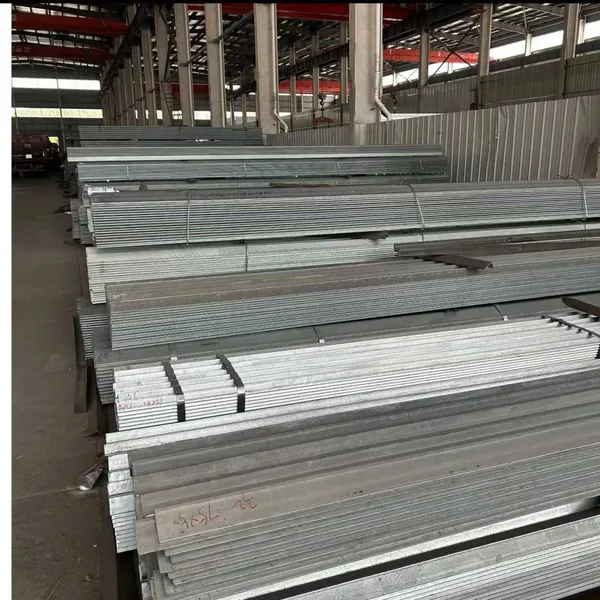
Galvanized flat steel is anti-corrosion upgraded flat steel treated with hot-dip galvanizing technology. A dense and uniform zinc coating fully covers the entire surface and edges of galvanized flat steel. The zinc layer effectively isolates air, moisture and salt fog, preventing oxidation and rusting of galvanized flat steel. Galvanized flat steel greatly extends service life in humid, coastal and open-air environments. Galvanized flat steel is commonly used for outdoor structural supports, municipal engineering components, photovoltaic system accessories and long-term exposed flat steel structural parts.
4. Carbon Flat Steel
Carbon flat steel is universal standard flat steel for most industrial and construction applications. Common grades Q235B carbon flat steel, Q195 carbon flat steel and Q355 carbon flat steel feature balanced ductility, stable weldability and moderate hardness. Carbon flat steel is easy to process, weld and deform, fully satisfying conventional structural fabrication and hardware blank production demands. Carbon flat steel is the most cost-effective flat steel for large-scale industrial procurement.
5. Alloy Flat Steel
Alloy flat steel is high-strength enhanced flat steel with optimized alloy composition. Alloy flat steel has higher tensile strength, better wear resistance and stronger impact toughness than ordinary carbon flat steel. Alloy flat steel maintains stable mechanical performance under heavy-load and high-friction working conditions. Alloy flat steel is widely used for heavy machinery structural parts, high-pressure equipment components and high-strength industrial flat steel applications.
Complete Standard Specifications of Industrial Flat Steel
We supply full-range flat steel specifications covering small-size flat steel, medium-size flat steel and large-size flat steel. The width of flat steel ranges from 12mm to 200mm, and flat steel thickness ranges from 3mm to 20mm. Standard flat steel lengths are 6m, 9m and 12m. Custom cut-to-length flat steel and customized size flat steel processing are available to meet personalized engineering and manufacturing requirements of global flat steel buyers.
All finished flat steel maintains straight flat steel bar body, uniform flat steel thickness, parallel flat steel edges and flawless flat steel surface. Strict quality inspection ensures zero flat steel distortion, zero flat steel edge burrs, zero flat steel surface defects and stable dimensional consistency of every flat steel batch. Complete flat steel size series supports one-stop bulk flat steel procurement for metal processing enterprises and construction engineering companies.
Core Performance Advantages of High-Quality Flat Steel
Premium flat steel integrates multiple superior mechanical advantages that make flat steel irreplaceable in structural manufacturing. Firstly, flat steel features excellent flatness and straightness, ensuring precise assembly and stable structural installation. Secondly, flat steel has outstanding weldability and bending ductility, adapting to various complex processing techniques without cracking or deformation. Thirdly, flat steel owns uniform internal structure and stable batch performance, guaranteeing consistent quality of finished products processed from flat steel.
Different flat steel types complement each other in industrial usage: hot rolled flat steel provides low-cost mass supply for general engineering; cold drawn flat steel supports high-precision mechanical manufacturing; galvanized flat steel solves outdoor anti-corrosion problems; carbon flat steel meets universal structural demands; alloy flat steel satisfies high-strength heavy-load working scenarios, forming a complete flat steel product system for global steel industry applications.
Wide Industrial Applications of Flat Steel
Flat steel is widely applied in construction engineering, machinery manufacturing, hardware processing, municipal engineering and new energy industries worldwide.
In construction engineering, hot rolled carbon flat steel is used for building structural supports, wall reinforcement parts, embedded fixing components and steel frame auxiliary structures. Flat steel improves overall building stability and structural firmness.
In machinery manufacturing industry, cold drawn flat steel and alloy flat steel serve as mechanical base plates, equipment support parts, fixture blanks and automation equipment structural components. High-precision flat steel ensures assembly accuracy and mechanical operating stability.
In hardware processing industry, standard flat steel is processed into hardware accessories, connecting plates, fastener blanks and metal structural fittings. Stable ductility of flat steel improves finished product yield rate and processing efficiency.
In municipal and new energy engineering, galvanized flat steel is widely used for photovoltaic bracket accessories, outdoor facility fixing parts, municipal guardrail components and landscape engineering structural parts. The anti-corrosion performance of galvanized flat steel ensures long-term service life of outdoor structures.
Professional Flat Steel Export Supply and Delivery Service
We are a professional flat steel manufacturer and exporter with abundant flat steel spot inventory and complete flat steel product series. All flat steel strictly complies with GB, ASTM, EN and JIS international steel standards. Each batch of flat steel is equipped with complete chemical composition reports and mechanical performance test certificates. We support customized flat steel cutting, flat steel galvanizing and personalized flat steel processing services for global clients.
All flat steel products adopt standard seaworthy export packaging, tightly bundled with high-strength steel strips and wrapped with waterproof film and kraft paper. Professional packaging effectively prevents flat steel surface scratching, flat steel rusting and flat steel deformation during long-distance ocean transportation. All in-stock flat steel can be shipped within 5–7 days. Goods are delivered from Shanghai Port, Qingdao Port and Tianjin Port. We provide long-term stable bulk flat steel supply for global steel distributors, construction contractors and metal processing factories, ensuring smooth customs clearance and project quality acceptance.
Final Summary
Flat steel is an essential and cost-effective structural steel profile in the global steel industry. Diversified flat steel types, complete flat steel specifications and stable flat steel mechanical performance enable flat steel to cover construction, machinery, hardware and municipal engineering fields. Our high-quality flat steel products and professional export services continue to gain recognition and long-term cooperation from global flat steel purchasers.
Recently Posted
-
Precision Steel Tube: High Precision Cold Rolled & Cold Drawn Tube for Industrial Manufacturing
July 24, 2026Precision Steel Tube: High Precision Cold Rolled & Cold Drawn Tube for Industrial Manufacturing In modern high-end indust Read More
 -
Steel Wire: Types, Specifications, Performance & Global Industrial Applications
July 24, 2026Steel wire, also named carbon steel wire, galvanized steel wire, binding steel wire, cold drawn steel wire, is a thin metal steel Read More
 -
Steel Coil: Types, Specifications, Performance & Industrial Applications
July 24, 2026Steel Coil, also known as steel coil strip, carbon steel coil, hot rolled steel coil and industrial steel coil, is a continuously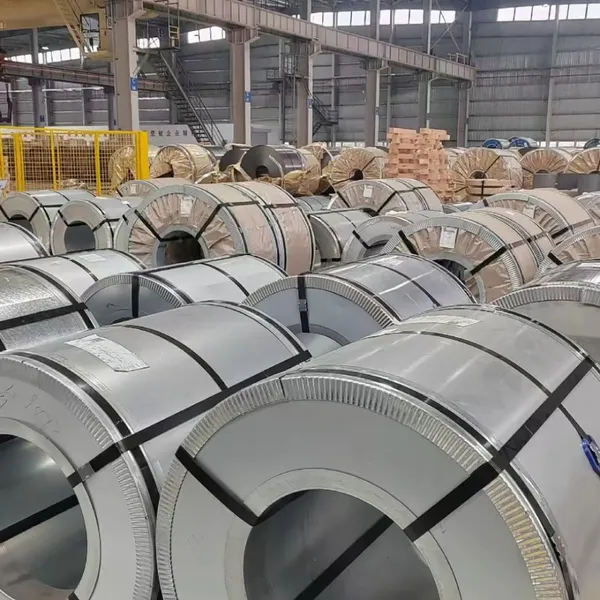 Read More
 -
Triangle Steel: Types, Specifications, Performance & Industrial Applications
July 24, 2026Triangle Steel, universally known as Angle Steel, L-shaped steel and hot rolled triangle steel, is a classic L-shaped structural s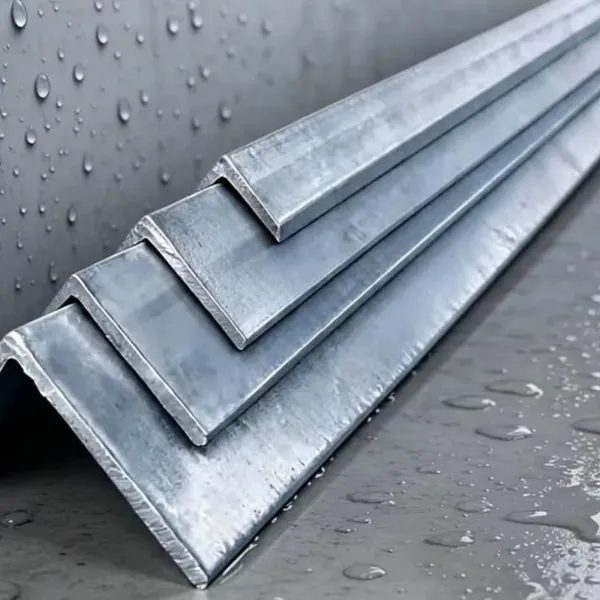 Read More

Contact Us

Recommended Products
-
 Iron Wire&Galvanized Iron Wire,GB/T 343, ASTM A853, JIS G 3532, EN 10264,Q195, Q235NegotiableMOQ: 5 Metric Tons
 -
Rebar&Steel Rebar&Hot Rolled Rebar,HRB400, HRB500, HRBF400, HRBF500, B500B, B500C, Grade 60, Grade 75NegotiableMOQ: 5 Metric Tons
-
Steel Pipe & Tube&Seamless Steel Pipe,Q235B, Q355B, 10#, 20#, 16Mn, L245, L360, SS330, SS400, A53 Gr.BNegotiableMOQ: 5 Metric Tons
-
Alloy Steel Plate& Steel Sheet & Plate,GB/T 3077, ASTM A204, ASTM A387, EN 10028, JIS G4105NegotiableMOQ: 5 Metric Tons
-
Hot-dip Galvanized Steel Pipe&Steel Pipe & Tube,Q195, Q215, Q235B, Q355B, API 5L Gr.BNegotiableMOQ: 5 Metric Tons
-
Galvanized Iron Wire&Steel Wire,NegotiableMOQ: 5 Kilograms
-
Insulated Steel Pipe&Insulated Seamless Steel Pipe,RoHS, REACH, UL 94, VDE, IEC, GB/T 7113NegotiableMOQ: 5 Metric Tons
-
Steel Angle&Angle Bar,Q235B, Q355B, S235JR, S355JR, A36, SS400NegotiableMOQ: 5 Metric Tons
-
Steel Rebar&Deformed Steel Bar,HRB400、HRB400E、HRB500、HRB500E、Grade 40、Grade 60NegotiableMOQ: 5 Metric Tons
-
Steel Coil & Strip&Cold Rolled Steel Coil,Q195, Q215, Q235B, Q355B, SPCC, SPHC, DC01, DC04NegotiableMOQ: 5 Metric Tons
-
Hot-dip Galvanized Square Tubes&Steel Pipe & Tube,Q195, Q215, Q235B, Q355B, API 5L Gr.BNegotiableMOQ: 5 Metric Tons
-
Steel Rebar&Deformed Steel Bar,HRB400、HRB400E、HRB500、HRB500E、Grade 40、Grade 60NegotiableMOQ: 5 Metric Tons
-
Galvanized Flat Bar&Flat Steel,GB/T 704, GB/T 13912, ASTM A123, JIS G3302NegotiableMOQ: 5 Metric Tons
-
Steel H Beam&H Beam ,Q235B, Q355B, S235JR, S235J0, S235J2, S355JR, S355J0, S355J2, A36, A572 Grade 50, A992NegotiableMOQ: 10 Metric Tons
-
Carbon Steel Pipe&Seamless Steel Pipe, A53 Gr.B, API 5L Gr.B, Q235B, Q355B, 10#, 20#NegotiableMOQ: 5 Metric Tons
-
Steel Rebar&Deformed Steel Bar,HRB400、HRB400E、HRB500、HRB500E、Grade 40、Grade 60NegotiableMOQ: 5 Metric Tons
-
Insulated Pipe&Pre-insulated Pipe,RoHS, REACH, UL 94, VDE, IEC, GB/T 7113NegotiableMOQ: 5 Metric Tons
-
Steel Angle&Galvanized Angle Steel,Q235B, Q355B, S235JR, S355JR, A36, A572 Gr50NegotiableMOQ: 10 Metric Tons
-
Ship Plate&Normal-Strength Ship Plates, A, B, D, E, AH32, DH32, EH32, AH36, DH36, EH36NegotiableMOQ: 5 Metric Tons
-
Steel Wire&Galvanized Steel Wire,Q195, Q235, 45#, 55#, 60#, 65#, 70#, 72A, 82BNegotiableMOQ: 5 Metric Tons