
 Business License
Flat Steel: Types, Industrial Applications and Quality Selection Guide
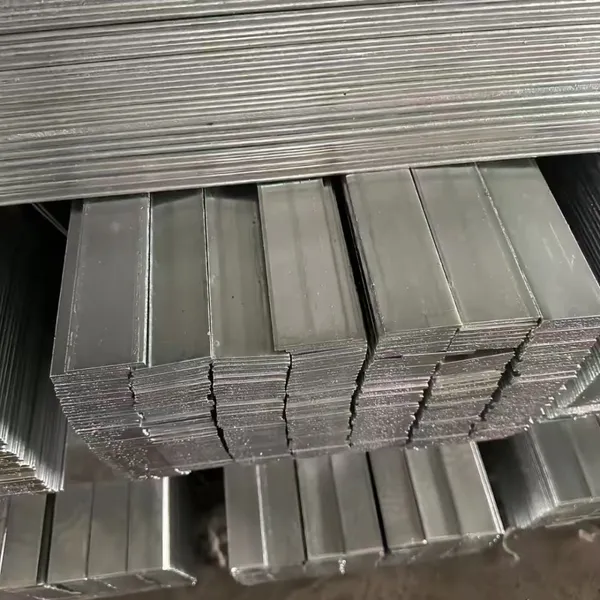
Flat steel is a fundamental flat-shaped steel material with a rectangular cross-section, widely recognized and applied in global industrial manufacturing, architectural construction, and mechanical processing. As one of the most practical profile steel products,flat steel features flat surface, uniform thickness, stable structural performance and easy processing characteristics. High-quality flat steel can be freely cut, bent, welded and forged, making it an essential base material for various engineering projects and mechanical product production. The reliable physical properties of flat steel ensure the stability and durability of finished structures and industrial components.
Industrial flat steel is a high-standard customized version of flat steel, specially developed for heavy-duty industrial and professional engineering scenarios. Different from ordinary civilian flat steel, industrial flat steel is manufactured through precise hot rolling and cold finishing processes, with strictly controlled dimensional accuracy, flatness and surface quality. Professional industrial flat steel boasts high tensile strength, excellent pressure resistance and strong structural stability, which can adapt to long-term heavy load operation and complex harsh working environments. Complete specifications of industrial flat steel fully meet the standardized production and construction requirements of machinery manufacturing, steel structure engineering and municipal infrastructure.
Carbon flat steel is the most popular and cost-effective type of flat steel in the international steel market, occupying the mainstream market share of flat steel applications. Made of high-quality carbon steel raw materials, carbon flat steel has outstanding weldability, ductility and machinability, with stable chemical composition and mechanical properties. Standard carbon flat steel has no impurities on the surface, uniform texture and excellent bearing capacity, which is not easy to deform or crack during processing and use. With affordable price and reliable quality, carbon flat steel has become the preferred material for most conventional construction and industrial processing scenarios.
Flat steel has extremely extensive application coverage in multiple core industries. In the construction industry, high-strength industrial flat steel and durable carbon flat steel are widely used for building steel frames, structural supports, wall keels and foundation reinforcement parts, effectively improving the overall structural stability and seismic performance of buildings. In steel structure engineering, standardized flat steel is processed into connecting accessories, bracket components and structural load-bearing parts, ensuring the firm connection and safe operation of the entire steel structure.
In the mechanical manufacturing industry, precision-processed flat steel is an important raw material for producing mechanical bases, equipment brackets, tool accessories and conveyor components. High-toughness carbon flat steel can be processed into various mechanical parts after bending, drilling and welding, meeting the assembly and operation requirements of industrial equipment. In addition, anti-rust treated industrial flat steel is also commonly used in automobile manufacturing, ship auxiliary structures, pipeline engineering and hardware product processing, with strong environmental adaptability and long service life.
Reasonable selection and quality inspection of flat steel are crucial to project quality and product service life. Qualifiedindustrial flat steel and carbon flat steel feature smooth and flat surface, no cracks, burrs, rust spots or deformation, with accurate thickness and width dimensions. High-quality flat steel has stable yield strength and tensile strength, which can withstand mechanical processing and long-term load use without structural damage. Formal flat steel manufacturers strictly implement international production standards, conduct comprehensive quality inspection on each batch of carbon flat steel and industrial flat steel, and can provide customized cutting, finishing and packaging services to meet diverse customer needs.
In conclusion, flat steel is an indispensable basic profile steel in modern industrial and construction fields. High-performance industrial flat steel and cost-effective carbon flat steel have won wide market recognition due to their stable quality, complete specifications and strong processability. With the continuous development of industrial upgrading and construction engineering, high-quality flat steel will continue to provide solid and reliable material support for global infrastructure construction and mechanical manufacturing industry.
Recently Posted
-
Structural Steel H Beam | High-Strength H Steel for Building and Bridge Engineering
August 5, 2026In modern construction engineering, bridge construction, high-rise building frame manufacturing, large factory steel structure eng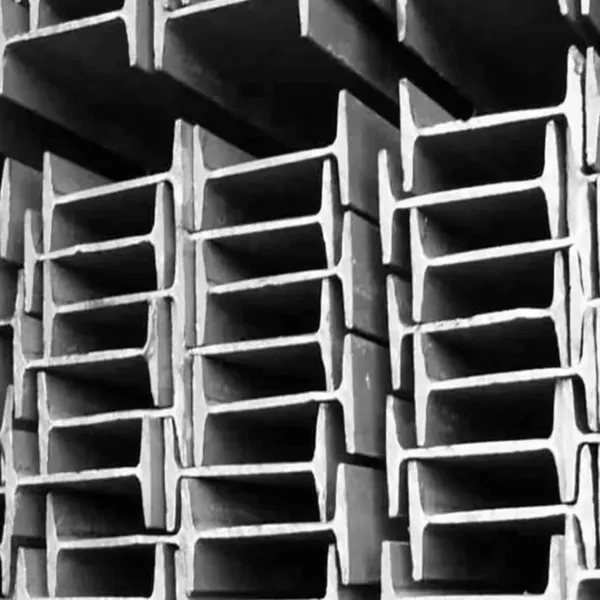 Read More
 -
Angle Steel: Essential Section Steel for Structural Reinforcement and Steel Structure Construction
August 5, 2026In various engineering projects such as building infrastructure, steel structure engineering, equipment manufacturing, municipal s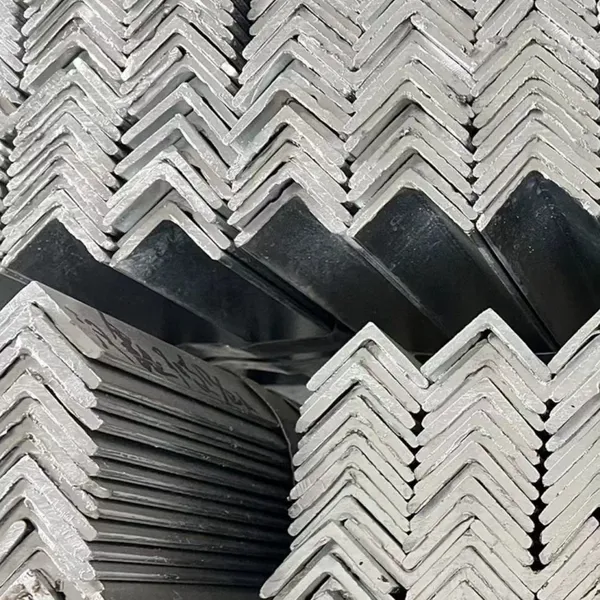 Read More
 -
Hot Dip Galvanized Steel Pipe: Features, Benefits and Industrial Applications
August 1, 2026Hot Dip Galvanized Steel Pipe is one of the most popular and durable metal piping materials widely adopted in global municipal con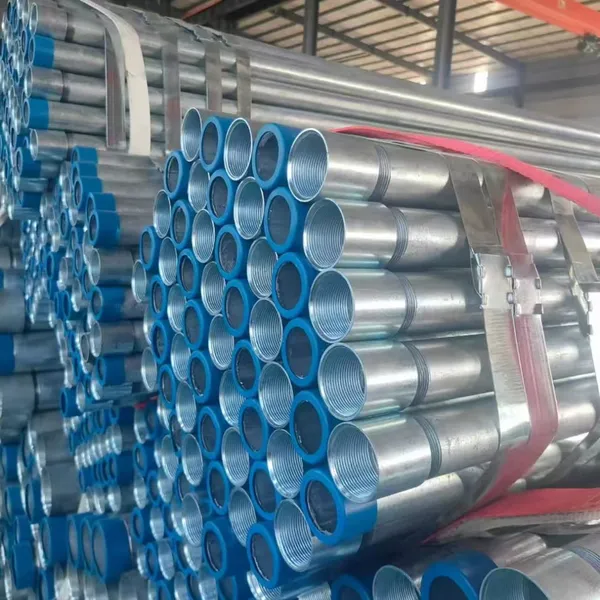 Read More
 -
Carbon Steel Pipe: Key Properties, Types and Industrial Application Benefits
August 1, 2026Carbon steel pipe is one of the most essential and widely used metal pipeline materials in global industrial engineering, municipa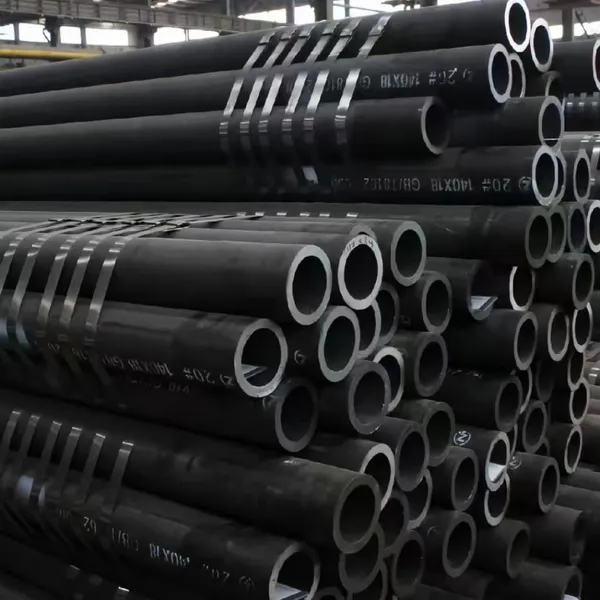 Read More

Contact Us

Recommended Products
-
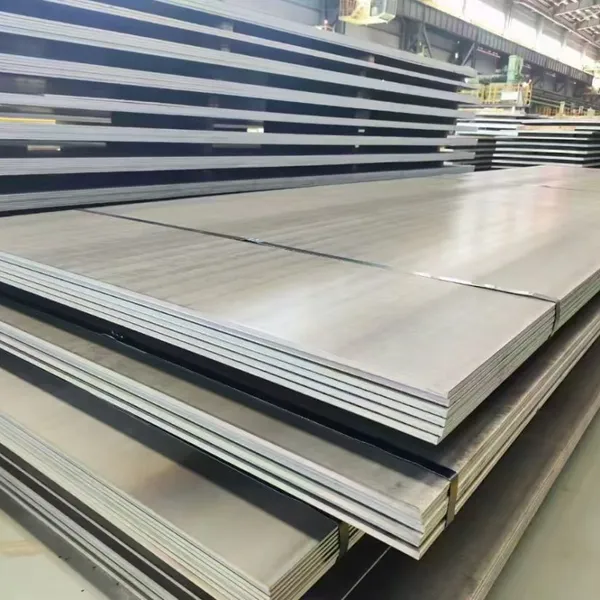
 Steel Sheet & Plate & Boiler Plate,EN 10028、ASTM A516 Gr60/70、P265GH、P355GHNegotiableMOQ: 5 Metric Tons
 -
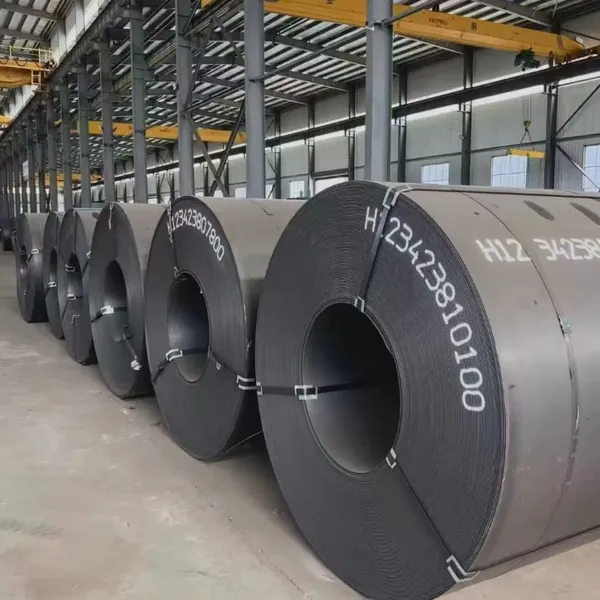
Steel Coil & Strip & Hot Rolled Steel Coil,Q235B、SS400、A36、S235JR、SPHC、SPHD、Q355B/C/D、S355JR、S355J0NegotiableMOQ: 5 Metric Tons
-
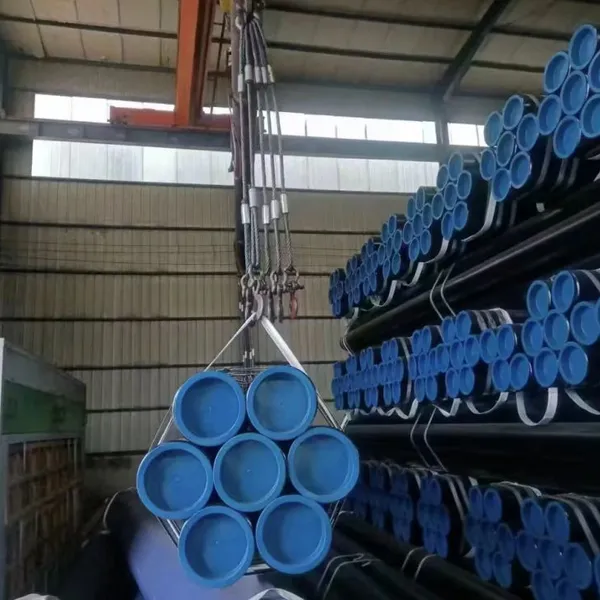
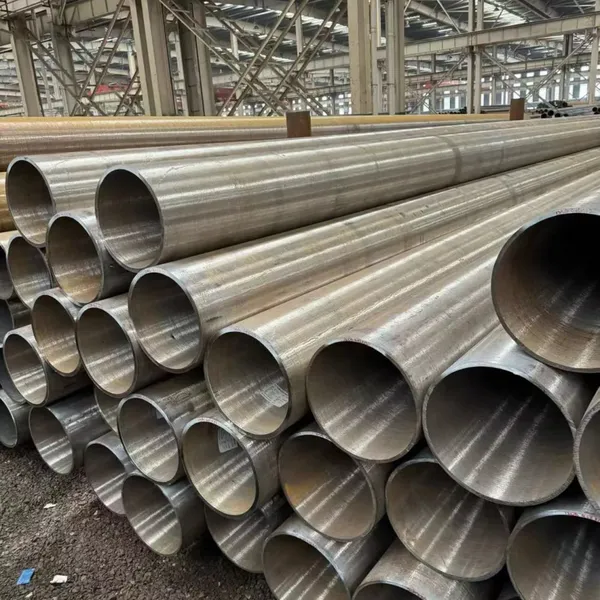
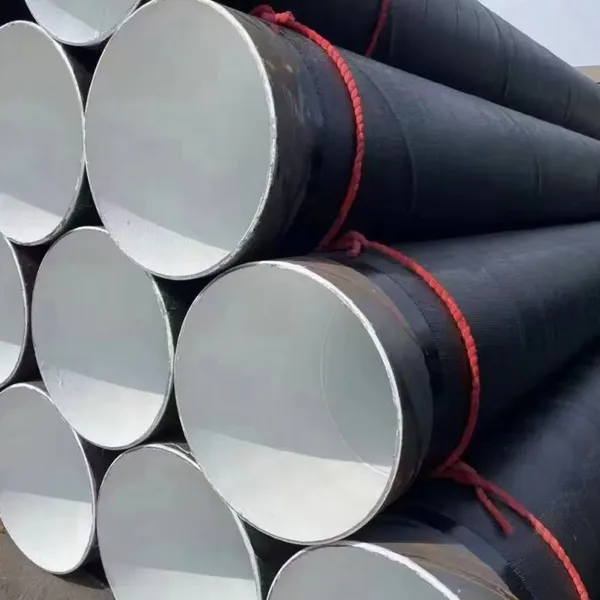
Steel Pipe & Tube & Oil Country Tubular Goods,API 5L Gr.B、X42、X52、X60、X65、X70、X80、E75、X95、G105、S135NegotiableMOQ: 5 Metric Tons
-
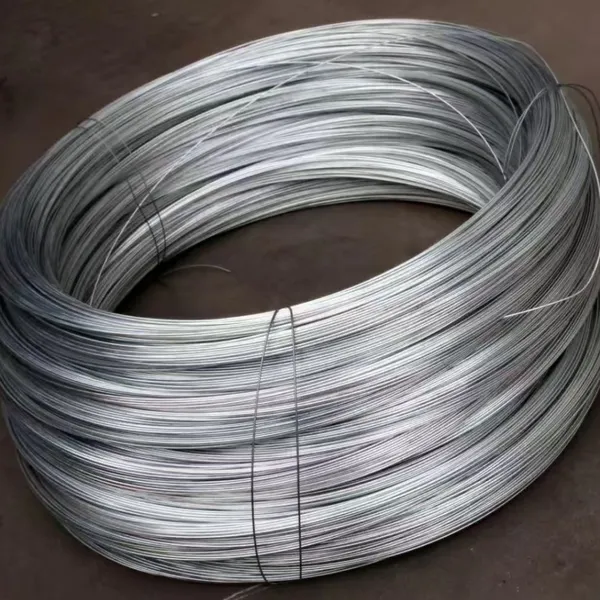
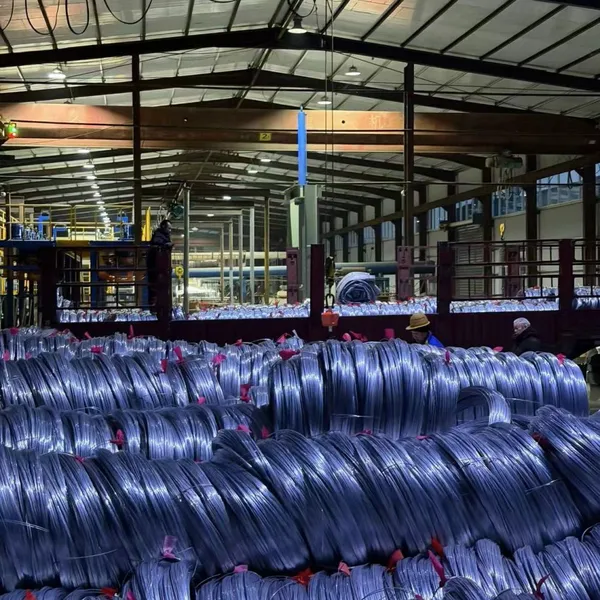
Iron Wire&Galvanized Iron Wire,GB/T 343, ASTM A853, JIS G 3532, EN 10264,Q195, Q235NegotiableMOQ: 5 Metric Tons
-
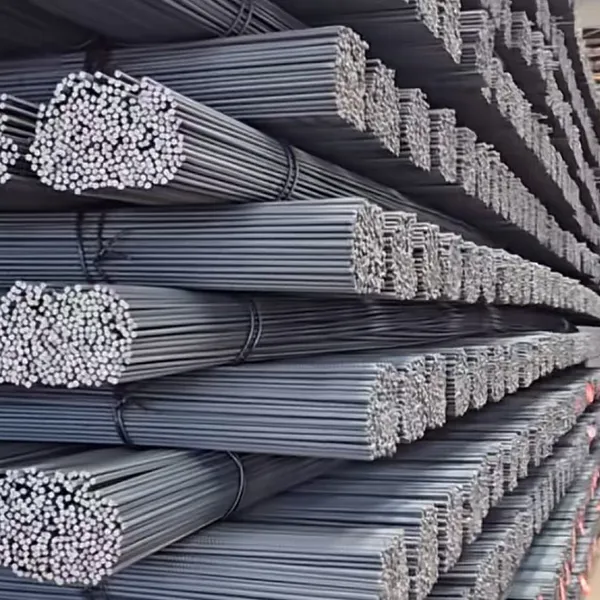
Rebar&Steel Rebar&Hot Rolled Rebar,HRB400, HRB500, HRBF400, HRBF500, B500B, B500C, Grade 60, Grade 75NegotiableMOQ: 5 Metric Tons
-
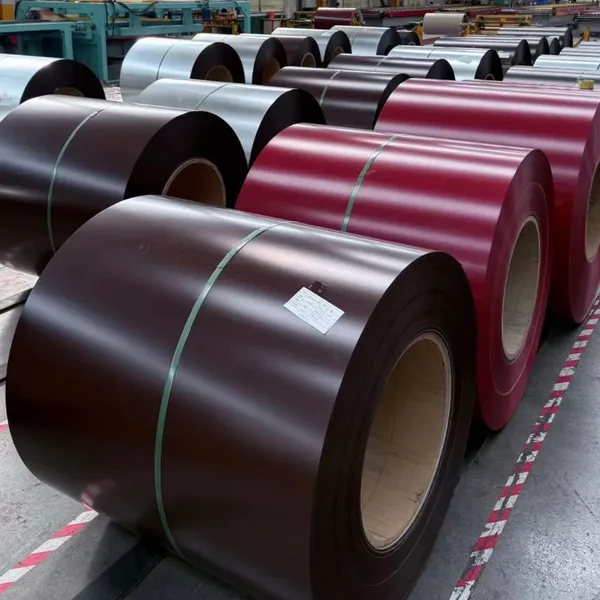
Steel Coil & Strip & Color Coated Steel Coil,PE, SMP, HDP, PVDFNegotiableMOQ: 5 Metric Tons
-
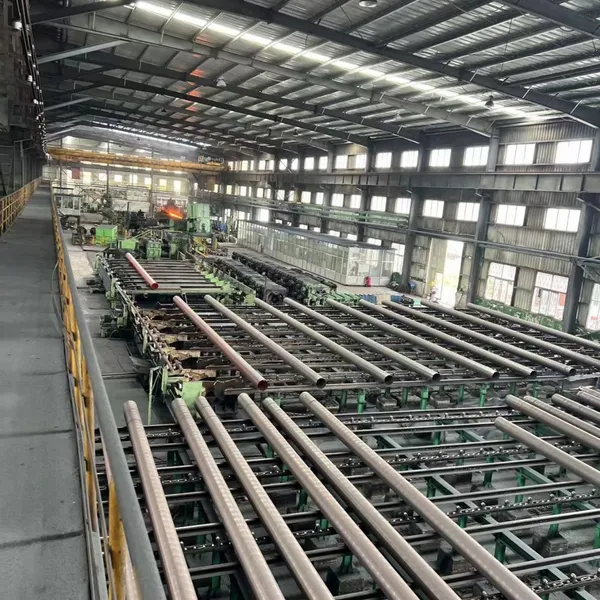
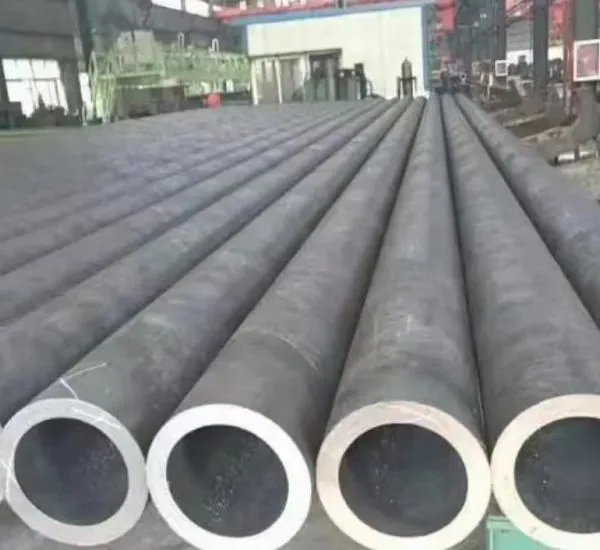
Seamless Steel Pipe& Steel Pipe & Tube,Q235B, Q355B, 20#, 45#, 16Mn, API 5L Gr.B, X42, X46, X52, X56, X60, X65, X70NegotiableMOQ: 5 Metric Tons
-
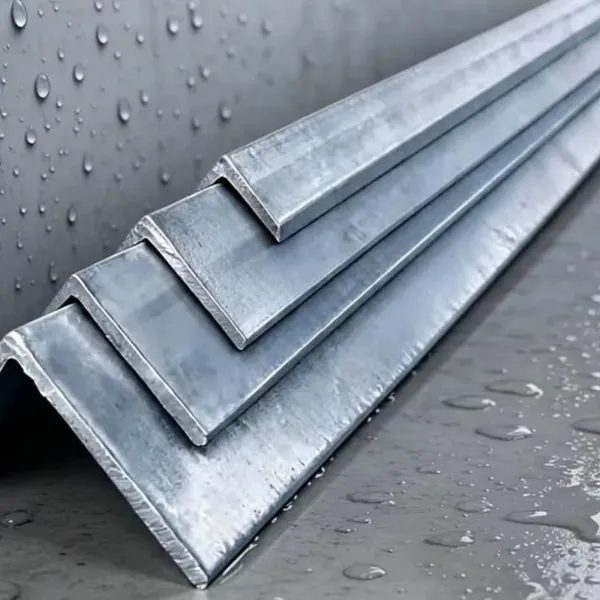
Angle Steel & Angle Bar,ASTM A36, JIS G3101, EN S235JR/S355JR, SS400NegotiableMOQ: 5 Metric Tons
-
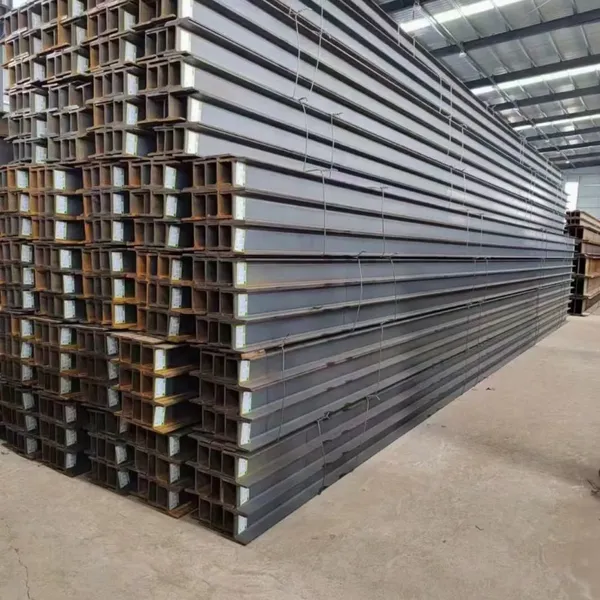
Steel H Beam&H Beam ,Q235B, Q355B, S235JR, S235J0, S235J2, S355JR, S355J0, S355J2, A36, A572 Grade 50, A992NegotiableMOQ: 10 Metric Tons
-
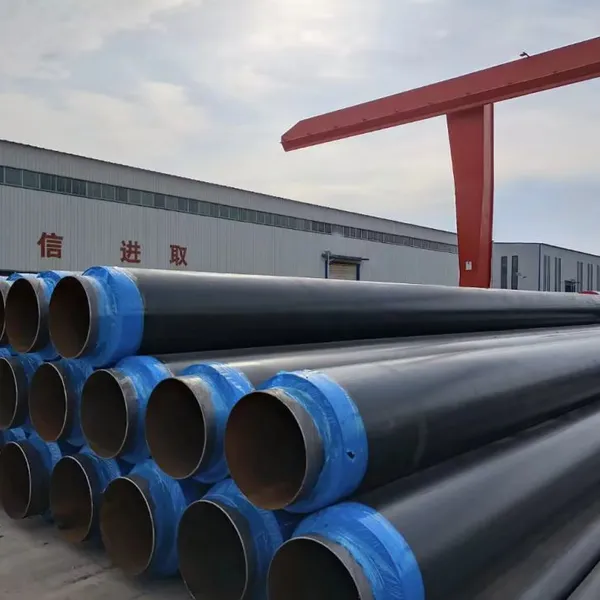
Insulated Steel Pipe&Insulated Seamless Steel Pipe,RoHS, REACH, UL 94, VDE, IEC, GB/T 7113NegotiableMOQ: 5 Metric Tons
-
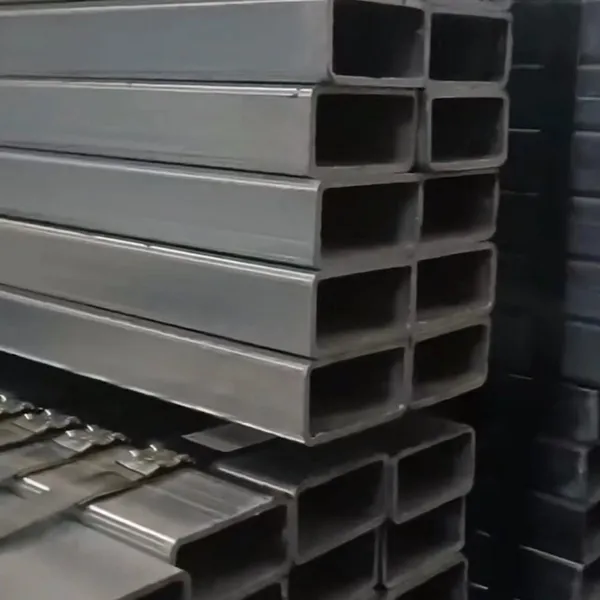
Hot-dip Galvanized Square Tubes&Steel Pipe & Tube,Q195, Q215, Q235B, Q355B, API 5L Gr.BNegotiableMOQ: 5 Metric Tons
-
Steel Pipe & Tube & High Pressure Boiler Tube,ASTM A213 (T Series)、ASTM A335 (P Series)、ASME SA213、SA335、EN 10216-2NegotiableMOQ: 5 Metric Tons
-
Steel Pipe & Tube & High Pressure Boiler Tube,38、42、48、51、57、60、76、89、108、133、159、168、194、219NegotiableMOQ: 5 Metric Tons
-
Insulated Pipe&Pre-insulated Pipe,RoHS, REACH, UL 94, VDE, IEC, GB/T 7113NegotiableMOQ: 5 Metric Tons
-
Steel Wire&Galvanized Steel Wire,Q195, Q235, 45#, 55#, 60#, 65#, 70#, 72A, 82BNegotiableMOQ: 5 Metric Tons
-
Steel Coil & Strip & Color Coated Steel Coil,TDC51D+Z、TS250GD+Z、TDC51D+AZ、TS350GD+AZ、TDC51D+ZM、SPCC、DC01NegotiableMOQ: 5 Metric Tons
-
Steel Pipe & Tube & Hot-Dip Galvanizing,Q195、Q215B、Q235BNegotiableMOQ: 5 Metric Tons
-
Steel Coil & Strip & Hot Rolled Coil,Q195、Q215、Q235B、Q255、Q345B、Q355B、Q420、Q460、SS400、SPHC、SPHD、SPHENegotiableMOQ: 5 Metric Tons
-
Steel Rebar & Deformed Steel Bar,HRB400、HRB400E、HRB500、HRB500ENegotiableMOQ: 5 Metric Tons
-
Galvanized Flat Bar&Flat Steel,GB/T 704, GB/T 13912, ASTM A123, JIS G3302NegotiableMOQ: 5 Metric Tons