
 Business License
Steel Pipe: Core Advantages, Classifications and Industrial Application Guide
A high-quality steel pipe has always been the core infrastructure material for global industrial construction, municipal engineering, energy transportation and mechanical manufacturing. As a versatile and high-performance metal pipeline product, steel pipe stands out among various pipeline materials due to its superior mechanical properties, stable durability and wide adaptability. In modern industrial development and urban construction, the demand for steel pipe continues to grow steadily, making it an indispensable basic material in the engineering field.
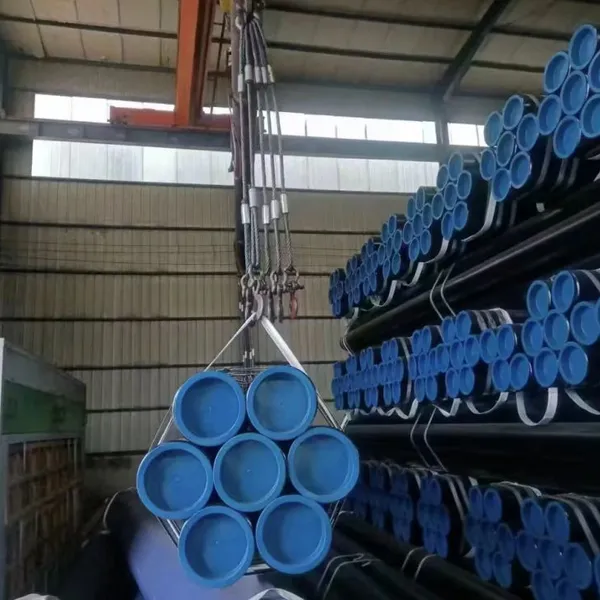
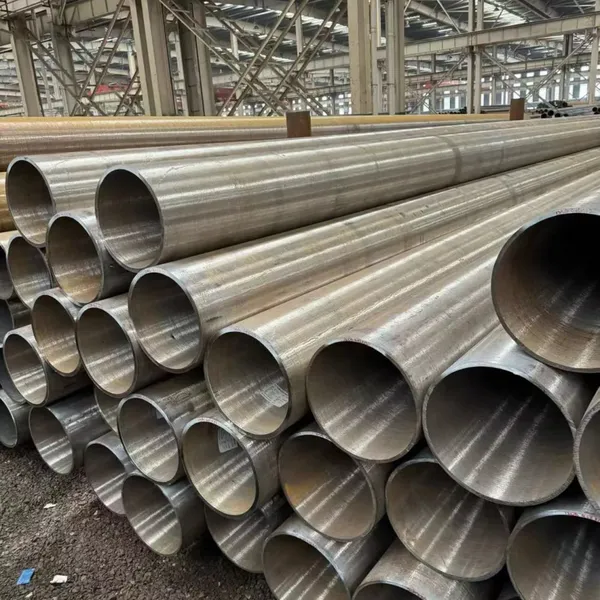
Carbon steel pipe is the most mainstream type of industrial steel pipe in the global market, occupying more than 70% of the total steel pipe application share. Different from alloy pipes and stainless steel pipes, carbon steel pipe adopts low-cost and high-purity carbon steel raw materials, with excellent compressive resistance, tensile strength and structural stability. This kind of industrial steel pipe can adapt to extreme working environments such as high pressure, low temperature and strong friction, and is widely used in oil and gas transmission, water conservancy engineering, building structural supports and pipeline laying for mechanical equipment.
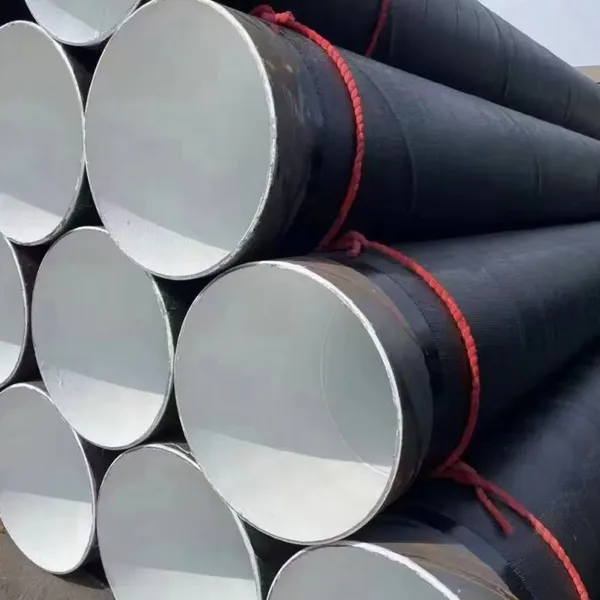
The outstanding advantages of steel pipe determine its irreplaceable status in industrial projects. First of all, steel pipe has ultra-high durability and wear resistance. Qualified industrial steel pipe products undergo strict hot rolling, cold drawing and anti-corrosion treatment, which can effectively resist atmospheric corrosion, water erosion and mechanical impact, greatly extending the service life of the pipeline system. Secondly, carbon steel pipe has excellent processing and installation performance. It can be cut, welded, bent and processed into various specifications to meet the customized needs of different engineering scenarios, greatly improving the construction efficiency of pipeline projects.
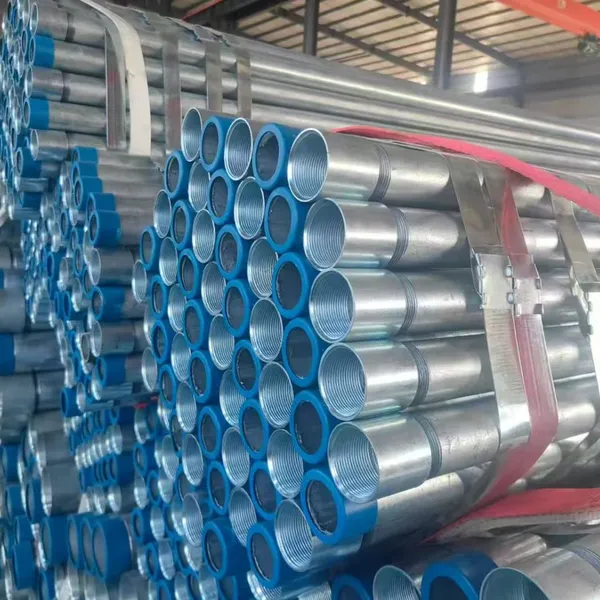
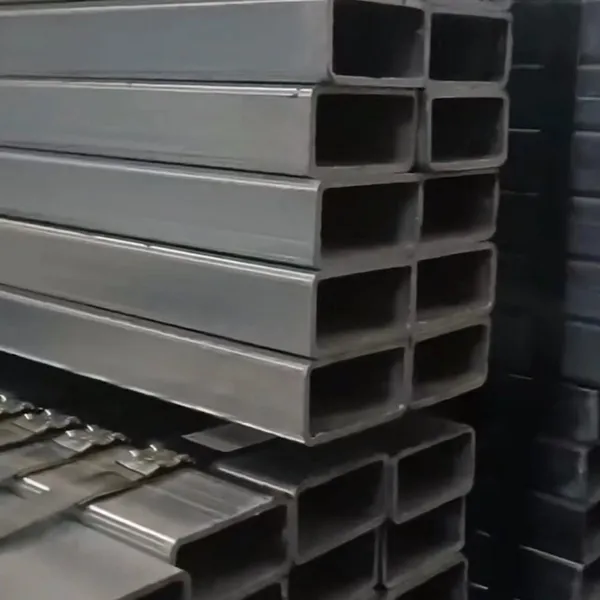
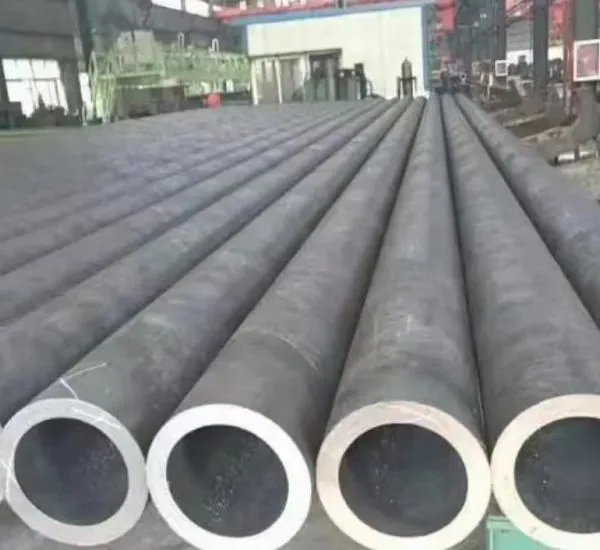
In terms of application scenarios, industrial steel pipe covers almost all heavy industrial and civil construction fields. In the energy industry, thick-walled carbon steel pipe is used for long-distance transmission of crude oil, natural gas and thermal water, ensuring the safe and stable operation of energy pipelines. In the construction industry, seamless steel pipe is applied to building steel structures, bridge supports and foundation engineering, relying on its high strength to bear heavy structural loads. In municipal engineering, galvanized steel pipe is widely used in urban water supply, drainage and fire protection pipeline systems, with reliable anti-rust and anti-leakage performance.
When purchasing steel pipe products, engineering purchasers and project managers need to focus on key indicators such as pipe wall thickness, material grade, processing technology and anti-corrosion standards. High-quality carbon steel pipe strictly implements international standards such as ASTM, GB and API, with uniform pipe wall thickness, smooth inner and outer walls, and no trachoma or cracks, which can effectively avoid pipeline leakage, deformation and damage during long-term use. Regular manufacturers’ industrial steel pipe products have complete quality inspection reports, ensuring compliance with the construction standards of various industrial and municipal projects.
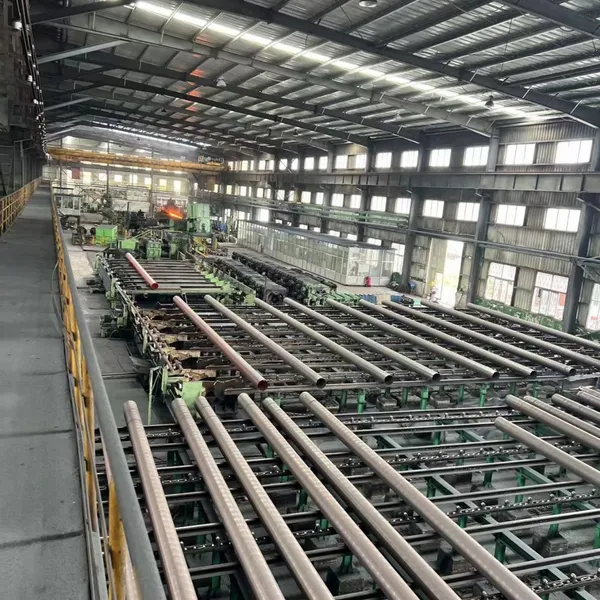
With the continuous upgrading of global industrial manufacturing and infrastructure construction, the production technology of steel pipe is also constantly innovating. Modern carbon steel pipe production adopts automated production lines, which not only improves the dimensional accuracy and surface quality of industrial steel pipe, but also realizes better cost control. While ensuring high performance, high-qualitysteel pipe products have higher cost-effectiveness, becoming the first choice for most engineering pipeline projects.
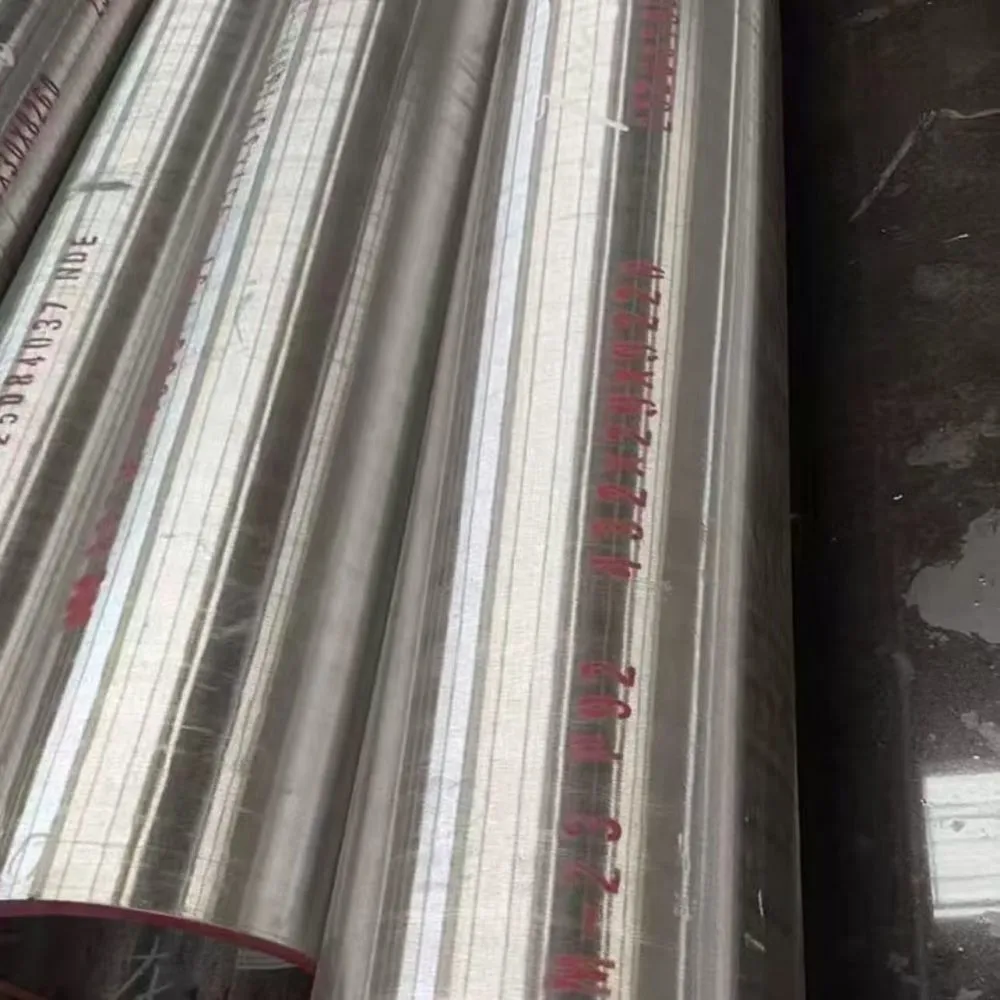
In conclusion, steel pipe, especially high-performance carbon steel pipe, is the core basic material of modern industrial infrastructure. With its superior mechanical performance, diverse specifications and wide application range, professional industrial steel pipe products continue to support the steady development of global engineering construction, energy transportation and industrial manufacturing industries, and will maintain strong market demand and application value in the future.
Recently Posted
-
Structural Steel H Beam | High-Strength H Steel for Building and Bridge Engineering
August 5, 2026In modern construction engineering, bridge construction, high-rise building frame manufacturing, large factory steel structure eng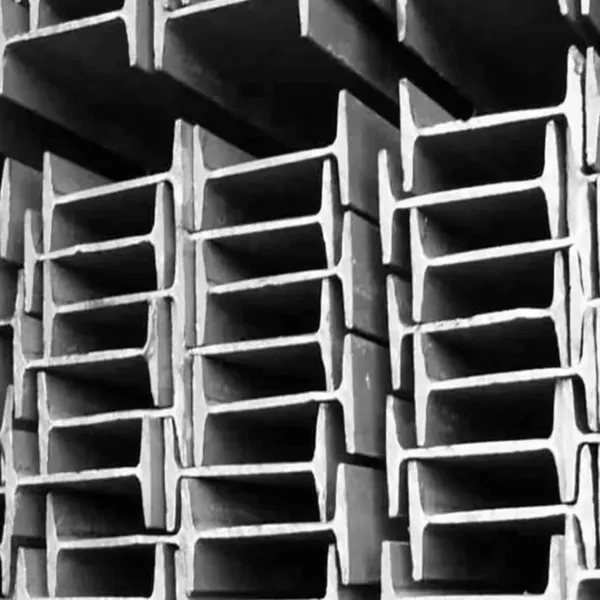 Read More
 -
Angle Steel: Essential Section Steel for Structural Reinforcement and Steel Structure Construction
August 5, 2026In various engineering projects such as building infrastructure, steel structure engineering, equipment manufacturing, municipal s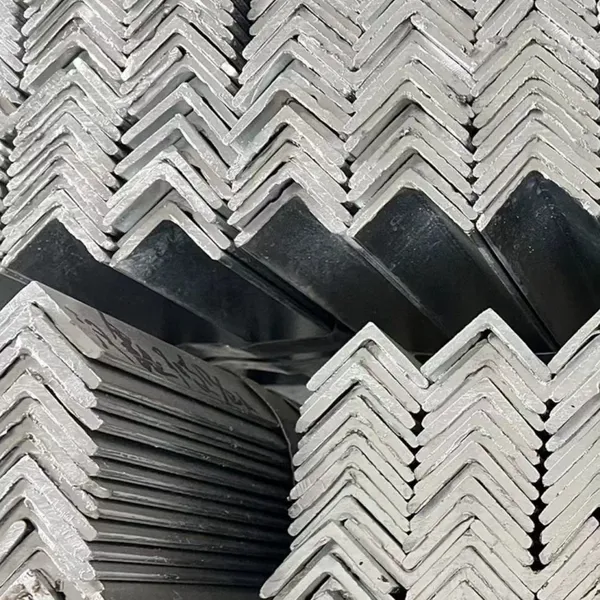 Read More
 -
Hot Dip Galvanized Steel Pipe: Features, Benefits and Industrial Applications
August 1, 2026Hot Dip Galvanized Steel Pipe is one of the most popular and durable metal piping materials widely adopted in global municipal con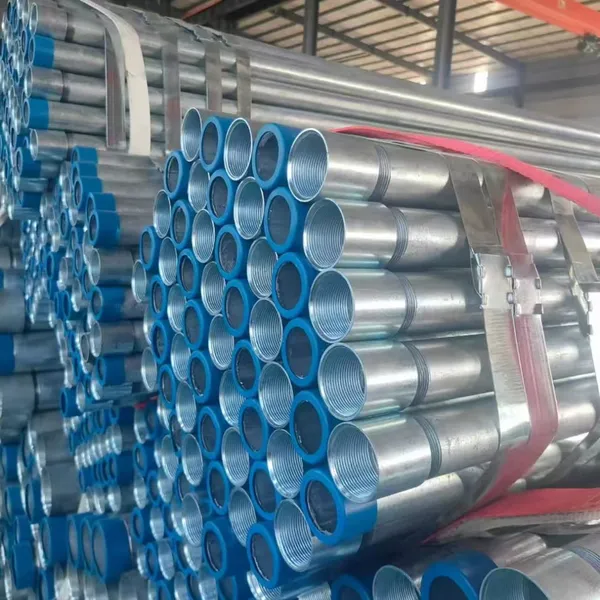 Read More
 -
Carbon Steel Pipe: Key Properties, Types and Industrial Application Benefits
August 1, 2026Carbon steel pipe is one of the most essential and widely used metal pipeline materials in global industrial engineering, municipa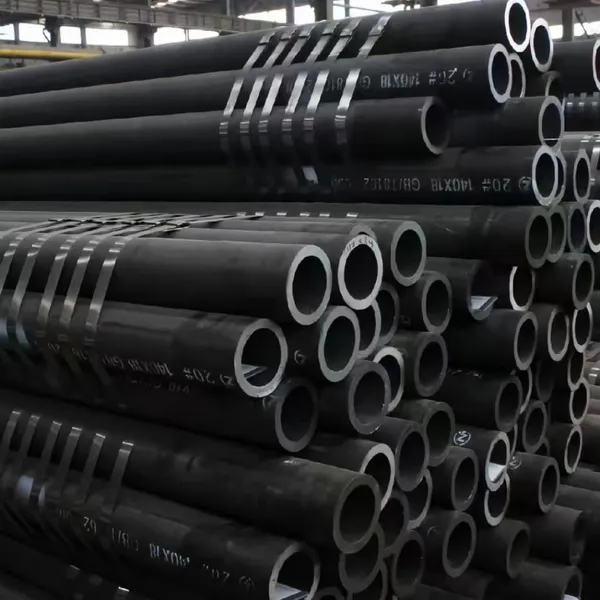 Read More

Contact Us

Recommended Products
-
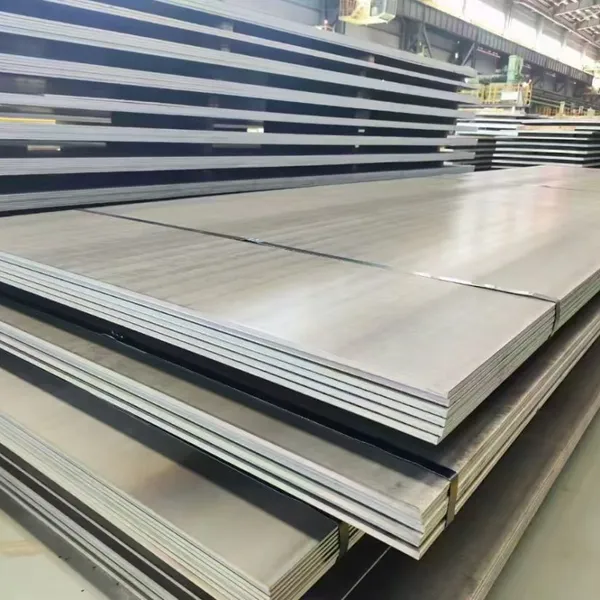
 Steel Sheet & Plate & Boiler Plate,EN 10028、ASTM A516 Gr60/70、P265GH、P355GHNegotiableMOQ: 5 Metric Tons
 -
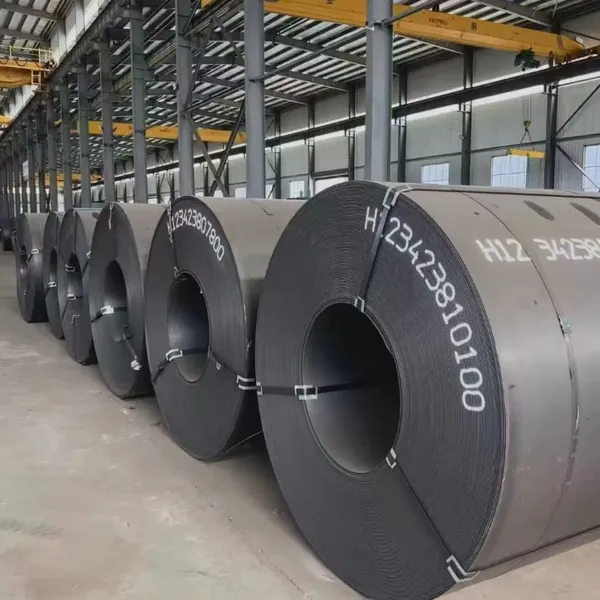
Steel Coil & Strip & Hot Rolled Steel Coil,Q235B、SS400、A36、S235JR、SPHC、SPHD、Q355B/C/D、S355JR、S355J0NegotiableMOQ: 5 Metric Tons
-
Steel Pipe & Tube & Oil Country Tubular Goods,API 5L Gr.B、X42、X52、X60、X65、X70、X80、E75、X95、G105、S135NegotiableMOQ: 5 Metric Tons
-
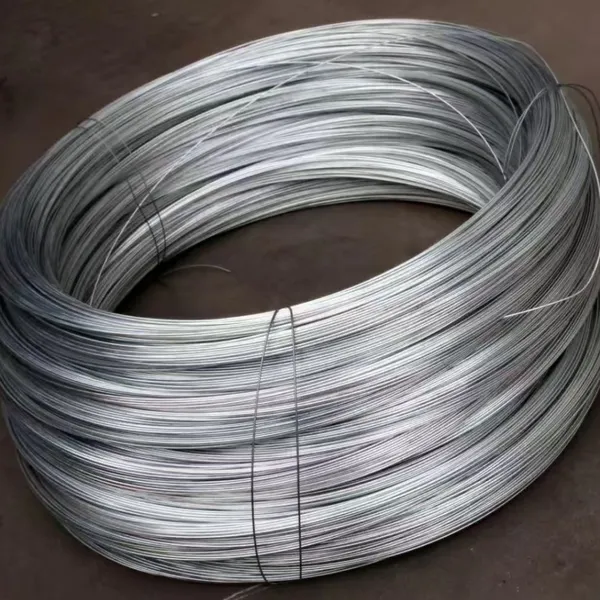
Iron Wire&Galvanized Iron Wire,GB/T 343, ASTM A853, JIS G 3532, EN 10264,Q195, Q235NegotiableMOQ: 5 Metric Tons
-
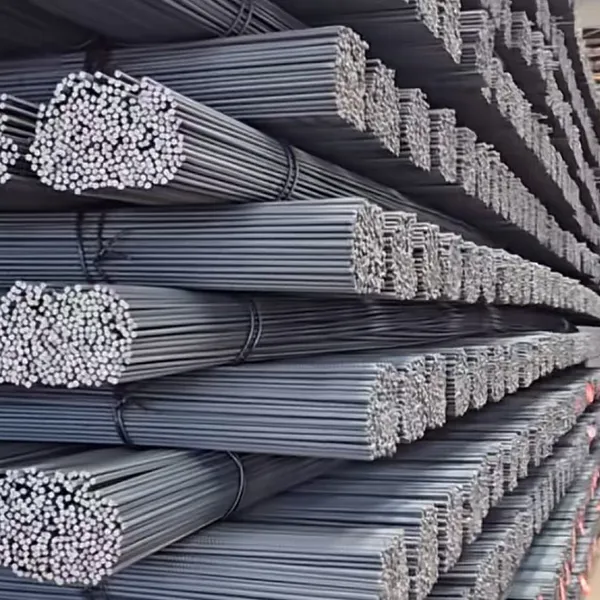
Rebar&Steel Rebar&Hot Rolled Rebar,HRB400, HRB500, HRBF400, HRBF500, B500B, B500C, Grade 60, Grade 75NegotiableMOQ: 5 Metric Tons
-
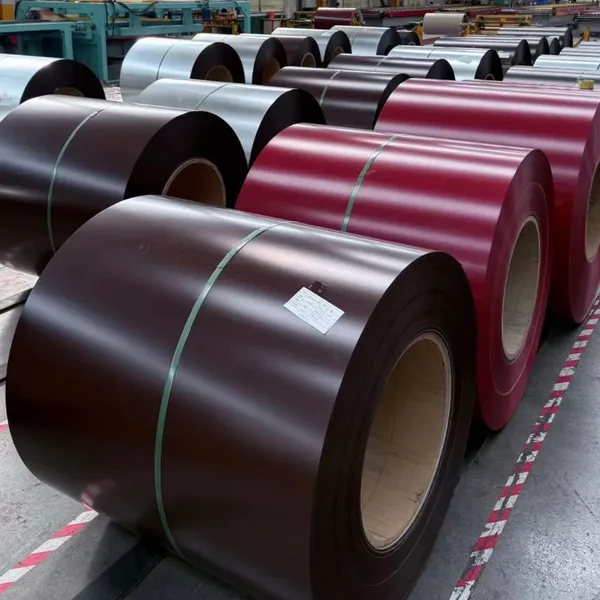
Steel Coil & Strip & Color Coated Steel Coil,PE, SMP, HDP, PVDFNegotiableMOQ: 5 Metric Tons
-
Seamless Steel Pipe& Steel Pipe & Tube,Q235B, Q355B, 20#, 45#, 16Mn, API 5L Gr.B, X42, X46, X52, X56, X60, X65, X70NegotiableMOQ: 5 Metric Tons
-
Angle Steel & Angle Bar,ASTM A36, JIS G3101, EN S235JR/S355JR, SS400NegotiableMOQ: 5 Metric Tons
-
Steel H Beam&H Beam ,Q235B, Q355B, S235JR, S235J0, S235J2, S355JR, S355J0, S355J2, A36, A572 Grade 50, A992NegotiableMOQ: 10 Metric Tons
-
Insulated Steel Pipe&Insulated Seamless Steel Pipe,RoHS, REACH, UL 94, VDE, IEC, GB/T 7113NegotiableMOQ: 5 Metric Tons
-
Hot-dip Galvanized Square Tubes&Steel Pipe & Tube,Q195, Q215, Q235B, Q355B, API 5L Gr.BNegotiableMOQ: 5 Metric Tons
-
Steel Pipe & Tube & High Pressure Boiler Tube,ASTM A213 (T Series)、ASTM A335 (P Series)、ASME SA213、SA335、EN 10216-2NegotiableMOQ: 5 Metric Tons
-
Steel Pipe & Tube & High Pressure Boiler Tube,38、42、48、51、57、60、76、89、108、133、159、168、194、219NegotiableMOQ: 5 Metric Tons
-
Insulated Pipe&Pre-insulated Pipe,RoHS, REACH, UL 94, VDE, IEC, GB/T 7113NegotiableMOQ: 5 Metric Tons
-
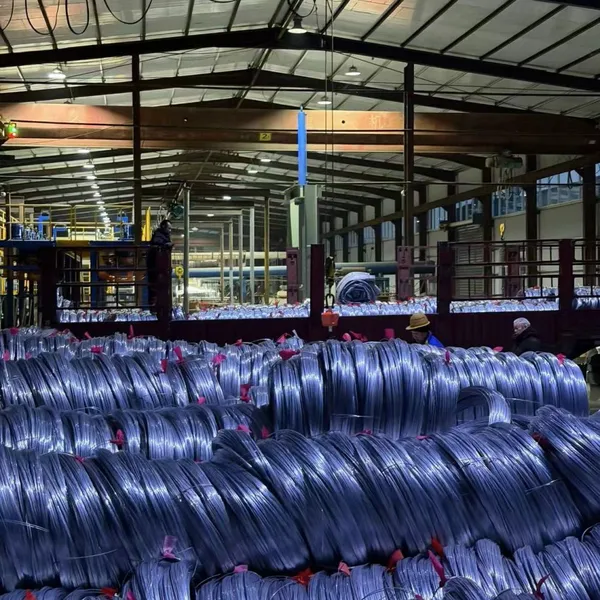
Steel Wire&Galvanized Steel Wire,Q195, Q235, 45#, 55#, 60#, 65#, 70#, 72A, 82BNegotiableMOQ: 5 Metric Tons
-
Steel Coil & Strip & Color Coated Steel Coil,TDC51D+Z、TS250GD+Z、TDC51D+AZ、TS350GD+AZ、TDC51D+ZM、SPCC、DC01NegotiableMOQ: 5 Metric Tons
-
Steel Pipe & Tube & Hot-Dip Galvanizing,Q195、Q215B、Q235BNegotiableMOQ: 5 Metric Tons
-
Steel Coil & Strip & Hot Rolled Coil,Q195、Q215、Q235B、Q255、Q345B、Q355B、Q420、Q460、SS400、SPHC、SPHD、SPHENegotiableMOQ: 5 Metric Tons
-
Steel Rebar & Deformed Steel Bar,HRB400、HRB400E、HRB500、HRB500ENegotiableMOQ: 5 Metric Tons
-
Galvanized Flat Bar&Flat Steel,GB/T 704, GB/T 13912, ASTM A123, JIS G3302NegotiableMOQ: 5 Metric Tons