
 Business License
Angle Steel: Performance Advantages, Classifications and Industrial Application Guide
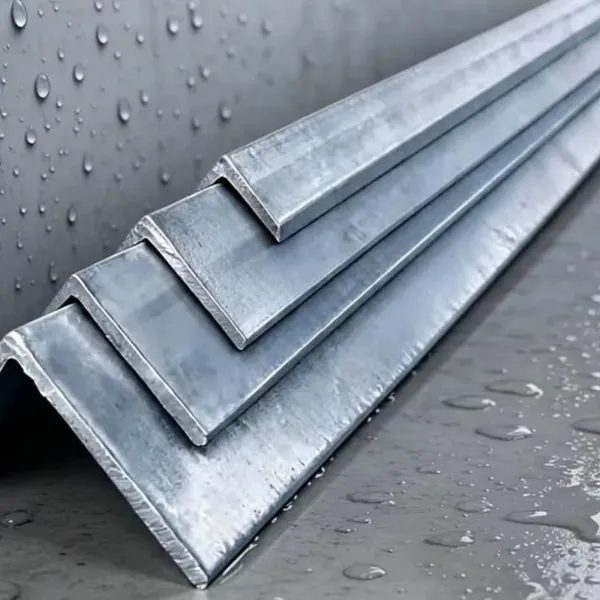
Angle steel, commonly known as angle iron, is a classic and indispensable hot-rolled structural steel material widely used in global construction, industrial manufacturing and municipal engineering. Featuring a unique L-shaped cross-section, angle steel provides excellent structural support and connection performance for various engineering projects. As a basic profiled steel product, angle steel has stable mechanical properties, flexible specifications and outstanding weldability, making angle steel the preferred structural material for frame fabrication, component fixing and building reinforcement in numerous industrial scenarios.
Carbon angle steel is the most mainstream, cost-effective and widely applied type of industrial angle steel in the international steel market. Different from stainless angle steel and alloy angle steel, carbon angle steel adopts high-purity carbon steel raw materials, with reliable hardness, superior tensile strength and excellent ductility. Standard carbon angle steel is manufactured through professional hot rolling, cooling and straightening processes, with precise angle symmetry, smooth surface and uniform wall thickness. These stable physical properties allow industrial angle steel to support cutting, welding, bending and punching processing, fully adapting to diversified industrial production needs.
High-quality industrial angle steel boasts unique structural advantages that make it irreplaceable in structural engineering. Firstly, the special L-shaped structure ofangle steel can disperse structural pressure evenly, providing strong load-bearing capacity and anti-deformation performance for building frames and mechanical supports. Secondly, qualified carbon angle steel features excellent structural stability and seismic resistance, which can withstand long-term static load and dynamic impact in complex working environments. In addition, surface-treatedangle steel has good anti-corrosion and anti-rust properties, effectively prolonging the service life of industrial angle steel in outdoor, humid and corrosive working conditions.
Angle steel has extremely wide application coverage, covering construction engineering, mechanical manufacturing, municipal facilities, transportation and energy industries. In the construction industry, various specifications of carbon angle steel are widely used for building steel frames, wall support structures, roof truss fabrication and construction auxiliary reinforcement. Industrial angle steel effectively enhances the overall stability and firmness of building structures, which is essential for residential buildings, industrial factories and large-scale warehouse construction projects.
In mechanical manufacturing and equipment production, high-precision angle steel serves as a core raw material for manufacturing equipment supports, mechanical frames, fixed brackets and transmission auxiliary components. The stable size and reliable strength of carbon angle steel ensure the assembly precision and operational stability of mechanical equipment. In the hardware processing industry, standardized industrial angle steel is deeply processed into various metal accessories, fixing parts and structural brackets, which are widely used in industrial production and daily engineering construction.
In municipal and traffic engineering, high-toughness angle steel is an important material for urban guardrail frames, bridge auxiliary supports, tunnel structural reinforcement and road facility fixing. Durable carbon angle steel can adapt to long-term outdoor exposure, resisting wind erosion, rainwater corrosion and mechanical vibration. Meanwhile, customized-sizeindustrial angle steel can meet the personalized structural design and construction requirements of different large-scale engineering projects.
In energy and petrochemical engineering, high-strength angle steel is used for equipment support frames, pipeline fixing brackets and plant structural reinforcement. The stable mechanical performance of carbon angle steel ensures the safe and stable operation of energy equipment and pipeline systems in high-pressure and complex industrial environments. Its excellent adaptability makes industrial angle steel a key supporting material in the energy industry construction field.
Professional procurement and quality inspection are critical to selecting qualified angle steel products. Premium carbon angle steel strictly complies with international standards such as ASTM, EN and GB, with accurate dimension tolerance, neat angle structure, and no surface cracks, burrs, rust or deformation defects. Each batch of qualifiedindustrial angle steel will undergo strict tensile testing, bending testing and chemical composition detection to ensure stable mechanical indicators. Standardized angle steel products can fully meet the high-quality requirements of various industrial manufacturing and engineering construction projects.
With the continuous innovation of global steel rolling technology, the production process of angle steel has been continuously optimized and upgraded. Modern automated rolling and straightening production lines greatly improve the dimensional accuracy, surface flatness and structural stability of carbon angle steel. Advanced production technologies reduce material waste and processing errors, further improving the overall quality of industrial angle steel. With stable performance and competitive pricing, high-quality angle steel maintains strong market competitiveness in the global steel trade market.
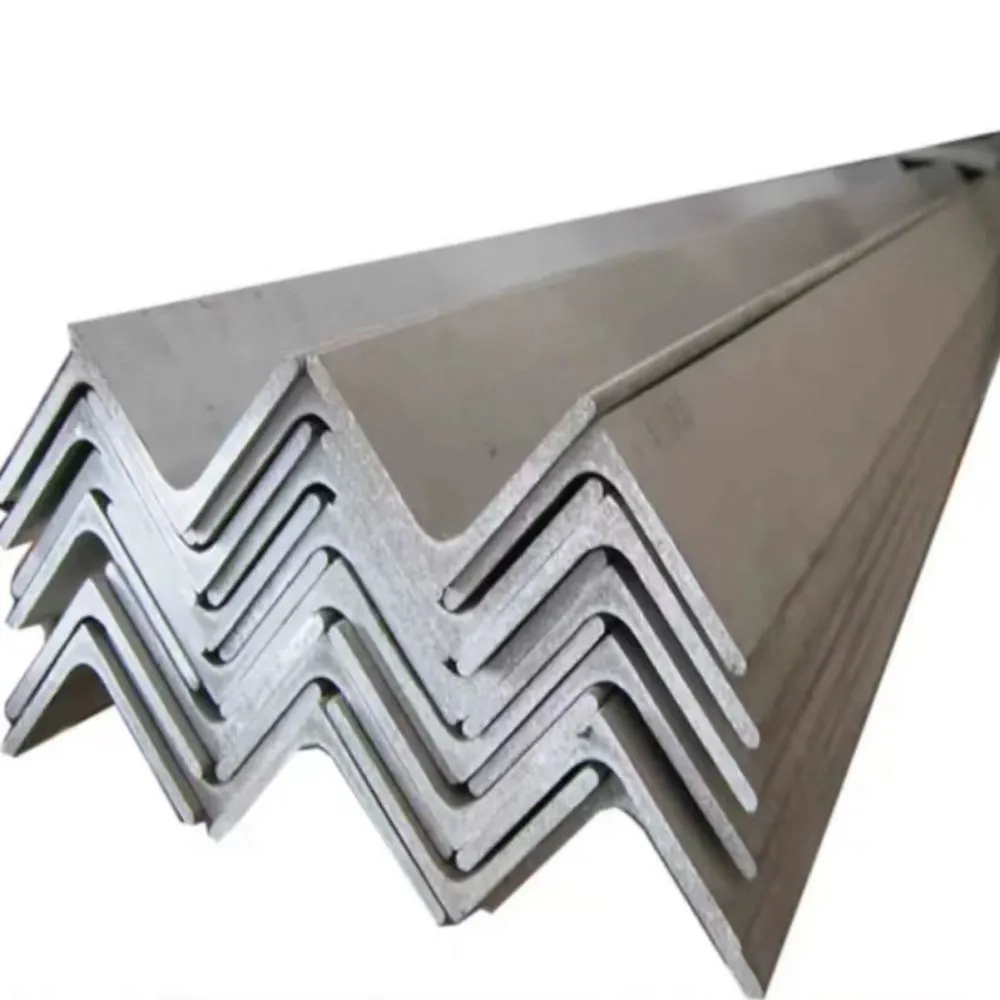
In summary, angle steel is a vital basic structural steel material for modern industrial and construction development. As the mainstream product of angle steel series,carbon angle steel provides solid structural support for multiple downstream industries. High-performance industrial angle steel with diverse specifications, excellent processability and high cost performance maintains stable and huge global market demand. In the future infrastructure construction and industrial upgrading, angle steel will continue to play an indispensable core role.
Recently Posted
-
Structural Steel H Beam | High-Strength H Steel for Building and Bridge Engineering
August 5, 2026In modern construction engineering, bridge construction, high-rise building frame manufacturing, large factory steel structure eng Read More
 -
Angle Steel: Essential Section Steel for Structural Reinforcement and Steel Structure Construction
August 5, 2026In various engineering projects such as building infrastructure, steel structure engineering, equipment manufacturing, municipal s Read More
 -
Hot Dip Galvanized Steel Pipe: Features, Benefits and Industrial Applications
August 1, 2026Hot Dip Galvanized Steel Pipe is one of the most popular and durable metal piping materials widely adopted in global municipal con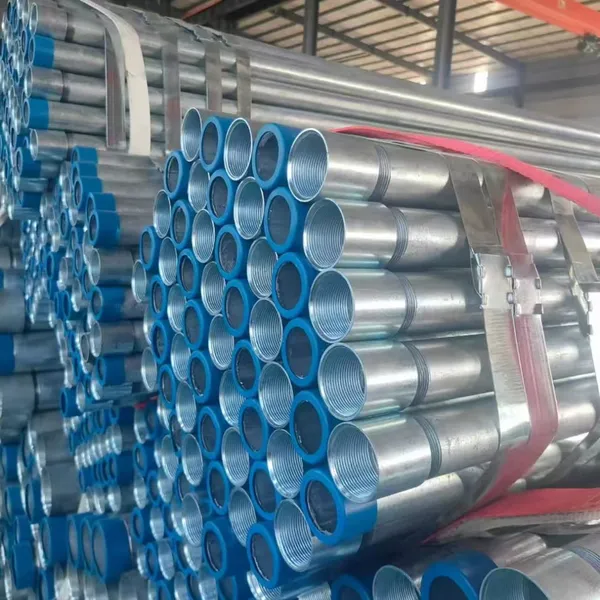 Read More
 -
Carbon Steel Pipe: Key Properties, Types and Industrial Application Benefits
August 1, 2026Carbon steel pipe is one of the most essential and widely used metal pipeline materials in global industrial engineering, municipa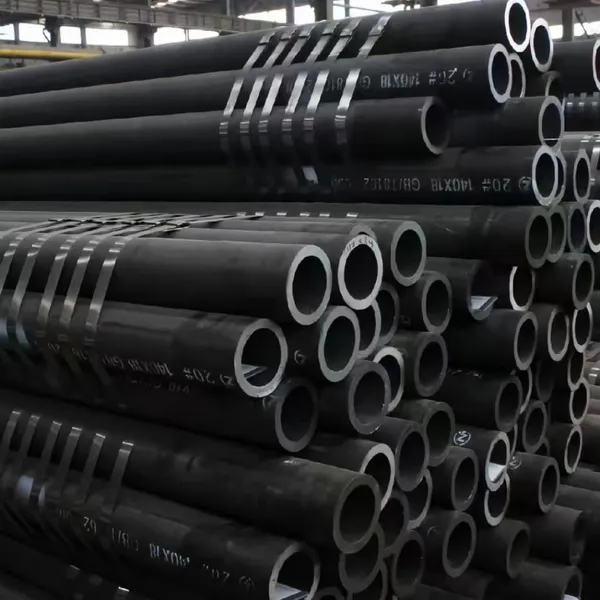 Read More

Contact Us

Recommended Products
-
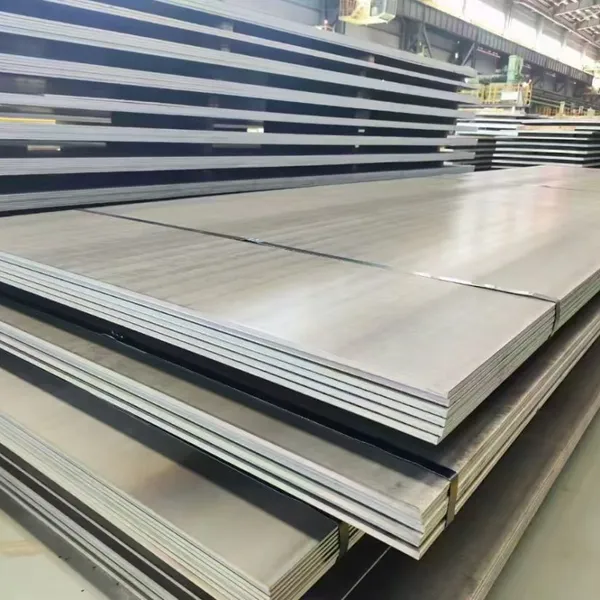
 Steel Sheet & Plate & Boiler Plate,EN 10028、ASTM A516 Gr60/70、P265GH、P355GHNegotiableMOQ: 5 Metric Tons
 -
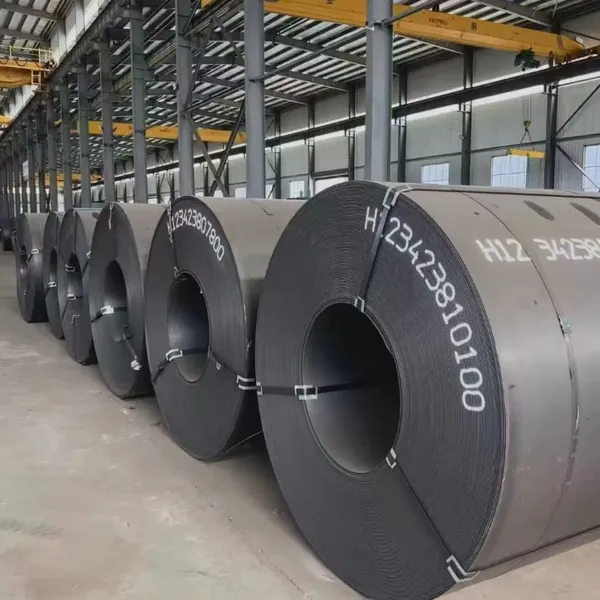
Steel Coil & Strip & Hot Rolled Steel Coil,Q235B、SS400、A36、S235JR、SPHC、SPHD、Q355B/C/D、S355JR、S355J0NegotiableMOQ: 5 Metric Tons
-
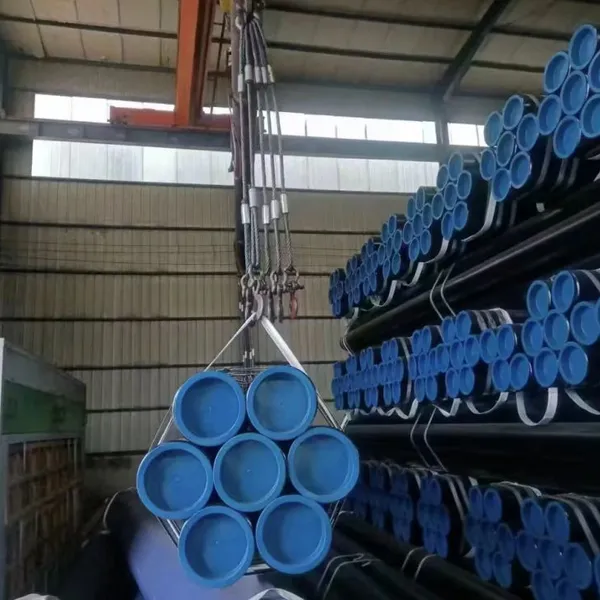
Steel Pipe & Tube & Oil Country Tubular Goods,API 5L Gr.B、X42、X52、X60、X65、X70、X80、E75、X95、G105、S135NegotiableMOQ: 5 Metric Tons
-
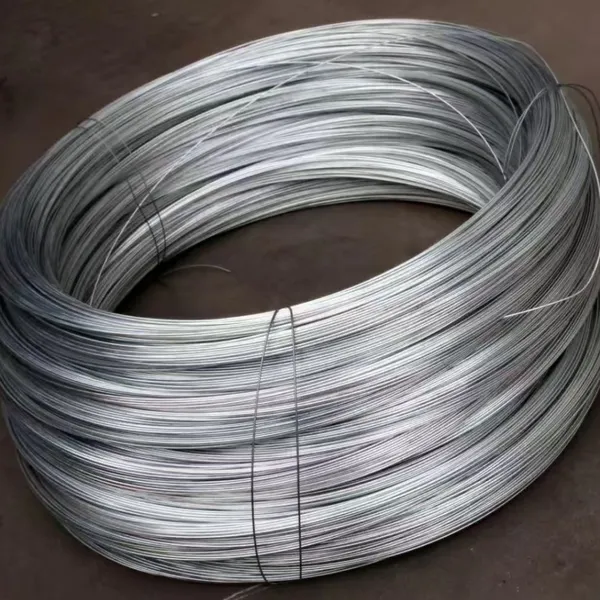
Iron Wire&Galvanized Iron Wire,GB/T 343, ASTM A853, JIS G 3532, EN 10264,Q195, Q235NegotiableMOQ: 5 Metric Tons
-
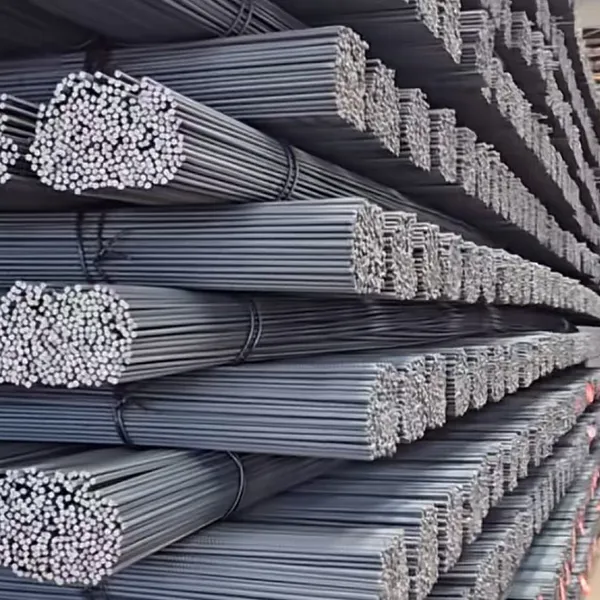
Rebar&Steel Rebar&Hot Rolled Rebar,HRB400, HRB500, HRBF400, HRBF500, B500B, B500C, Grade 60, Grade 75NegotiableMOQ: 5 Metric Tons
-
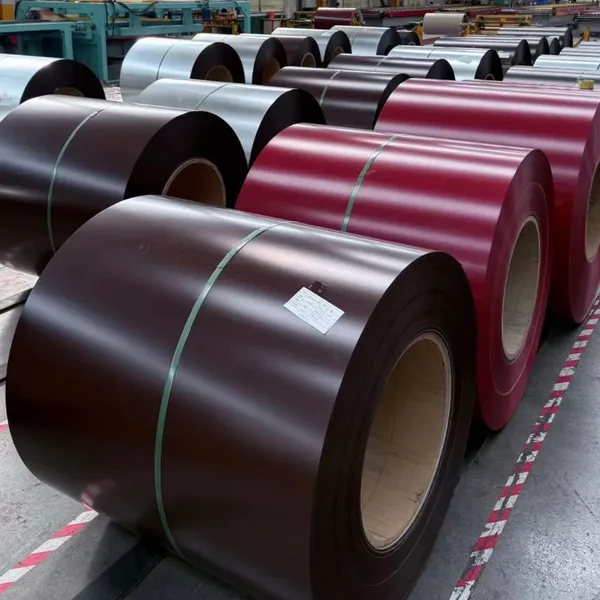
Steel Coil & Strip & Color Coated Steel Coil,PE, SMP, HDP, PVDFNegotiableMOQ: 5 Metric Tons
-
Seamless Steel Pipe& Steel Pipe & Tube,Q235B, Q355B, 20#, 45#, 16Mn, API 5L Gr.B, X42, X46, X52, X56, X60, X65, X70NegotiableMOQ: 5 Metric Tons
-
Angle Steel & Angle Bar,ASTM A36, JIS G3101, EN S235JR/S355JR, SS400NegotiableMOQ: 5 Metric Tons
-
Steel H Beam&H Beam ,Q235B, Q355B, S235JR, S235J0, S235J2, S355JR, S355J0, S355J2, A36, A572 Grade 50, A992NegotiableMOQ: 10 Metric Tons
-
Insulated Steel Pipe&Insulated Seamless Steel Pipe,RoHS, REACH, UL 94, VDE, IEC, GB/T 7113NegotiableMOQ: 5 Metric Tons
-
Hot-dip Galvanized Square Tubes&Steel Pipe & Tube,Q195, Q215, Q235B, Q355B, API 5L Gr.BNegotiableMOQ: 5 Metric Tons
-
Steel Pipe & Tube & High Pressure Boiler Tube,ASTM A213 (T Series)、ASTM A335 (P Series)、ASME SA213、SA335、EN 10216-2NegotiableMOQ: 5 Metric Tons
-
Steel Pipe & Tube & High Pressure Boiler Tube,38、42、48、51、57、60、76、89、108、133、159、168、194、219NegotiableMOQ: 5 Metric Tons
-
Insulated Pipe&Pre-insulated Pipe,RoHS, REACH, UL 94, VDE, IEC, GB/T 7113NegotiableMOQ: 5 Metric Tons
-
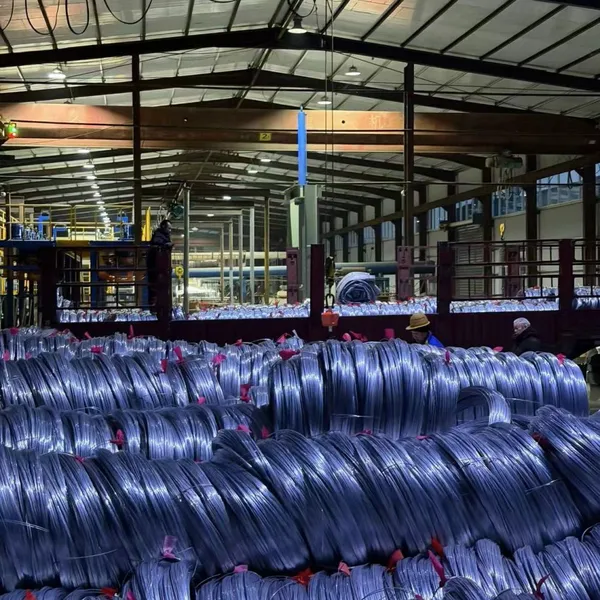
Steel Wire&Galvanized Steel Wire,Q195, Q235, 45#, 55#, 60#, 65#, 70#, 72A, 82BNegotiableMOQ: 5 Metric Tons
-
Steel Coil & Strip & Color Coated Steel Coil,TDC51D+Z、TS250GD+Z、TDC51D+AZ、TS350GD+AZ、TDC51D+ZM、SPCC、DC01NegotiableMOQ: 5 Metric Tons
-
Steel Pipe & Tube & Hot-Dip Galvanizing,Q195、Q215B、Q235BNegotiableMOQ: 5 Metric Tons
-
Steel Coil & Strip & Hot Rolled Coil,Q195、Q215、Q235B、Q255、Q345B、Q355B、Q420、Q460、SS400、SPHC、SPHD、SPHENegotiableMOQ: 5 Metric Tons
-
Steel Rebar & Deformed Steel Bar,HRB400、HRB400E、HRB500、HRB500ENegotiableMOQ: 5 Metric Tons
-
Galvanized Flat Bar&Flat Steel,GB/T 704, GB/T 13912, ASTM A123, JIS G3302NegotiableMOQ: 5 Metric Tons