
 Business License
Galvanized steel pipe: Corrosion-resistant Steel Pipe for Construction and Pipeline Engineering
galvanized steel pipe: Corrosion-resistant Steel Pipe for Construction and Pipeline Engineering
In architectural construction, municipal water supply and drainage, fire protection engineering, pipeline transportation and agricultural irrigation, galvanized steel pipe is one of the most widely used metal pipeline materials. As a classic anti-rust and corrosion-resistant steel pipe product, galvanized steel pipe effectively solves the defect of easy rust and short service life of ordinary black steel pipes. Many engineering purchasers and construction teams often choose galvanized steel pipe for conventional pipeline projects, but do not fully understand the classification, performance differences and applicable scenarios of galvanized steel pipe. This article comprehensively analyzes galvanized steel pipe to help you select high-quality galvanized steel pipe reasonably according to engineering demands.
1. What Is galvanized steel pipe?
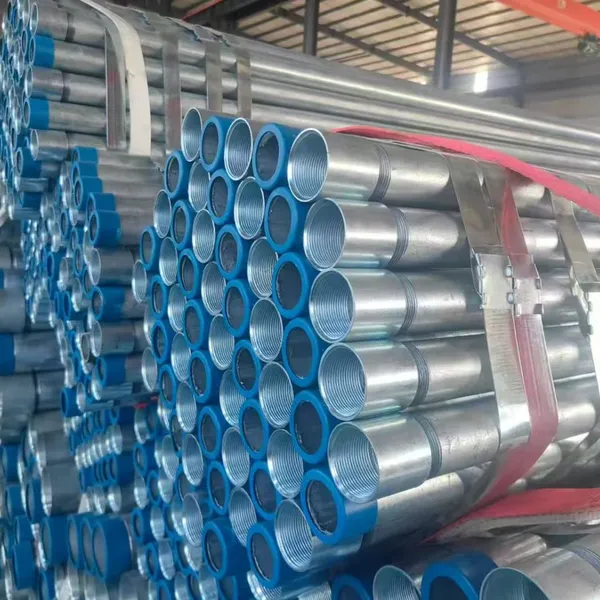
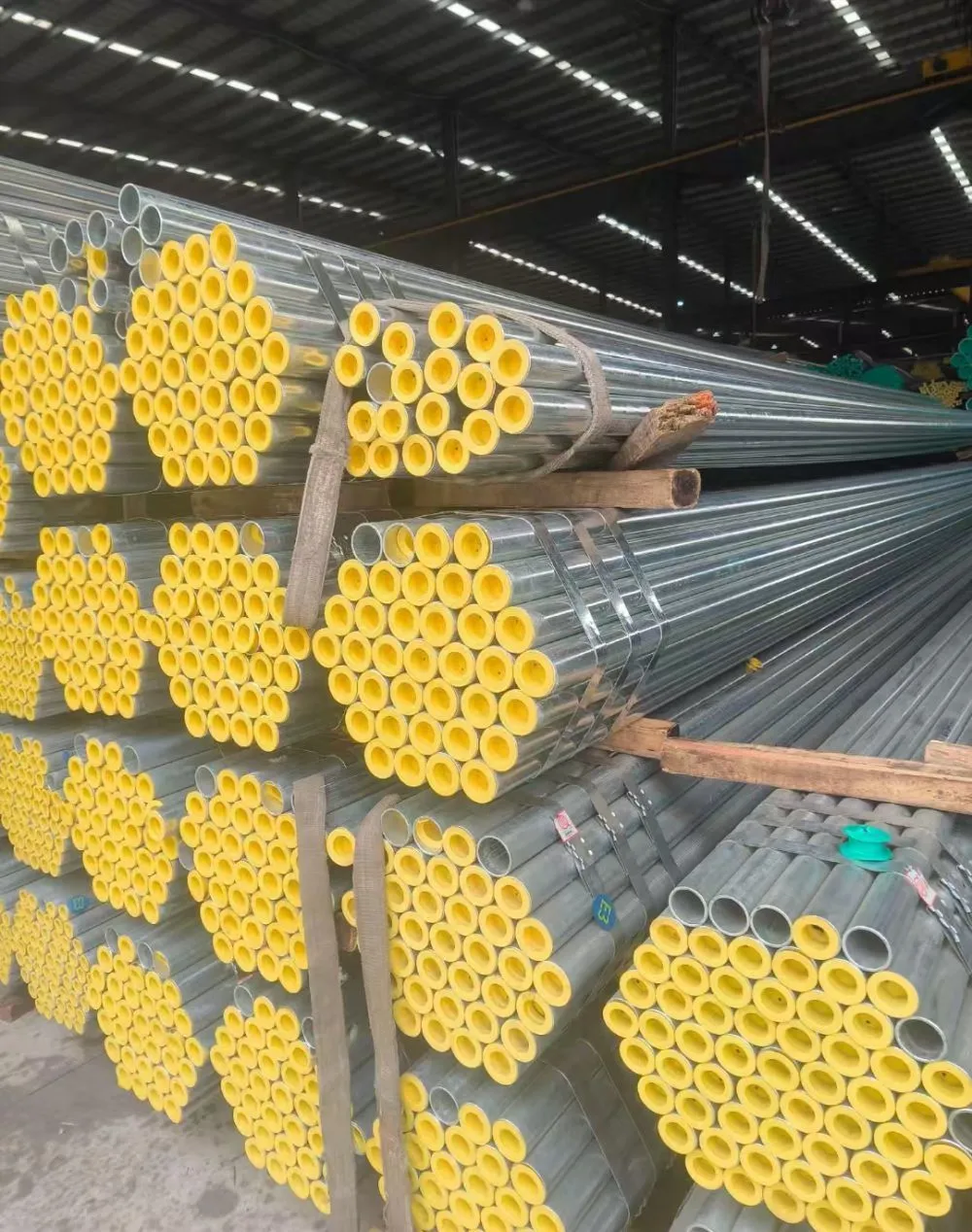
galvanized steel pipe refers to ordinary carbon steel pipe with a hot-dip galvanized or cold-galvanized anti-corrosion layer on the surface. The complete zinc coating closely fits the steel pipe substrate, which can isolate air, moisture and corrosive substances, so as to achieve long-term anti-rust and anti-corrosion effects. Compared with ordinary uncoated steel pipes, galvanized steel pipe has greatly improved durability, weather resistance and service life. With stable mechanical properties, strong pressure resistance and convenient installation, galvanized steel pipe has become a universal pipeline material for civil and industrial engineering.
Conventional galvanized steel pipe on the market is produced in strict accordance with international standards, with complete specifications from small-diameter thin-walled pipes to large-diameter thick-walled pipes, covering civil decoration, municipal pipelines, fire protection facilities and industrial transportation projects.
2. Main Classifications of galvanized steel pipe
According to different galvanizing processes and wall thickness standards, galvanized steel pipe is mainly divided into two core types. Different types of galvanized steel pipe have huge differences in anti-corrosion performance, price and service life, which are suitable for different engineering environments:
2.1 Hot-dip Galvanized Steel Pipe
hot-dip galvanized steel pipe is the mainstream high-quality galvanized steel pipe in the current market. It is processed by high-temperature hot-dip galvanizing process, with thick, uniform and firmly bonded zinc layer on the pipe surface. The zinc layer of hot-dip galvanized steel pipe is not easy to fall off, with strong oxidation resistance and corrosion resistance. Thishot-dip galvanized steel pipe has a long service life and can adapt to outdoor open-air, humid and saline-alkali harsh environments, which is the preferred material for permanent engineering pipelines.
2.2 Cold Galvanized Steel Pipe
cold galvanized steel pipe is also known as electro-galvanized steel pipe. Its surface zinc layer is thin and uniformly sprayed by electroplating process. The production cost of cold galvanized steel pipe is low, and the surface is smooth and beautiful. However, the zinc layer of cold galvanized steel pipe has poor adhesion and weak anti-corrosion ability, so it is only suitable for indoor dry environment and temporary pipeline projects with low environmental requirements.
2.3 Classification by Wall Thickness
According to wall thickness, galvanized steel pipe can be divided into thin-walled galvanized steel pipe, medium-walled galvanized steel pipe and thick-walled galvanized steel pipe. Thin-walled galvanized steel pipe is mostly used for indoor wiring and light-duty water pipelines; medium-walled galvanized steel pipe is suitable for conventional municipal water supply and drainage; thick-walled galvanized steel pipe has strong pressure resistance and is widely used for fire protection pipelines and high-pressure fluid transportation.
3. Core Advantages of galvanized steel pipe
galvanized steel pipe has replaced ordinary black steel pipes and become the mainstream pipeline material in the engineering industry, relying on multiple irreplaceable core advantages:
Excellent anti-corrosion and anti-rust performance: The zinc coating of galvanized steel pipe forms a protective layer on the steel surface, which effectively isolates oxygen and moisture. It can prevent the galvanized steel pipe from rusting and oxidation even in humid and outdoor environments, greatly extending the service life of the pipeline.
Stable mechanical performance: The substrate of galvanized steel pipe adopts high-quality carbon steel, with strong compression resistance, bending resistance and impact resistance. The pipe body is not easy to deform or crack during installation and use, ensuring the stability of pipeline transportation.
Simple construction and strong adaptability: galvanized steel pipe has neat specifications, smooth pipe wall and easy cutting, welding and threading. It is highly compatible with various pipe fittings, greatly improving the efficiency of on-site pipeline construction.
High cost performance: Compared with stainless steel pipes, galvanized steel pipe has lower price and more stable performance. It avoids frequent replacement and maintenance of ordinary steel pipes, and the comprehensive engineering cost is more economical.
4. Main Application Scenarios of galvanized steel pipe
With reliable anti-corrosion performance and wide adaptability, galvanized steel pipe is widely used in civil construction, municipal engineering, industrial production and public facilities, covering most conventional pipeline projects:
Fire protection engineering: hot-dip galvanized steel pipe is the special pipe for building fire protection water supply pipelines. It has high pressure resistance and will not rust and block the pipeline for a long time, ensuring the safe operation of fire protection systems.
Municipal water supply and drainage: Outdoor municipal water supply pipelines, community drainage pipelines and road supporting pipelines all adopt galvanized steel pipe to resist outdoor environmental erosion and ensure long-term stable water delivery.
Building and decoration engineering: Indoor water supply pipelines, wiring protection pipes and support pipe frames of buildings mostly use galvanized steel pipe, which is beautiful, durable and safe.
Industrial pipeline transportation: Factory circulating water pipelines, gas transmission pipelines and equipment supporting pipelines use galvanized steel pipe to adapt to complex indoor industrial environments and reduce pipeline failure rate.
Agricultural and municipal supporting facilities: Farmland irrigation pipelines, greenhouse support pipes and urban guardrail pipelines are mostly made of galvanized steel pipe, which is weather-resistant and durable.
5. Purchasing and Quality Identification Skills for galvanized steel pipe
The quality of galvanized steel pipe directly affects the safety and service life of the entire pipeline system. When purchasing galvanized steel pipe, you can refer to the following standards to avoid inferior products:
Distinguish galvanizing process: For outdoor and permanent projects, must choose hot-dip galvanized steel pipe with thick zinc layer and strong anti-corrosion performance; indoor temporary projects can choose cost-effective cold galvanized steel pipe according to budget.
Check surface workmanship: High-quality galvanized steel pipe has smooth and flat surface, uniform zinc layer, no missing plating, no bubbles, no peeling and no rust spots. Inferior galvanized steel pipe has uneven zinc layer and obvious defects.
Verify specification parameters: Check the pipe diameter, wall thickness and straightness of galvanized steel pipe. Qualified galvanized steel pipe has accurate size and uniform wall thickness, meeting national standard parameters.
Check factory qualification documents: Regular manufacturers’ galvanized steel pipe is equipped with complete quality inspection reports and qualification certificates, ensuring that the galvanizing quality and mechanical properties ofgalvanized steel pipe meet industry standards.
6. Conclusion
galvanized steel pipe is an essential anti-corrosion pipeline material in modern engineering construction. With excellent anti-rust performance, stable structure and high cost performance, galvanized steel pipe solves the durability problems of traditional steel pipes. In actual engineering procurement, reasonably selecting hot-dip galvanized steel pipe or cold galvanized steel pipe according to usage environment and project grade, and insisting on selecting standard high-quality galvanized steel pipe, can effectively ensure the long-term safe operation of the pipeline system and reduce later maintenance costs.
Recently Posted
-
Alloy steel pipe: High-pressure & High-temperature Resistant Steel Pipe for Industrial Engineering
August 7, 2026In petrochemical industry, power generation engineering, high-pressure pipeline transmission, boiler manufacturing and high-temper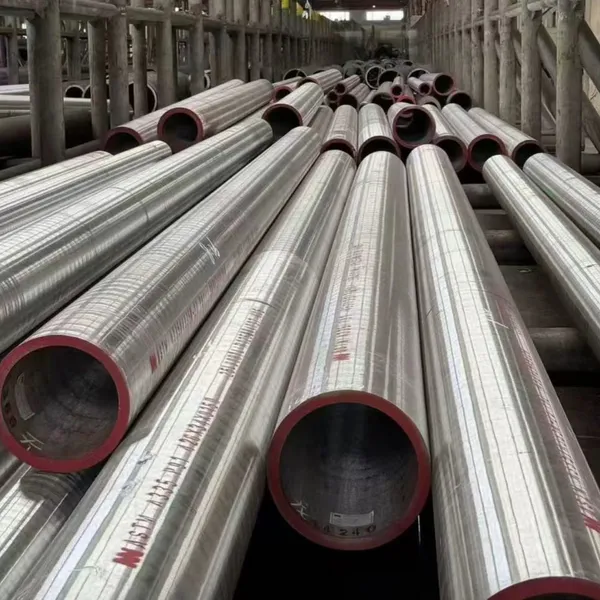 Read More
 -
Flat Steel | High-Precision Hot Rolled Flat Bar for Construction & Manufacturing
August 6, 2026I. Main Classifications of Flat SteelFlat steel can be scientifically classified according to production process, surface treatmen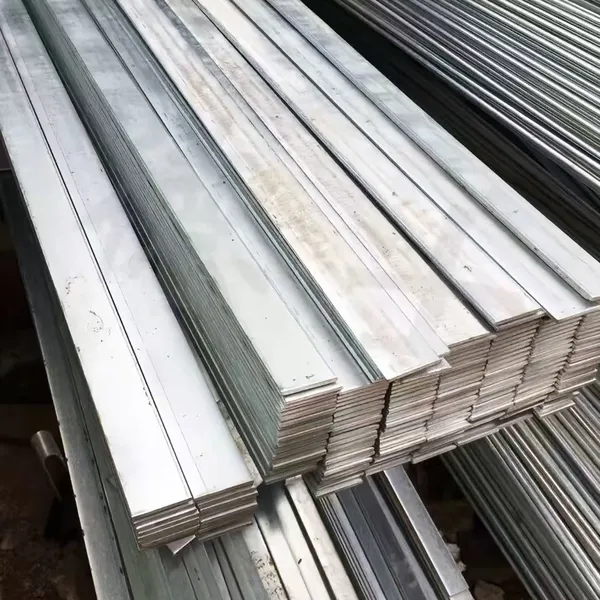 Read More
 -
Color Coated Steel Coil | Pre-Painted Galvanized Steel Coil for Roofing & Cladding
August 6, 2026I. Main Classifications of Color Coated Steel CoilColor coated steel coil can be divided into multiple categories according to bas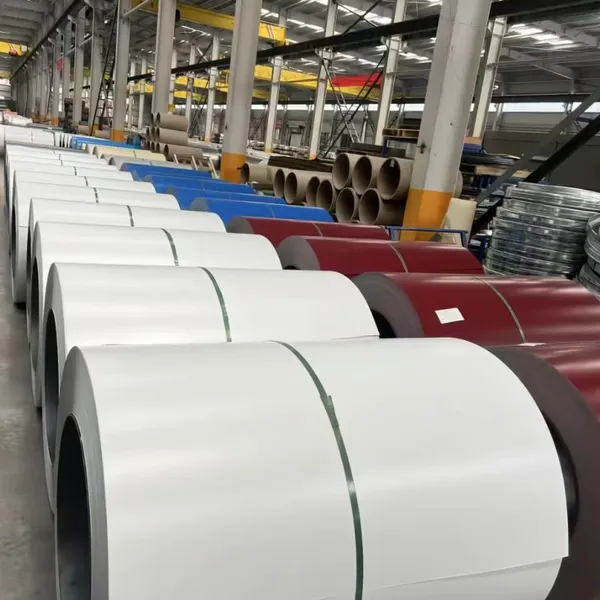 Read More
 -
Structural Steel H Beam | High-Strength H Steel for Building and Bridge Engineering
August 5, 2026In modern construction engineering, bridge construction, high-rise building frame manufacturing, large factory steel structure eng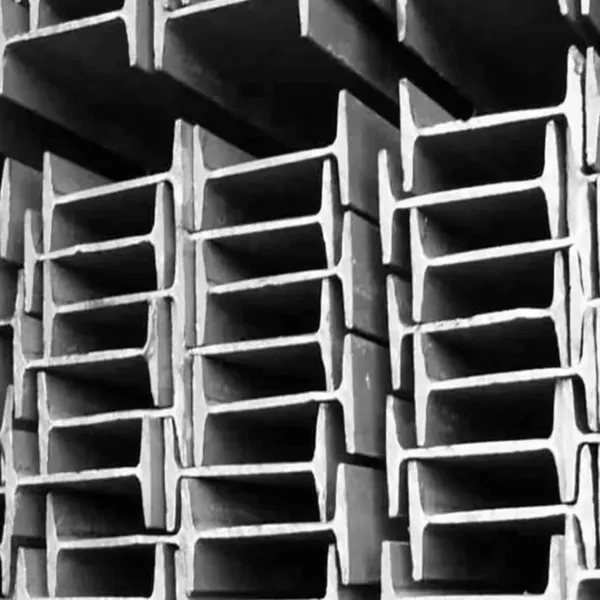 Read More

Contact Us

Recommended Products
-
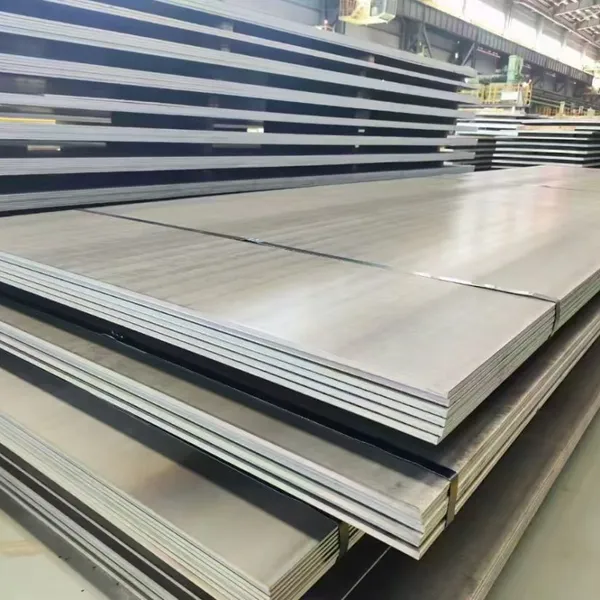
 Steel Sheet & Plate & Boiler Plate,EN 10028、ASTM A516 Gr60/70、P265GH、P355GHNegotiableMOQ: 5 Metric Tons
 -
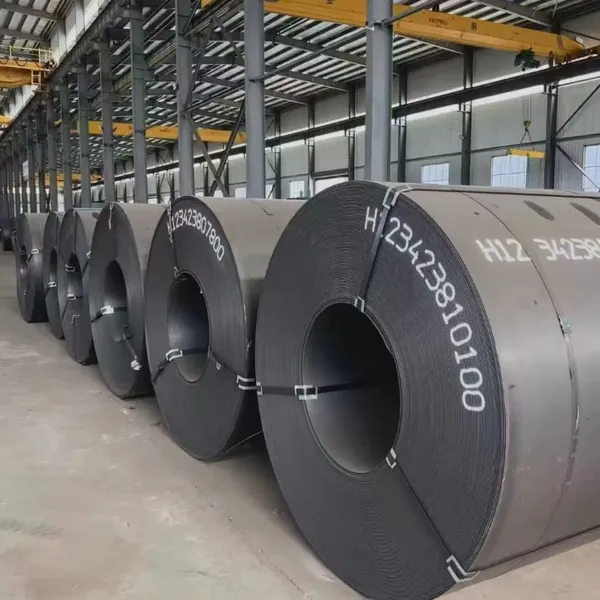
Steel Coil & Strip & Hot Rolled Steel Coil,Q235B、SS400、A36、S235JR、SPHC、SPHD、Q355B/C/D、S355JR、S355J0NegotiableMOQ: 5 Metric Tons
-
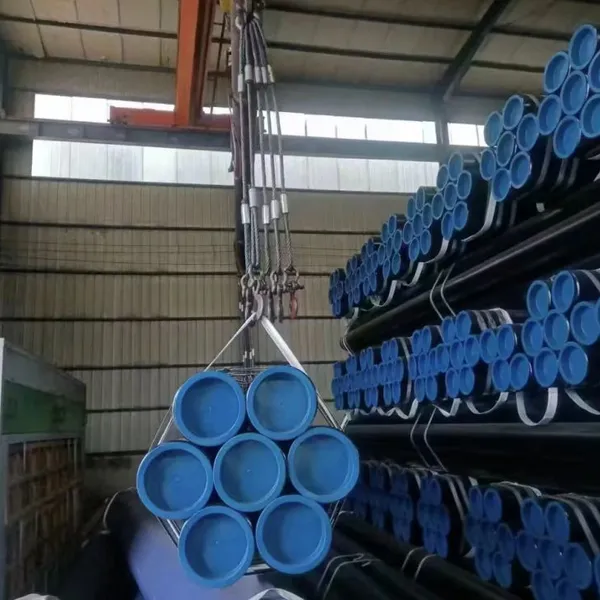
Steel Pipe & Tube & Oil Country Tubular Goods,API 5L Gr.B、X42、X52、X60、X65、X70、X80、E75、X95、G105、S135NegotiableMOQ: 5 Metric Tons
-
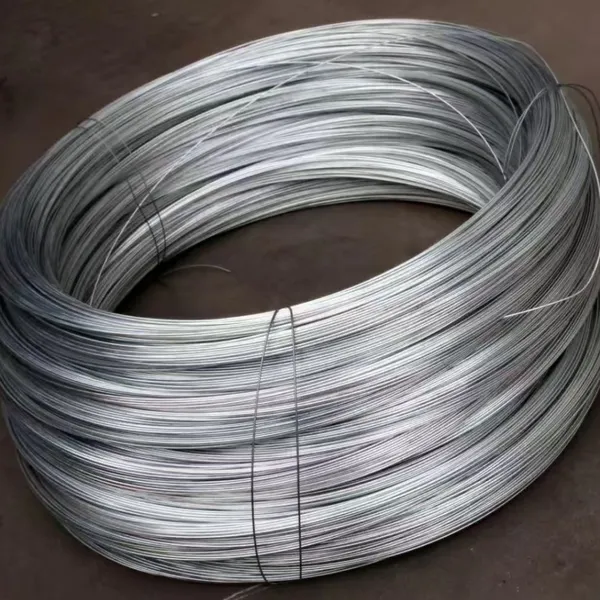
Iron Wire&Galvanized Iron Wire,GB/T 343, ASTM A853, JIS G 3532, EN 10264,Q195, Q235NegotiableMOQ: 5 Metric Tons
-
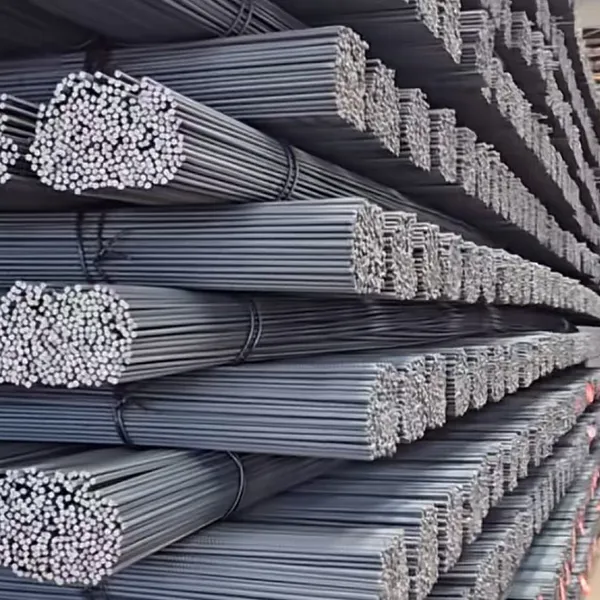
Rebar&Steel Rebar&Hot Rolled Rebar,HRB400, HRB500, HRBF400, HRBF500, B500B, B500C, Grade 60, Grade 75NegotiableMOQ: 5 Metric Tons
-
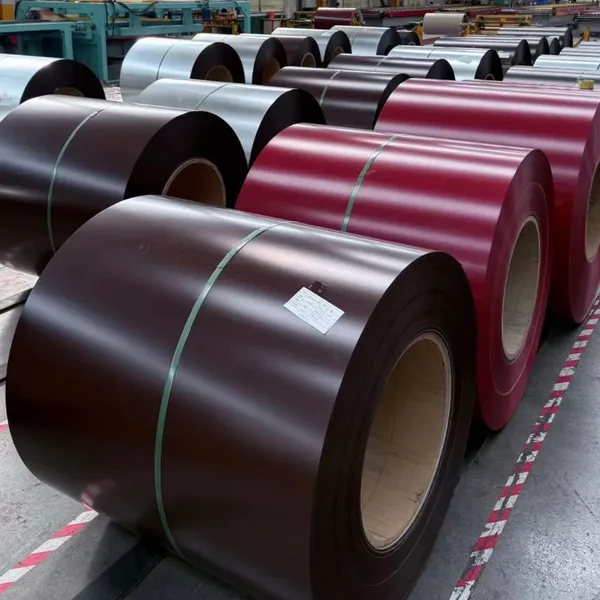
Steel Coil & Strip & Color Coated Steel Coil,PE, SMP, HDP, PVDFNegotiableMOQ: 5 Metric Tons
-
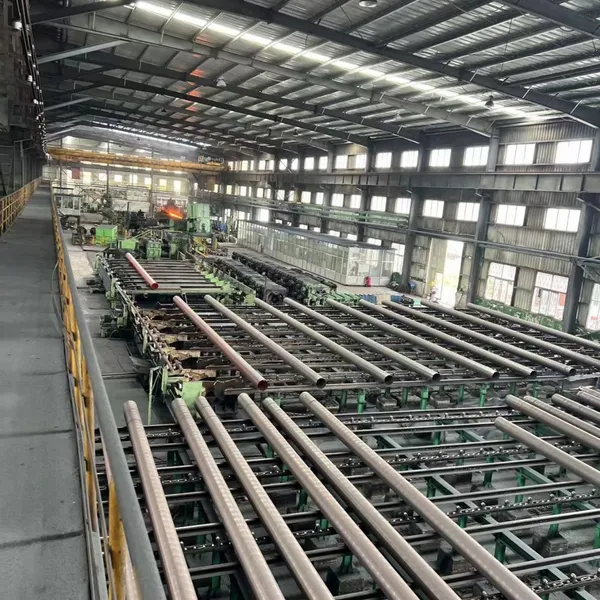
Seamless Steel Pipe& Steel Pipe & Tube,Q235B, Q355B, 20#, 45#, 16Mn, API 5L Gr.B, X42, X46, X52, X56, X60, X65, X70NegotiableMOQ: 5 Metric Tons
-
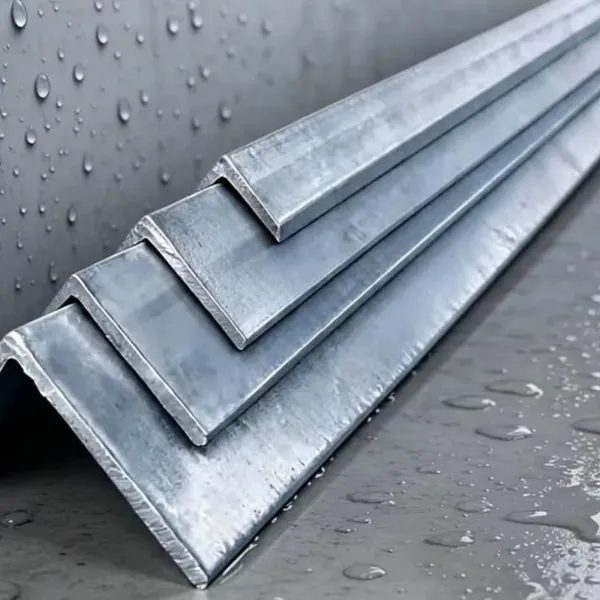
Angle Steel & Angle Bar,ASTM A36, JIS G3101, EN S235JR/S355JR, SS400NegotiableMOQ: 5 Metric Tons
-
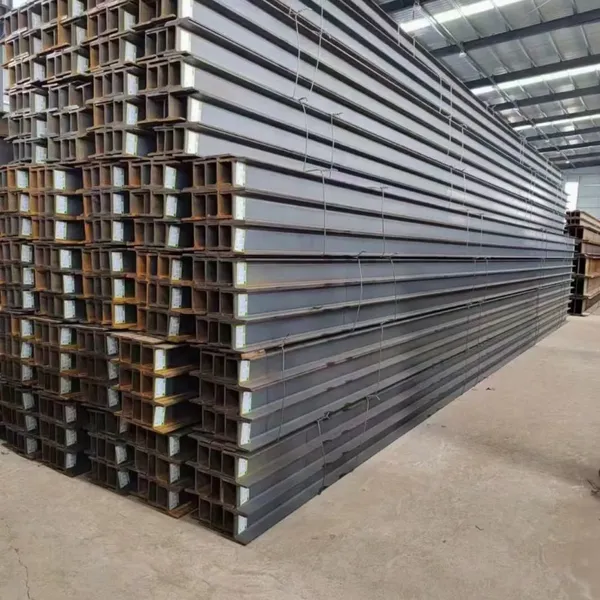
Steel H Beam&H Beam ,Q235B, Q355B, S235JR, S235J0, S235J2, S355JR, S355J0, S355J2, A36, A572 Grade 50, A992NegotiableMOQ: 10 Metric Tons
-
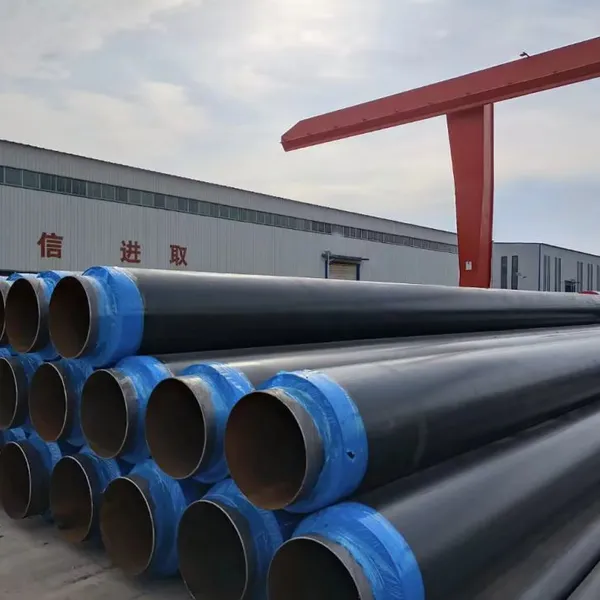
Insulated Steel Pipe&Insulated Seamless Steel Pipe,RoHS, REACH, UL 94, VDE, IEC, GB/T 7113NegotiableMOQ: 5 Metric Tons
-
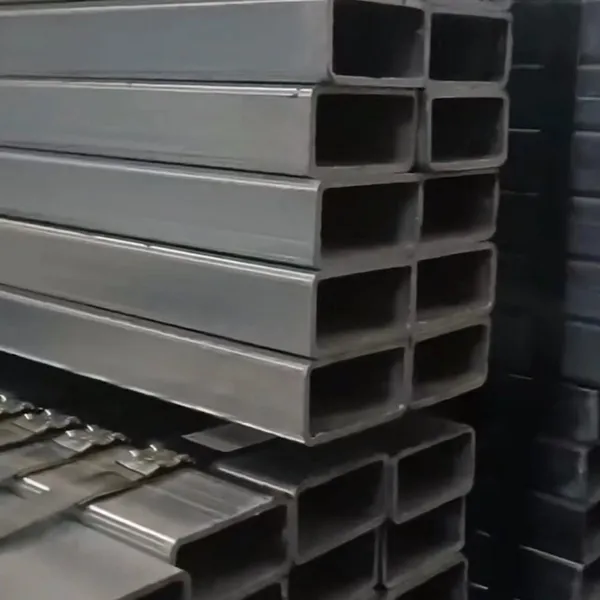
Hot-dip Galvanized Square Tubes&Steel Pipe & Tube,Q195, Q215, Q235B, Q355B, API 5L Gr.BNegotiableMOQ: 5 Metric Tons
-
Steel Pipe & Tube & High Pressure Boiler Tube,ASTM A213 (T Series)、ASTM A335 (P Series)、ASME SA213、SA335、EN 10216-2NegotiableMOQ: 5 Metric Tons
-
Steel Pipe & Tube & High Pressure Boiler Tube,38、42、48、51、57、60、76、89、108、133、159、168、194、219NegotiableMOQ: 5 Metric Tons
-
Insulated Pipe&Pre-insulated Pipe,RoHS, REACH, UL 94, VDE, IEC, GB/T 7113NegotiableMOQ: 5 Metric Tons
-
Steel Wire&Galvanized Steel Wire,Q195, Q235, 45#, 55#, 60#, 65#, 70#, 72A, 82BNegotiableMOQ: 5 Metric Tons
-
Steel Coil & Strip & Color Coated Steel Coil,TDC51D+Z、TS250GD+Z、TDC51D+AZ、TS350GD+AZ、TDC51D+ZM、SPCC、DC01NegotiableMOQ: 5 Metric Tons
-
Steel Pipe & Tube & Hot-Dip Galvanizing,Q195、Q215B、Q235BNegotiableMOQ: 5 Metric Tons
-
Steel Coil & Strip & Hot Rolled Coil,Q195、Q215、Q235B、Q255、Q345B、Q355B、Q420、Q460、SS400、SPHC、SPHD、SPHENegotiableMOQ: 5 Metric Tons
-
Steel Rebar & Deformed Steel Bar,HRB400、HRB400E、HRB500、HRB500ENegotiableMOQ: 5 Metric Tons
-
Galvanized Flat Bar&Flat Steel,GB/T 704, GB/T 13912, ASTM A123, JIS G3302NegotiableMOQ: 5 Metric Tons