
 Business License
The Unsung Hero of Construction: Why Angle Steel Is Indispensable in Global Infrastructure
The Unsung Hero of Construction: Why Angle Steel Is Indispensable in Global Infrastructure
When talking about steel products, most people immediately think of heavy steel plates and thick steel pipes, yet overlook a simple but widely used structural steel profile — angle steel, also known as angle iron.
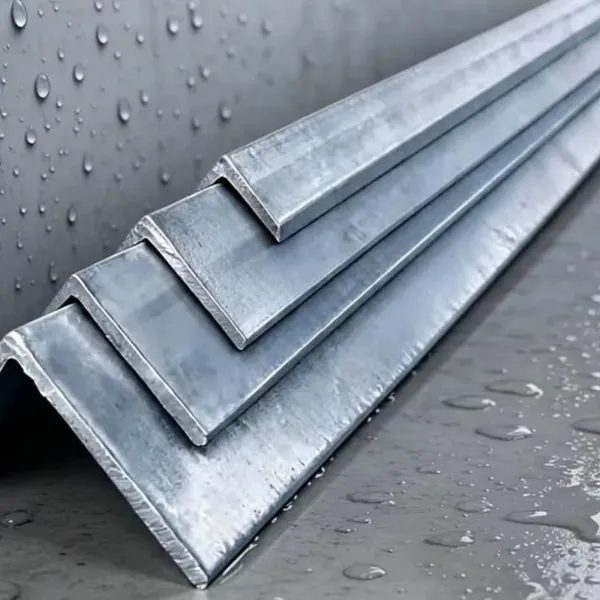
Featuring a simple L-shaped cross-section with two perpendicular sides at a 90-degree right angle, angle steel has no fancy appearance or complicated production process. However, it is applied in hundreds of industries, covering construction engineering, industrial manufacturing, warehousing & logistics, hardware decoration and more.
From small household brackets like air conditioner supports and storage racks, to large-scale projects including high-rise building steel structures, factory trusses, bridge reinforcement and power transmission towers, angle steel provides stable structural support everywhere. Today’s blog will give you a full guide to angle steel, the underrated all-purpose steel profile in the construction industry.
1. What Is Angle Steel? Basic Definition
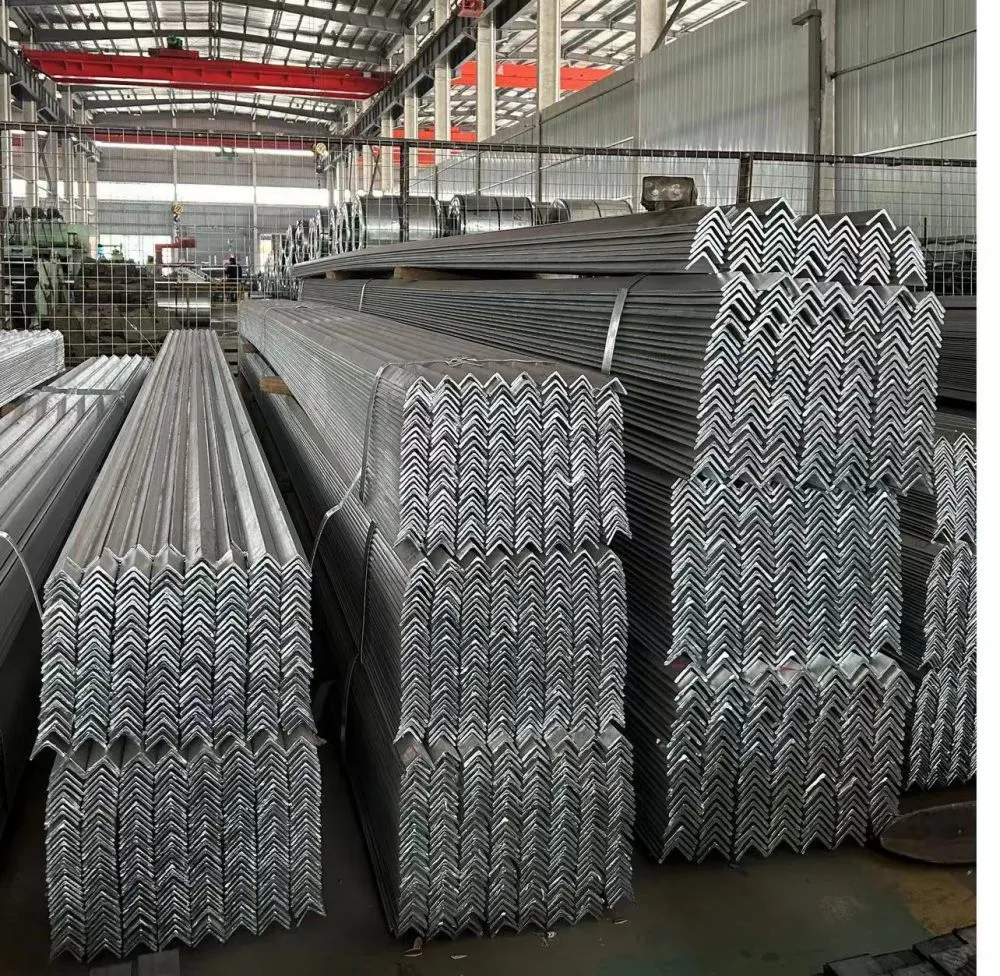
Angle steel is a long hot-rolled steel profile with two sides forming a standard right angle. Thanks to its unique L-shaped structure, it delivers far better bending resistance and load-bearing capacity than flat steel with the same weight.
Its minimalist structure brings perfect mechanical performance: the right-angle design disperses pressure from all directions effectively, with excellent torsion resistance and compression resistance. It achieves maximum structural stability with minimum steel consumption, making it a highly cost-effective construction material.
2. Two Main Types: Equal Angle Steel vs Unequal Angle Steel
Angle steel is divided into two core categories based on side width, with completely different application scenarios:
Equal Angle Steel
Both sides have identical width, marked as side width × side width × thickness (e.g. ∠50×50×5).
✅ Applications: The most universal type for general engineering projects, including factory brackets, steel fences, structural reinforcement, small equipment bases and temporary construction frames. It accounts for over 70% of global angle steel consumption.
Unequal Angle Steel
Composed of one long side and one short side, marked as long side width × short side width × thickness (e.g. ∠63×40×5).
✅ Applications: Structures with asymmetric stress, mechanical equipment frames, curtain wall supports and vehicle chassis parts. It avoids unnecessary material waste for unbalanced load conditions.
3. Common Steel Grades for Angle Steel
Three mainstream materials meet different working environment demands:
1. Q235 Carbon Structural Steel
The most cost-effective option with great toughness and outstanding welding & cutting performance. Perfect for indoor structures and ordinary outdoor projects, covering most conventional usage scenarios.
2. Q355 High-strength Low-alloy Steel
Nearly 40% higher strength than Q235 angle steel. Ideal for heavy-load structures, large outdoor steel frames, bridge supports and heavy-duty equipment frames under harsh working conditions.
3. Stainless Steel Angle Steel (304/316 Grade)
Superior anti-rust and anti-corrosion performance against rain, moisture and acid-base substances. Widely used in chemical plants, coastal construction projects, food processing equipment and outdoor curtain walls with strict corrosion resistance requirements.
4. Four Core Advantages of Angle Steel
Why is this simple L-shaped steel profile irreplaceable in the construction field?
1. Excellent Mechanical Performance & Material Saving
The natural right-angle structure prevents bending and twisting effectively. It reduces overall steel weight while meeting load-bearing requirements, cutting extra structural load.
2. Easy On-site Processing
It supports free cutting, drilling, welding and bending without professional equipment. On-site construction can be finished quickly to shorten the whole project period.
3. Flexible Combination & Assembly
Its double flat sides enable stable connection via bolts or welding. It can be freely assembled into square, triangular and trapezoidal steel frames for diverse structural needs.
4. Stable Price & High Cost Performance
As a mature hot-rolled steel product, angle steel has sufficient global production capacity and stable market price. It is more economical than other special-shaped steel profiles for bulk engineering procurement.
5. Wide Application Scenarios
Angle steel is everywhere in our daily life and engineering projects:
🏗️ Building Steel Structure: Roof purlins, wall supports, building reinforcement, temporary construction frames
⚡ Power & Telecommunication Industry: Transmission tower brackets, base station frames, line fixing supports
🏭 Industrial Manufacturing: Equipment bases, assembly line brackets, heavy-duty warehouse racks
🚗 Transportation Infrastructure: Guardrail reinforcement, bridge auxiliary supports, rail transit auxiliary steel structures
🏠 Home Decoration & Hardware: Air conditioner brackets, balcony storage racks, stair reinforcement, sunroom frames
📦 Warehousing & Logistics: Storage racks, cargo isolation frames, logistics sorting tables
6. Angle Steel Purchasing Guide: Avoid Common Defective Products
Follow these tips to buy qualified angle steel for engineering and wholesale use:
1. Surface Inspection: High-quality angle steel has smooth surface without cracks, bubbles or burrs, with standard right angles and straight sides. Inferior products have deformed angles and curved sides with poor load capacity.
2. Size Tolerance: Standard national standard angle steel has tiny thickness and width tolerance. Non-standard angle steel with excessive thickness deviation looks the same in specification but cannot bear heavy loads.
3. National Standard vs Non-standard: Choose national standard angle steel for long-term outdoor and heavy-load projects; non-standard angle steel is acceptable only for temporary short-term supports to control cost.
4. Anti-rust Treatment: Hot-dip galvanized angle steel offers over 10 years of anti-rust performance for outdoor use. Cold-galvanized angle steel only fits dry indoor environments due to weak corrosion resistance.
Final Thoughts
Without sophisticated appearance or complex production technology, angle steel is a hardworking and low-profile contributor to global infrastructure.
A simple right angle supports countless buildings and mechanical equipment. This basic steel profile lays a solid foundation for modern construction and industrial development.
Every large engineering project relies on this ordinary but essential steel material. Plain as it looks, angle steel is always the stable backbone behind all structural projects.
Recently Posted
-
Steel Rebar,Steel Reinforcement Mesh: Complete Guide for Construction & Civil Engineering
August 17, 2026Steel Reinforcement Mesh: Complete Guide for Construction & Civil Engineering Steel reinforcement mesh, also known as wel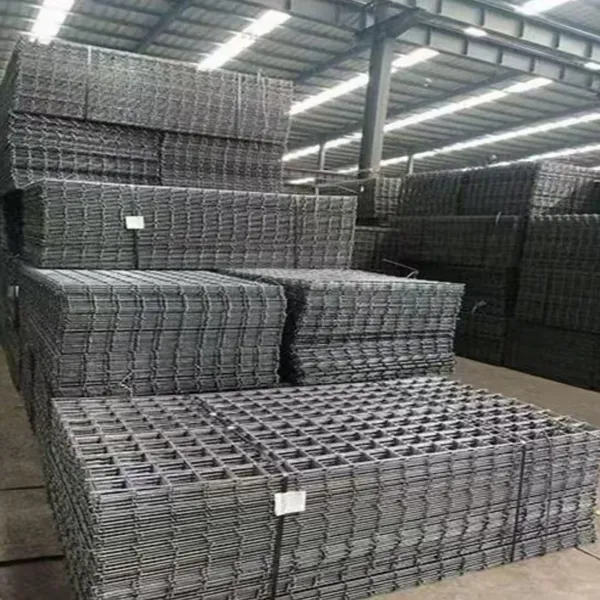 Read More
 -
Introduction to Cold Rolled Coils: High-Precision & High-Quality Cold Rolled Coils, Core Substrates
August 17, 2026In numerous industrial fields such as steel deep processing, precision manufacturing, automobile production, and home appliance ha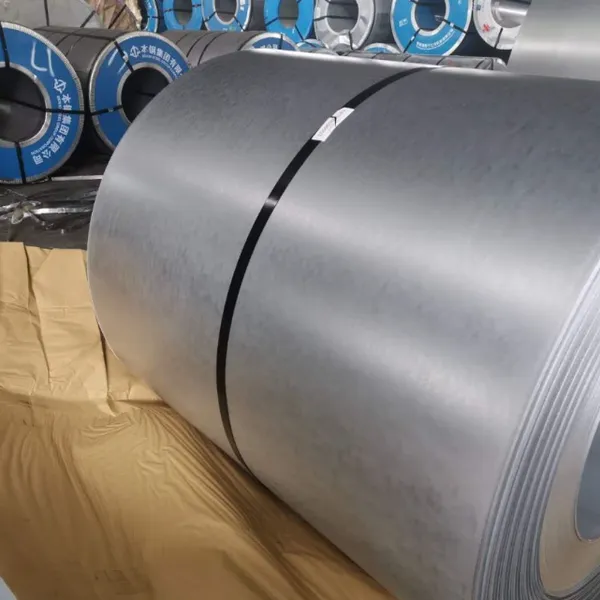 Read More
 -
A Complete Guide to Cast Pipes: Durable & Essential Engineering Pipes
August 17, 2026In various fields such as water supply and drainage, municipal engineering, metallurgy and chemical industry, and building constru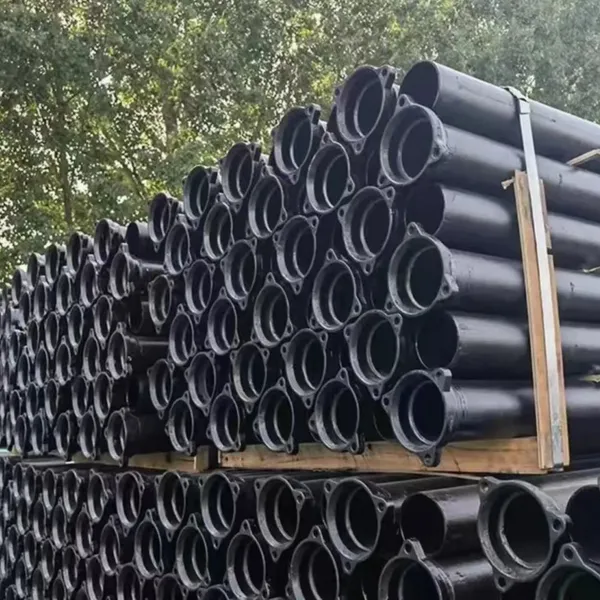 Read More
 -
A Complete Guide to Precision Steel Tube: High-Tolerance Tubing for Industrial & Mechanical Systems
August 14, 2026Widely adopted in hydraulic systems, mechanical manufacturing, automotive engineering, pneumatic equipment and high-pressure indus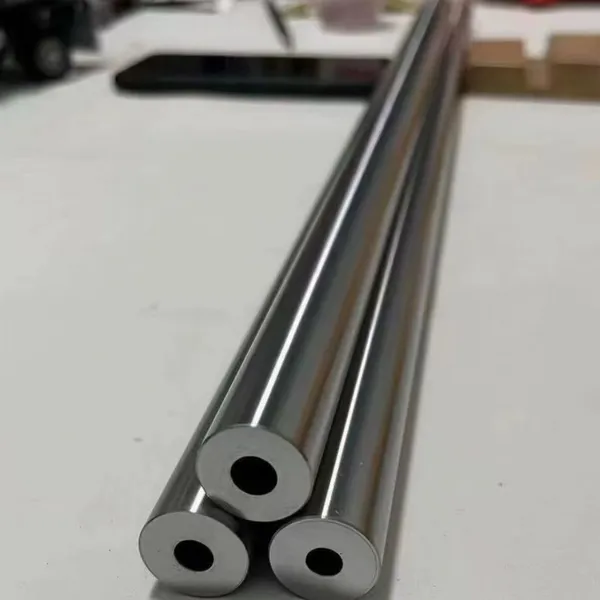 Read More

Contact Us

Recommended Products
-
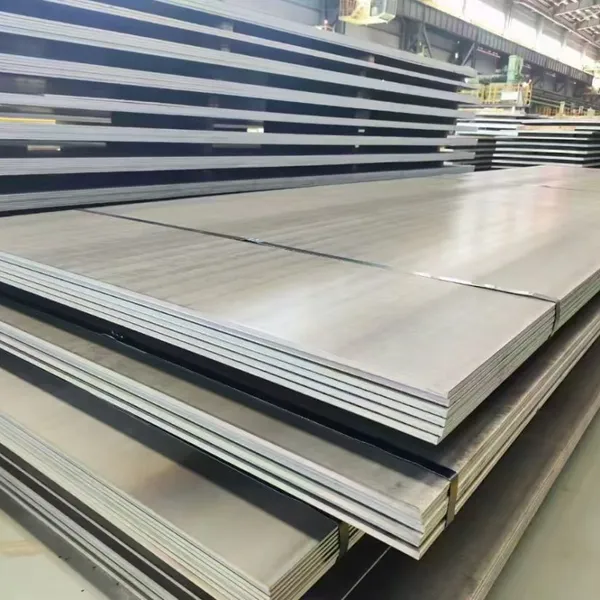
 Steel Sheet & Plate & Boiler Plate,EN 10028、ASTM A516 Gr60/70、P265GH、P355GHNegotiableMOQ: 5 Metric Tons
 -
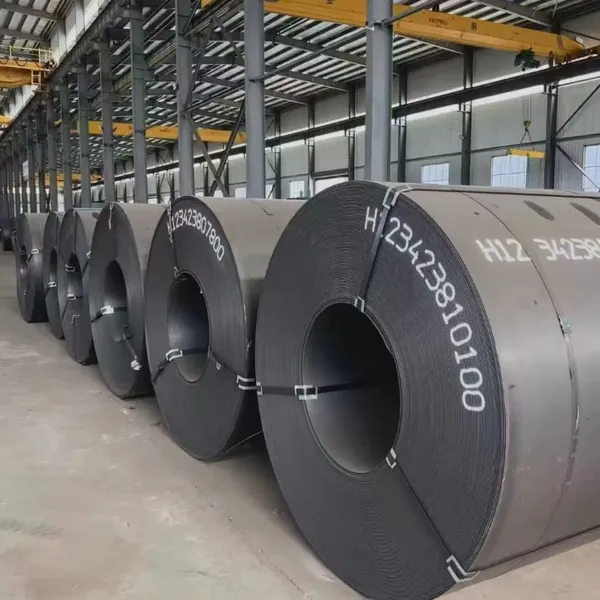
Steel Coil & Strip & Hot Rolled Steel Coil,Q235B、SS400、A36、S235JR、SPHC、SPHD、Q355B/C/D、S355JR、S355J0NegotiableMOQ: 5 Metric Tons
-
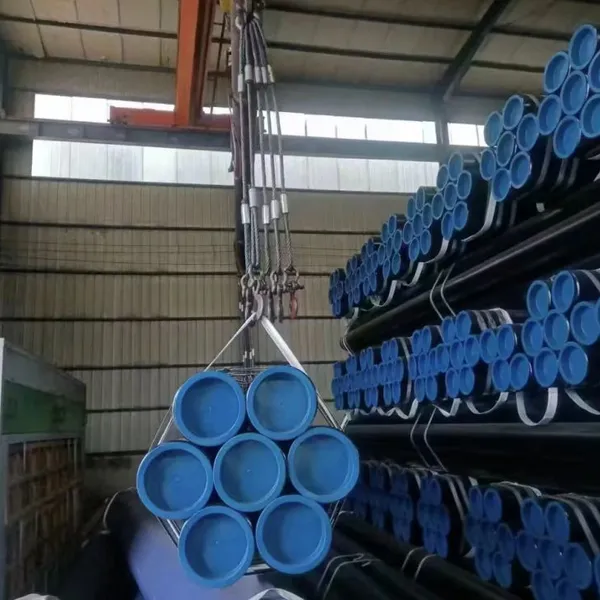
Steel Pipe & Tube & Oil Country Tubular Goods,API 5L Gr.B、X42、X52、X60、X65、X70、X80、E75、X95、G105、S135NegotiableMOQ: 5 Metric Tons
-
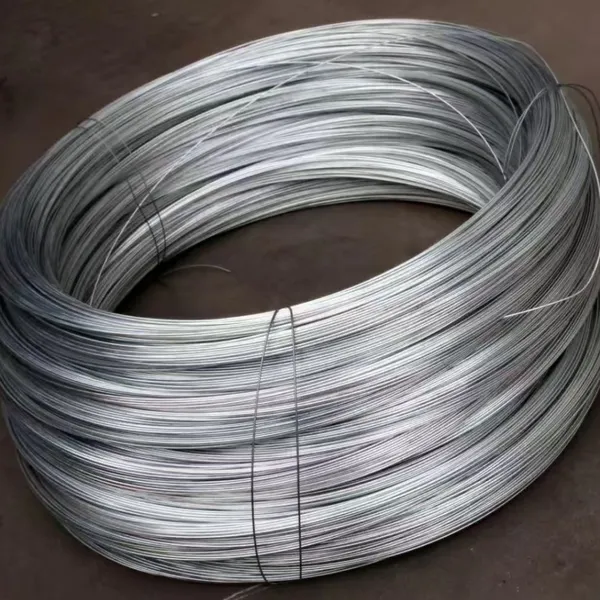
Iron Wire&Galvanized Iron Wire,GB/T 343, ASTM A853, JIS G 3532, EN 10264,Q195, Q235NegotiableMOQ: 5 Metric Tons
-
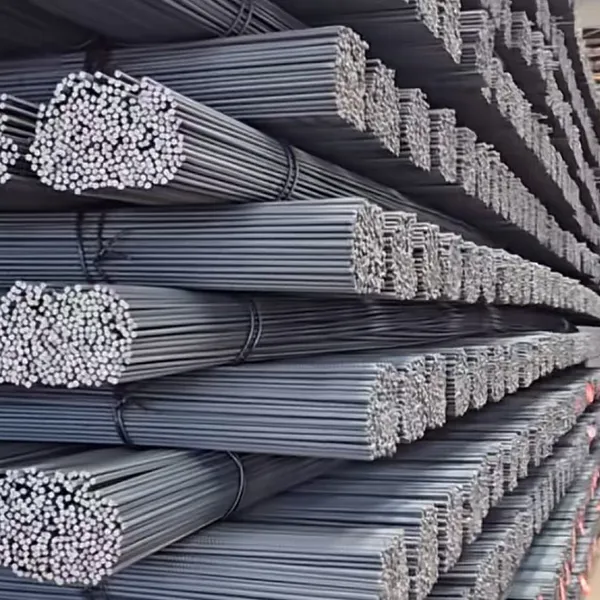
Rebar&Steel Rebar&Hot Rolled Rebar,HRB400, HRB500, HRBF400, HRBF500, B500B, B500C, Grade 60, Grade 75NegotiableMOQ: 5 Metric Tons
-
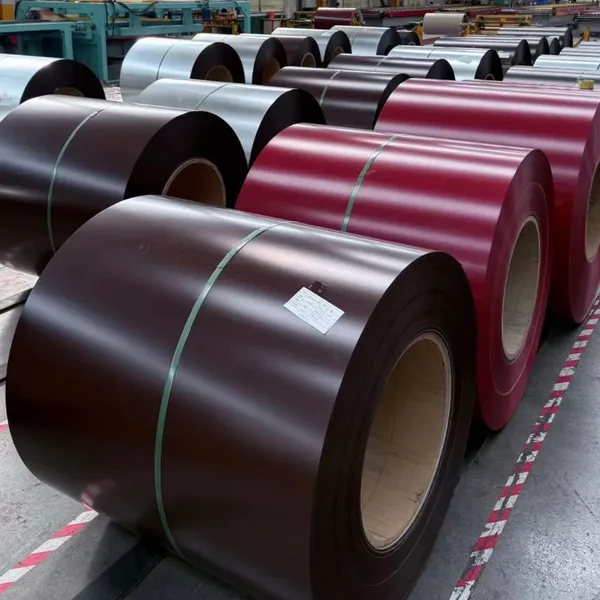
Steel Coil & Strip & Color Coated Steel Coil,PE, SMP, HDP, PVDFNegotiableMOQ: 5 Metric Tons
-
Seamless Steel Pipe& Steel Pipe & Tube,Q235B, Q355B, 20#, 45#, 16Mn, API 5L Gr.B, X42, X46, X52, X56, X60, X65, X70NegotiableMOQ: 5 Metric Tons
-
Angle Steel & Angle Bar,ASTM A36, JIS G3101, EN S235JR/S355JR, SS400NegotiableMOQ: 5 Metric Tons
-
Steel H Beam&H Beam ,Q235B, Q355B, S235JR, S235J0, S235J2, S355JR, S355J0, S355J2, A36, A572 Grade 50, A992NegotiableMOQ: 10 Metric Tons
-
Insulated Steel Pipe&Insulated Seamless Steel Pipe,RoHS, REACH, UL 94, VDE, IEC, GB/T 7113NegotiableMOQ: 5 Metric Tons
-
Hot-dip Galvanized Square Tubes&Steel Pipe & Tube,Q195, Q215, Q235B, Q355B, API 5L Gr.BNegotiableMOQ: 5 Metric Tons
-
Steel Pipe & Tube & High Pressure Boiler Tube,ASTM A213 (T Series)、ASTM A335 (P Series)、ASME SA213、SA335、EN 10216-2NegotiableMOQ: 5 Metric Tons
-
Steel Pipe & Tube & High Pressure Boiler Tube,38、42、48、51、57、60、76、89、108、133、159、168、194、219NegotiableMOQ: 5 Metric Tons
-
Insulated Pipe&Pre-insulated Pipe,RoHS, REACH, UL 94, VDE, IEC, GB/T 7113NegotiableMOQ: 5 Metric Tons
-
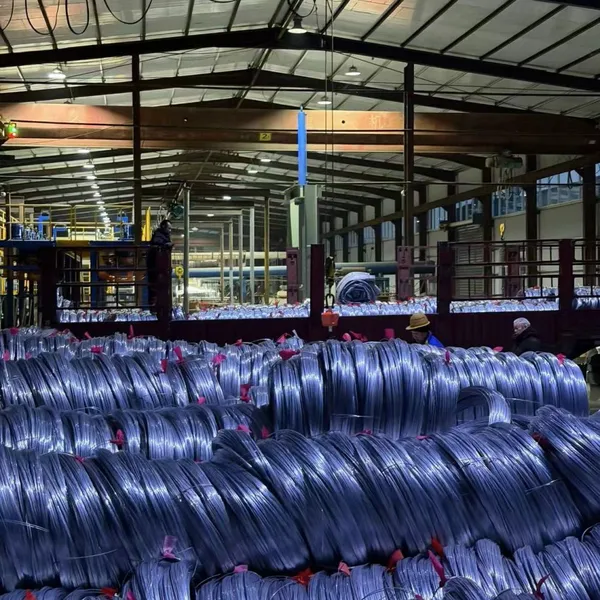
Steel Wire&Galvanized Steel Wire,Q195, Q235, 45#, 55#, 60#, 65#, 70#, 72A, 82BNegotiableMOQ: 5 Metric Tons
-
Steel Coil & Strip & Color Coated Steel Coil,TDC51D+Z、TS250GD+Z、TDC51D+AZ、TS350GD+AZ、TDC51D+ZM、SPCC、DC01NegotiableMOQ: 5 Metric Tons
-
Steel Pipe & Tube & Hot-Dip Galvanizing,Q195、Q215B、Q235BNegotiableMOQ: 5 Metric Tons
-
Steel Coil & Strip & Hot Rolled Coil,Q195、Q215、Q235B、Q255、Q345B、Q355B、Q420、Q460、SS400、SPHC、SPHD、SPHENegotiableMOQ: 5 Metric Tons
-
Steel Rebar & Deformed Steel Bar,HRB400、HRB400E、HRB500、HRB500ENegotiableMOQ: 5 Metric Tons
-
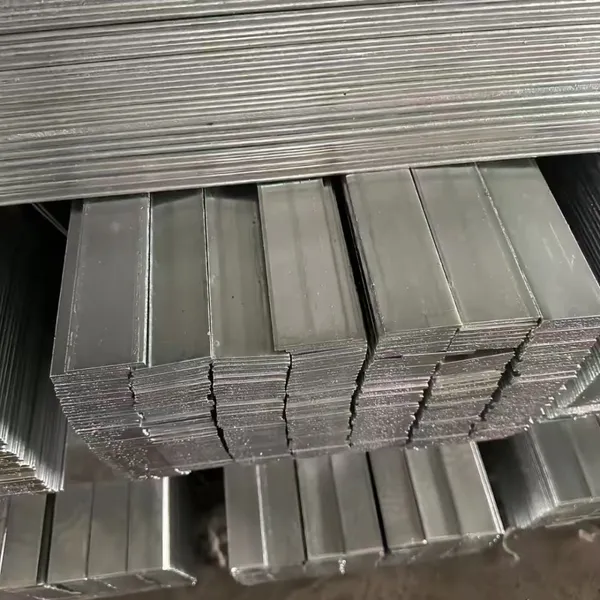
Galvanized Flat Bar&Flat Steel,GB/T 704, GB/T 13912, ASTM A123, JIS G3302NegotiableMOQ: 5 Metric Tons