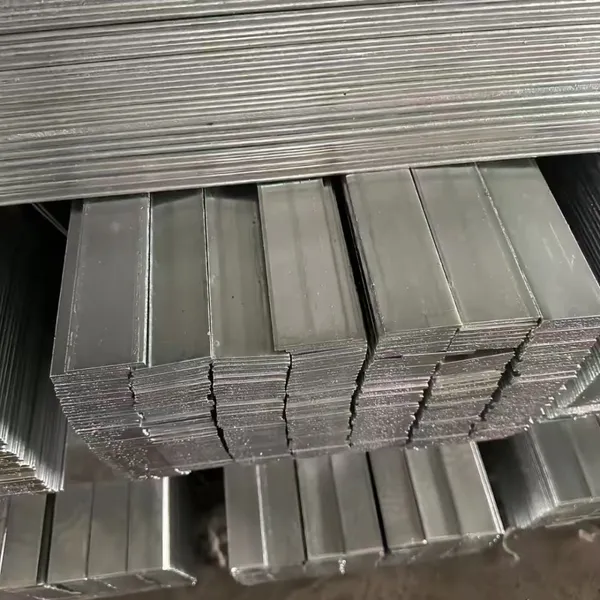

 Business License
Steel Plate: The Core Backbone Supporting Global Construction & Industrial Manufacturing
Steel Plate: The Core Backbone Supporting Global Construction & Industrial Manufacturing
When we talk about the whole steel industry chain, angle steel serves as auxiliary structural support, while steel plate is the core base material that runs through almost all heavy industries.
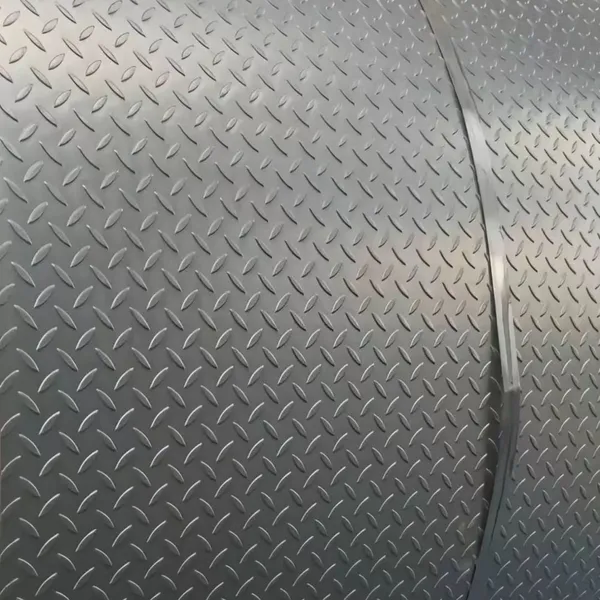
As one of the most widely used flat steel products, steel plate is a flat steel sheet formed by hot rolling or cold rolling. It has ultra-high pressure resistance, uniform stress bearing performance and strong plasticity. Whether it is high-rise buildings, shipbuilding, pressure vessels, mechanical equipment or bridge engineering, steel plates are indispensable core raw materials.
Today, we will make a comprehensive and easy-to-understand introduction to steel plates, covering classification, material grades, core advantages, application scenarios and purchasing tips, helping you quickly master professional steel plate knowledge.
1. What is Steel Plate?
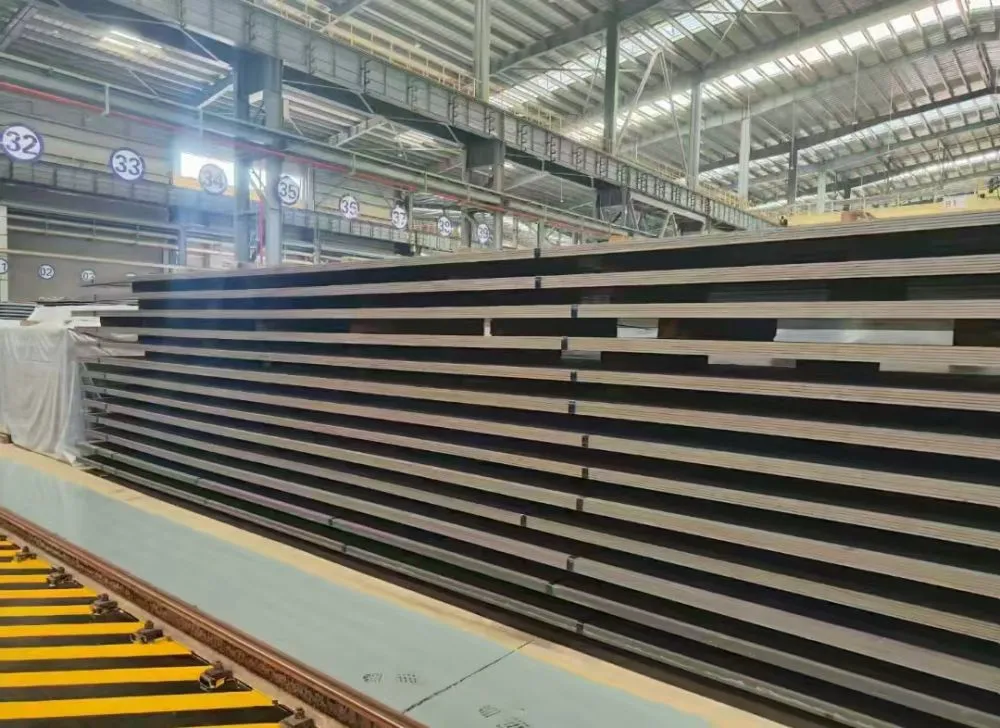
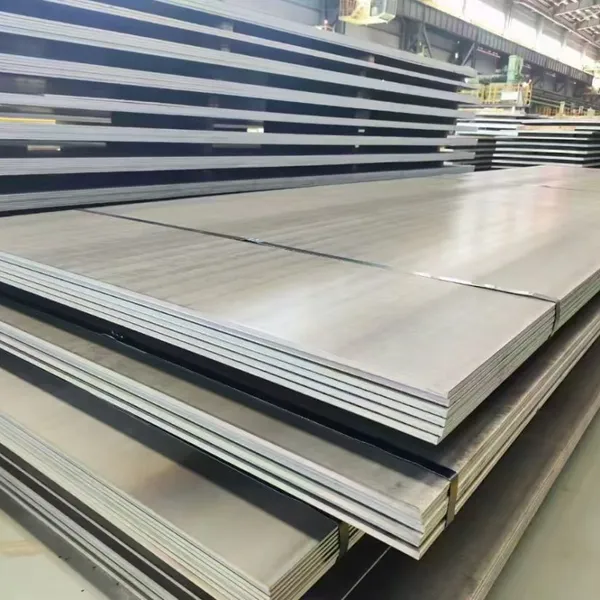
Steel plate is a flat rectangular steel material processed by hot rolling and cold rolling, with complete flat surface, uniform thickness and stable overall performance.
Different from profile steel with fixed shapes such as angle steel, steel plate has no fixed structural limitation. It can be cut, bent, welded, punched and processed freely according to actual project needs. It is the most flexible and versatile basic steel material in the steel industry.
Classified by thickness, steel plates are simply divided into thin steel plate, medium steel plate and thick steel plate, matching different load-bearing and construction scenarios respectively.
2. Main Classification of Steel Plates
We sort steel plates according to thickness, production process and usage, which is the most common classification standard for international procurement:
Classification by Thickness
1. Thin Steel Plate: Thickness 0.5mm - 3mm
Light weight, good toughness, mainly used for enclosure panels, shell manufacturing, decorative steel sheets and light-duty equipment casings.
2. Medium Steel Plate: Thickness 3mm - 20mm
The most popular specification, balanced strength and cost, widely used in building structures, machinery processing, general engineering support.
3. Thick Steel Plate: Thickness above 20mm
Super high bearing capacity, impact resistance and pressure resistance, applied to heavy engineering, bridge deck, ship hull, pressure vessel and heavy machinery base.
Classification by Production Process
1. Hot Rolled Steel Plate: Low cost, high hardness, good welding performance, the first choice for engineering structural parts.
2. Cold Rolled Steel Plate: Smooth surface, high dimensional accuracy, better flatness, suitable for high-precision equipment and surface decoration parts.
Classification by Purpose
General carbon steel plate, high strength steel plate, weather resistant steel plate, shipbuilding steel plate, boiler pressure vessel steel plate, wear-resistant steel plate.
3. Common Steel Grades of Steel Plates
We list the most frequently traded steel grades for global steel import and export:
1. Q235B Carbon Steel Plate
Universal carbon steel plate, good weldability and plasticity, low price, suitable for most civil construction, general machinery processing and ordinary structural projects.
2. Q355B High Strength Steel Plate
Higher yield strength, better low temperature resistance and impact resistance, perfect for heavy load structures, outdoor engineering, bridge and large steel structure projects.
3. AH36 Shipbuilding Steel Plate
Special marine steel plate with excellent seawater corrosion resistance and low temperature toughness, compliant with international ship classification society standards, dedicated for ship hull and offshore platform.
4. NM400/NM500 Wear Resistant Steel Plate
Super anti-wear performance, used for excavator bucket, conveyor liner, mining machinery and other easy-to-wear parts.
5. Stainless Steel Plate (304/316)
Excellent rust and corrosion resistance, suitable for chemical industry, food equipment, medical equipment and coastal humid environment.
4. Core Advantages of Steel Plates
1. Uniform Stress Bearing, Strong Overall Stability
The integrated flat structure avoids stress concentration, can bear uniform pressure and impact force, and improve the overall safety of engineering structures.
2. Ultra-high Machinability
Support arbitrary cutting, bending, rolling, welding and surface treatment, can be processed into various customized parts without limitation.
3. Wide Adaptability for Harsh Environments
Customized steel plates such as weathering steel, wear-resistant steel and marine steel can adapt to low temperature, high humidity, strong corrosion and heavy wear working conditions.
4. Stable Supply & Mature Process
Steel plate production technology is mature worldwide, with sufficient inventory, complete specifications and stable supply chain, meeting bulk one-stop procurement demand.
5. Global Application Fields of Steel Plates
🏗️ Construction Steel Structure: Building main beams, floor bearing plates, structural supporting plates, engineering enclosure steel plates
🌉 Bridge & Infrastructure: Bridge deck plates, bridge supporting structures, municipal engineering guardrails
🚢 Shipbuilding & Offshore Engineering: Ship hull deck, offshore platform steel components
🏭 Mechanical Manufacturing: Equipment base, mechanical shell, automotive structural parts
⚙️ Special Industrial Equipment: Boiler steel plates, pressure vessel plates, mining wear-resistant parts
🏢 Architectural Decoration: Stainless steel decorative plates, exterior wall metal cladding
6. Professional Steel Plate Purchasing Guide
Key points to avoid inferior steel plates during bulk procurement:
1. Check surface quality: Qualified steel plates have no cracks, laminations, pits and oxide skin defects on the surface.
2. Confirm thickness tolerance: Strict thickness tolerance is required for structural engineering; avoid thin steel plates with excessive negative tolerance.
3. Match steel grade reasonably: Do not use ordinary carbon steel plates to replace high-strength or special steel plates for special engineering, to prevent safety risks.
4. Check material test certificate: Official mill test certificate (MTC) is required for all exported steel plates to meet international customs and project inspection standards.
Final Thoughts
If angle steel is the auxiliary bracket of steel engineering, steel plate is the irreplaceable core skeleton of the whole industry.
From tall buildings crossing the sky to ships sailing on the sea, from daily mechanical equipment to large municipal infrastructure, every key engineering project cannot work without high-quality steel plates.
Simple but powerful, plain but reliable, steel plate always provides solid and stable protection for global industrial and construction development.
💬 Discussion: What type and thickness of steel plates do you usually purchase for your projects? Welcome to leave a message for communication!
#SteelPlate #SteelSheet #CarbonSteelPlate #ConstructionSteel #StructuralSteel #SteelMaterials
Recently Posted
-
Steel Rebar,Steel Reinforcement Mesh: Complete Guide for Construction & Civil Engineering
August 17, 2026Steel Reinforcement Mesh: Complete Guide for Construction & Civil Engineering Steel reinforcement mesh, also known as wel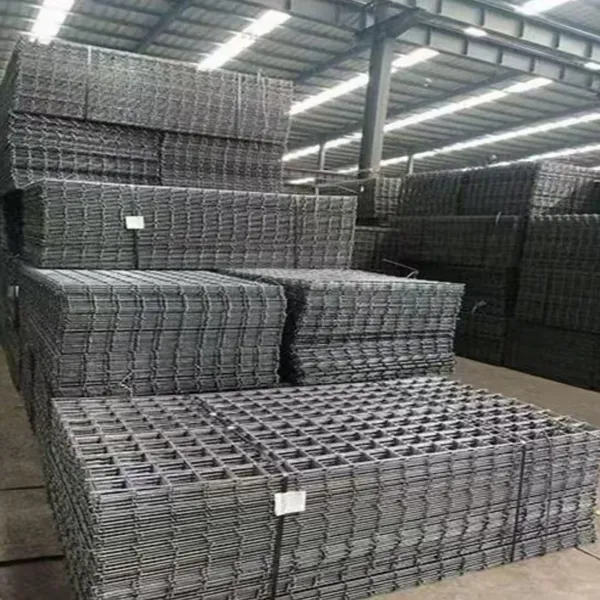 Read More
 -
Introduction to Cold Rolled Coils: High-Precision & High-Quality Cold Rolled Coils, Core Substrates
August 17, 2026In numerous industrial fields such as steel deep processing, precision manufacturing, automobile production, and home appliance ha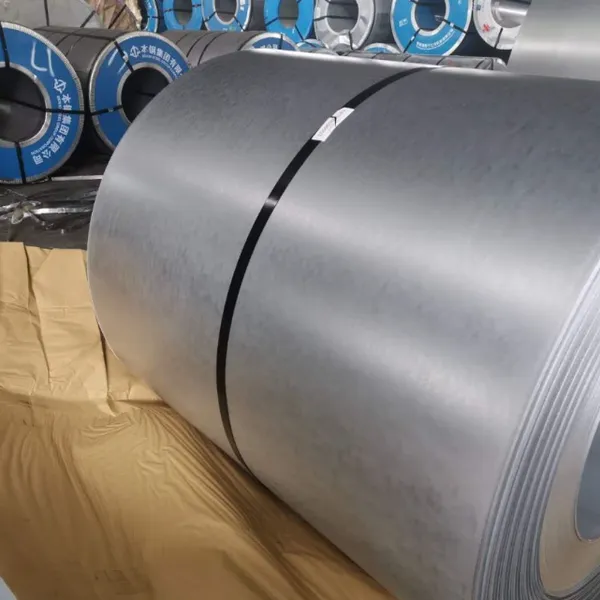 Read More
 -
A Complete Guide to Cast Pipes: Durable & Essential Engineering Pipes
August 17, 2026In various fields such as water supply and drainage, municipal engineering, metallurgy and chemical industry, and building constru Read More
 -
A Complete Guide to Precision Steel Tube: High-Tolerance Tubing for Industrial & Mechanical Systems
August 14, 2026Widely adopted in hydraulic systems, mechanical manufacturing, automotive engineering, pneumatic equipment and high-pressure indus Read More

Contact Us

Recommended Products
-
 Steel Sheet & Plate & Boiler Plate,EN 10028、ASTM A516 Gr60/70、P265GH、P355GHNegotiableMOQ: 5 Metric Tons
 -
Steel Coil & Strip & Hot Rolled Steel Coil,Q235B、SS400、A36、S235JR、SPHC、SPHD、Q355B/C/D、S355JR、S355J0NegotiableMOQ: 5 Metric Tons
-
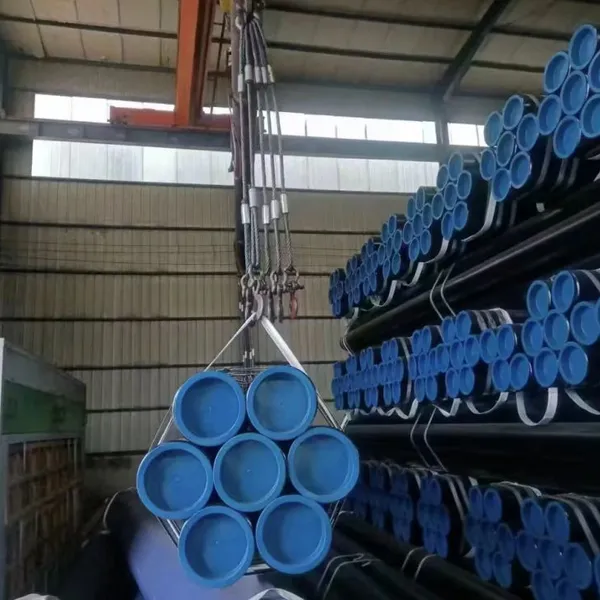
Steel Pipe & Tube & Oil Country Tubular Goods,API 5L Gr.B、X42、X52、X60、X65、X70、X80、E75、X95、G105、S135NegotiableMOQ: 5 Metric Tons
-
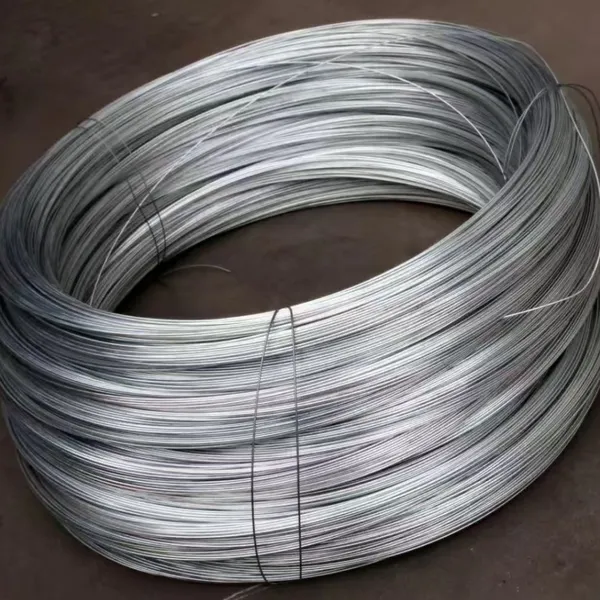
Iron Wire&Galvanized Iron Wire,GB/T 343, ASTM A853, JIS G 3532, EN 10264,Q195, Q235NegotiableMOQ: 5 Metric Tons
-
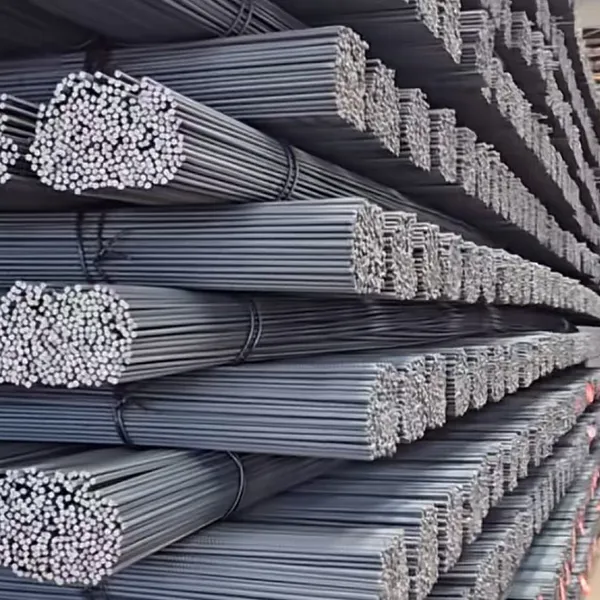
Rebar&Steel Rebar&Hot Rolled Rebar,HRB400, HRB500, HRBF400, HRBF500, B500B, B500C, Grade 60, Grade 75NegotiableMOQ: 5 Metric Tons
-
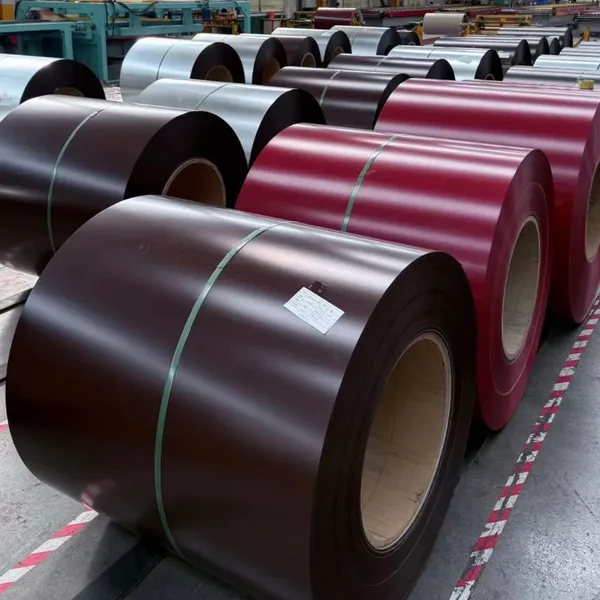
Steel Coil & Strip & Color Coated Steel Coil,PE, SMP, HDP, PVDFNegotiableMOQ: 5 Metric Tons
-
Seamless Steel Pipe& Steel Pipe & Tube,Q235B, Q355B, 20#, 45#, 16Mn, API 5L Gr.B, X42, X46, X52, X56, X60, X65, X70NegotiableMOQ: 5 Metric Tons
-
Angle Steel & Angle Bar,ASTM A36, JIS G3101, EN S235JR/S355JR, SS400NegotiableMOQ: 5 Metric Tons
-
Steel H Beam&H Beam ,Q235B, Q355B, S235JR, S235J0, S235J2, S355JR, S355J0, S355J2, A36, A572 Grade 50, A992NegotiableMOQ: 10 Metric Tons
-
Insulated Steel Pipe&Insulated Seamless Steel Pipe,RoHS, REACH, UL 94, VDE, IEC, GB/T 7113NegotiableMOQ: 5 Metric Tons
-
Hot-dip Galvanized Square Tubes&Steel Pipe & Tube,Q195, Q215, Q235B, Q355B, API 5L Gr.BNegotiableMOQ: 5 Metric Tons
-
Steel Pipe & Tube & High Pressure Boiler Tube,ASTM A213 (T Series)、ASTM A335 (P Series)、ASME SA213、SA335、EN 10216-2NegotiableMOQ: 5 Metric Tons
-
Steel Pipe & Tube & High Pressure Boiler Tube,38、42、48、51、57、60、76、89、108、133、159、168、194、219NegotiableMOQ: 5 Metric Tons
-
Insulated Pipe&Pre-insulated Pipe,RoHS, REACH, UL 94, VDE, IEC, GB/T 7113NegotiableMOQ: 5 Metric Tons
-
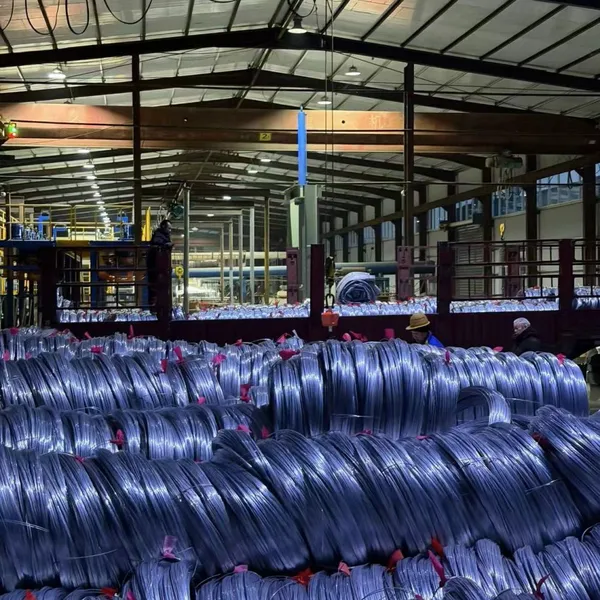
Steel Wire&Galvanized Steel Wire,Q195, Q235, 45#, 55#, 60#, 65#, 70#, 72A, 82BNegotiableMOQ: 5 Metric Tons
-
Steel Coil & Strip & Color Coated Steel Coil,TDC51D+Z、TS250GD+Z、TDC51D+AZ、TS350GD+AZ、TDC51D+ZM、SPCC、DC01NegotiableMOQ: 5 Metric Tons
-
Steel Pipe & Tube & Hot-Dip Galvanizing,Q195、Q215B、Q235BNegotiableMOQ: 5 Metric Tons
-
Steel Coil & Strip & Hot Rolled Coil,Q195、Q215、Q235B、Q255、Q345B、Q355B、Q420、Q460、SS400、SPHC、SPHD、SPHENegotiableMOQ: 5 Metric Tons
-
Steel Rebar & Deformed Steel Bar,HRB400、HRB400E、HRB500、HRB500ENegotiableMOQ: 5 Metric Tons
-
Galvanized Flat Bar&Flat Steel,GB/T 704, GB/T 13912, ASTM A123, JIS G3302NegotiableMOQ: 5 Metric Tons