
 Business License
Title: Reinforcing Steel Bars‑Full Guide for Global Buyers
Title: Reinforcing Steel Bars‑Full Guide for Global Buyers
Introduction
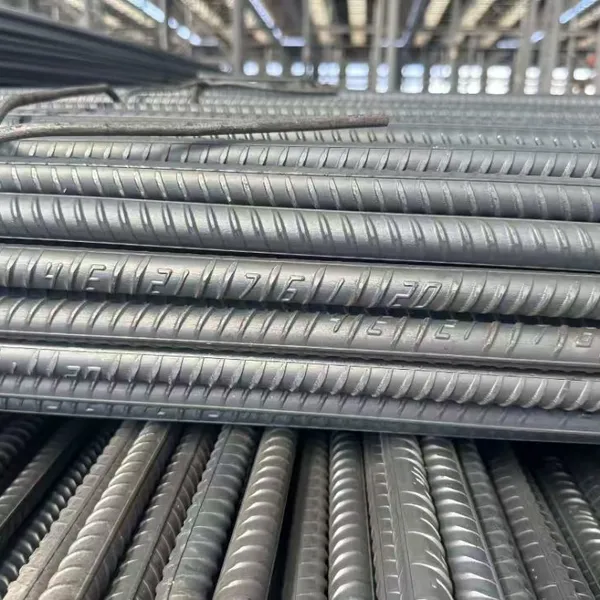
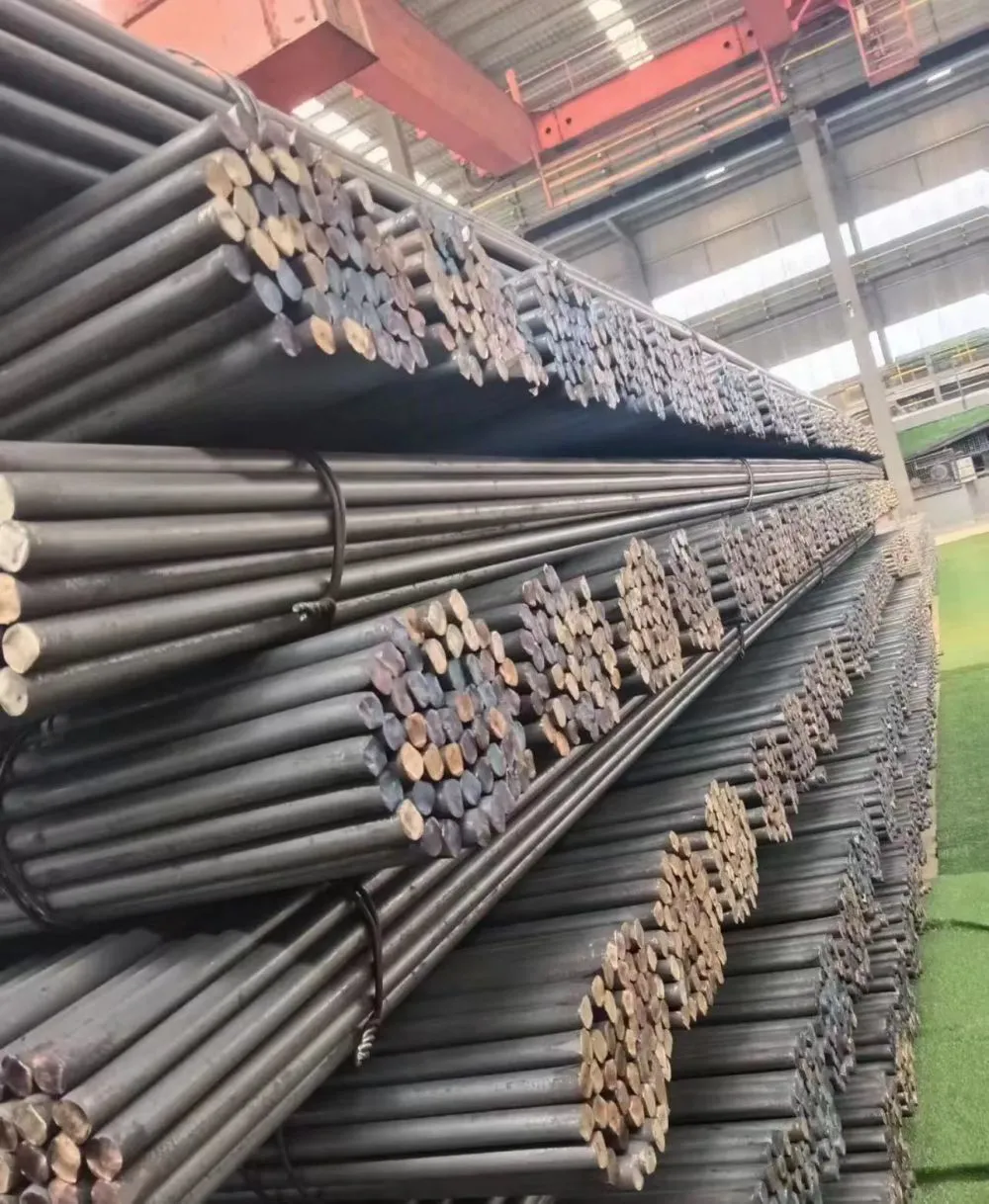
Rebar (reinforcement bar) is carbon‑steel ribbed bar used inside concrete. It bonds firmly with concrete, resists tensile force and stops concrete cracking. It is essential for residential buildings, highways, bridges, dams and infrastructure projects worldwide. Builders, contractors and project wholesalers need suitable‑grade rebar to guarantee long‑term structural safety. This blog covers classifications, main uses, purchasing points and supplier strengths.
Types of Rebar
1. Ordinary carbon rebar
HRB400, HRB500 are common grades. Good ductility and weldability, used for ordinary houses and small‑scale construction.
2. High‑strength deformed rebar
Higher yield strength, suited for high‑rise buildings, overpasses and heavy‑load projects. It withstands earthquakes and heavy long‑term loads.
3. Low‑temperature rebar
Adaptable to cold‑zone projects, low‑temperature impact‑resistant performance prevents brittle fracture in frigid weather.
4. Galvanized / epoxy coated rebar
Anti‑corrosion type for coastal salt‑spray areas, docks and marine projects, slowing rust from seawater and humid air.
Standard marks: GB, BS, ASTM, CARES certification for UK‑export goods.
Main Application Scope
1. Civil construction: house foundation, column, beam, floor slab concrete reinforcement.
2. Transport infrastructure: highway roadbed, bridge pier, tunnel reinforcement.
3. Hydraulic engineering: dams, retaining walls, water‑conservancy projects.
4. Municipal works: underground pipelines, viaducts, parking‑lot structures.
5. Port and coastal construction: seawall engineering.
Key Benefits of Quality Rebar
1. Stable tensile strength and uniform rib pattern for tight concrete bonding. No cracks or internal segregation.
2. Easy cutting, bending and splicing on‑site for construction convenience.
3. Earthquake‑resistant ductility to survive natural disasters.
4. Strict dimensional tolerance of diameter and length, match design drawings perfectly.
5. Recyclable steel material complying with green building standards.
Buying Tips for Overseas Purchasers
1. Confirm grade: HRB400 or HRB500 according to local building codes and load‑bearing requirements.
2. Check diameter tolerance, rib height and length tolerance following international standards.
3. Request mill test certificate (MTC), chemical composition and mechanical test reports for customs clearance.
4. Select straight‑bar or cut‑to‑length customized sizes to reduce site‑processing costs.
5. Verify third‑party certification such as CARES for European and British‑market entry.
Our Supplier Advantages
We export deformed steel rebar for global infrastructure projects.
‑ Complete sizes: 8mm‑40‑mm regular stock, custom fixed lengths.
‑ Qualified certificates including CARES, factory inspection papers.
‑ Bulk‑order stable supply, on‑time sea shipment. FOB, CIF trade terms available.
‑ Cut‑to‑length service saves your site labour cost.
‑ Professional after‑sales follow‑up for shipping and inspection issues.
Conclusion
Quality rebar decides project safety and service life. As global urban construction grows, earthquake‑resistant and anti‑corrosion rebar gains higher demand. Contact us for bulk quotation, technical sheets and inspection documents to get competitive factory‑direct prices.
Recently Posted
-
Steel Pipe Cutting Parts | Precision Cut to Size, Burr-Free & Custom Processing
August 19, 2026Steel Pipe Cutting Parts | Precision Cut to Size, Burr-Free & Custom Processing Steel pipe cutting parts are essential se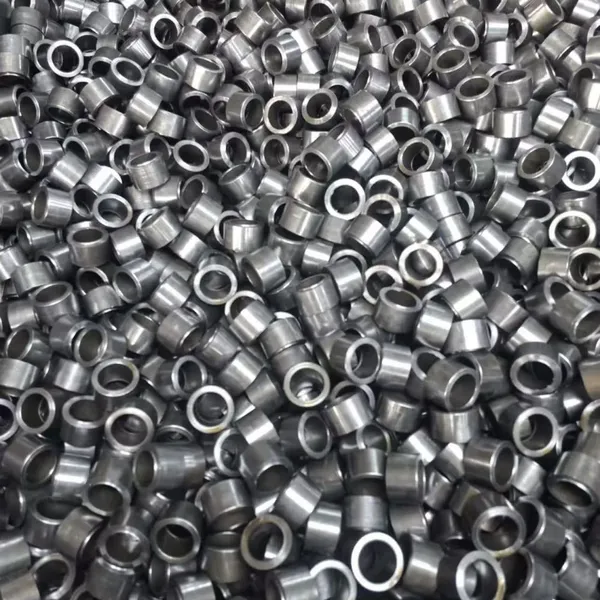 Read More
 -
Steel Rebar,Steel Reinforcement Mesh: Complete Guide for Construction & Civil Engineering
August 17, 2026Steel Reinforcement Mesh: Complete Guide for Construction & Civil Engineering Steel reinforcement mesh, also known as wel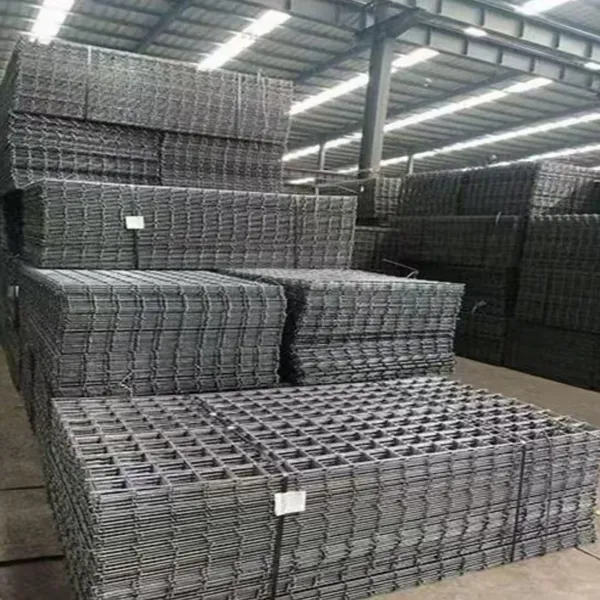 Read More
 -
Introduction to Cold Rolled Coils: High-Precision & High-Quality Cold Rolled Coils, Core Substrates
August 17, 2026In numerous industrial fields such as steel deep processing, precision manufacturing, automobile production, and home appliance ha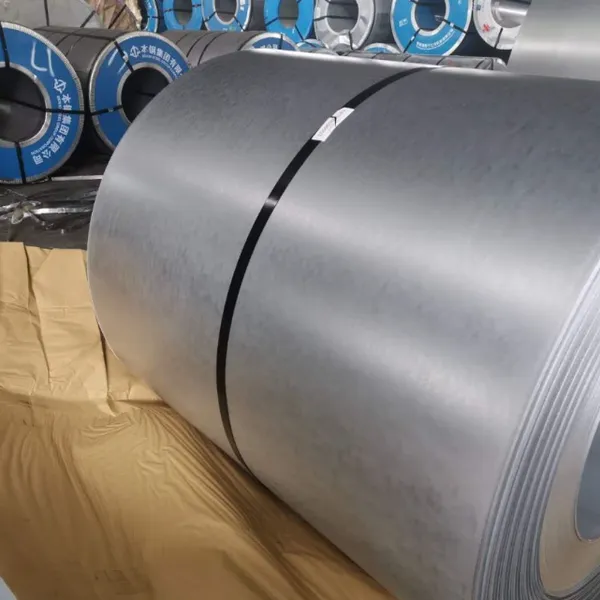 Read More
 -
A Complete Guide to Cast Pipes: Durable & Essential Engineering Pipes
August 17, 2026In various fields such as water supply and drainage, municipal engineering, metallurgy and chemical industry, and building constru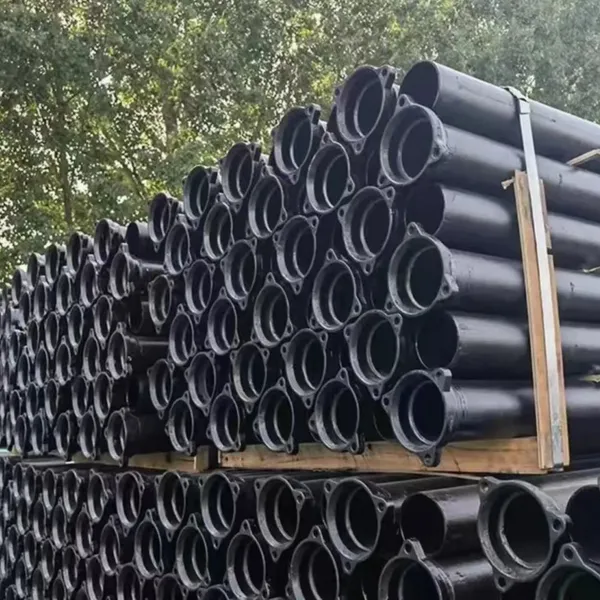 Read More

Contact Us

Recommended Products
-
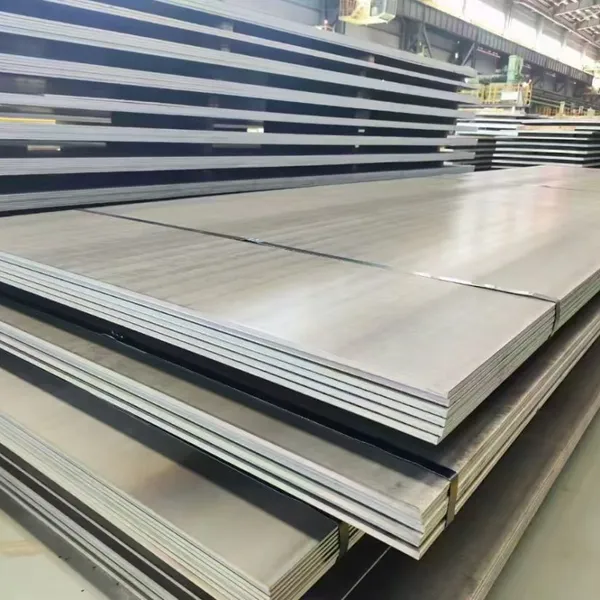
 Steel Sheet & Plate & Boiler Plate,EN 10028、ASTM A516 Gr60/70、P265GH、P355GHNegotiableMOQ: 5 Metric Tons
 -
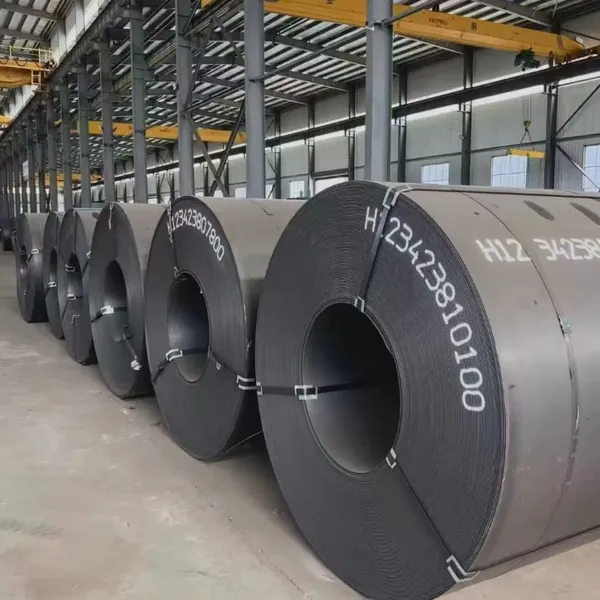
Steel Coil & Strip & Hot Rolled Steel Coil,Q235B、SS400、A36、S235JR、SPHC、SPHD、Q355B/C/D、S355JR、S355J0NegotiableMOQ: 5 Metric Tons
-
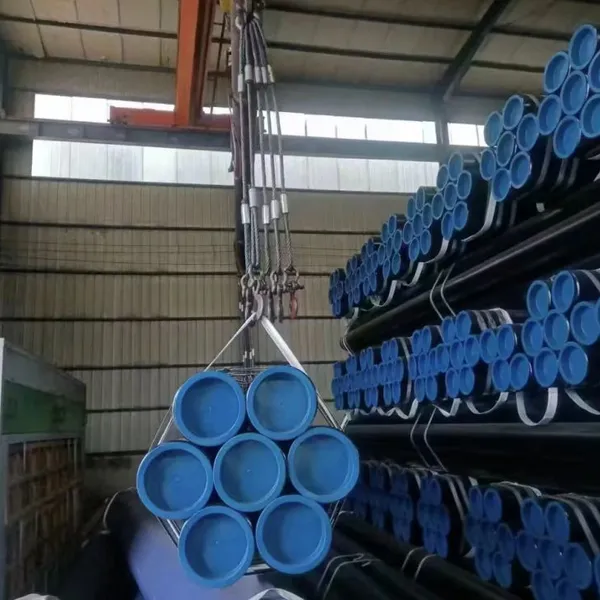
Steel Pipe & Tube & Oil Country Tubular Goods,API 5L Gr.B、X42、X52、X60、X65、X70、X80、E75、X95、G105、S135NegotiableMOQ: 5 Metric Tons
-
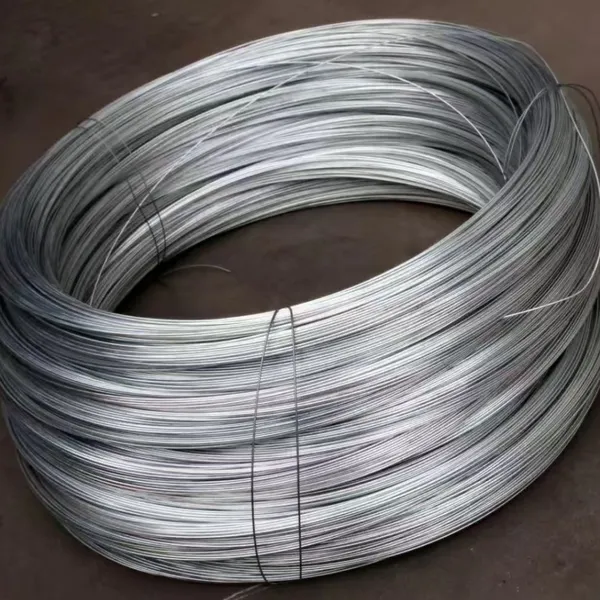
Iron Wire&Galvanized Iron Wire,GB/T 343, ASTM A853, JIS G 3532, EN 10264,Q195, Q235NegotiableMOQ: 5 Metric Tons
-
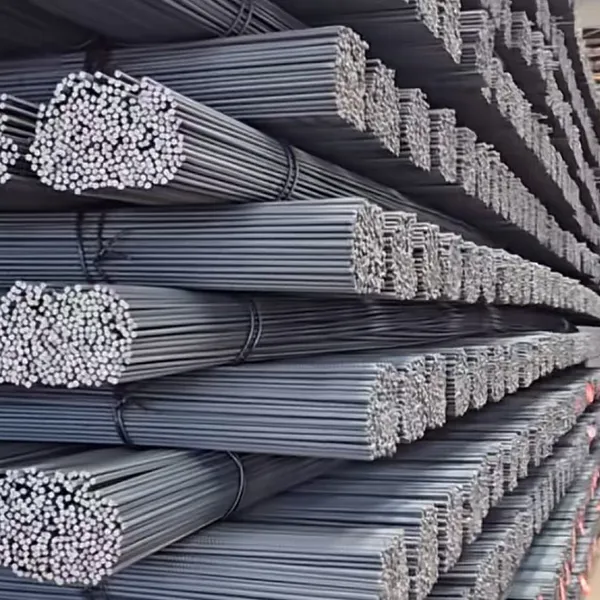
Rebar&Steel Rebar&Hot Rolled Rebar,HRB400, HRB500, HRBF400, HRBF500, B500B, B500C, Grade 60, Grade 75NegotiableMOQ: 5 Metric Tons
-
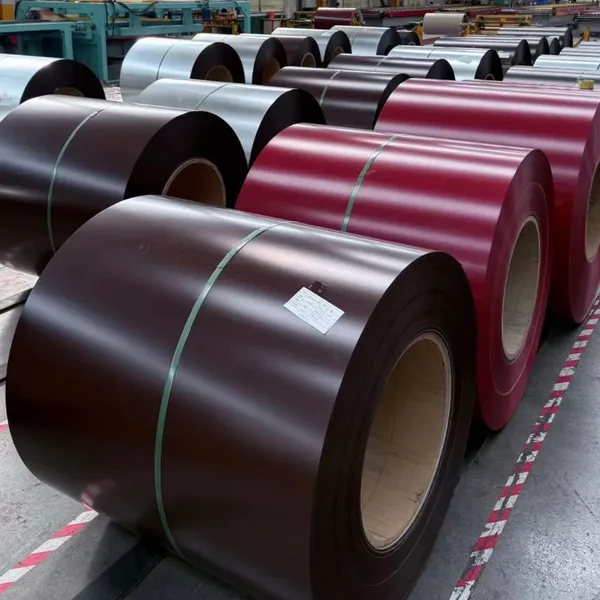
Steel Coil & Strip & Color Coated Steel Coil,PE, SMP, HDP, PVDFNegotiableMOQ: 5 Metric Tons
-
Seamless Steel Pipe& Steel Pipe & Tube,Q235B, Q355B, 20#, 45#, 16Mn, API 5L Gr.B, X42, X46, X52, X56, X60, X65, X70NegotiableMOQ: 5 Metric Tons
-
Angle Steel & Angle Bar,ASTM A36, JIS G3101, EN S235JR/S355JR, SS400NegotiableMOQ: 5 Metric Tons
-
Steel H Beam&H Beam ,Q235B, Q355B, S235JR, S235J0, S235J2, S355JR, S355J0, S355J2, A36, A572 Grade 50, A992NegotiableMOQ: 10 Metric Tons
-
Insulated Steel Pipe&Insulated Seamless Steel Pipe,RoHS, REACH, UL 94, VDE, IEC, GB/T 7113NegotiableMOQ: 5 Metric Tons
-
Hot-dip Galvanized Square Tubes&Steel Pipe & Tube,Q195, Q215, Q235B, Q355B, API 5L Gr.BNegotiableMOQ: 5 Metric Tons
-
Steel Pipe & Tube & High Pressure Boiler Tube,ASTM A213 (T Series)、ASTM A335 (P Series)、ASME SA213、SA335、EN 10216-2NegotiableMOQ: 5 Metric Tons
-
Steel Pipe & Tube & High Pressure Boiler Tube,38、42、48、51、57、60、76、89、108、133、159、168、194、219NegotiableMOQ: 5 Metric Tons
-
Insulated Pipe&Pre-insulated Pipe,RoHS, REACH, UL 94, VDE, IEC, GB/T 7113NegotiableMOQ: 5 Metric Tons
-
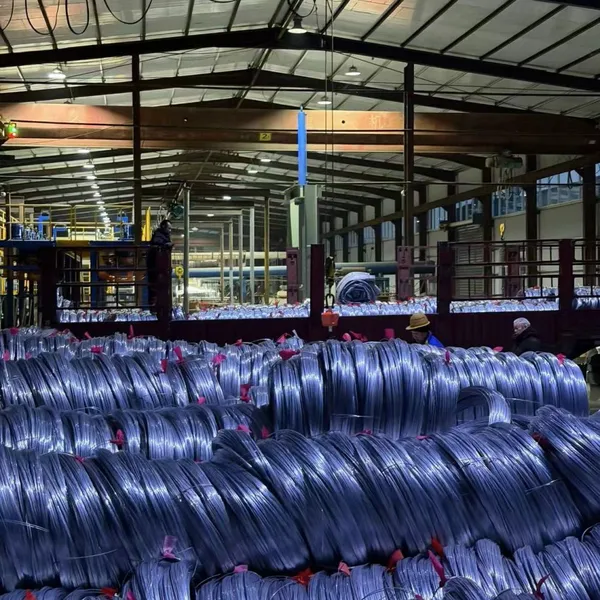
Steel Wire&Galvanized Steel Wire,Q195, Q235, 45#, 55#, 60#, 65#, 70#, 72A, 82BNegotiableMOQ: 5 Metric Tons
-
Steel Coil & Strip & Color Coated Steel Coil,TDC51D+Z、TS250GD+Z、TDC51D+AZ、TS350GD+AZ、TDC51D+ZM、SPCC、DC01NegotiableMOQ: 5 Metric Tons
-
Steel Pipe & Tube & Hot-Dip Galvanizing,Q195、Q215B、Q235BNegotiableMOQ: 5 Metric Tons
-
Steel Coil & Strip & Hot Rolled Coil,Q195、Q215、Q235B、Q255、Q345B、Q355B、Q420、Q460、SS400、SPHC、SPHD、SPHENegotiableMOQ: 5 Metric Tons
-
Steel Rebar & Deformed Steel Bar,HRB400、HRB400E、HRB500、HRB500ENegotiableMOQ: 5 Metric Tons
-
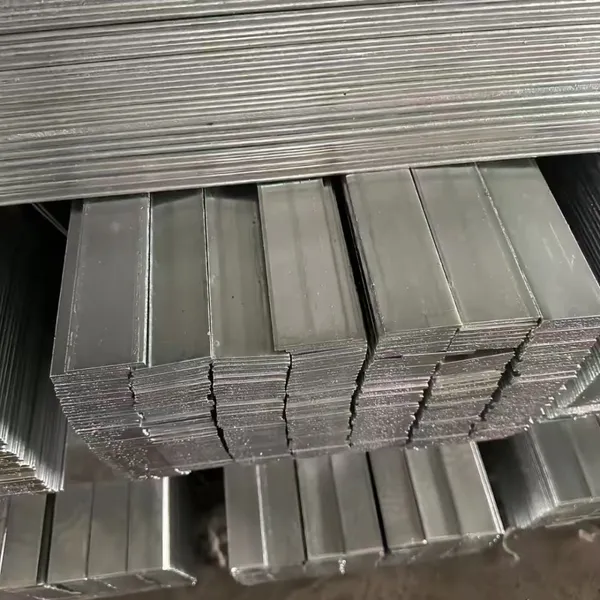
Galvanized Flat Bar&Flat Steel,GB/T 704, GB/T 13912, ASTM A123, JIS G3302NegotiableMOQ: 5 Metric Tons