
 Business License
Complete Guide to Deformed Steel Rebar: Specifications, Production, Application & Purchasing Tips
Complete Guide to Deformed Steel Rebar: Specifications, Production, Application & Purchasing Tips
In the global construction industry, deformed steel rebar (reinforcing bar) is an indispensable core building material. As the key raw material for reinforced concrete structures, high-quality rebar directly determines the safety, durability and service life of buildings, bridges, highways, tunnels and other infrastructure projects.
With the rapid development of global infrastructure construction in recent years, the demand for standard-compliant, cost-effective steel rebar keeps rising across Southeast Asia, the Middle East, Africa, Europe and other regions. This blog will comprehensively introduce everything you need to know about steel rebar, covering basic classification, core technical specifications, production process, international execution standards, wide application scenarios and key purchasing points for global buyers.
1. What is Deformed Steel Rebar?
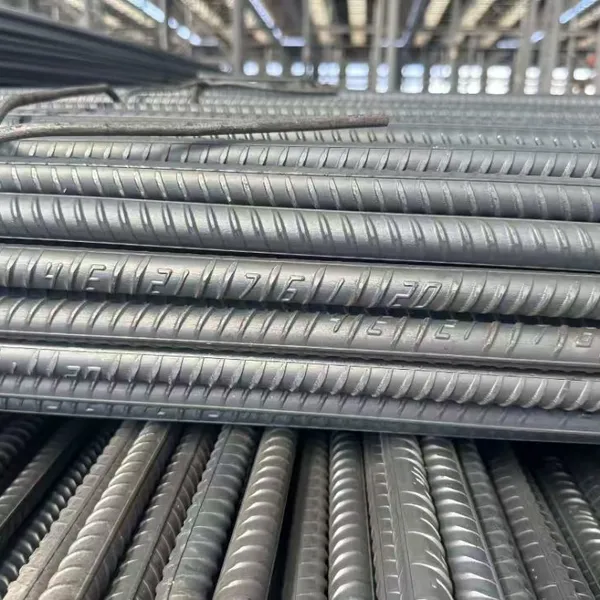
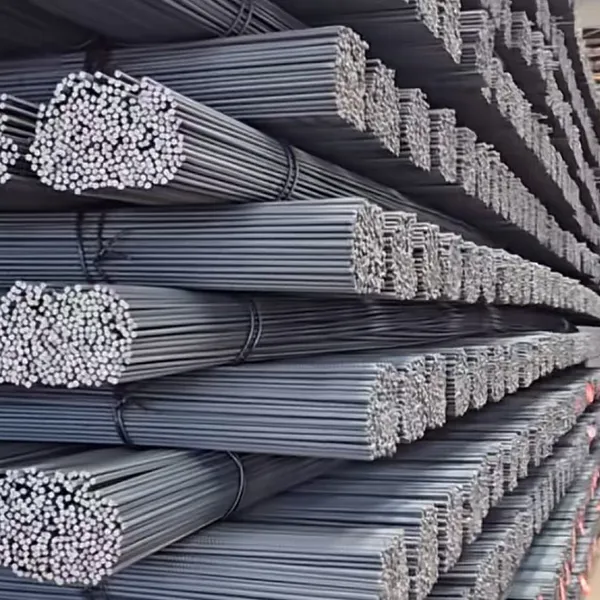
Steel rebar, also known as reinforcing steel bar, is a hot-rolled steel bar with regular transverse ribs on the surface. Compared with smooth round steel bars, the ribbed design greatly enhances the bonding force between rebar and concrete. It can effectively prevent steel bars from slipping inside concrete, jointly bear tensile stress, compressive stress and shear stress, and greatly improve the overall structural strength of concrete buildings.
Ordinary round steel bars are only suitable for simple low-load building projects, while deformed rebar is the mainstream choice for almost all modern reinforced concrete engineering due to its superior adhesion performance.
2. Common Specifications & Dimensions of Steel Rebar
Rebar is classified by nominal diameter, which is the most core parameter for international procurement. The mainstream specifications in the global market cover 12mm, 14mm, 16mm, 18mm, 20mm, 22mm, 25mm, 28mm, 32mm, etc.
We sorted out the standard parameters of commonly used rebar for your quick reference:
Nominal Diameter Theoretical Weight per Meter Common Length
12mm 0.888kg 9m / 12m / Customized
16mm 1.580kg 9m / 12m / Customized
20mm 2.470kg 9m / 12m / Customized
25mm 3.850kg 9m / 12m / Customized
32mm 6.310kg 9m / 12m / Customized
In terms of delivery length, fixed-length 9m and 12m rebars are the most popular in international trade, and we can also provide customized length cutting services according to customers' engineering construction needs to reduce material waste on site.
3. International Executive Standards for Rebar
Different countries and regions have exclusive mandatory standards for construction steel bars. When purchasing rebar, buyers must confirm the execution standard in advance to avoid engineering non-compliance problems:
1. Chinese Standard: GB 1499.2-2018, mainstream grades HRB400E, HRB500E (seismic rebar, most widely used globally)
2. British/European Standard: BS 4449, grades B500B, B500C, compliant with European construction engineering inspection
3. American Standard: ASTM A615, grades Grade 40, Grade 60
4. Middle East & African Standard: BS standard is mostly adopted, with strict requirements on seismic performance and chemical composition
Our factory fully supports customized production according to different national standards, and can provide official mill test certificates (MTC), third-party inspection reports (SGS, BV) and full set of customs clearance documents to meet local import customs inspection and engineering acceptance requirements.
4. Professional Production Process of High-Quality Rebar
High-performance seismic rebar adopts mature short-process steel rolling production technology, with strict quality control in every link:
1. Raw Material Feeding: Adopt high-quality steel billet as raw material, strictly control sulfur, phosphorus and other harmful element content to ensure steel toughness
2. Heating & Rough Rolling: Heat steel billet to constant temperature evenly, carry out multi-pass rough rolling to shape the steel bar outline
3. Finish Rolling & Rib Forming: Form standard transverse and longitudinal ribs through precision rolling mill to ensure consistent rib height and spacing
4. Online Cooling & Heat Treatment: Optimize internal steel structure through controlled cooling process, improve rebar yield strength and seismic resistance
5. Fixed-length Cutting & Bundling: Automatic fixed-length cutting, neat bundling, clear marking of grade, diameter and standard on each bundle
All production processes are monitored by full-line automation equipment, which effectively avoids manual errors and ensures stable and consistent quality of each batch of rebar.
5. Wide Application Fields of Steel Rebar
As the backbone of concrete structures, steel rebar covers almost all infrastructure and construction projects:
• Civil buildings: Residential buildings, office buildings, shopping malls, high-rise buildings
• Traffic infrastructure: Highways, railway bridges, viaducts, airport runways, subway tunnels
• Municipal engineering: Urban water conservancy projects, sewage treatment plants, retaining walls, municipal pipe corridors
• Special engineering: Hydropower stations, port terminals, nuclear power auxiliary facilities, earthquake-resistant fortification projects
Especially for high-rise buildings and seismic fortification areas, HRB400E and HRB500E seismic-resistant rebar must be used, which has better elongation and anti-seismic performance and can resist structural damage caused by earthquakes.
6. Key Points for Global Buyers to Purchase Rebar
Many overseas customers encounter quality inconsistency, insufficient actual weight and non-compliant standards when purchasing rebar. Here are core purchasing tips summarized by our professional steel team:
1. Prioritize seismic rebar for engineering projects: E-grade seismic rebar has better anti-cracking performance, which is the first choice for formal engineering projects
2. Verify actual weight vs theoretical weight: Regular manufacturers strictly follow theoretical weight delivery, reject underweight inferior products
3. Confirm supporting certification documents: Complete MTC, third-party inspection reports are necessary for local customs clearance and project acceptance
4. Reasonable packaging & shipping: Standard bundled packaging, waterproof and rust-proof protection, suitable for long-term ocean transportation
5. Choose reliable manufacturers: Cooperate with manufacturers with complete production qualifications to ensure stable supply cycle and after-sales service
7. Our Rebar Supply Advantages
We are a professional steel manufacturer focusing on global construction steel export, with mature rebar production and export system:
✅ Complete specifications: Full range of rebar diameters, support customized length and standard production
✅ Strict quality control: 100% full inspection before delivery, support third-party on-site inspection
✅ Complete documents: Provide full set of export customs clearance materials and engineering acceptance certificates
✅ Stable supply capacity: Annual output over 1 million tons, support bulk order delivery
✅ Professional logistics scheme: Cooperate with long-term shipping companies, optimize sea freight cost, deliver goods to ports all over the world
Final Words
Steel rebar is the foundation of all infrastructure construction, and qualified steel materials are the primary guarantee for project safety. Choosing high-standard, high-quality rebar can effectively reduce later engineering maintenance costs and avoid potential safety hazards.
If you have demands for steel rebar quotation, sample testing, customized production or bulk order procurement, feel free to contact us anytime. We will provide you with the most competitive factory direct price and one-stop steel supply solution!
#SteelRebar #ConstructionSteel #DeformedRebar #SteelManufacturer #InfrastructureSteel
Recently Posted
-
Steel Rebar,Steel Reinforcement Mesh: Complete Guide for Construction & Civil Engineering
August 17, 2026Steel Reinforcement Mesh: Complete Guide for Construction & Civil Engineering Steel reinforcement mesh, also known as wel Read More
 -
Introduction to Cold Rolled Coils: High-Precision & High-Quality Cold Rolled Coils, Core Substrates
August 17, 2026In numerous industrial fields such as steel deep processing, precision manufacturing, automobile production, and home appliance ha Read More
 -
A Complete Guide to Cast Pipes: Durable & Essential Engineering Pipes
August 17, 2026In various fields such as water supply and drainage, municipal engineering, metallurgy and chemical industry, and building constru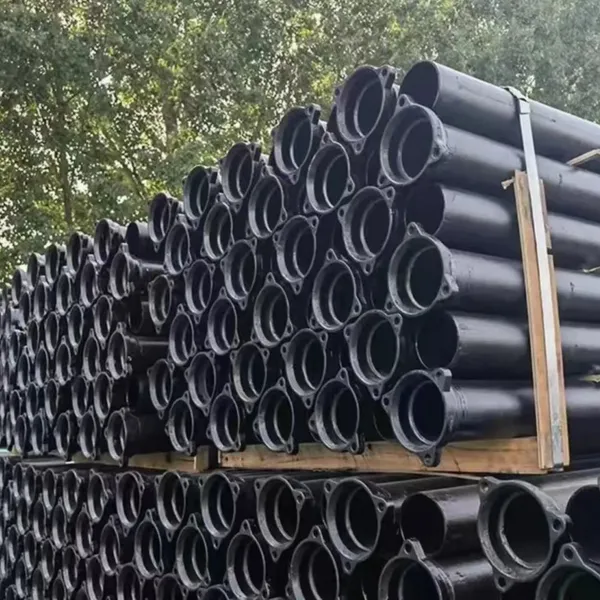 Read More
 -
A Complete Guide to Precision Steel Tube: High-Tolerance Tubing for Industrial & Mechanical Systems
August 14, 2026Widely adopted in hydraulic systems, mechanical manufacturing, automotive engineering, pneumatic equipment and high-pressure indus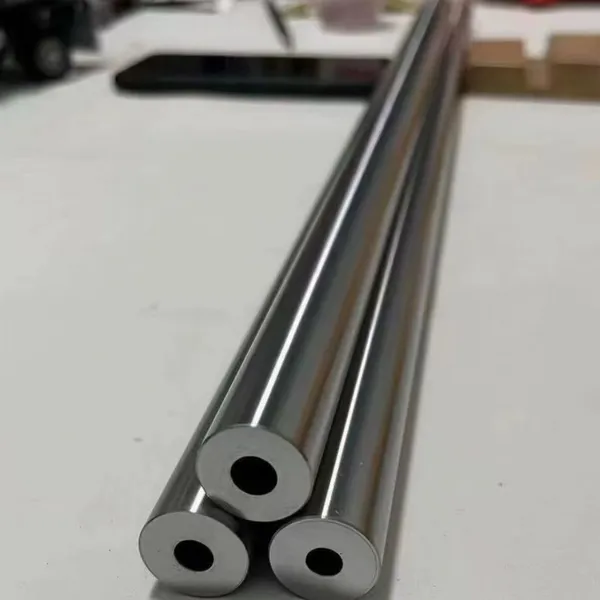 Read More

Contact Us

Recommended Products
-
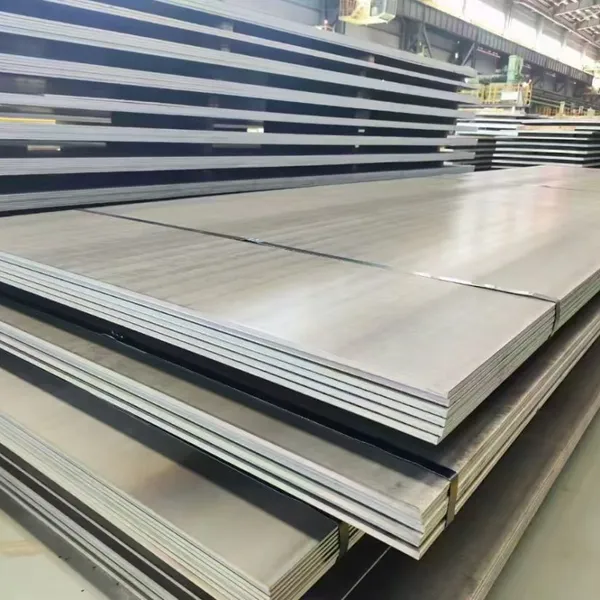
 Steel Sheet & Plate & Boiler Plate,EN 10028、ASTM A516 Gr60/70、P265GH、P355GHNegotiableMOQ: 5 Metric Tons
 -
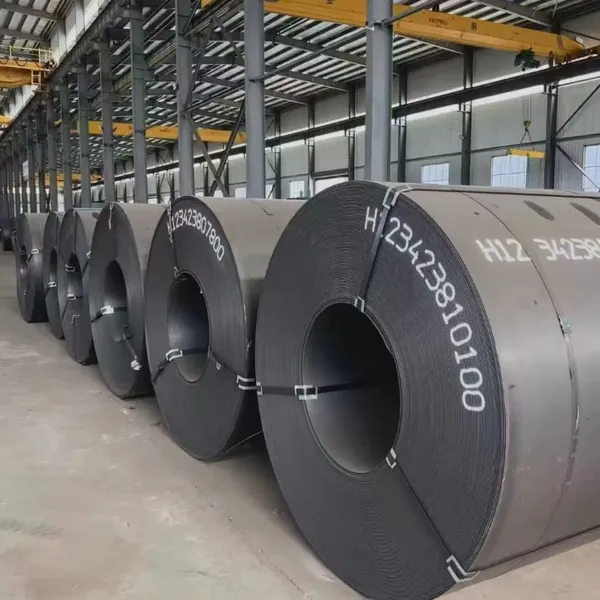
Steel Coil & Strip & Hot Rolled Steel Coil,Q235B、SS400、A36、S235JR、SPHC、SPHD、Q355B/C/D、S355JR、S355J0NegotiableMOQ: 5 Metric Tons
-
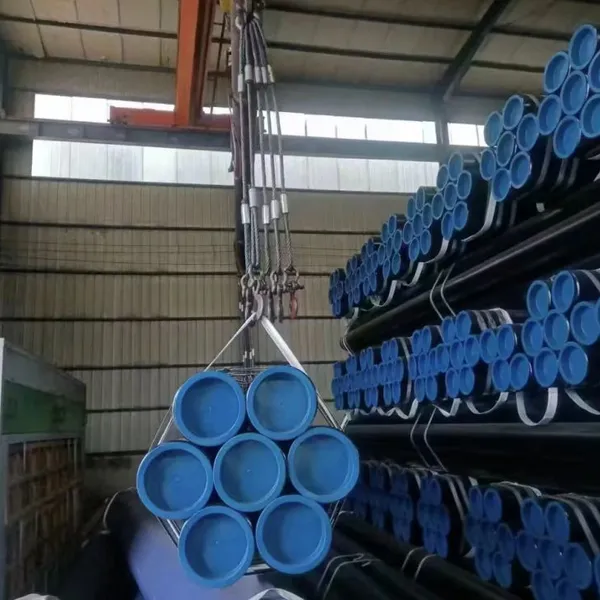
Steel Pipe & Tube & Oil Country Tubular Goods,API 5L Gr.B、X42、X52、X60、X65、X70、X80、E75、X95、G105、S135NegotiableMOQ: 5 Metric Tons
-
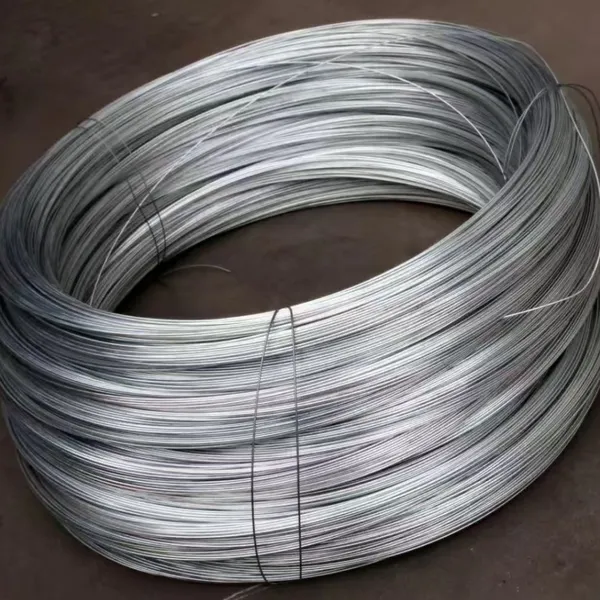
Iron Wire&Galvanized Iron Wire,GB/T 343, ASTM A853, JIS G 3532, EN 10264,Q195, Q235NegotiableMOQ: 5 Metric Tons
-
Rebar&Steel Rebar&Hot Rolled Rebar,HRB400, HRB500, HRBF400, HRBF500, B500B, B500C, Grade 60, Grade 75NegotiableMOQ: 5 Metric Tons
-
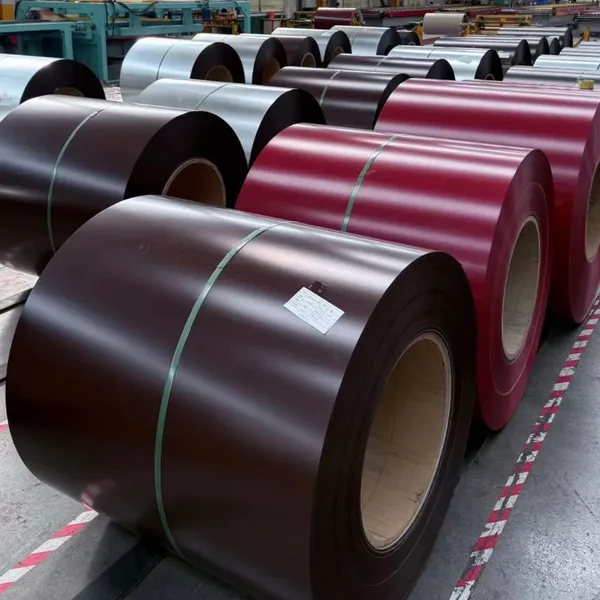
Steel Coil & Strip & Color Coated Steel Coil,PE, SMP, HDP, PVDFNegotiableMOQ: 5 Metric Tons
-
Seamless Steel Pipe& Steel Pipe & Tube,Q235B, Q355B, 20#, 45#, 16Mn, API 5L Gr.B, X42, X46, X52, X56, X60, X65, X70NegotiableMOQ: 5 Metric Tons
-
Angle Steel & Angle Bar,ASTM A36, JIS G3101, EN S235JR/S355JR, SS400NegotiableMOQ: 5 Metric Tons
-
Steel H Beam&H Beam ,Q235B, Q355B, S235JR, S235J0, S235J2, S355JR, S355J0, S355J2, A36, A572 Grade 50, A992NegotiableMOQ: 10 Metric Tons
-
Insulated Steel Pipe&Insulated Seamless Steel Pipe,RoHS, REACH, UL 94, VDE, IEC, GB/T 7113NegotiableMOQ: 5 Metric Tons
-
Hot-dip Galvanized Square Tubes&Steel Pipe & Tube,Q195, Q215, Q235B, Q355B, API 5L Gr.BNegotiableMOQ: 5 Metric Tons
-
Steel Pipe & Tube & High Pressure Boiler Tube,ASTM A213 (T Series)、ASTM A335 (P Series)、ASME SA213、SA335、EN 10216-2NegotiableMOQ: 5 Metric Tons
-
Steel Pipe & Tube & High Pressure Boiler Tube,38、42、48、51、57、60、76、89、108、133、159、168、194、219NegotiableMOQ: 5 Metric Tons
-
Insulated Pipe&Pre-insulated Pipe,RoHS, REACH, UL 94, VDE, IEC, GB/T 7113NegotiableMOQ: 5 Metric Tons
-
Steel Wire&Galvanized Steel Wire,Q195, Q235, 45#, 55#, 60#, 65#, 70#, 72A, 82BNegotiableMOQ: 5 Metric Tons
-
Steel Coil & Strip & Color Coated Steel Coil,TDC51D+Z、TS250GD+Z、TDC51D+AZ、TS350GD+AZ、TDC51D+ZM、SPCC、DC01NegotiableMOQ: 5 Metric Tons
-
Steel Pipe & Tube & Hot-Dip Galvanizing,Q195、Q215B、Q235BNegotiableMOQ: 5 Metric Tons
-
Steel Coil & Strip & Hot Rolled Coil,Q195、Q215、Q235B、Q255、Q345B、Q355B、Q420、Q460、SS400、SPHC、SPHD、SPHENegotiableMOQ: 5 Metric Tons
-
Steel Rebar & Deformed Steel Bar,HRB400、HRB400E、HRB500、HRB500ENegotiableMOQ: 5 Metric Tons
-
Galvanized Flat Bar&Flat Steel,GB/T 704, GB/T 13912, ASTM A123, JIS G3302NegotiableMOQ: 5 Metric Tons