
 Business License
Steel Rebar: High Strength Deformed Reinforcing Bar for Construction Engineering
Steel Rebar: High Strength Deformed Reinforcing Bar for Construction Engineering
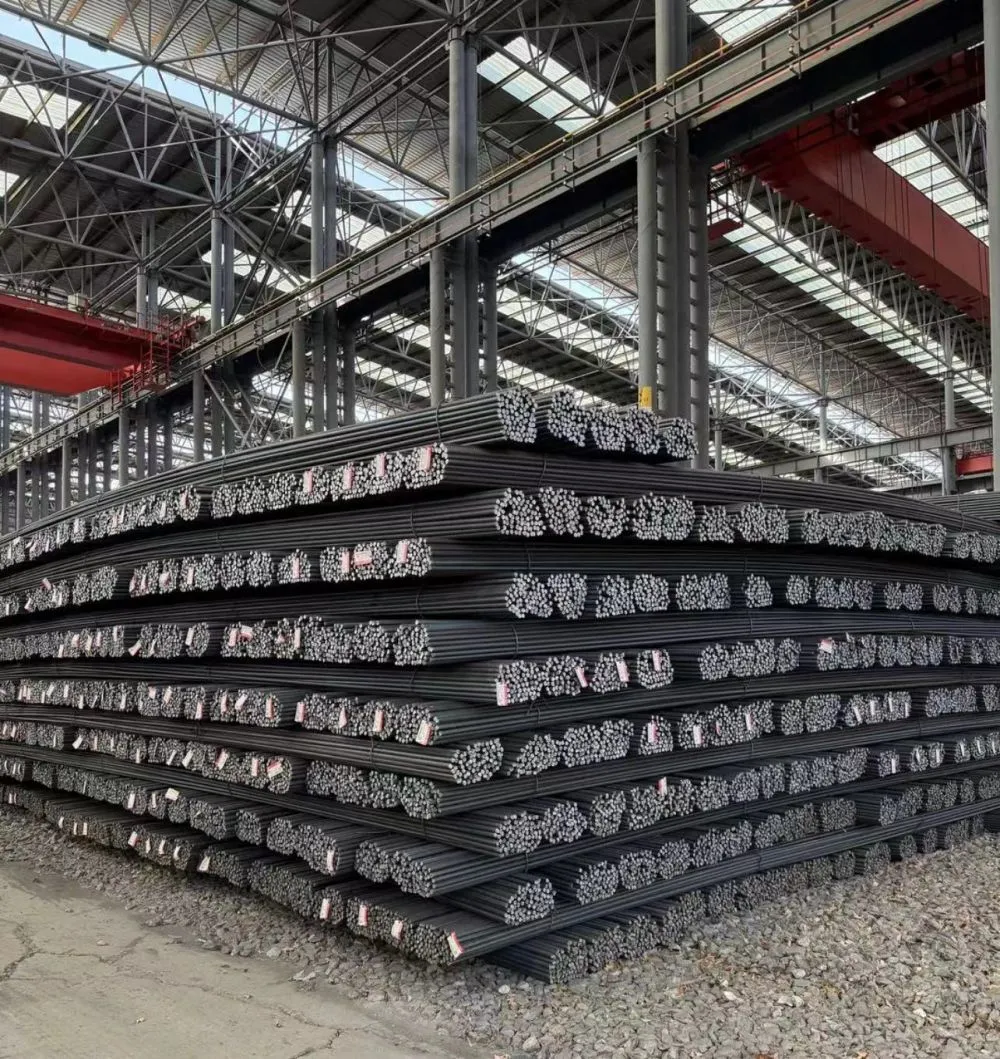
Steel rebar, also known as reinforcing bar, is a core steel product indispensable in modern construction and infrastructure engineering. With high tensile strength, excellent ductility, strong bonding force with concrete and stable structural performance, steel rebar is widely used in buildings, bridges, roads, tunnels, dams and municipal engineering projects. It effectively improves the compression and crack resistance of concrete structures, ensuring the overall safety and durability of construction projects.
What is Steel Rebar?
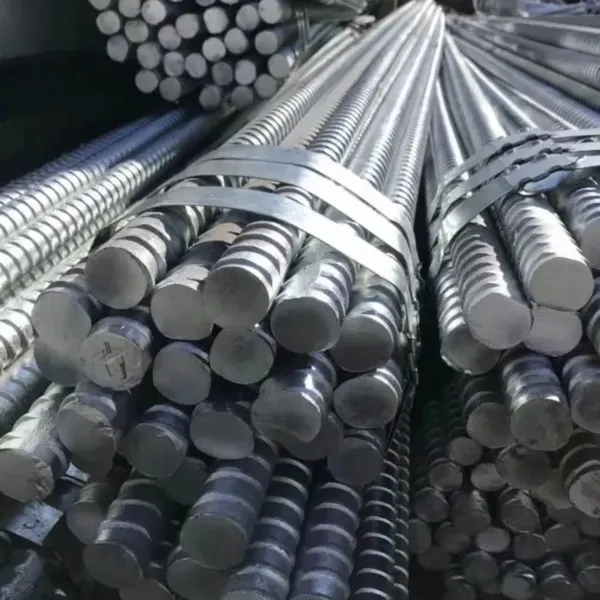
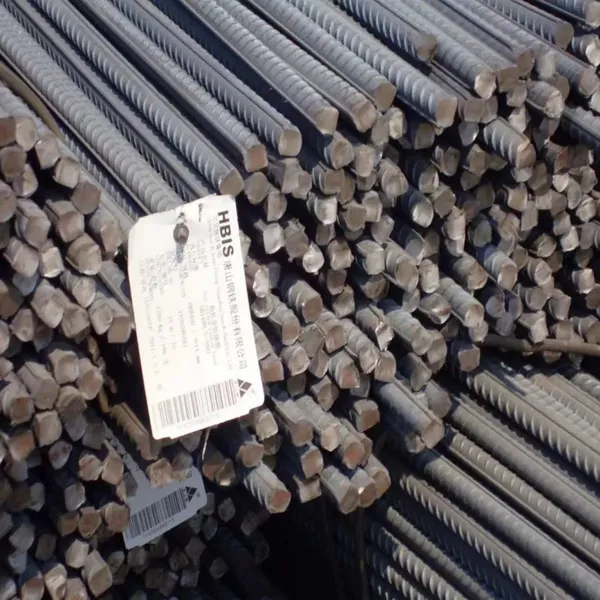
Steel rebar is a hot-rolled ribbed steel bar made of carbon structural steel and low-alloy structural steel. It is divided into plain round bar and deformed ribbed bar.
Deformed steel rebar with spiral or crescent ribs on the surface can form powerful friction adhesion with concrete. This greatly prevents structural cracking and falling off under long-term load, earthquake and pressure conditions. As the key tension-bearing material of reinforced concrete structures, rebar is the basic guarantee for building stability.
Main Types & Grades
According to international production standards and mechanical properties, steel rebar is classified into multiple mainstream grades suitable for different engineering load requirements:
Common International Grades
- HRB400 / HRB400E: Most widely used grade, medium strength, excellent seismic performance, suitable for residential buildings, commercial buildings and conventional infrastructure
- HRB500 / HRB500E: High-strength rebar, used for high-rise buildings, large bridges, heavy-load industrial plants
- ASTM A615 Grade 40 / 60: American standard rebar for international construction projects
- BS4449 B500B: British standard seismic rebar for European and African engineering
The suffix E represents earthquake-resistant rebar, featuring better toughness, low-temperature resistance and anti-seismic ductility, mandatory for high-rise and key seismic-resistant projects.
Standard Specifications
Steel rebar has fixed standard diameters and regular lengths to meet unified engineering construction standards:
- Diameter: 6mm, 8mm, 10mm, 12mm, 14mm, 16mm, 20mm, 22mm, 25mm, 28mm, 32mm
- Standard Length: 9 meters / 12 meters (custom cutting available)
- Type: Deformed Rebar, Plain Round Rebar, Seismic Resistant Rebar
- Execution Standards: GB, ASTM A615, BS4449, ISO Standard
Core Advantages of Our Steel Rebar
1. Stable High Mechanical Performance
Strict chemical composition control ensures qualified tensile strength, yield strength and elongation. The rebar is not easy to deform or break under heavy load, meeting national and international engineering acceptance standards.
2. Excellent Seismic & Crack Resistance
Uniform rib spacing and smooth surface ensure perfect combination with concrete. Anti-seismic grades effectively resist structural vibration and pressure, adapting to complex geological environments.
3. Strict Quality Control
All products pass mechanical property testing, chemical composition analysis and dimensional inspection. Each batch is equipped with complete MTC 3.1 mill test certificate to support third-party inspection.
4. Good Weldability & Processability
Uniform material organization supports cutting, bending, welding and threading processing, convenient for on-site construction and secondary processing.
Wide Application Scope
Steel rebar is the most essential building material for global infrastructure construction:
- Civil construction: High-rise buildings, residential communities, shopping malls, industrial workshops
- Traffic engineering: Highway bridges, railway viaducts, tunnels, airport terminals
- Water conservancy projects: Dams, river levees, water pool structures
- Municipal engineering: Subway structures, urban pipelines, bridge supports
Supply & Quality Service
We are a professional foreign trade supplier of construction steel materials. We supply full-size and full-grade steel rebar for global engineering projects.
All rebar is produced in strict accordance with international standards, with stable quality and sufficient stock. We provide official MTC certificates, support customized length processing and anti-rust packaging.
Supported trade terms: FOB, CIF, CFR. Goods are shipped stably from Qingdao Port, exported to Africa, Southeast Asia, Central Asia and European markets, providing one-stop steel procurement solutions for overseas contractors and traders.
Conclusion
High-quality steel rebar determines the safety and service life of construction projects. Our standard seismic deformed rebar features stable performance, complete specifications and certificated quality, fully meeting the requirements of various civil and industrial engineering construction.
If you need real-time steel rebar price list, bulk wholesale quotation or customized service, welcome to contact us for professional support.
Recently Posted
-
Complete Guide to Steel Pipe Selection & Application: Performance Comparison and Industry Standards
July 28, 2026Steel Pipe is the fundamental industrial tubing widely used in construction, fluid transportation, petrochemical engineering, mach Read More
 -
Precision Steel Tube: High Precision Cold Rolled & Cold Drawn Tube for Industrial Manufacturing
July 24, 2026Precision Steel Tube: High Precision Cold Rolled & Cold Drawn Tube for Industrial Manufacturing In modern high-end indust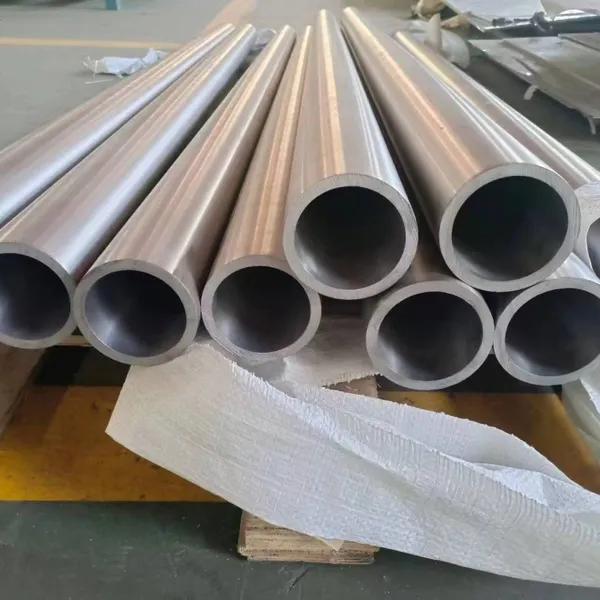 Read More
 -
Steel Wire: Types, Specifications, Performance & Global Industrial Applications
July 24, 2026Steel wire, also named carbon steel wire, galvanized steel wire, binding steel wire, cold drawn steel wire, is a thin metal steel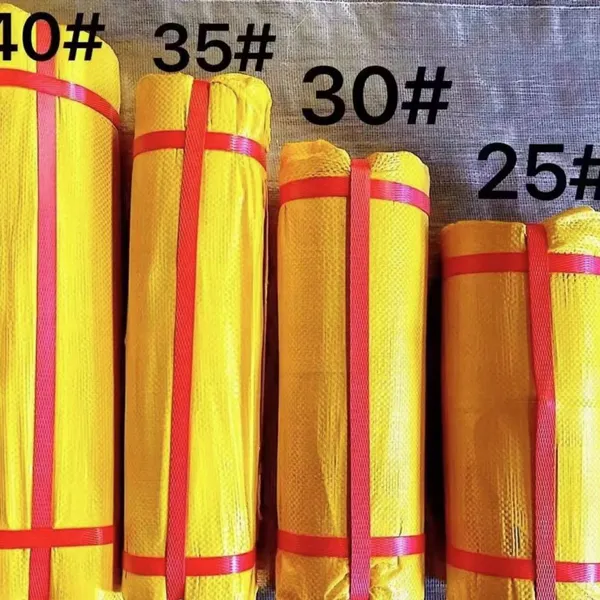 Read More
 -
Steel Coil: Types, Specifications, Performance & Industrial Applications
July 24, 2026Steel Coil, also known as steel coil strip, carbon steel coil, hot rolled steel coil and industrial steel coil, is a continuously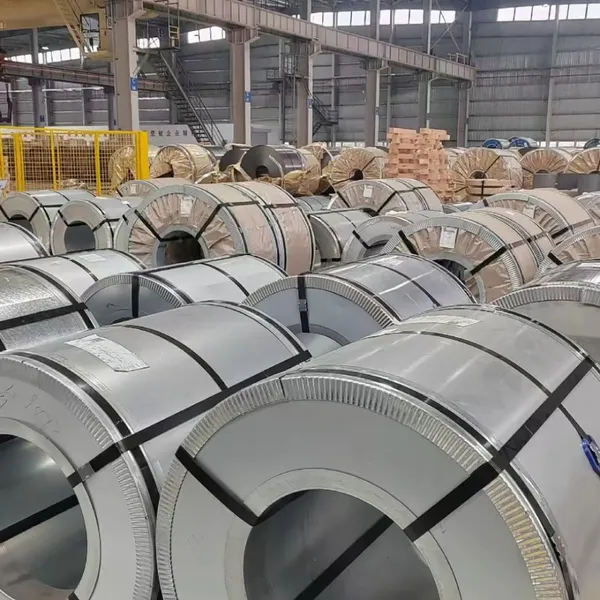 Read More

Contact Us

Recommended Products
-
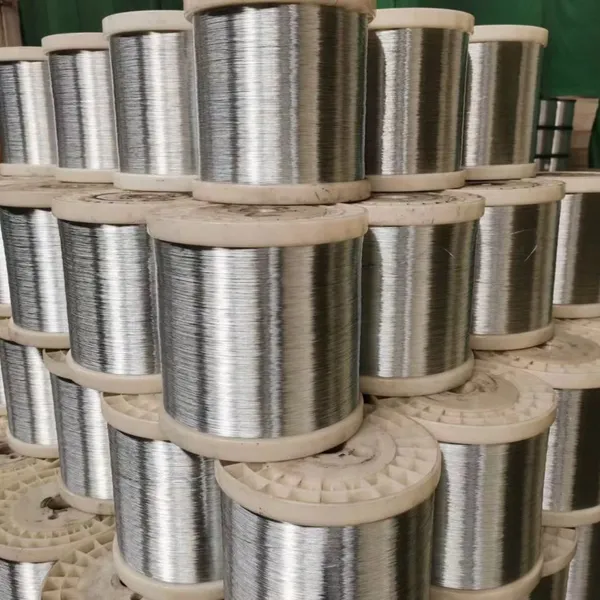
 Iron Wire&Galvanized Iron Wire,GB/T 343, ASTM A853, JIS G 3532, EN 10264,Q195, Q235NegotiableMOQ: 5 Metric Tons
 -
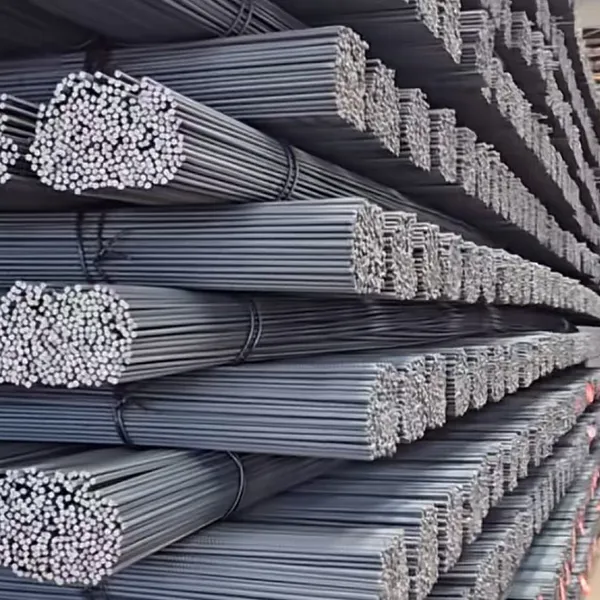
Rebar&Steel Rebar&Hot Rolled Rebar,HRB400, HRB500, HRBF400, HRBF500, B500B, B500C, Grade 60, Grade 75NegotiableMOQ: 5 Metric Tons
-
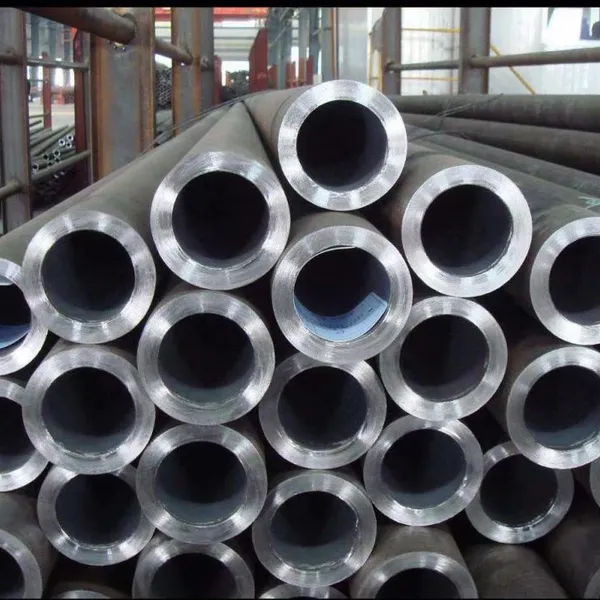
Steel Pipe & Tube&Seamless Steel Pipe,Q235B, Q355B, 10#, 20#, 16Mn, L245, L360, SS330, SS400, A53 Gr.BNegotiableMOQ: 5 Metric Tons
-
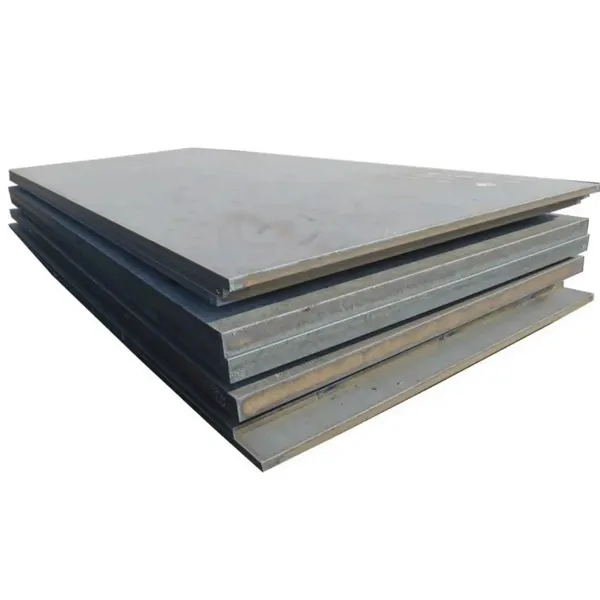
Alloy Steel Plate& Steel Sheet & Plate,GB/T 3077, ASTM A204, ASTM A387, EN 10028, JIS G4105NegotiableMOQ: 5 Metric Tons
-
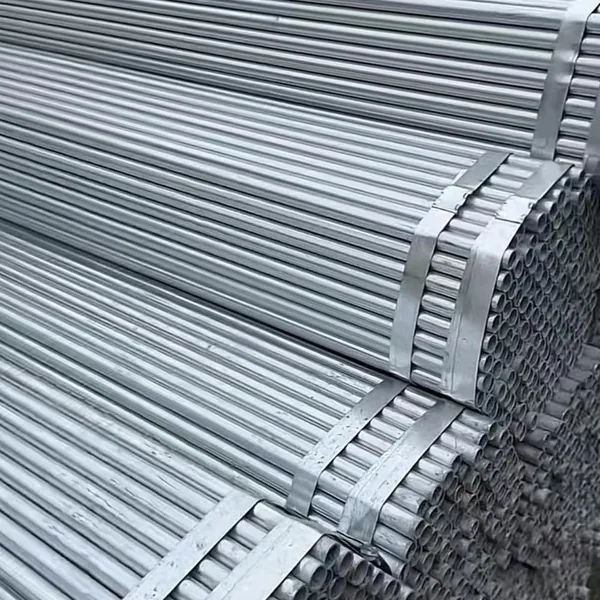
Hot-dip Galvanized Steel Pipe&Steel Pipe & Tube,Q195, Q215, Q235B, Q355B, API 5L Gr.BNegotiableMOQ: 5 Metric Tons
-
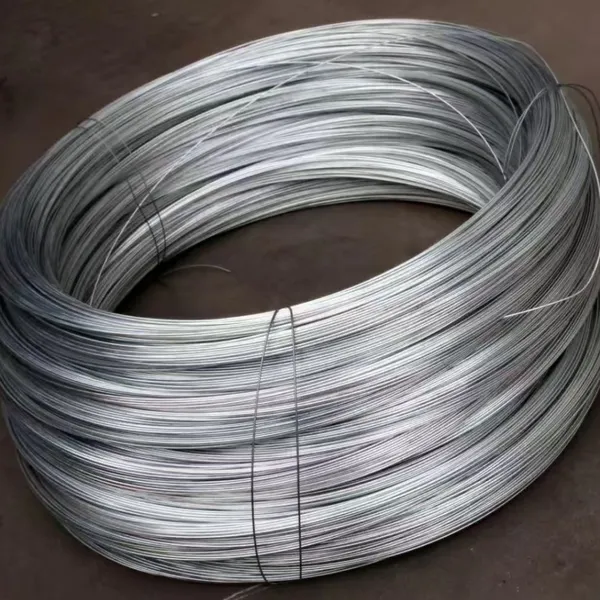
Galvanized Iron Wire&Steel Wire,NegotiableMOQ: 5 Kilograms
-
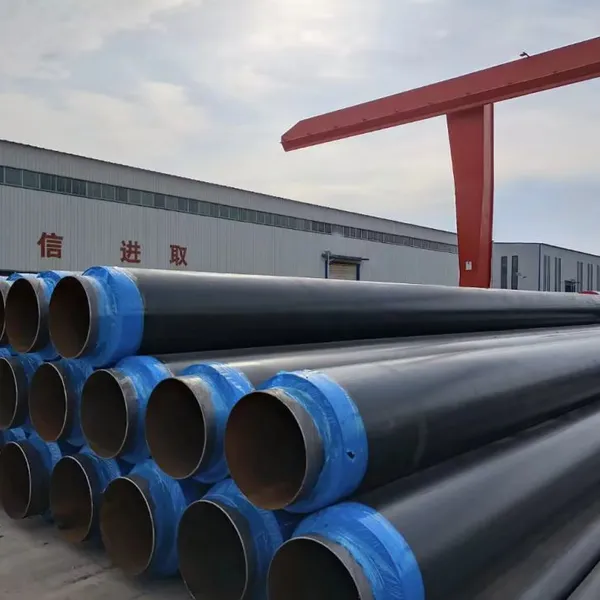
Insulated Steel Pipe&Insulated Seamless Steel Pipe,RoHS, REACH, UL 94, VDE, IEC, GB/T 7113NegotiableMOQ: 5 Metric Tons
-
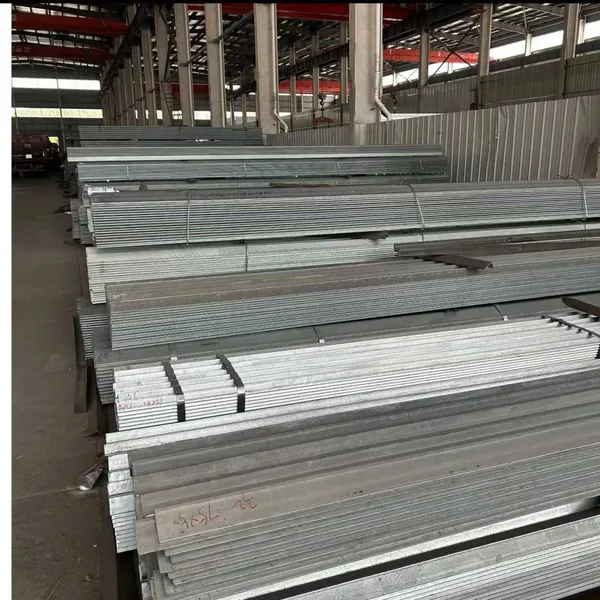
Steel Angle&Angle Bar,Q235B, Q355B, S235JR, S355JR, A36, SS400NegotiableMOQ: 5 Metric Tons
-
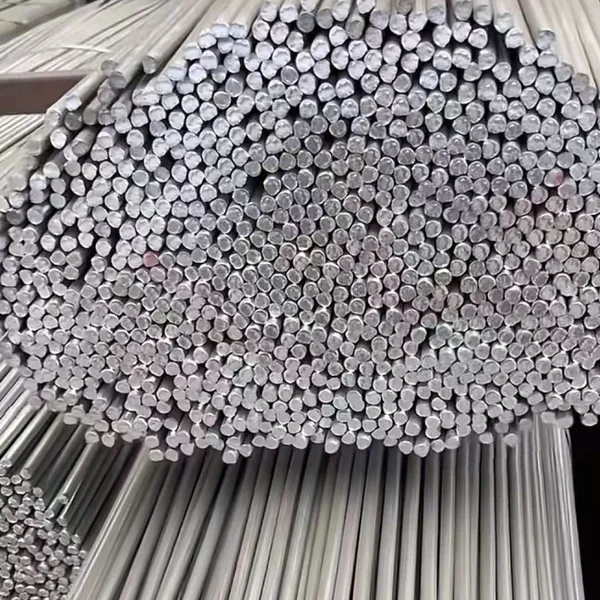
Steel Rebar&Deformed Steel Bar,HRB400、HRB400E、HRB500、HRB500E、Grade 40、Grade 60NegotiableMOQ: 5 Metric Tons
-
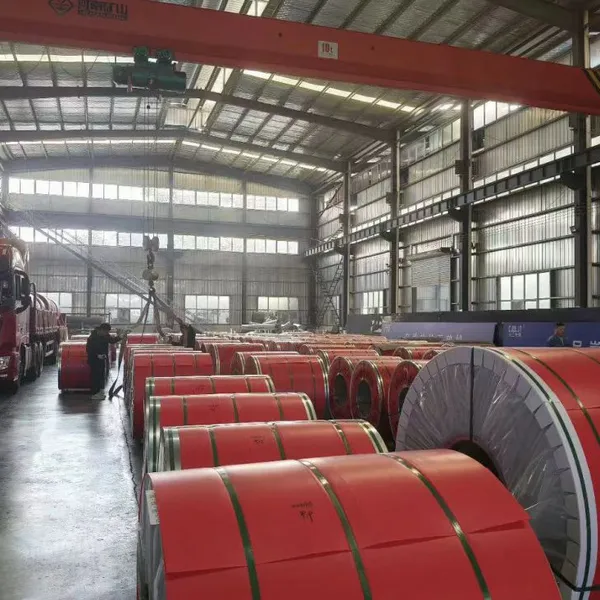
Steel Coil & Strip&Cold Rolled Steel Coil,Q195, Q215, Q235B, Q355B, SPCC, SPHC, DC01, DC04NegotiableMOQ: 5 Metric Tons
-
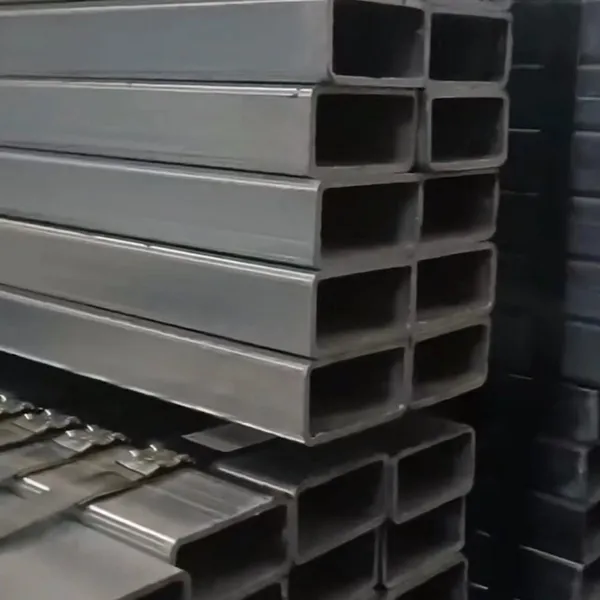
Hot-dip Galvanized Square Tubes&Steel Pipe & Tube,Q195, Q215, Q235B, Q355B, API 5L Gr.BNegotiableMOQ: 5 Metric Tons
-
Steel Rebar&Deformed Steel Bar,HRB400、HRB400E、HRB500、HRB500E、Grade 40、Grade 60NegotiableMOQ: 5 Metric Tons
-
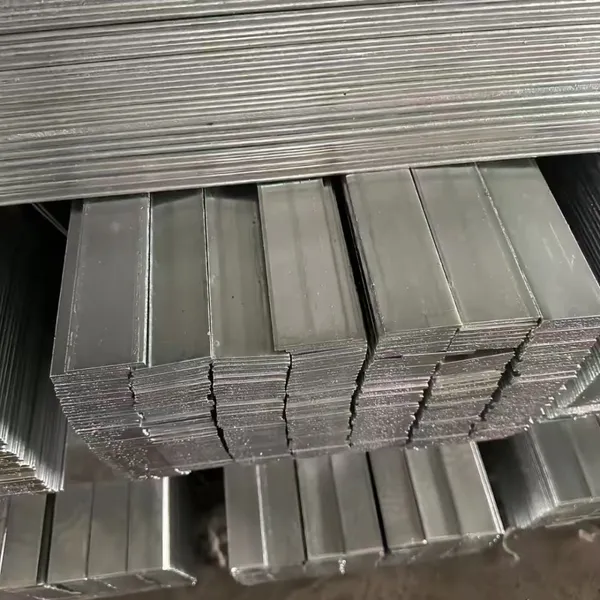
Galvanized Flat Bar&Flat Steel,GB/T 704, GB/T 13912, ASTM A123, JIS G3302NegotiableMOQ: 5 Metric Tons
-
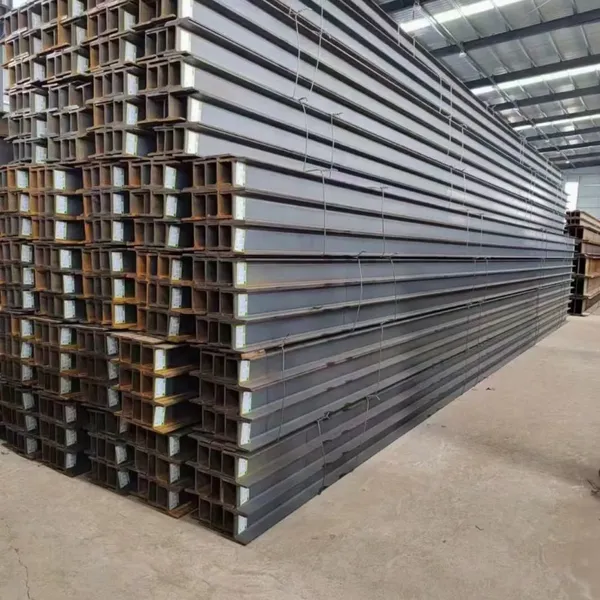
Steel H Beam&H Beam ,Q235B, Q355B, S235JR, S235J0, S235J2, S355JR, S355J0, S355J2, A36, A572 Grade 50, A992NegotiableMOQ: 10 Metric Tons
-
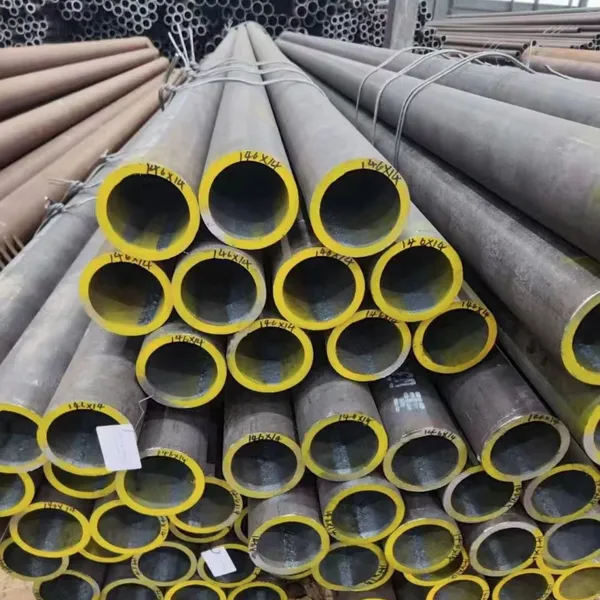
Carbon Steel Pipe&Seamless Steel Pipe, A53 Gr.B, API 5L Gr.B, Q235B, Q355B, 10#, 20#NegotiableMOQ: 5 Metric Tons
-
Steel Rebar&Deformed Steel Bar,HRB400、HRB400E、HRB500、HRB500E、Grade 40、Grade 60NegotiableMOQ: 5 Metric Tons
-
Insulated Pipe&Pre-insulated Pipe,RoHS, REACH, UL 94, VDE, IEC, GB/T 7113NegotiableMOQ: 5 Metric Tons
-
Steel Angle&Galvanized Angle Steel,Q235B, Q355B, S235JR, S355JR, A36, A572 Gr50NegotiableMOQ: 10 Metric Tons
-
Ship Plate&Normal-Strength Ship Plates, A, B, D, E, AH32, DH32, EH32, AH36, DH36, EH36NegotiableMOQ: 5 Metric Tons
-
Steel Wire&Galvanized Steel Wire,Q195, Q235, 45#, 55#, 60#, 65#, 70#, 72A, 82BNegotiableMOQ: 5 Metric Tons