
 Business License
Complete Guide to Steel Pipe Selection & Application: Performance Comparison and Industry Standards
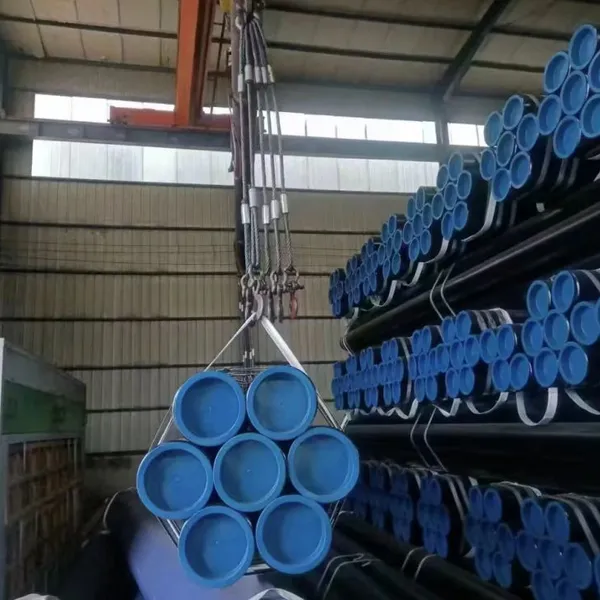
Steel Pipe is the fundamental industrial tubing widely used in construction, fluid transportation, petrochemical engineering, machinery manufacturing, and municipal pipeline networks. The quality of Steel Pipe directly determines project safety and service life; proper selection between Seamless Steel Pipe and Welded Steel Pipe is critical for engineering procurement and design.
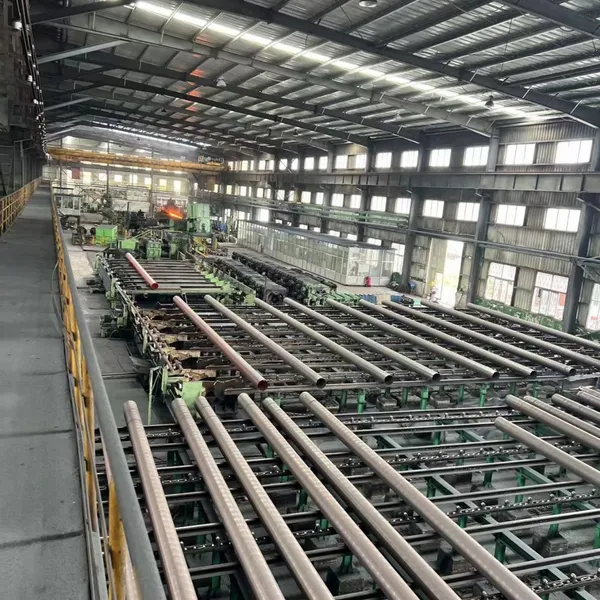
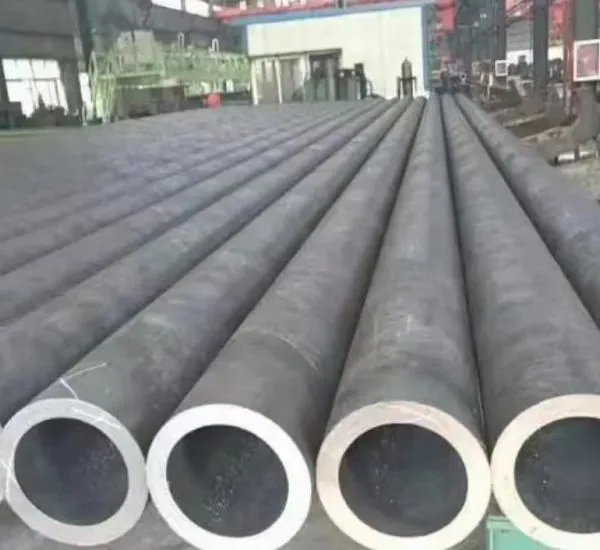
Seamless Steel Pipe is manufactured via hot rolling or cold drawing without welding seams, featuring high pressure resistance and uniform wall thickness. It is ideal for high-pressure fluid, high-temperature, and precision machinery applications. Seamless Steel Pipe is irreplaceable in boilers, oil casings, and hydraulic systems, complying with ASTM, EN, GB, and other international standards to ensure stable performance of Steel Pipe under extreme conditions.
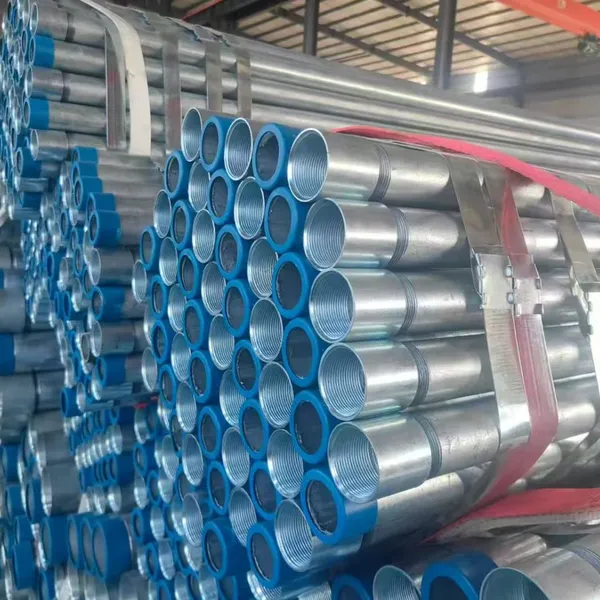
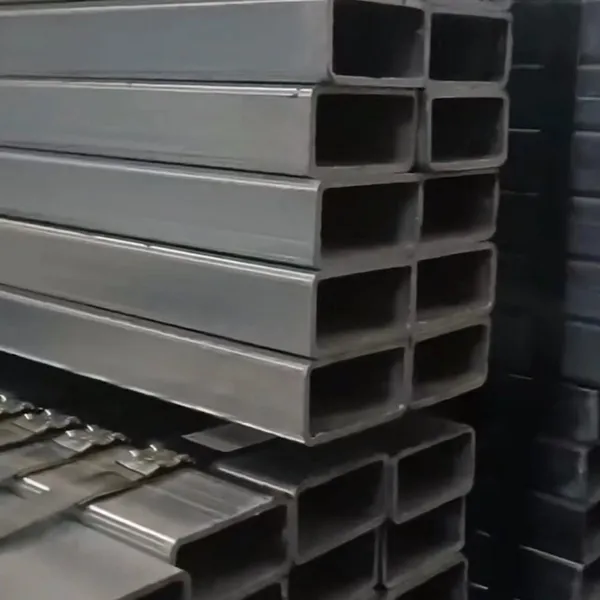
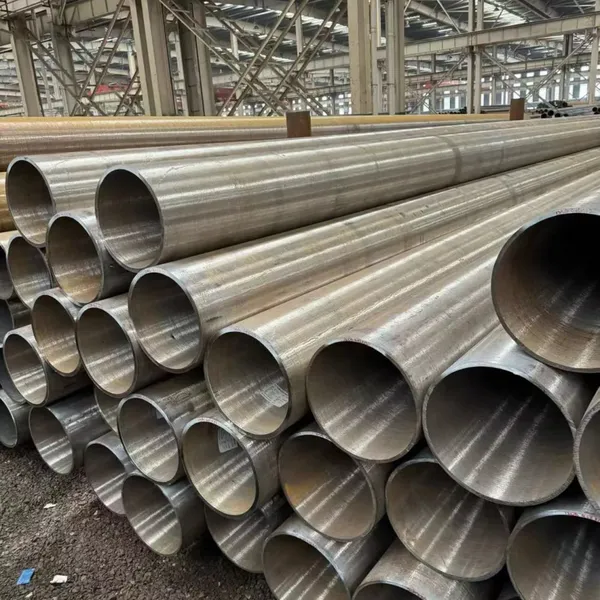
Welded Steel Pipe is produced through ERW, HFW, or DSAW processes with lower cost and complete specifications, suitable for low-pressure fluid, structural support, and general piping projects. Welded Steel Pipe is widely applied in urban pipelines, steel structures, and water supply/drainage systems, making it the most consumed category in the Steel Pipe market.
In addition to Seamless Steel Pipe and Welded Steel Pipe, Alloy Steel Pipe and Stainless Steel Pipe offer customized solutions for corrosion, high temperature, and high-strength requirements. When purchasing Steel Pipe, focus on material, wall thickness, tolerance, pressure rating, and test reports. Prioritize Steel Pipe manufacturers certified by national and international standards to ensure product compliance and reliability.
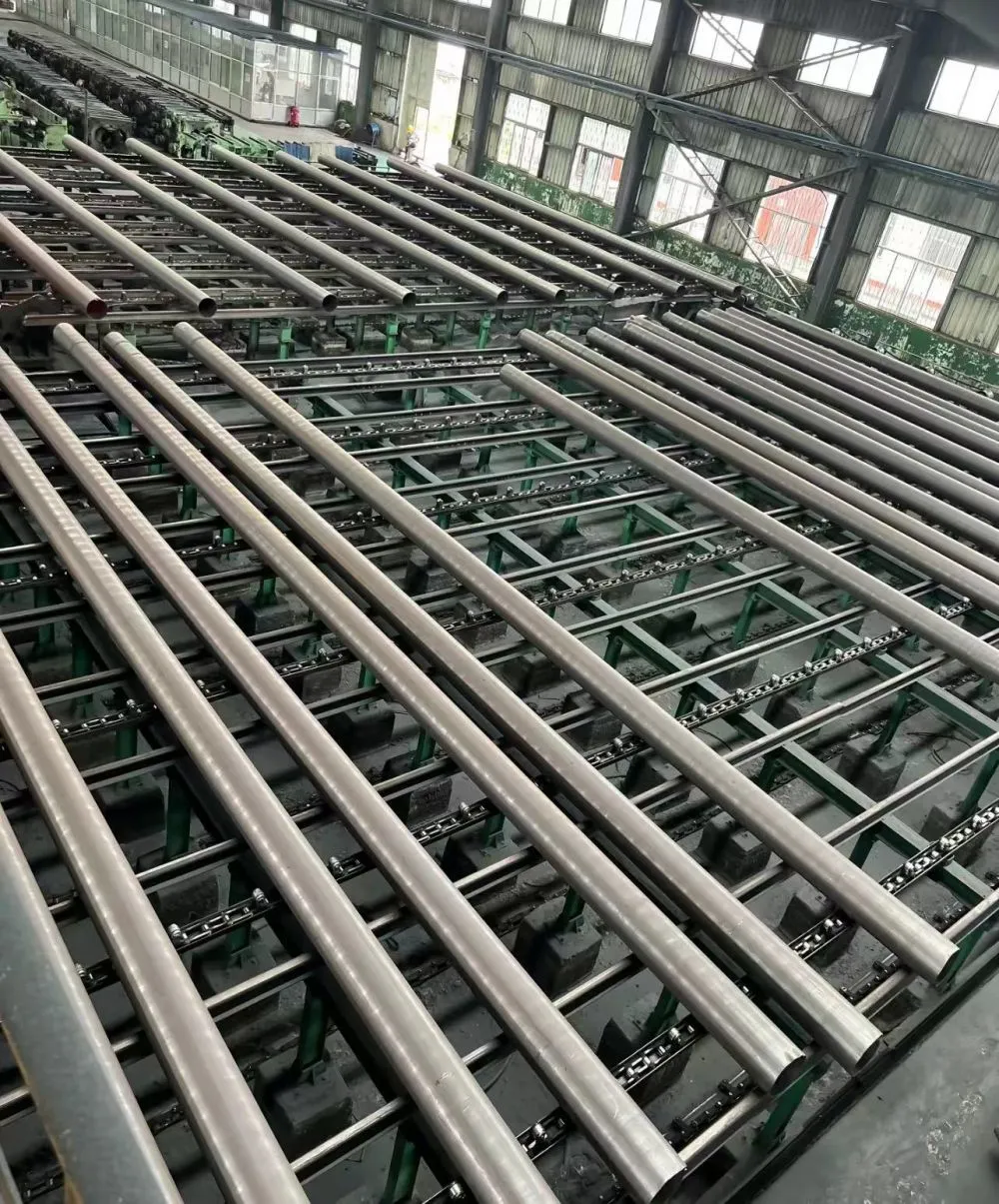
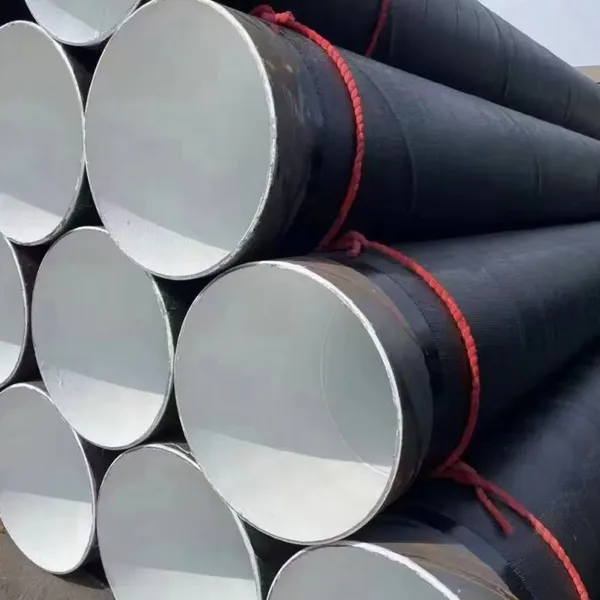
With industry upgrading, Steel Pipe production is transforming toward green, precise, and digitalized manufacturing. High-precision Seamless Steel Pipe, anti-corrosion Welded Steel Pipe, and lightweight Alloy Steel Pipe are continuously iterated, expanding Steel Pipe applications in new energy, high-end equipment, and long-distance pipelines. Regardless of project scale, scientific selection and standardized application of Steel Pipe are key to improving engineering quality and reducing life-cycle costs.
Recently Posted
-
Hot‑Rolled Steel Coil (HRC): Specifications, Grades, Applications & Export Guide
August 28, 2026Hot‑Rolled Steel Coil (HRC): Specifications, Grades, Applications & Export GuideHot‑rolled steel coil (HRC) is one of the most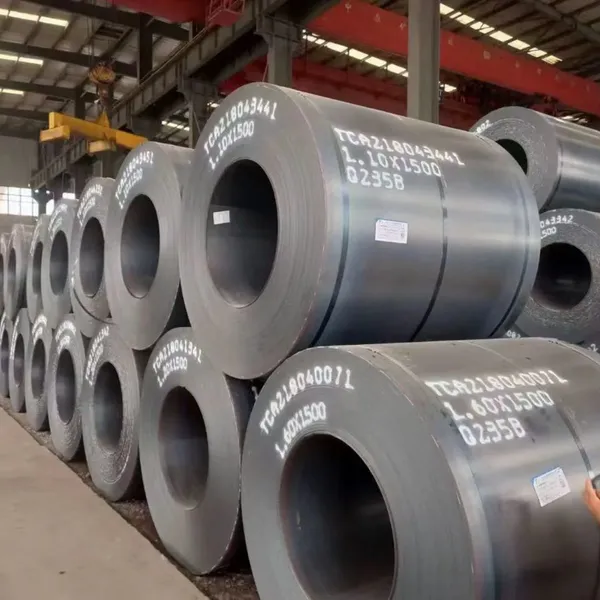 Read More
 -
Deformed Steel Rebar: Specifications, Grades, Applications and Export Guide
August 28, 2026Deformed Steel Rebar: Specifications, Grades, Applications and Export GuideDeformed steel rebar, also known as reinforcement bar,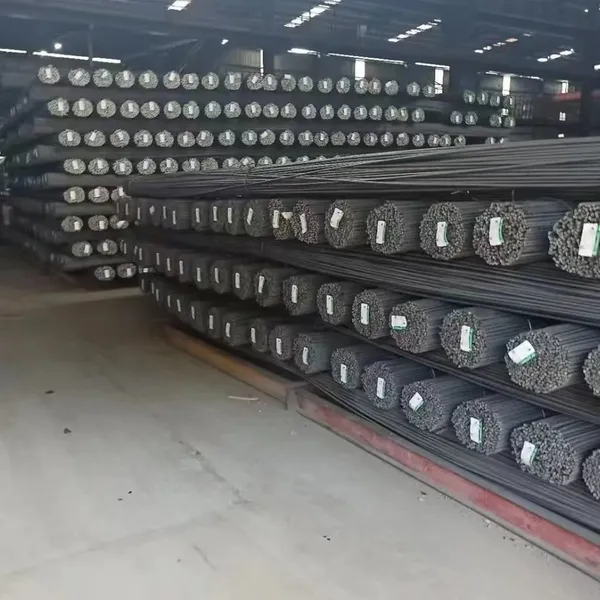 Read More
 -
Steel Pipe Cutting Parts | Precision Cut to Size, Burr-Free & Custom Processing
August 19, 2026Steel Pipe Cutting Parts | Precision Cut to Size, Burr-Free & Custom Processing Steel pipe cutting parts are essential se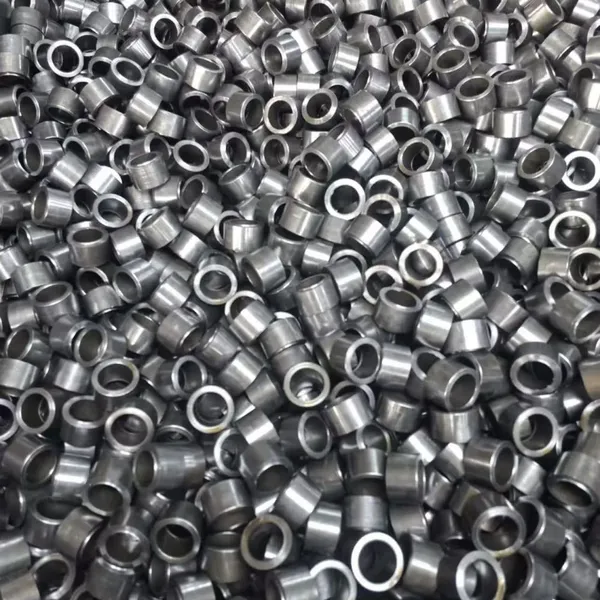 Read More
 -
Steel Rebar,Steel Reinforcement Mesh: Complete Guide for Construction & Civil Engineering
August 17, 2026Steel Reinforcement Mesh: Complete Guide for Construction & Civil Engineering Steel reinforcement mesh, also known as wel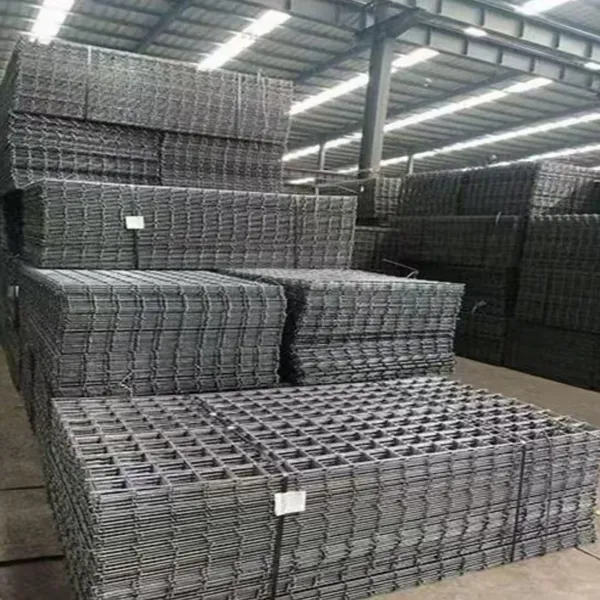 Read More

Contact Us

Recommended Products
-
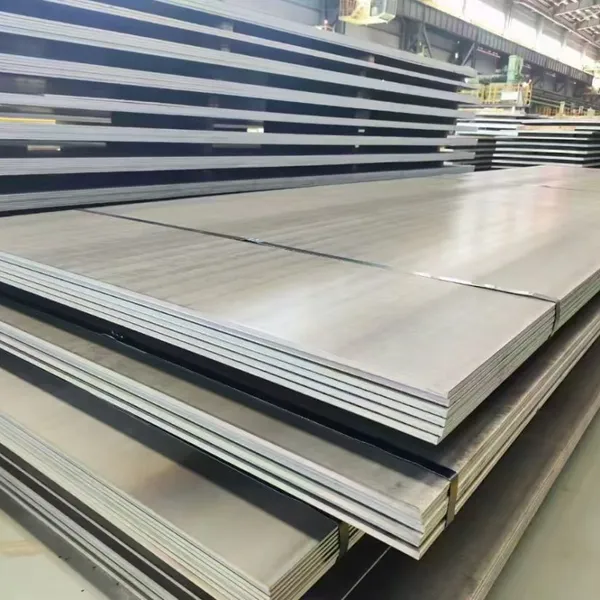
 Steel Sheet & Plate & Boiler Plate,EN 10028、ASTM A516 Gr60/70、P265GH、P355GHNegotiableMOQ: 5 Metric Tons
 -
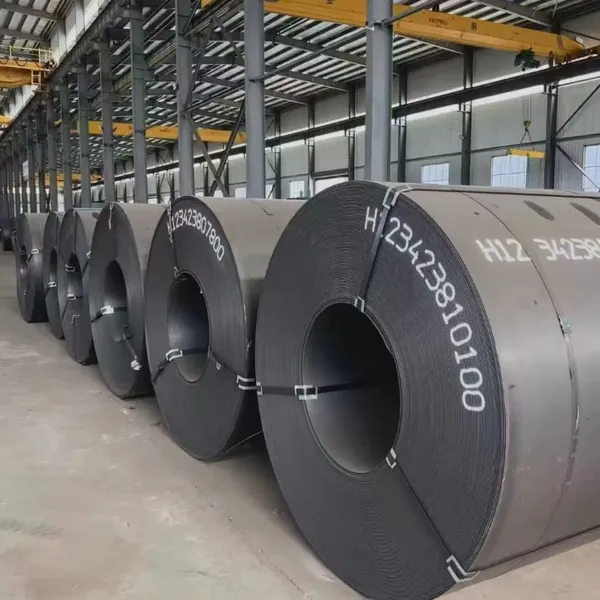
Steel Coil & Strip & Hot Rolled Steel Coil,Q235B、SS400、A36、S235JR、SPHC、SPHD、Q355B/C/D、S355JR、S355J0NegotiableMOQ: 5 Metric Tons
-
Steel Pipe & Tube & Oil Country Tubular Goods,API 5L Gr.B、X42、X52、X60、X65、X70、X80、E75、X95、G105、S135NegotiableMOQ: 5 Metric Tons
-
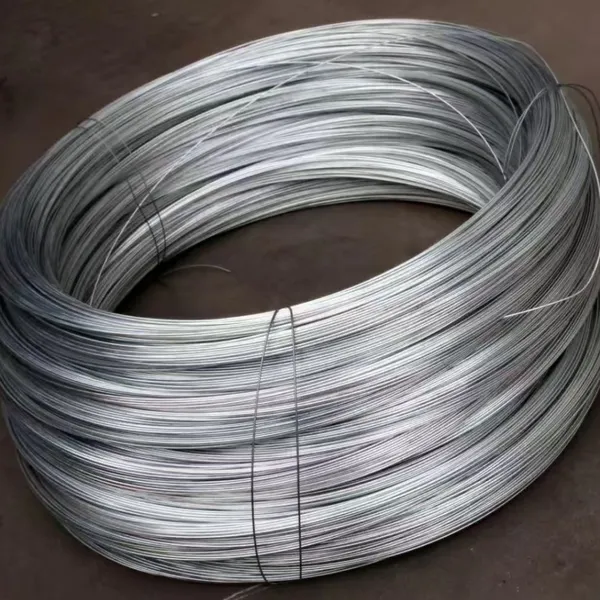
Iron Wire&Galvanized Iron Wire,GB/T 343, ASTM A853, JIS G 3532, EN 10264,Q195, Q235NegotiableMOQ: 5 Metric Tons
-
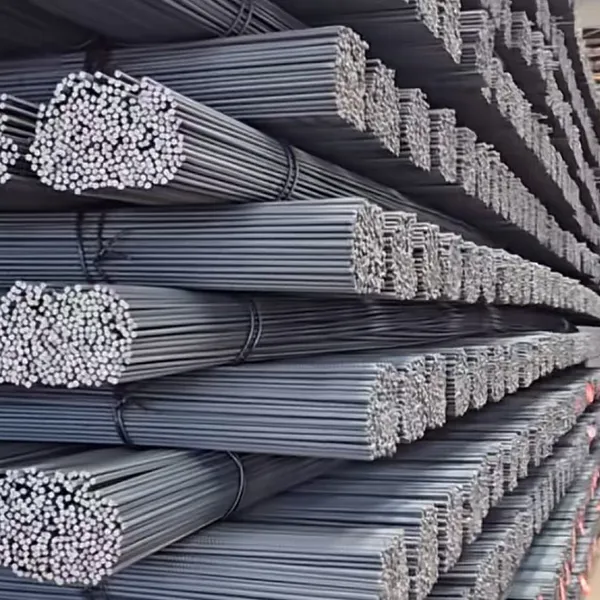
Rebar&Steel Rebar&Hot Rolled Rebar,HRB400, HRB500, HRBF400, HRBF500, B500B, B500C, Grade 60, Grade 75NegotiableMOQ: 5 Metric Tons
-
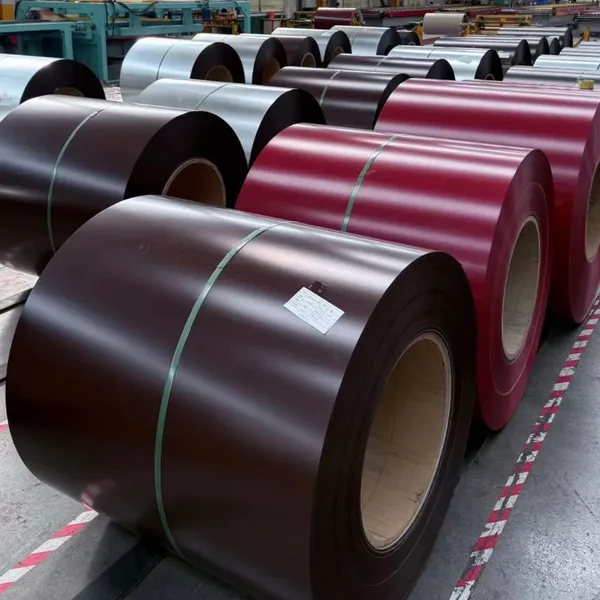
Steel Coil & Strip & Color Coated Steel Coil,PE, SMP, HDP, PVDFNegotiableMOQ: 5 Metric Tons
-
Seamless Steel Pipe& Steel Pipe & Tube,Q235B, Q355B, 20#, 45#, 16Mn, API 5L Gr.B, X42, X46, X52, X56, X60, X65, X70NegotiableMOQ: 5 Metric Tons
-
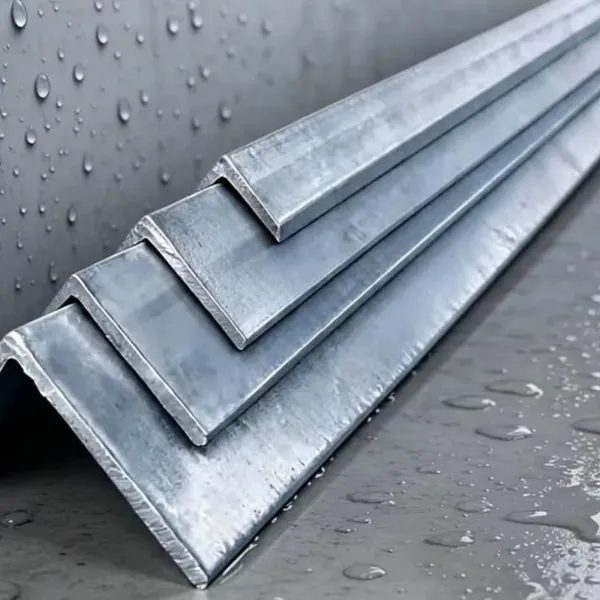
Angle Steel & Angle Bar,ASTM A36, JIS G3101, EN S235JR/S355JR, SS400NegotiableMOQ: 5 Metric Tons
-
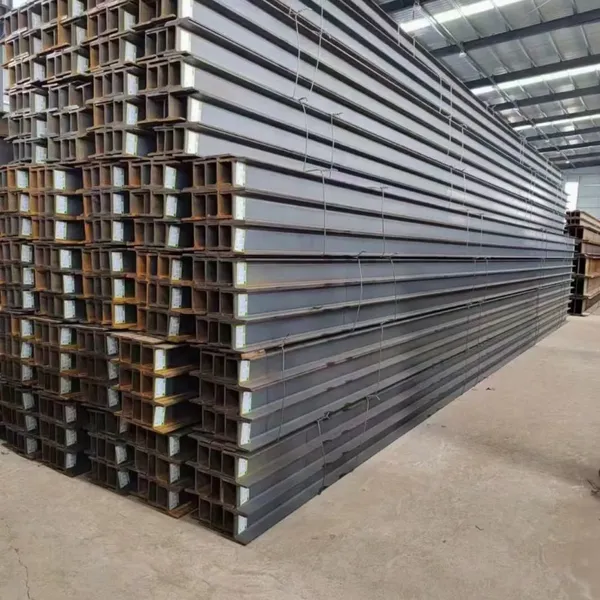
Steel H Beam&H Beam ,Q235B, Q355B, S235JR, S235J0, S235J2, S355JR, S355J0, S355J2, A36, A572 Grade 50, A992NegotiableMOQ: 10 Metric Tons
-
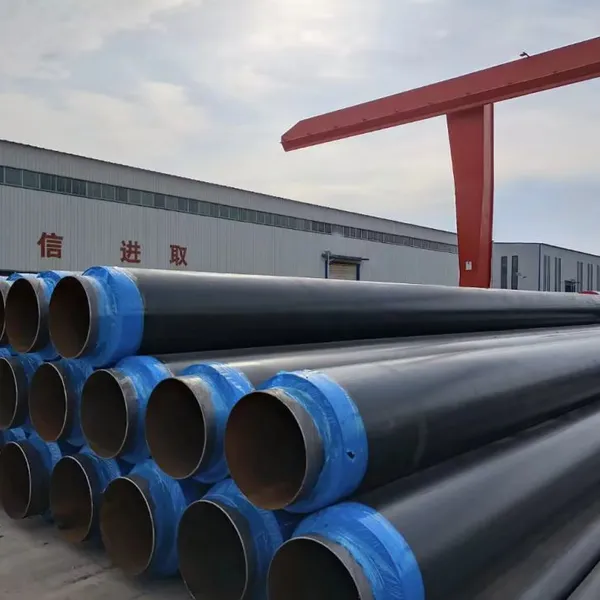
Insulated Steel Pipe&Insulated Seamless Steel Pipe,RoHS, REACH, UL 94, VDE, IEC, GB/T 7113NegotiableMOQ: 5 Metric Tons
-
Hot-dip Galvanized Square Tubes&Steel Pipe & Tube,Q195, Q215, Q235B, Q355B, API 5L Gr.BNegotiableMOQ: 5 Metric Tons
-
Steel Pipe & Tube & High Pressure Boiler Tube,ASTM A213 (T Series)、ASTM A335 (P Series)、ASME SA213、SA335、EN 10216-2NegotiableMOQ: 5 Metric Tons
-
Steel Pipe & Tube & High Pressure Boiler Tube,38、42、48、51、57、60、76、89、108、133、159、168、194、219NegotiableMOQ: 5 Metric Tons
-
Insulated Pipe&Pre-insulated Pipe,RoHS, REACH, UL 94, VDE, IEC, GB/T 7113NegotiableMOQ: 5 Metric Tons
-
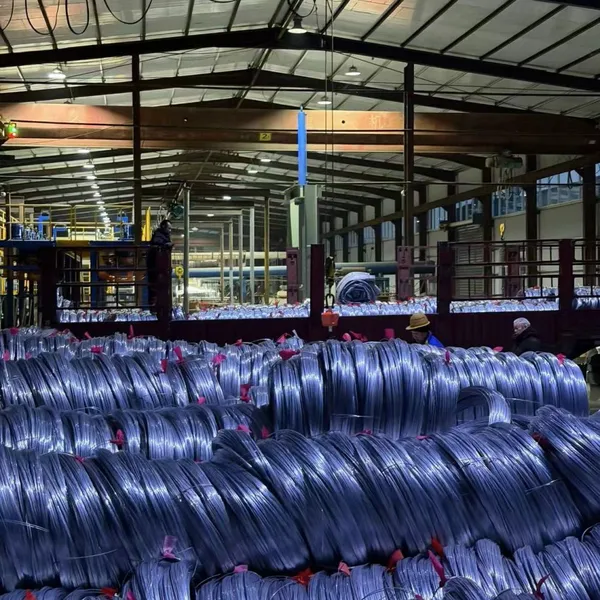
Steel Wire&Galvanized Steel Wire,Q195, Q235, 45#, 55#, 60#, 65#, 70#, 72A, 82BNegotiableMOQ: 5 Metric Tons
-
Steel Coil & Strip & Color Coated Steel Coil,TDC51D+Z、TS250GD+Z、TDC51D+AZ、TS350GD+AZ、TDC51D+ZM、SPCC、DC01NegotiableMOQ: 5 Metric Tons
-
Steel Pipe & Tube & Hot-Dip Galvanizing,Q195、Q215B、Q235BNegotiableMOQ: 5 Metric Tons
-
Steel Coil & Strip & Hot Rolled Coil,Q195、Q215、Q235B、Q255、Q345B、Q355B、Q420、Q460、SS400、SPHC、SPHD、SPHENegotiableMOQ: 5 Metric Tons
-
Steel Rebar & Deformed Steel Bar,HRB400、HRB400E、HRB500、HRB500ENegotiableMOQ: 5 Metric Tons
-
Galvanized Flat Bar&Flat Steel,GB/T 704, GB/T 13912, ASTM A123, JIS G3302NegotiableMOQ: 5 Metric Tons