
 Business License
Angle Steel: Types, Manufacturing Process and Practical Application Guide
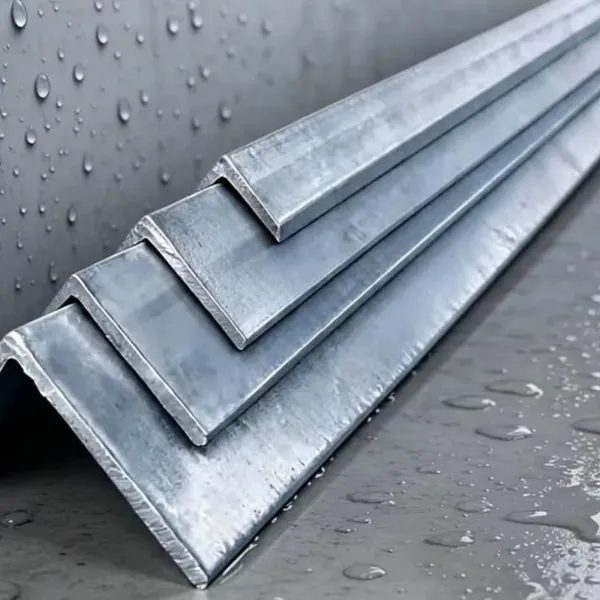
Angle steel, also known as angle iron, is one of the most widely used structural steel materials in the construction and machinery industry. Featuring an L-shaped cross-section, angle steel provides excellent stability, high rigidity and strong load-bearing capacity. Due to its simple structure and convenient welding performance, angle steel has become an indispensable basic steel product for building frames, support structures, engineering brackets and mechanical fabrication.
There are two main classifications of angle steel: equal angle steel and unequal angle steel. Equal angle steel features two sides of identical width, which makes it uniform in stress bearing and extremely suitable for conventional building structures, steel trusses and tower supports. Most general engineering projects prefer standard equal angle steel for its stable performance and cost advantages. In contrast, unequal angle steel has different side widths, offering flexible structural adaptation. This type of angle steel is commonly used in mechanical equipment frames, vehicle manufacturing and complex industrial structures that require asymmetric load distribution.
The production process of high-quality angle steel strictly follows standardized hot rolling procedures. Professional manufacturers select high-quality steel billets as raw materials, then complete heating, continuous rolling, forming, straightening, cutting and surface inspection step by step. Standard processed angle steel has smooth surface, uniform thickness, precise angle degree and good straightness, effectively avoiding deformation, cracking and rusting problems in later use. High-precision angle steel can greatly improve the overall safety and durability of steel structures.
Angle steel possesses outstanding processing adaptability. It can be easily cut, welded, bent and drilled according to construction and processing requirements. Whether for fixed building supports or customized mechanical parts, angle steel can meet diverse processing demands. Meanwhile, surface treatments such as galvanization can further enhance the corrosion resistance ofangle steel, making galvanized angle steel ideal for outdoor engineering, municipal facilities and coastal projects with harsh environmental conditions.
In practical applications, angle steel is widely applied in construction engineering, steel structure factories, power towers, bridge supports, machinery manufacturing and hardware processing. As a core structural steel material, qualified angle steel can effectively disperse structural pressure, stabilize overall frames and reduce engineering risks. Choosing high-standard angle steel from reliable manufacturers is the key to ensuring project quality and long-term structural stability.
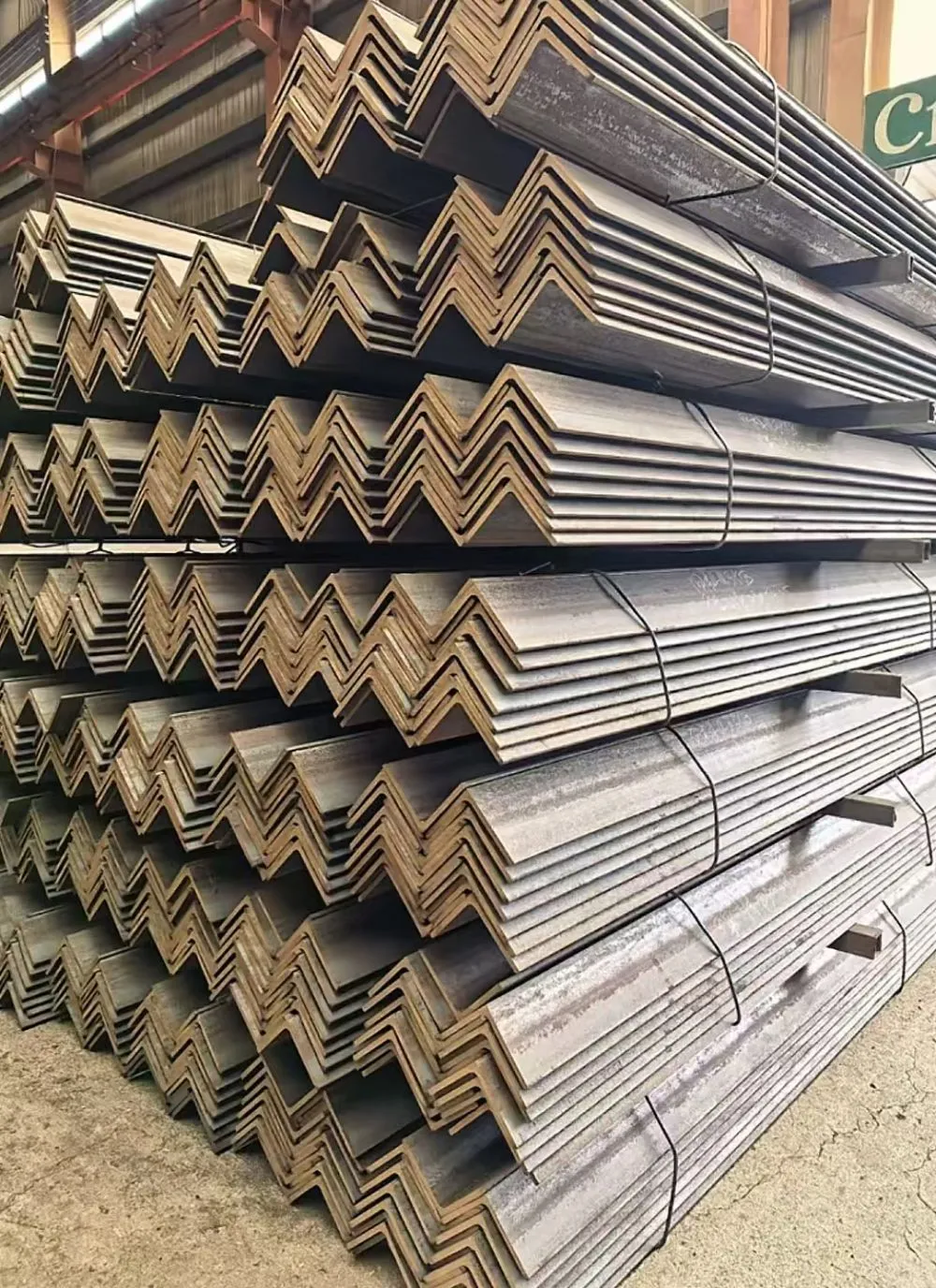
To sum up, angle steel is a fundamental and multi-functional structural steel material in modern industry and construction. Different types of angle steel including equal angle steel and unequal angle steel cover various engineering scenarios. Understanding the performance characteristics and application scope of angle steel helps buyers select the most suitable steel material, optimize structural design and reduce overall engineering costs.
Recently Posted
-
Alloy steel pipe: High-pressure & High-temperature Resistant Steel Pipe for Industrial Engineering
August 7, 2026In petrochemical industry, power generation engineering, high-pressure pipeline transmission, boiler manufacturing and high-temper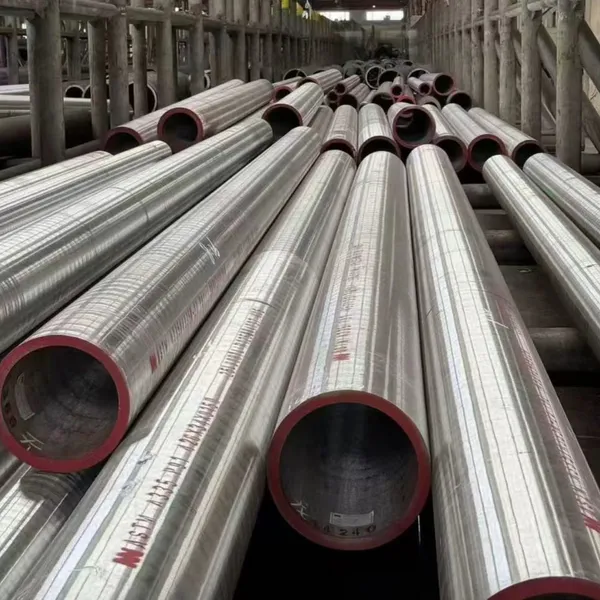 Read More
 -
Galvanized steel pipe: Corrosion-resistant Steel Pipe for Construction and Pipeline Engineering
August 7, 2026galvanized steel pipe: Corrosion-resistant Steel Pipe for Construction and Pipeline EngineeringIn architectural construction, muni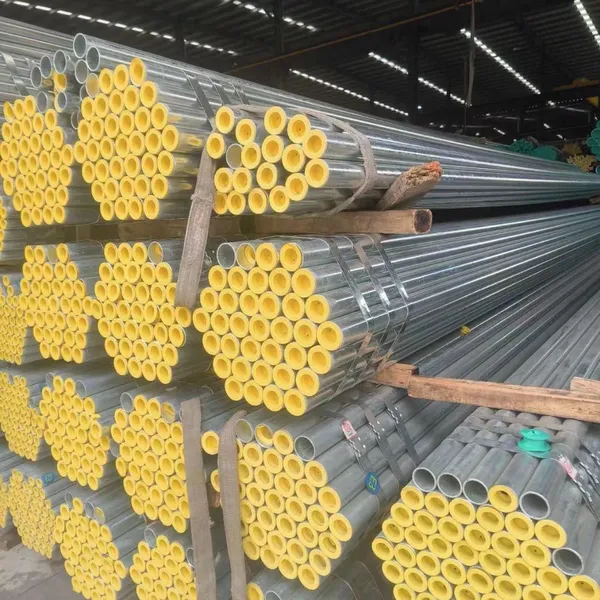 Read More
 -
Flat Steel | High-Precision Hot Rolled Flat Bar for Construction & Manufacturing
August 6, 2026I. Main Classifications of Flat SteelFlat steel can be scientifically classified according to production process, surface treatmen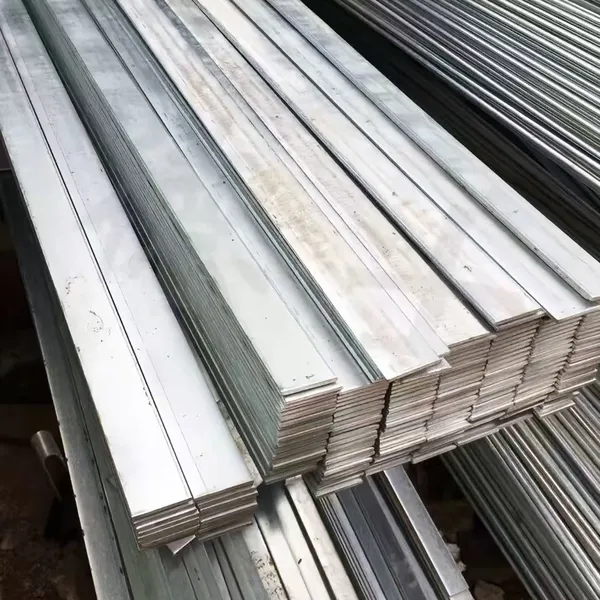 Read More
 -
Color Coated Steel Coil | Pre-Painted Galvanized Steel Coil for Roofing & Cladding
August 6, 2026I. Main Classifications of Color Coated Steel CoilColor coated steel coil can be divided into multiple categories according to bas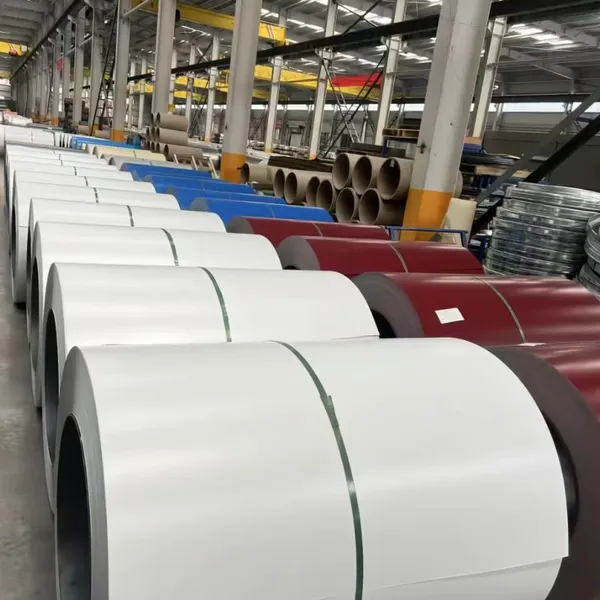 Read More

Contact Us

Recommended Products
-
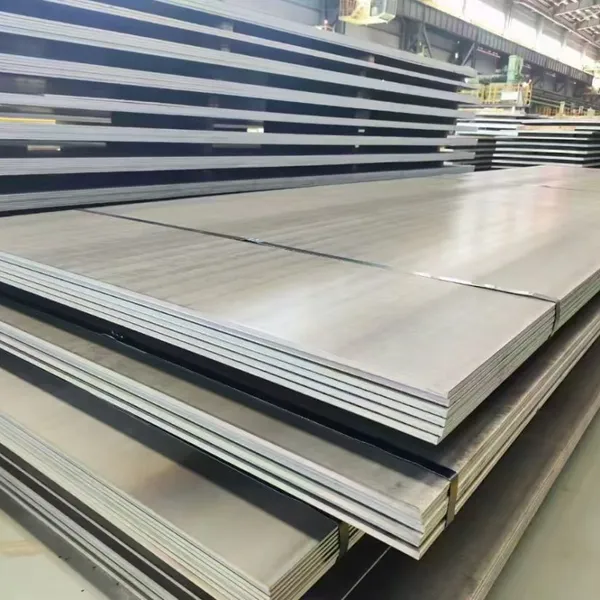
 Steel Sheet & Plate & Boiler Plate,EN 10028、ASTM A516 Gr60/70、P265GH、P355GHNegotiableMOQ: 5 Metric Tons
 -
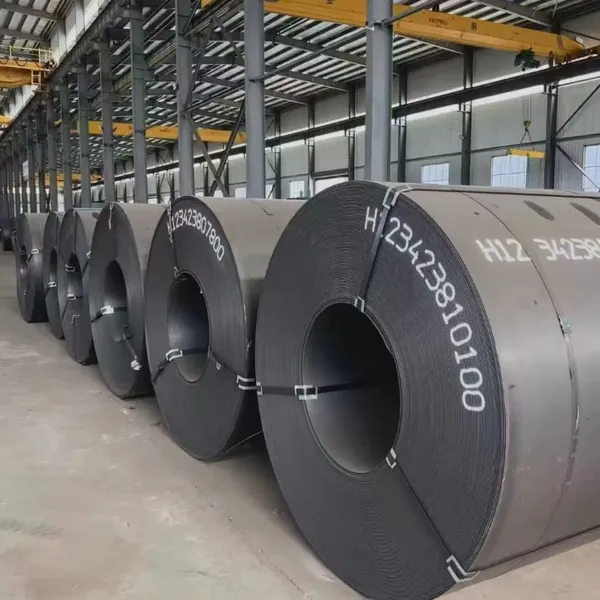
Steel Coil & Strip & Hot Rolled Steel Coil,Q235B、SS400、A36、S235JR、SPHC、SPHD、Q355B/C/D、S355JR、S355J0NegotiableMOQ: 5 Metric Tons
-
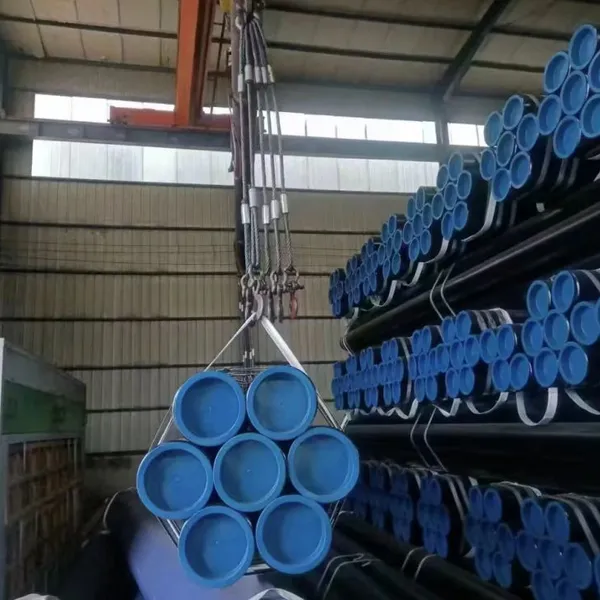
Steel Pipe & Tube & Oil Country Tubular Goods,API 5L Gr.B、X42、X52、X60、X65、X70、X80、E75、X95、G105、S135NegotiableMOQ: 5 Metric Tons
-
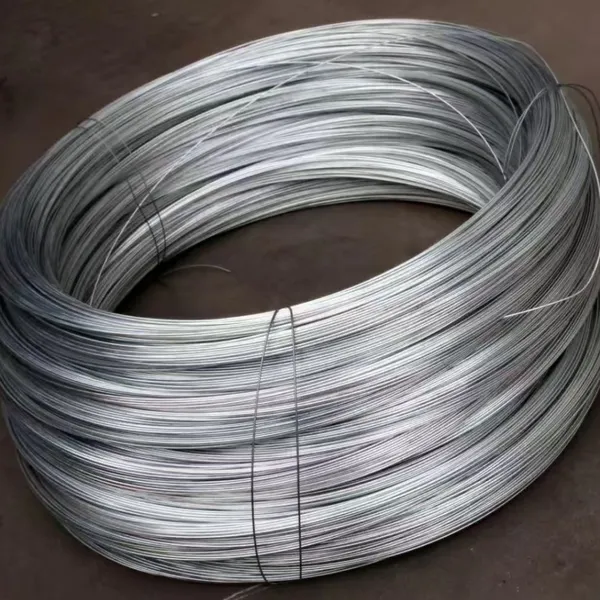
Iron Wire&Galvanized Iron Wire,GB/T 343, ASTM A853, JIS G 3532, EN 10264,Q195, Q235NegotiableMOQ: 5 Metric Tons
-
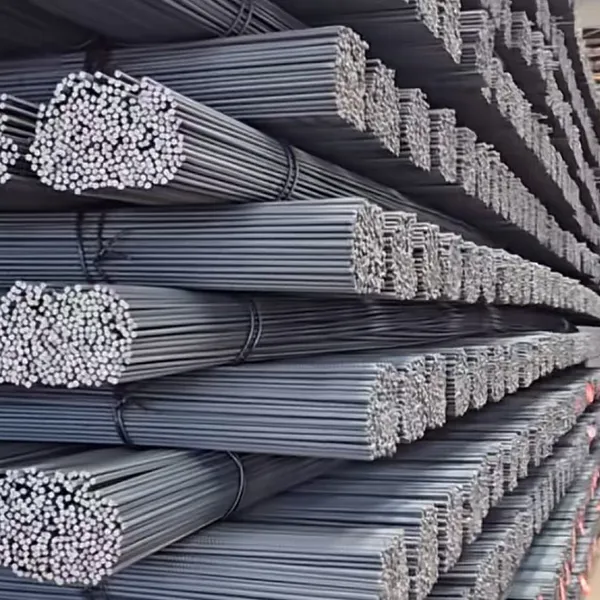
Rebar&Steel Rebar&Hot Rolled Rebar,HRB400, HRB500, HRBF400, HRBF500, B500B, B500C, Grade 60, Grade 75NegotiableMOQ: 5 Metric Tons
-
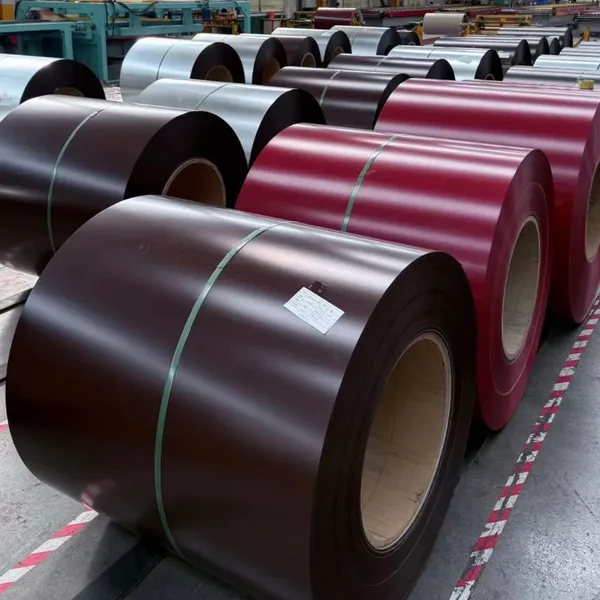
Steel Coil & Strip & Color Coated Steel Coil,PE, SMP, HDP, PVDFNegotiableMOQ: 5 Metric Tons
-
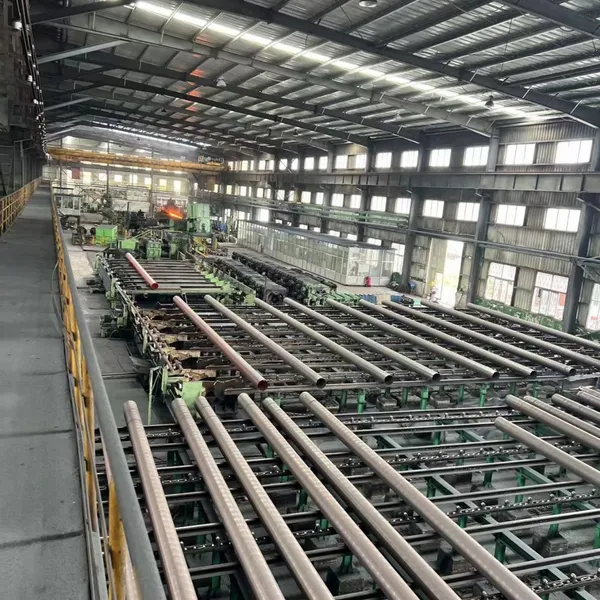
Seamless Steel Pipe& Steel Pipe & Tube,Q235B, Q355B, 20#, 45#, 16Mn, API 5L Gr.B, X42, X46, X52, X56, X60, X65, X70NegotiableMOQ: 5 Metric Tons
-
Angle Steel & Angle Bar,ASTM A36, JIS G3101, EN S235JR/S355JR, SS400NegotiableMOQ: 5 Metric Tons
-
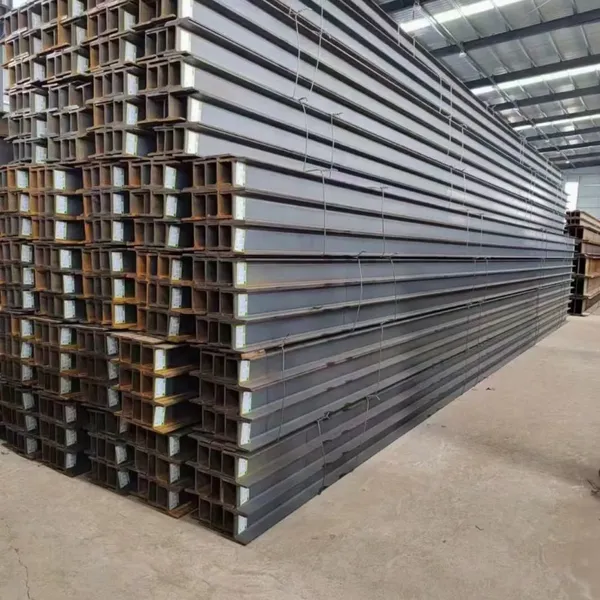
Steel H Beam&H Beam ,Q235B, Q355B, S235JR, S235J0, S235J2, S355JR, S355J0, S355J2, A36, A572 Grade 50, A992NegotiableMOQ: 10 Metric Tons
-
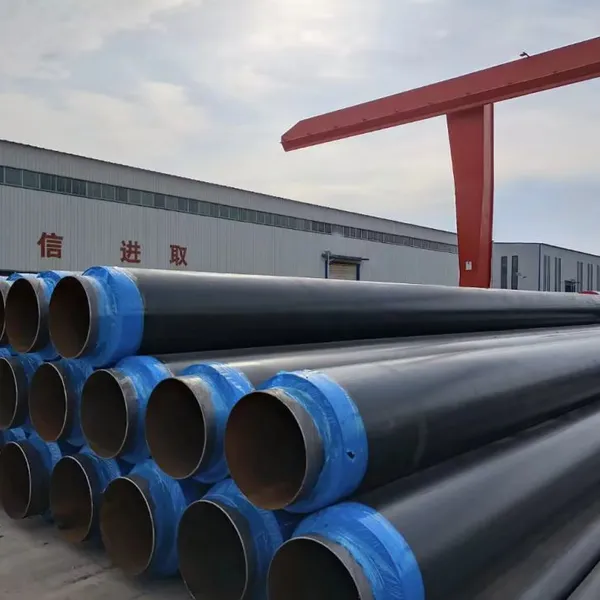
Insulated Steel Pipe&Insulated Seamless Steel Pipe,RoHS, REACH, UL 94, VDE, IEC, GB/T 7113NegotiableMOQ: 5 Metric Tons
-
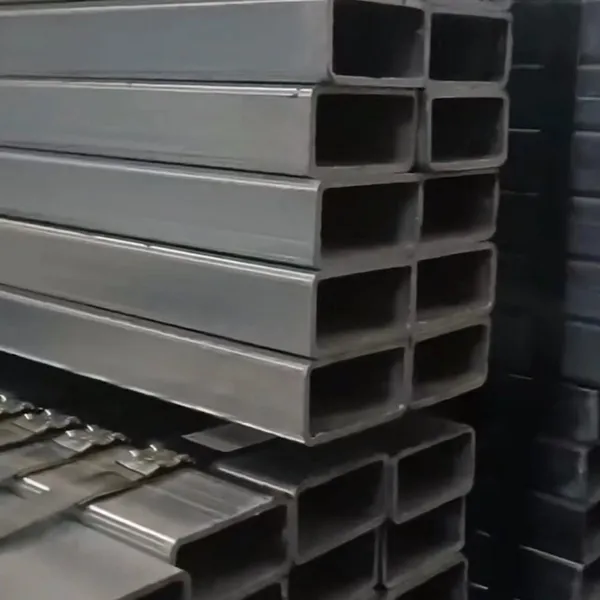
Hot-dip Galvanized Square Tubes&Steel Pipe & Tube,Q195, Q215, Q235B, Q355B, API 5L Gr.BNegotiableMOQ: 5 Metric Tons
-
Steel Pipe & Tube & High Pressure Boiler Tube,ASTM A213 (T Series)、ASTM A335 (P Series)、ASME SA213、SA335、EN 10216-2NegotiableMOQ: 5 Metric Tons
-
Steel Pipe & Tube & High Pressure Boiler Tube,38、42、48、51、57、60、76、89、108、133、159、168、194、219NegotiableMOQ: 5 Metric Tons
-
Insulated Pipe&Pre-insulated Pipe,RoHS, REACH, UL 94, VDE, IEC, GB/T 7113NegotiableMOQ: 5 Metric Tons
-
Steel Wire&Galvanized Steel Wire,Q195, Q235, 45#, 55#, 60#, 65#, 70#, 72A, 82BNegotiableMOQ: 5 Metric Tons
-
Steel Coil & Strip & Color Coated Steel Coil,TDC51D+Z、TS250GD+Z、TDC51D+AZ、TS350GD+AZ、TDC51D+ZM、SPCC、DC01NegotiableMOQ: 5 Metric Tons
-
Steel Pipe & Tube & Hot-Dip Galvanizing,Q195、Q215B、Q235BNegotiableMOQ: 5 Metric Tons
-
Steel Coil & Strip & Hot Rolled Coil,Q195、Q215、Q235B、Q255、Q345B、Q355B、Q420、Q460、SS400、SPHC、SPHD、SPHENegotiableMOQ: 5 Metric Tons
-
Steel Rebar & Deformed Steel Bar,HRB400、HRB400E、HRB500、HRB500ENegotiableMOQ: 5 Metric Tons
-
Galvanized Flat Bar&Flat Steel,GB/T 704, GB/T 13912, ASTM A123, JIS G3302NegotiableMOQ: 5 Metric Tons