
 Business License
Professional Guide to High-Quality Steel Pipe: Types, Applications and Selection Tips
Steel pipe is one of the most essential and versatile building materials in modern industrial and construction industries. As a core tubular product, steel pipe features high strength, excellent durability, outstanding pressure resistance and stable structural performance, making it widely adopted in engineering construction, fluid transportation, mechanical manufacturing and petrochemical projects. Choosing high-quality steel pipe is crucial to ensuring project safety, extending service life and reducing long-term maintenance costs for all industrial and construction applications.
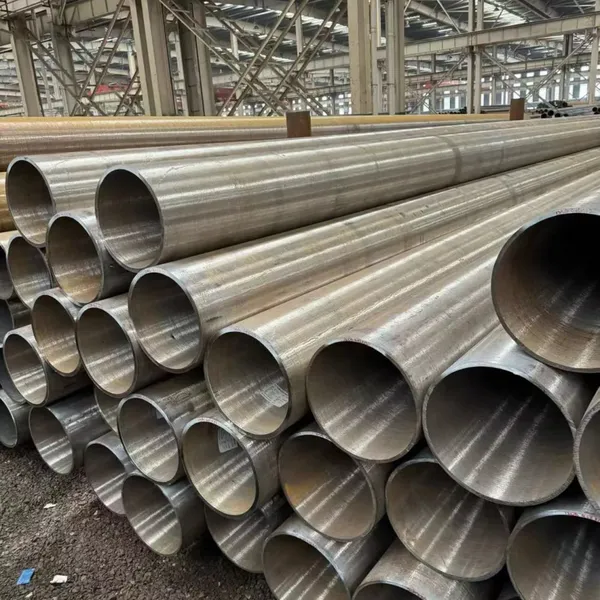
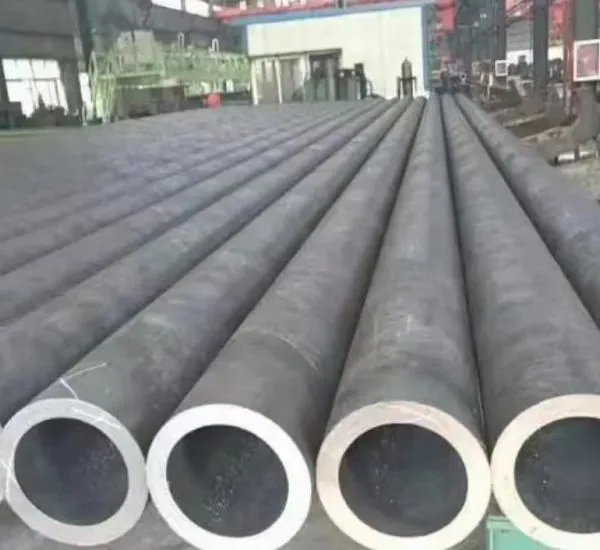
There are multiple classified types of steel pipe tailored to different usage scenarios, among which seamless steel pipe and welded steel pipe are the two mainstream categories. Seamless steel pipe is manufactured through integral hot rolling or cold drawing processes without any welding seam on the pipe body. This unique production process enables seamless steel pipe to bear higher pressure and temperature, with uniform wall thickness and superior mechanical properties. Compared with ordinary welded pipes, seamless steel pipe has better corrosion resistance and structural stability, so it is prioritized for high-standard industrial projects.
Seamless steel pipe covers a complete range of specifications, including different outer diameters, wall thicknesses and steel grades such as carbon steel, alloy steel and stainless steel. Carbon seamless steel pipe is cost-effective and widely used for water, gas and oil pipeline transportation, as well as general building support structures. Alloy seamless steel pipe is optimized for high-temperature and high-pressure working environments, perfectly suitable for power plant boiler pipelines and chemical reaction pipelines. Stainless seamless steel pipe excels in anti-corrosion and anti-oxidation performance, meeting the strict requirements of marine engineering, food processing and pharmaceutical equipment manufacturing.
In addition to product classification, the application scenarios of steel pipe are extremely extensive. In the construction industry, various specifications of steel pipe are used for building frame support, foundation piling and bridge engineering, providing stable structural support for large-scale buildings and infrastructure. In the energy industry, high-pressure seamless steel pipe undertakes the transportation of crude oil, natural gas and thermal water, ensuring the safe and efficient operation of energy transmission systems. In mechanical manufacturing, precision steel pipe is processed into mechanical parts, hydraulic pipelines and equipment accessories, improving the overall stability and service life of mechanical equipment.
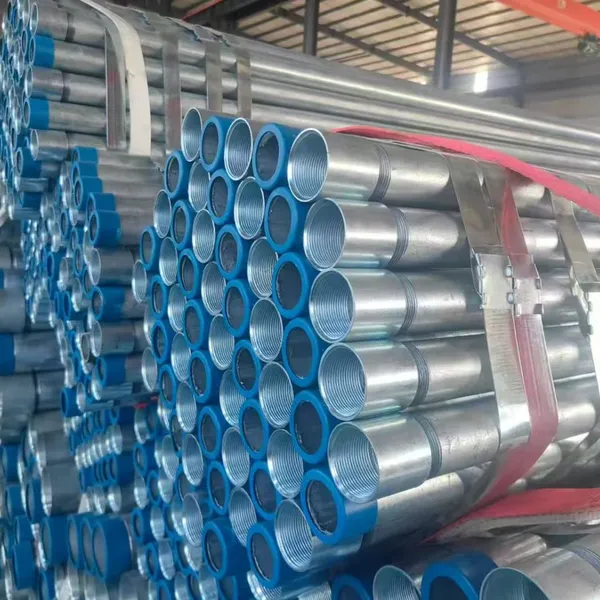
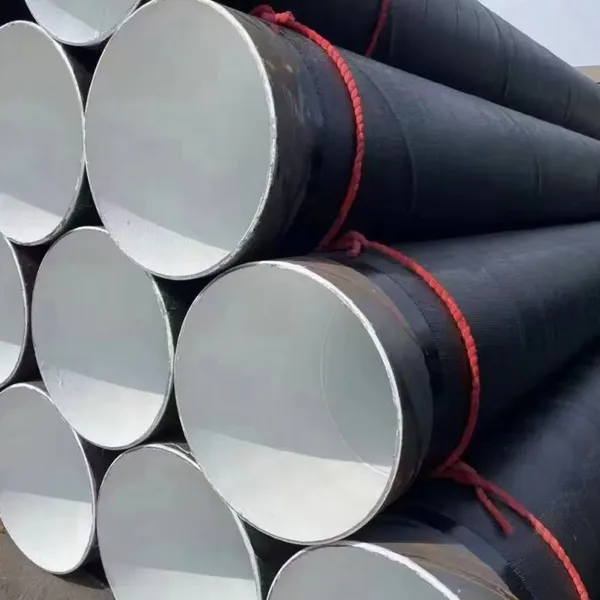
The quality standard of steel pipe directly determines the safety and reliability of engineering projects. High-quality steel pipe must comply with international production standards such as ASTM, GB and ISO, with strict control over raw material composition, production process and finished product testing. Regular qualified steel pipe has smooth pipe surface, uniform wall thickness, no cracks, burrs and internal defects, and can maintain stable performance under extreme pressure, temperature and weather conditions. For special industrial environments, surface treatments such as galvanizing and painting can be added to steel pipe to further enhance its anti-rust and anti-corrosion capabilities.
When purchasing steel pipe, users need to select appropriate products according to actual usage needs. First, confirm the working pressure, temperature and medium environment to determine whether to use ordinary welded steel pipe or high-performanceseamless steel pipe. Second, select accurate specifications including pipe diameter and wall thickness to avoid resource waste or insufficient bearing capacity. Finally, prioritize regular manufacturers with complete qualification certificates and perfect after-sales service to ensure the batch stability and quality compliance of steel pipe products.
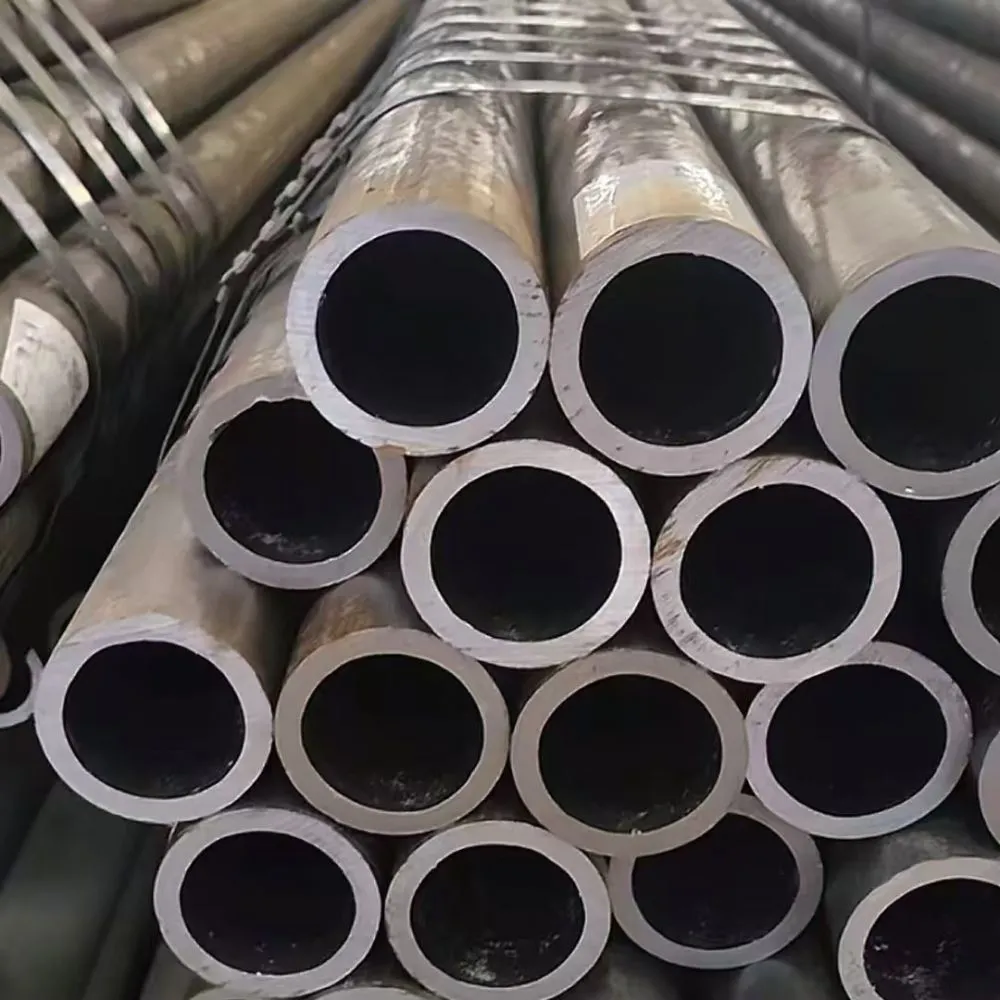
With the continuous development of global industrialization and infrastructure construction, the market demand for high-quality steel pipe and high-performance seamless steel pipe keeps growing. Reliable steel pipe products have become an indispensable basic material for supporting industrial upgrading and infrastructure improvement. Mastering the classification, performance and selection skills of steel pipe can help every engineering and procurement practitioner make more professional and cost-effective purchasing decisions.
Recently Posted
-
Alloy steel pipe: High-pressure & High-temperature Resistant Steel Pipe for Industrial Engineering
August 7, 2026In petrochemical industry, power generation engineering, high-pressure pipeline transmission, boiler manufacturing and high-temper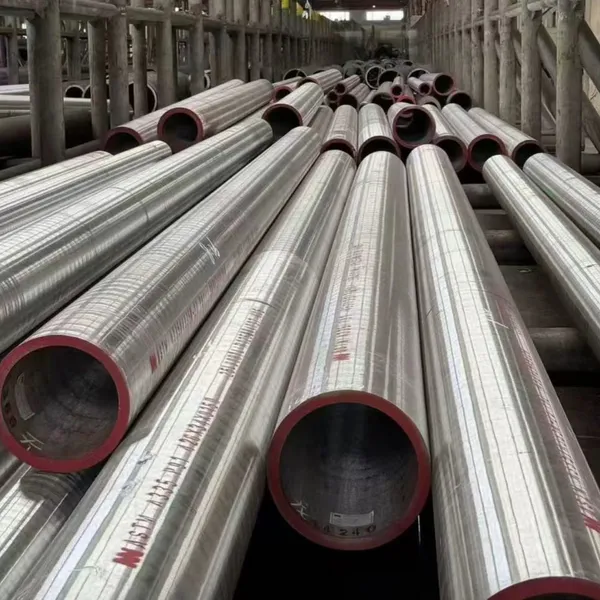 Read More
 -
Galvanized steel pipe: Corrosion-resistant Steel Pipe for Construction and Pipeline Engineering
August 7, 2026galvanized steel pipe: Corrosion-resistant Steel Pipe for Construction and Pipeline EngineeringIn architectural construction, muni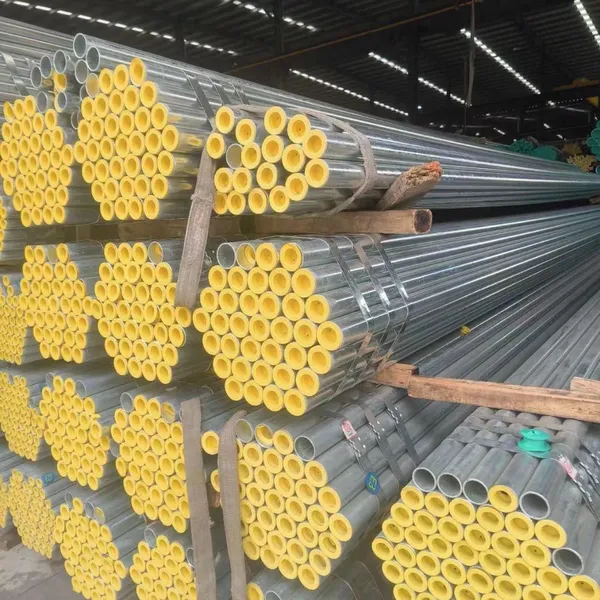 Read More
 -
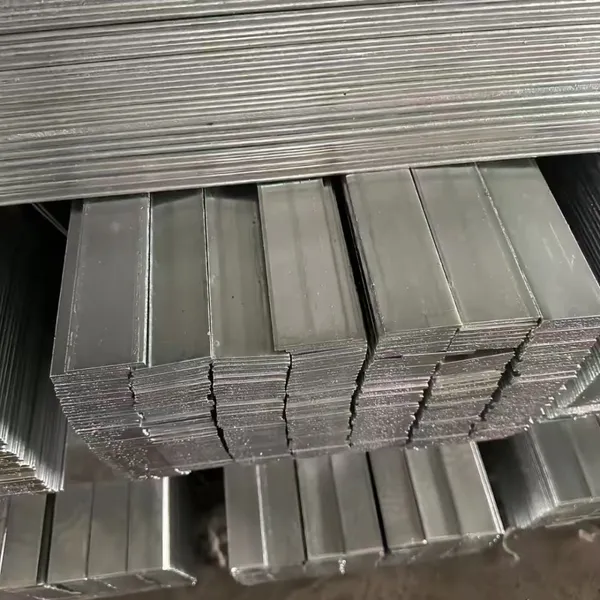
Flat Steel | High-Precision Hot Rolled Flat Bar for Construction & Manufacturing
August 6, 2026I. Main Classifications of Flat SteelFlat steel can be scientifically classified according to production process, surface treatmen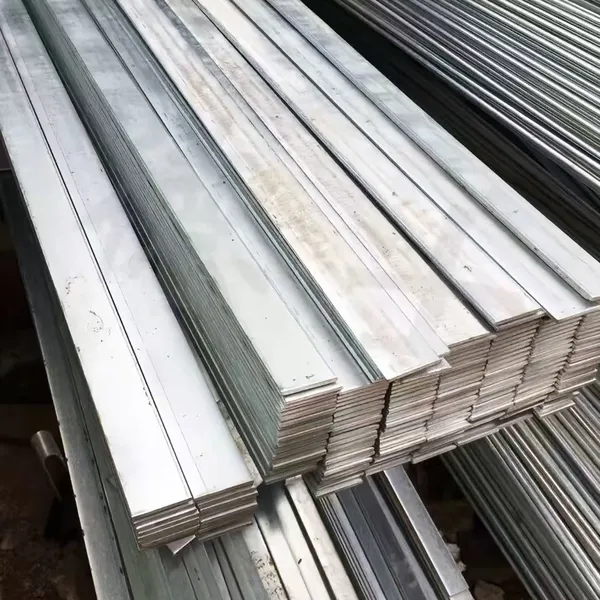 Read More
 -
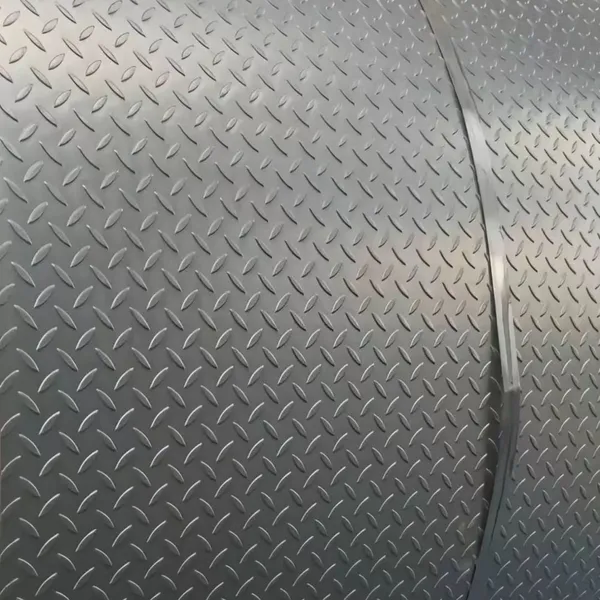
Color Coated Steel Coil | Pre-Painted Galvanized Steel Coil for Roofing & Cladding
August 6, 2026I. Main Classifications of Color Coated Steel CoilColor coated steel coil can be divided into multiple categories according to bas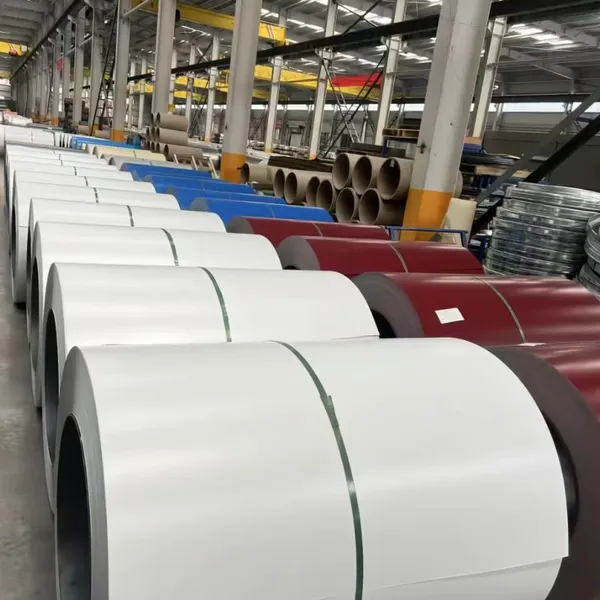 Read More

Contact Us

Recommended Products
-
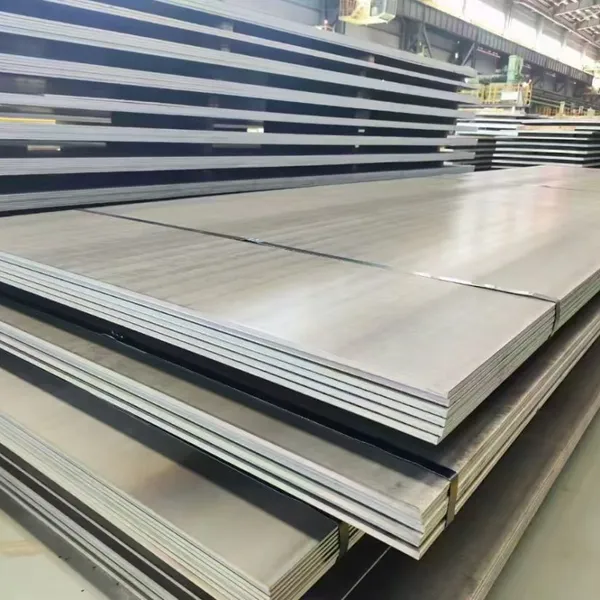
 Steel Sheet & Plate & Boiler Plate,EN 10028、ASTM A516 Gr60/70、P265GH、P355GHNegotiableMOQ: 5 Metric Tons
 -
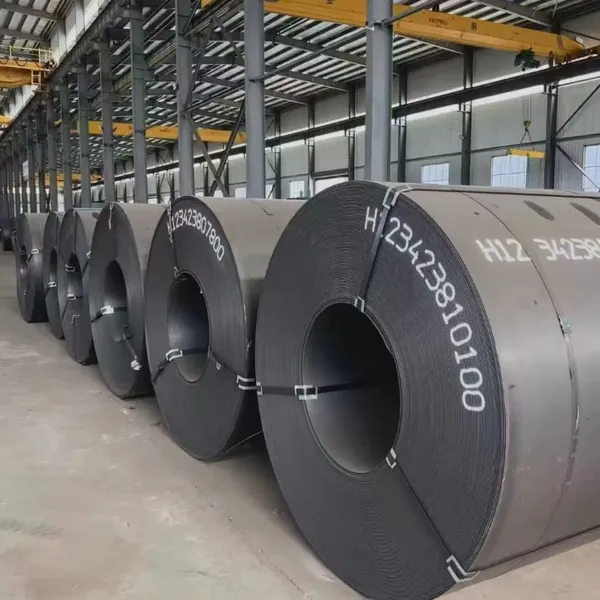
Steel Coil & Strip & Hot Rolled Steel Coil,Q235B、SS400、A36、S235JR、SPHC、SPHD、Q355B/C/D、S355JR、S355J0NegotiableMOQ: 5 Metric Tons
-
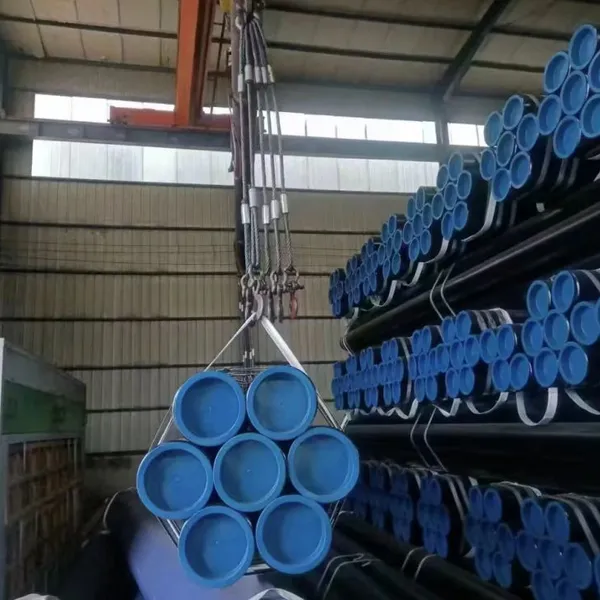
Steel Pipe & Tube & Oil Country Tubular Goods,API 5L Gr.B、X42、X52、X60、X65、X70、X80、E75、X95、G105、S135NegotiableMOQ: 5 Metric Tons
-
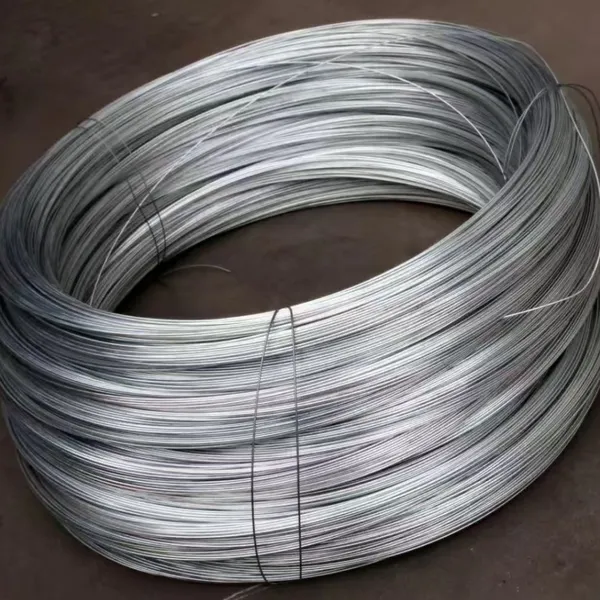
Iron Wire&Galvanized Iron Wire,GB/T 343, ASTM A853, JIS G 3532, EN 10264,Q195, Q235NegotiableMOQ: 5 Metric Tons
-
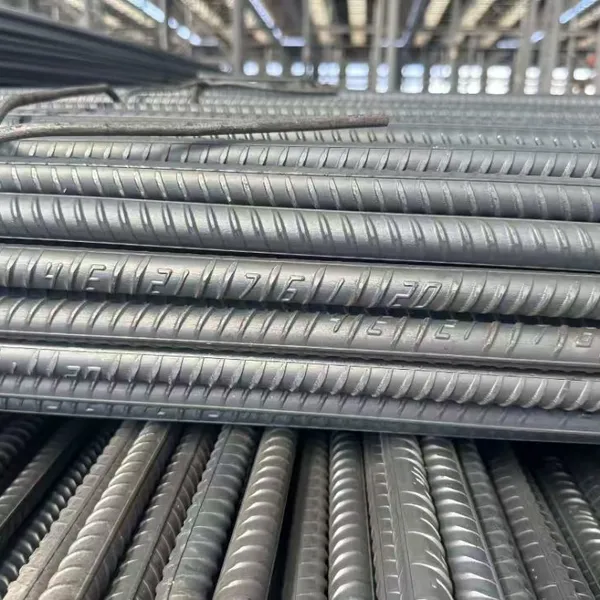
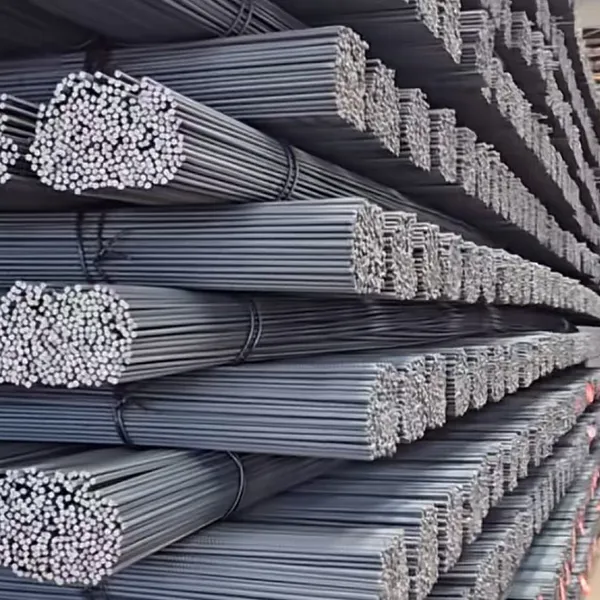
Rebar&Steel Rebar&Hot Rolled Rebar,HRB400, HRB500, HRBF400, HRBF500, B500B, B500C, Grade 60, Grade 75NegotiableMOQ: 5 Metric Tons
-
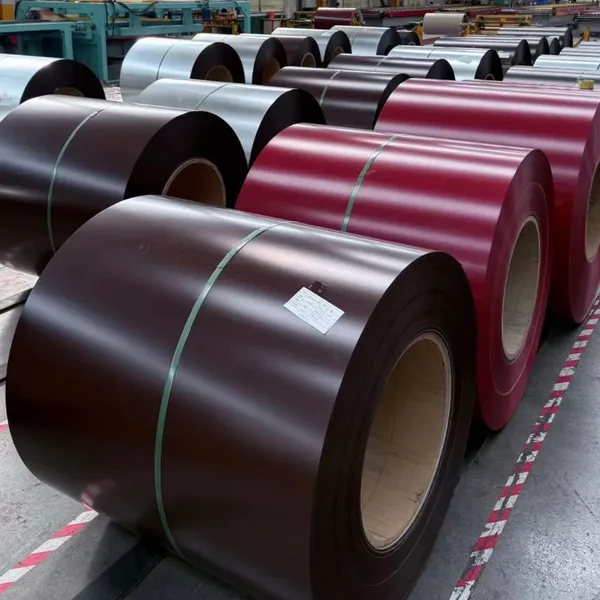
Steel Coil & Strip & Color Coated Steel Coil,PE, SMP, HDP, PVDFNegotiableMOQ: 5 Metric Tons
-
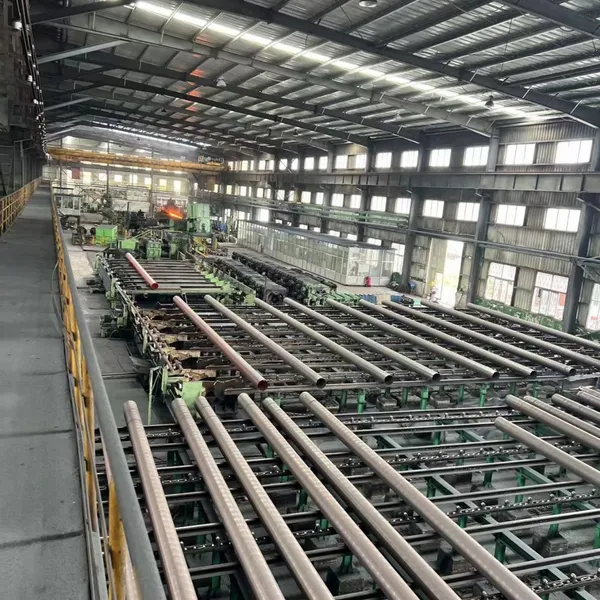
Seamless Steel Pipe& Steel Pipe & Tube,Q235B, Q355B, 20#, 45#, 16Mn, API 5L Gr.B, X42, X46, X52, X56, X60, X65, X70NegotiableMOQ: 5 Metric Tons
-
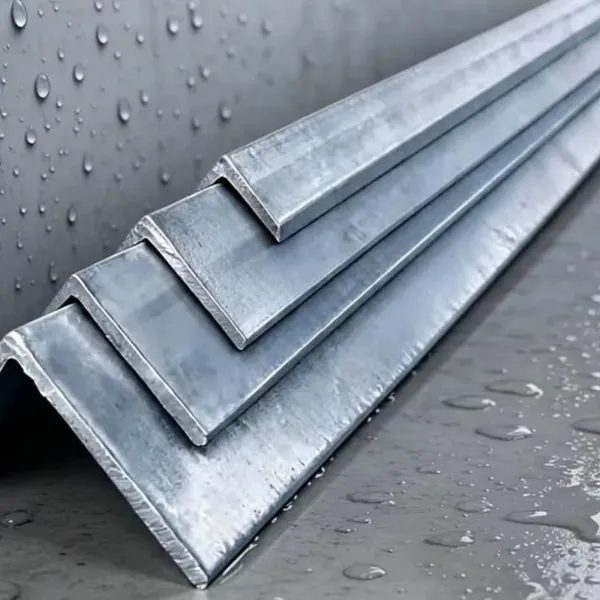
Angle Steel & Angle Bar,ASTM A36, JIS G3101, EN S235JR/S355JR, SS400NegotiableMOQ: 5 Metric Tons
-
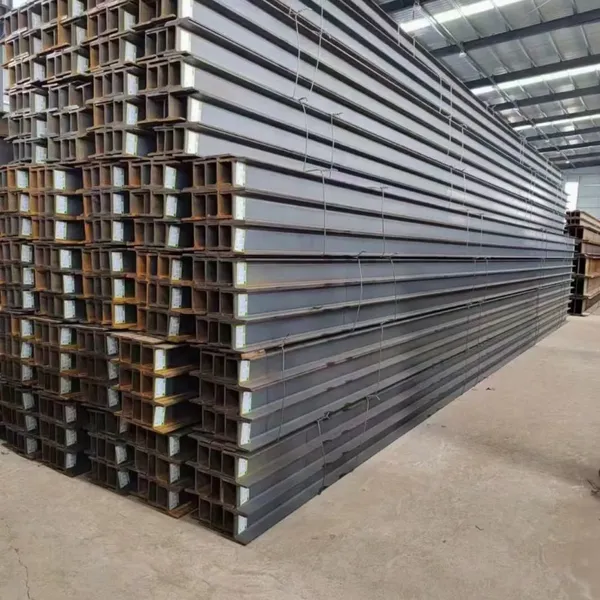
Steel H Beam&H Beam ,Q235B, Q355B, S235JR, S235J0, S235J2, S355JR, S355J0, S355J2, A36, A572 Grade 50, A992NegotiableMOQ: 10 Metric Tons
-
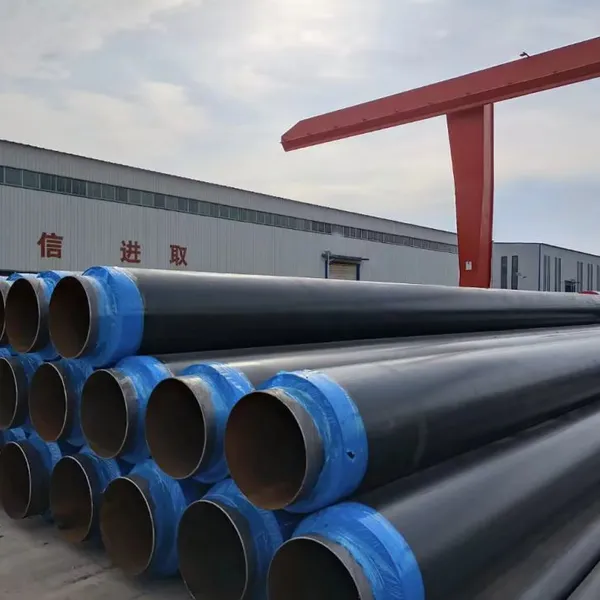
Insulated Steel Pipe&Insulated Seamless Steel Pipe,RoHS, REACH, UL 94, VDE, IEC, GB/T 7113NegotiableMOQ: 5 Metric Tons
-
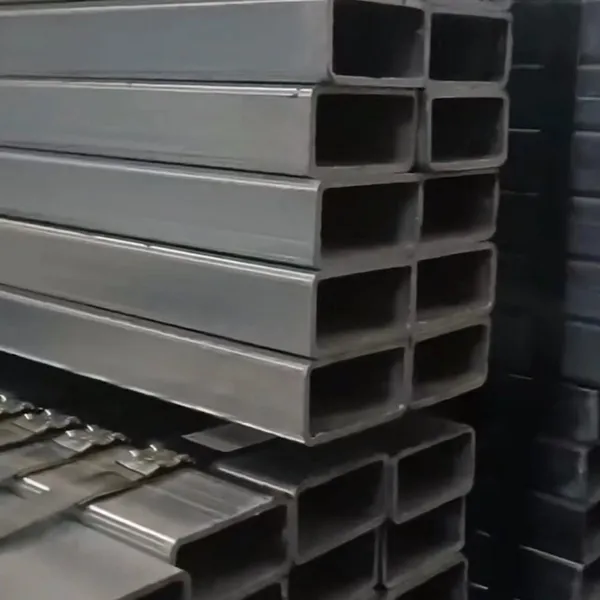
Hot-dip Galvanized Square Tubes&Steel Pipe & Tube,Q195, Q215, Q235B, Q355B, API 5L Gr.BNegotiableMOQ: 5 Metric Tons
-
Steel Pipe & Tube & High Pressure Boiler Tube,ASTM A213 (T Series)、ASTM A335 (P Series)、ASME SA213、SA335、EN 10216-2NegotiableMOQ: 5 Metric Tons
-
Steel Pipe & Tube & High Pressure Boiler Tube,38、42、48、51、57、60、76、89、108、133、159、168、194、219NegotiableMOQ: 5 Metric Tons
-
Insulated Pipe&Pre-insulated Pipe,RoHS, REACH, UL 94, VDE, IEC, GB/T 7113NegotiableMOQ: 5 Metric Tons
-
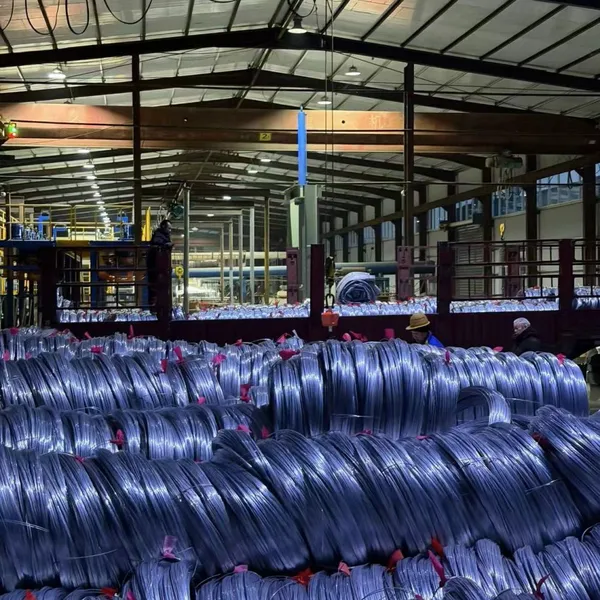
Steel Wire&Galvanized Steel Wire,Q195, Q235, 45#, 55#, 60#, 65#, 70#, 72A, 82BNegotiableMOQ: 5 Metric Tons
-
Steel Coil & Strip & Color Coated Steel Coil,TDC51D+Z、TS250GD+Z、TDC51D+AZ、TS350GD+AZ、TDC51D+ZM、SPCC、DC01NegotiableMOQ: 5 Metric Tons
-
Steel Pipe & Tube & Hot-Dip Galvanizing,Q195、Q215B、Q235BNegotiableMOQ: 5 Metric Tons
-
Steel Coil & Strip & Hot Rolled Coil,Q195、Q215、Q235B、Q255、Q345B、Q355B、Q420、Q460、SS400、SPHC、SPHD、SPHENegotiableMOQ: 5 Metric Tons
-
Steel Rebar & Deformed Steel Bar,HRB400、HRB400E、HRB500、HRB500ENegotiableMOQ: 5 Metric Tons
-
Galvanized Flat Bar&Flat Steel,GB/T 704, GB/T 13912, ASTM A123, JIS G3302NegotiableMOQ: 5 Metric Tons