
 Business License
Comprehensive Guide to Hot Rolled Steel Coil (HRC): Properties, Process and Applications
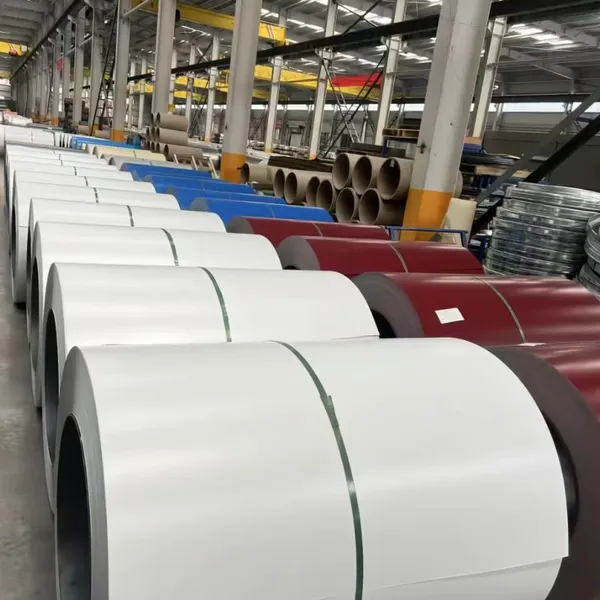
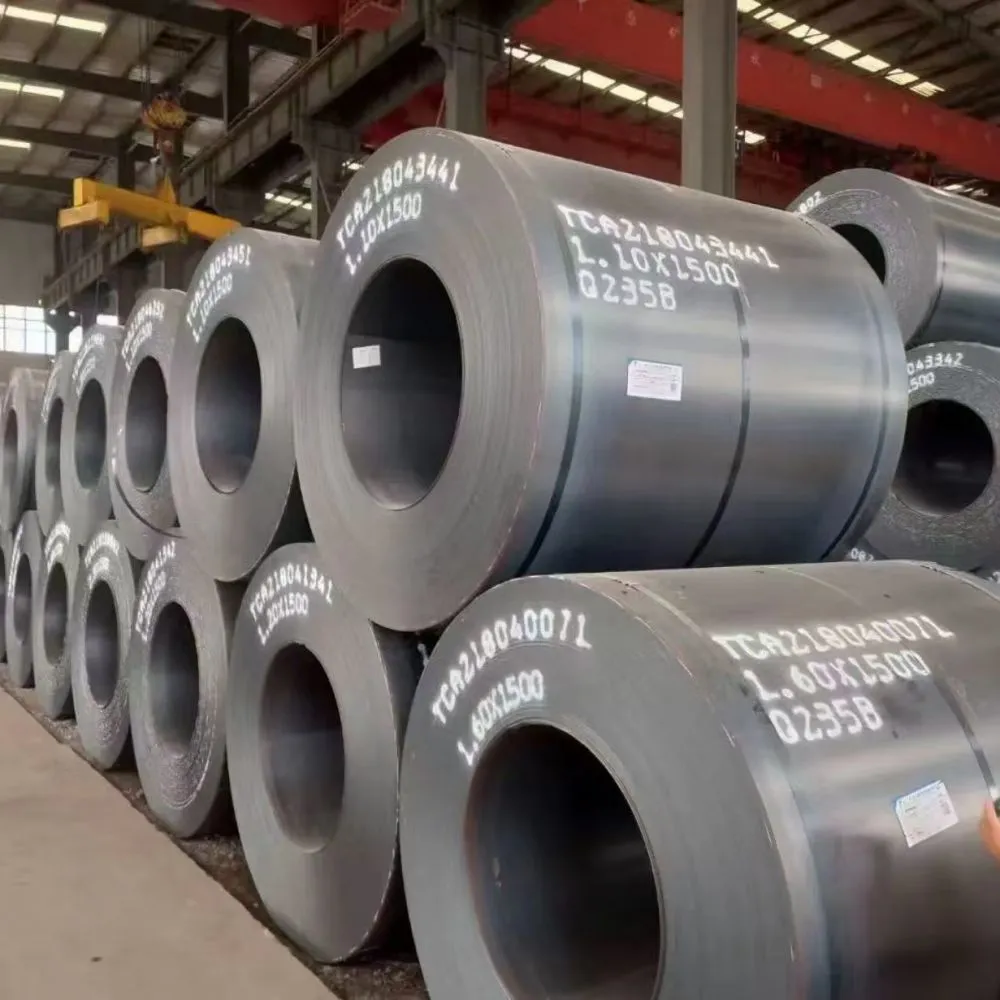
Hot Rolled Steel Coil (HRC) is one of the most essential and widely used flat steel products in the global steel industry. Hot Rolled Steel Coil serves as the fundamental base material for nearly all steel processing and manufacturing fields, occupying a core position in the industrial steel supply chain. All conventional steel plates, steel strips, and profiled steel products are mostly processed from original Hot Rolled Steel Coil. The stable performance of Hot Rolled Steel Coil directly determines the quality, structural stability and service life of downstream finished steel products. Relying on mature Hot Rolling Process, standardized Hot Rolled Steel Coil features uniform internal structure, excellent formability and outstanding cost performance, makingHRC the preferred raw material for construction, machinery, shipbuilding and pipeline engineering. This article comprehensively explains the definition, production Hot Rolling Process, core specifications, material grades, performance advantages and application scenarios of Hot Rolled Steel Coil, helping purchasers and technicians fully master professional HRC product knowledge.
1. What Is Hot Rolled Steel Coil (HRC)? Core Definition
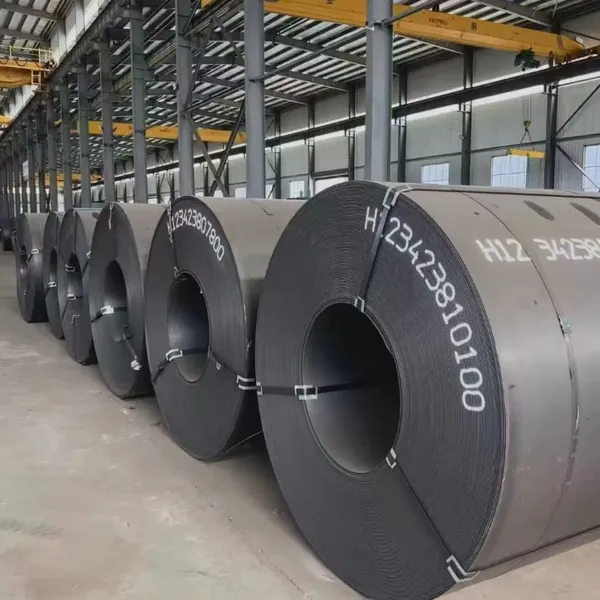
Hot Rolled Steel Coil (abbreviated as HRC) refers to the continuous coiled steel strip produced by heating steel slabs above the recrystallization temperature (over 927°C) and completing continuous rolling through the professional Hot Rolling Process. Different from cold-rolled steel coils processed at room temperature, Hot Rolled Steel Coil is molded under high-temperature plastic state, so Hot Rolled Steel Coil has better plasticity, toughness and welding performance. The whole Hot Rolling Process removes internal stress of steel, making HRC not easy to deform during subsequent stamping, bending and cutting processing.
Hot Rolled Steel Coil is the primary semi-finished flat steel product in the steel rolling industry. Almost all cold-rolled substrates, steel plate blanks and section steel blanks are derived from originalHot Rolled Steel Coil. The standardized Hot Rolling Process ensures that each batch of Hot Rolled Steel Coil has uniform grain structure and stable mechanical properties. As a universal industrial base material, HRC has the characteristics of large output, low comprehensive cost and wide adaptability, and is known as the "foundation of industrial steel manufacturing".
2. Professional Production Process of Hot Rolled Steel Coil
The excellent comprehensive performance of qualified Hot Rolled Steel Coil entirely depends on standardized Hot Rolling Process control. The complete production flow of Hot Rolled Steel Coil is rigorous and automated, ensuring stable quality of each piece of HRC:
Raw Steel Slab Heating → Rough Rolling via Hot Rolling Process → Finish Rolling via Hot Rolling Process → Laminar Flow Cooling → Precision Coiling → Slow Cooling & Aging → Leveling & Straightening → Slitting & Shearing → Non-Destructive Inspection → Surface Finishing → Packaging & Warehousing
First, the qualified continuous casting steel slab is sent to the heating furnace for high-temperature heating to reach the optimal rolling temperature range. Then the slab enters the roughing mill and finishing mill for multi-pass rolling through the coreHot Rolling Process, gradually reducing the thickness to the preset standard size. After rolling, the high-temperature steel strip is evenly cooled by laminar flow equipment to stabilize the internal metallographic structure of Hot Rolled Steel Coil. Finally, the steel strip is coiled into standard HRC finished products, and processed with leveling, slitting and flaw detection according to customer requirements.
The whole Hot Rolling Process avoids internal defects such as porosity and inclusion segregation. The Hot Rolled Steel Coil produced by mature Hot Rolling Process has dense internal organization, stable yield strength and tensile strength, which can fully meet the processing needs of various downstream industries.
3. Common Classification & Material Grades of Hot Rolled Steel Coil
Hot Rolled Steel Coil has complete classification standards and rich material grades. Different grades of HRC match different working conditions and processing requirements, covering civil construction, general machinery and high-strength industrial manufacturing fields.
3.1 Classification by Usage
General Structural Hot Rolled Steel Coil: The most widely used Hot Rolled Steel Coil, suitable for building structures, steel frames, ordinary mechanical parts and supporting facilities, with strong versatility and high cost performance.
Stamping Structural Hot Rolled Steel Coil: This kind of HRC has excellent deep drawing performance, specially used for stamping and forming of automobile parts, electrical equipment shells and hardware accessories.
High-Strength Hot Rolled Steel Coil: High-toughness and high-strength Hot Rolled Steel Coil, applicable for heavy machinery, engineering equipment, ship hull structures and bearing structural parts.
Pickled & Oiled Hot Rolled Steel Coil (P&O HRC): On the basis of ordinary Hot Rolled Steel Coil, pickling and anti-rust oil coating processes are added, with smooth surface and low roughness, suitable for high-precision processing scenarios.
3.2 Mainstream Material Grades
Standard Hot Rolled Steel Coil covers domestic and international universal grades, with stable performance and wide recognition:
Ordinary Carbon Structural Steel: Q235B, SS400, S235JR, the most common HRC grades, good plasticity and weldability, suitable for general structural engineering.
Low Alloy High Strength Steel: Q355B, S355JR, high strength and good low-temperature toughness, widely used in engineering machinery and pipeline supports.
Stamping Grade Steel: SPHC, SPHD, SPHE, professional stamping Hot Rolled Steel Coil, excellent deep forming performance without cracking.
4. Core Specifications & Technical Parameters of HRC
All qualified Hot Rolled Steel Coil implements unified industry standard parameters, with controllable tolerance and stable size, which is convenient for downstream fixed-length cutting and standardized processing:
Thickness Range: 1.5mm–20.0mm, covering thin, medium and thick Hot Rolled Steel Coil specifications to meet diverse processing needs.
Width Range: 1000mm, 1250mm, 1500mm, 1800mm, 2000mm, conventional fixed width and customizable slit width.
Coil Weight: 8–25 tons per coil, supporting customized weight according to customer production lines.
Size Tolerance: Thickness tolerance ±5%~±8%, width tolerance strictly controlled in accordance with national and international standards, ensuring high matching ofHRC in assembly and processing.
Mechanical Properties: Stable yield strength, tensile strength and elongation; qualified Hot Rolled Steel Coil has good bending, welding and stamping performance without brittle fracture.
5. Unique Performance Advantages of Hot Rolled Steel Coil
Compared with other steel products, Hot Rolled Steel Coil produced by professional Hot Rolling Process has irreplaceable comprehensive advantages, which is the core reason why HRC dominates the industrial base material market:
Excellent Plasticity & Toughness: The high-temperature Hot Rolling Process optimizes the internal grain distribution of Hot Rolled Steel Coil, making HRC easy to bend, stamp and form, suitable for various complex processing technologies.
Stable Structural Performance: The Hot Rolling Process eliminates internal residual stress, so Hot Rolled Steel Coil is not easy to deform or crack during long-term use and secondary processing.
High Cost Performance: The production efficiency of Hot Rolling Process is high, and the comprehensive production cost of Hot Rolled Steel Coil is low, which can effectively reduce the raw material cost of downstream enterprises.
Strong Process Adaptability: Hot Rolled Steel Coil can be directly used or processed into cold-rolled coils, steel plates, steel strips and various profile steels, with extremely wide application coverage.
Good Weldability: Uniform composition and stable performance of HRC ensure firm welding joints, no welding crack defects, and meet structural engineering safety standards.
6. Wide Application Scenarios of Hot Rolled Steel Coil
As the core base material of the steel industry, Hot Rolled Steel Coil runs through all links of industrial manufacturing and infrastructure construction. All fields that need flat steel support are inseparable from high-quality HRC and mature Hot Rolling Process guarantee:
Construction Engineering: Hot Rolled Steel Coil is processed into building steel plates, steel structures, corrugated steel sheets and bridge steel plates, widely used in building main structures, municipal engineering and bridge construction.
Mechanical Manufacturing: HRC is used for manufacturing mechanical equipment shells, base brackets, engineering machinery accessories and transmission parts, with stable bearing capacity and strong durability.
Automobile Industry: Stamping-gradeHot Rolled Steel Coil is applied to automobile chassis parts, body structural parts and interior hardware accessories, relying on the excellent forming performance of Hot Rolling Process.
Shipbuilding & Marine Engineering: High-strength Hot Rolled Steel Coil is used for ship hull plates, deck structures and marine equipment supporting parts, adapting to marine humid and high-load working conditions.
Pipeline & Energy Industry: HRC is the main raw material for processing welded steel pipes, used for water supply, gas transmission and petrochemical pipeline projects, with reliable pressure resistance and structural stability.
Hardware & Light Industry: Pickled and oiled Hot Rolled Steel Coil is used for hardware stamping, electrical shell manufacturing and daily metal products, with smooth surface and high finished product quality.
7. HRC Selection & Quality Inspection Guidelines
To ensure project quality and processing efficiency, the selection and acceptance of Hot Rolled Steel Coil must focus on process standards and performance indicators, avoiding quality risks caused by unqualified Hot Rolling Process and inferior HRC:
Match Grade According to Working Conditions: Ordinary civil projects select Q235B/SS400 Hot Rolled Steel Coil; high-load engineering and machinery select Q355B high-strength HRC; stamping forming projects prioritize SPHC series stamping-grade Hot Rolled Steel Coil.
Verify Standard Hot Rolling Process: Qualified Hot Rolled Steel Coil must be produced by complete high-temperature Hot Rolling Process. Unstandardized rolling processes will lead to uneven internal structure of HRC and inconsistent mechanical properties in batches.
Strict Surface & Size Inspection: High-quality Hot Rolled Steel Coil has no obvious cracks, scabs, pits and rust spots on the surface, with uniform thickness and straight coil shape, no warping and deformation.
Check Complete Factory Certificates: Formal HRC products need to provide complete material test reports (MTR), including chemical composition, mechanical property test and process inspection records of Hot Rolling Process, to ensure batch stability.
Confirm Subsequent Processing Adaptability: For deep stamping and welding projects, test the plasticity and weldability of Hot Rolled Steel Coil in advance to avoid processing cracking and unqualified finished products.
8. Industry Summary
Hot Rolled Steel Coil (HRC) is the most indispensable basic flat steel product in modern industry. The mature and stable Hot Rolling Process endows Hot Rolled Steel Coil with excellent plasticity, toughness and structural stability, makingHRC widely used in construction, machinery, shipbuilding, automobile and energy industries. The quality of Hot Rolled Steel Coil directly affects the quality of all downstream processed steel products.
With the continuous upgrading of industrial manufacturing standards, high-precision, high-strength and low-defect Hot Rolled Steel Coil has become the mainstream of the market. For steel procurement and processing enterprises, mastering the process characteristics and performance parameters ofHot Rolled Steel Coil and selecting standardized HRC products is the key to controlling project quality and reducing production costs.
Recently Posted
-
A Complete Guide to Precision Steel Tube: High-Tolerance Tubing for Industrial & Mechanical Systems
August 14, 2026Widely adopted in hydraulic systems, mechanical manufacturing, automotive engineering, pneumatic equipment and high-pressure indus Read More
 -
A Complete Guide to Steel Wire: High-Durability Metal Wire for Industrial & Construction Use
August 14, 2026As a fundamental metal raw material widely used in construction engineering, industrial manufacturing, hardware processing and pre Read More
 -
Scaffolding Accessories: Complete Types, Standard & Quality for Construction Projects
August 13, 2026Scaffolding Accessories: Complete Types, Standard & Quality for Construction Projects Complete and high-quality Scaffoldi Read More
 -
Scaffolding: Types, Advantages, International Standards & Global Construction Applications
August 13, 2026Scaffolding: Types, Advantages, International Standards & Global Construction Applications In global infrastructure and b Read More

Contact Us

Recommended Products
-
 Steel Sheet & Plate & Boiler Plate,EN 10028、ASTM A516 Gr60/70、P265GH、P355GHNegotiableMOQ: 5 Metric Tons
 -
Steel Coil & Strip & Hot Rolled Steel Coil,Q235B、SS400、A36、S235JR、SPHC、SPHD、Q355B/C/D、S355JR、S355J0NegotiableMOQ: 5 Metric Tons
-
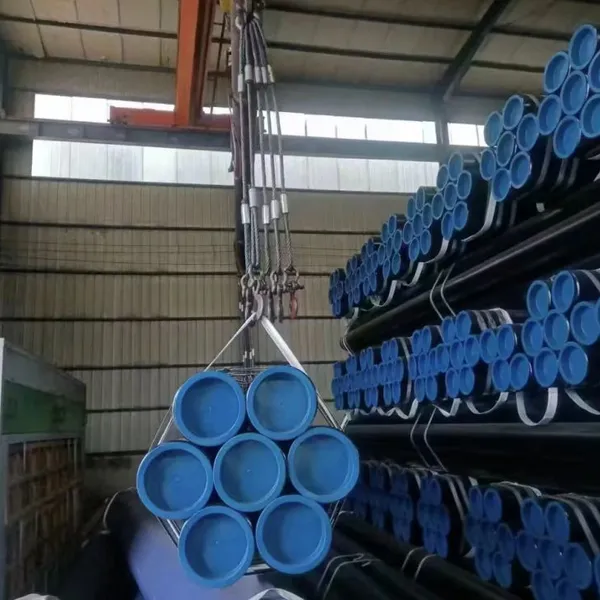
Steel Pipe & Tube & Oil Country Tubular Goods,API 5L Gr.B、X42、X52、X60、X65、X70、X80、E75、X95、G105、S135NegotiableMOQ: 5 Metric Tons
-
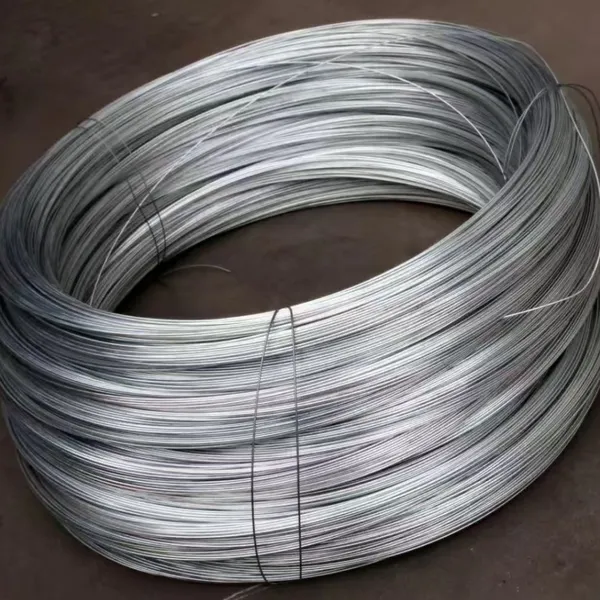
Iron Wire&Galvanized Iron Wire,GB/T 343, ASTM A853, JIS G 3532, EN 10264,Q195, Q235NegotiableMOQ: 5 Metric Tons
-
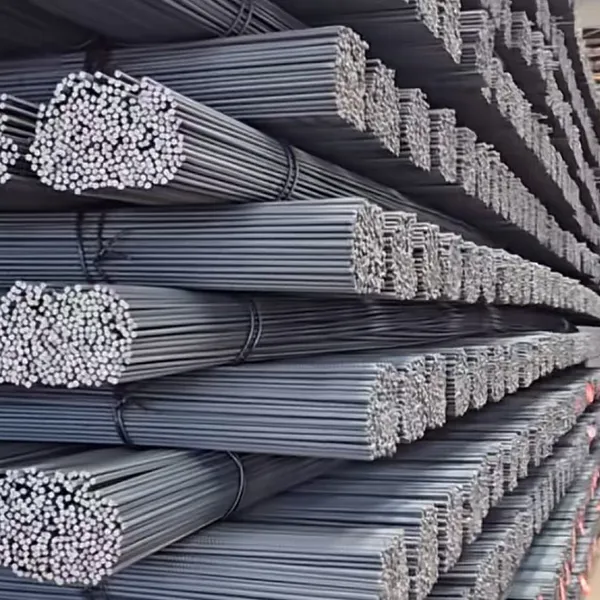
Rebar&Steel Rebar&Hot Rolled Rebar,HRB400, HRB500, HRBF400, HRBF500, B500B, B500C, Grade 60, Grade 75NegotiableMOQ: 5 Metric Tons
-
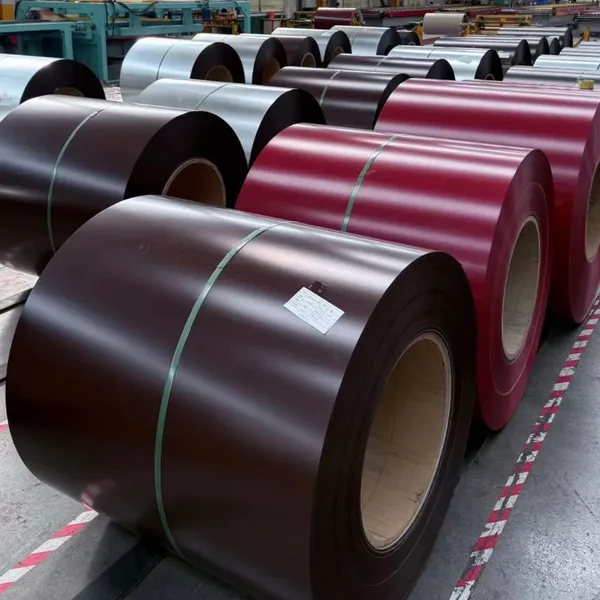
Steel Coil & Strip & Color Coated Steel Coil,PE, SMP, HDP, PVDFNegotiableMOQ: 5 Metric Tons
-
Seamless Steel Pipe& Steel Pipe & Tube,Q235B, Q355B, 20#, 45#, 16Mn, API 5L Gr.B, X42, X46, X52, X56, X60, X65, X70NegotiableMOQ: 5 Metric Tons
-
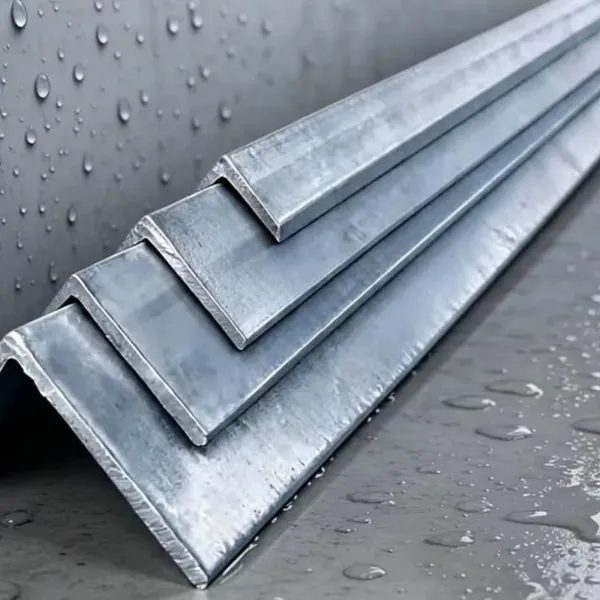
Angle Steel & Angle Bar,ASTM A36, JIS G3101, EN S235JR/S355JR, SS400NegotiableMOQ: 5 Metric Tons
-
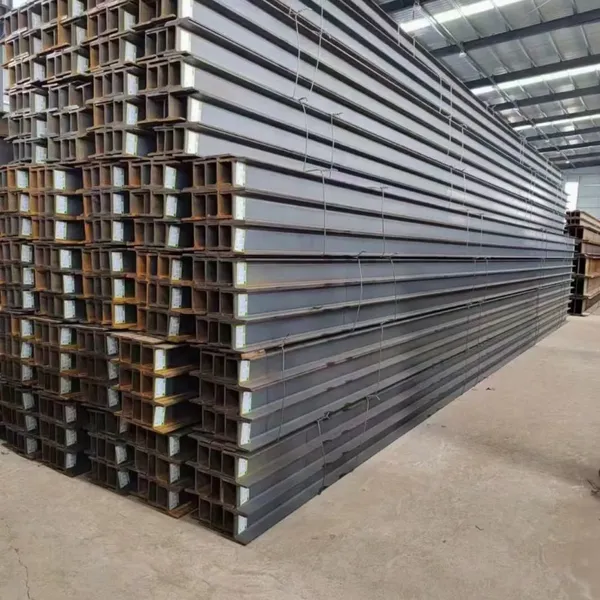
Steel H Beam&H Beam ,Q235B, Q355B, S235JR, S235J0, S235J2, S355JR, S355J0, S355J2, A36, A572 Grade 50, A992NegotiableMOQ: 10 Metric Tons
-
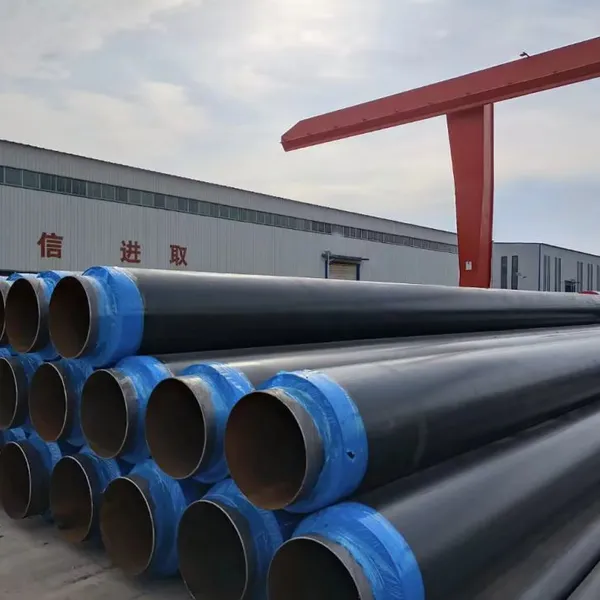
Insulated Steel Pipe&Insulated Seamless Steel Pipe,RoHS, REACH, UL 94, VDE, IEC, GB/T 7113NegotiableMOQ: 5 Metric Tons
-
Hot-dip Galvanized Square Tubes&Steel Pipe & Tube,Q195, Q215, Q235B, Q355B, API 5L Gr.BNegotiableMOQ: 5 Metric Tons
-
Steel Pipe & Tube & High Pressure Boiler Tube,ASTM A213 (T Series)、ASTM A335 (P Series)、ASME SA213、SA335、EN 10216-2NegotiableMOQ: 5 Metric Tons
-
Steel Pipe & Tube & High Pressure Boiler Tube,38、42、48、51、57、60、76、89、108、133、159、168、194、219NegotiableMOQ: 5 Metric Tons
-
Insulated Pipe&Pre-insulated Pipe,RoHS, REACH, UL 94, VDE, IEC, GB/T 7113NegotiableMOQ: 5 Metric Tons
-
Steel Wire&Galvanized Steel Wire,Q195, Q235, 45#, 55#, 60#, 65#, 70#, 72A, 82BNegotiableMOQ: 5 Metric Tons
-
Steel Coil & Strip & Color Coated Steel Coil,TDC51D+Z、TS250GD+Z、TDC51D+AZ、TS350GD+AZ、TDC51D+ZM、SPCC、DC01NegotiableMOQ: 5 Metric Tons
-
Steel Pipe & Tube & Hot-Dip Galvanizing,Q195、Q215B、Q235BNegotiableMOQ: 5 Metric Tons
-
Steel Coil & Strip & Hot Rolled Coil,Q195、Q215、Q235B、Q255、Q345B、Q355B、Q420、Q460、SS400、SPHC、SPHD、SPHENegotiableMOQ: 5 Metric Tons
-
Steel Rebar & Deformed Steel Bar,HRB400、HRB400E、HRB500、HRB500ENegotiableMOQ: 5 Metric Tons
-
Galvanized Flat Bar&Flat Steel,GB/T 704, GB/T 13912, ASTM A123, JIS G3302NegotiableMOQ: 5 Metric Tons