
 Business License
Comprehensive Guide to Petroleum Pipes: Core Special Pipes for Oil and Gas Development
1. What Are Petroleum Pipes? Core Basic Definition
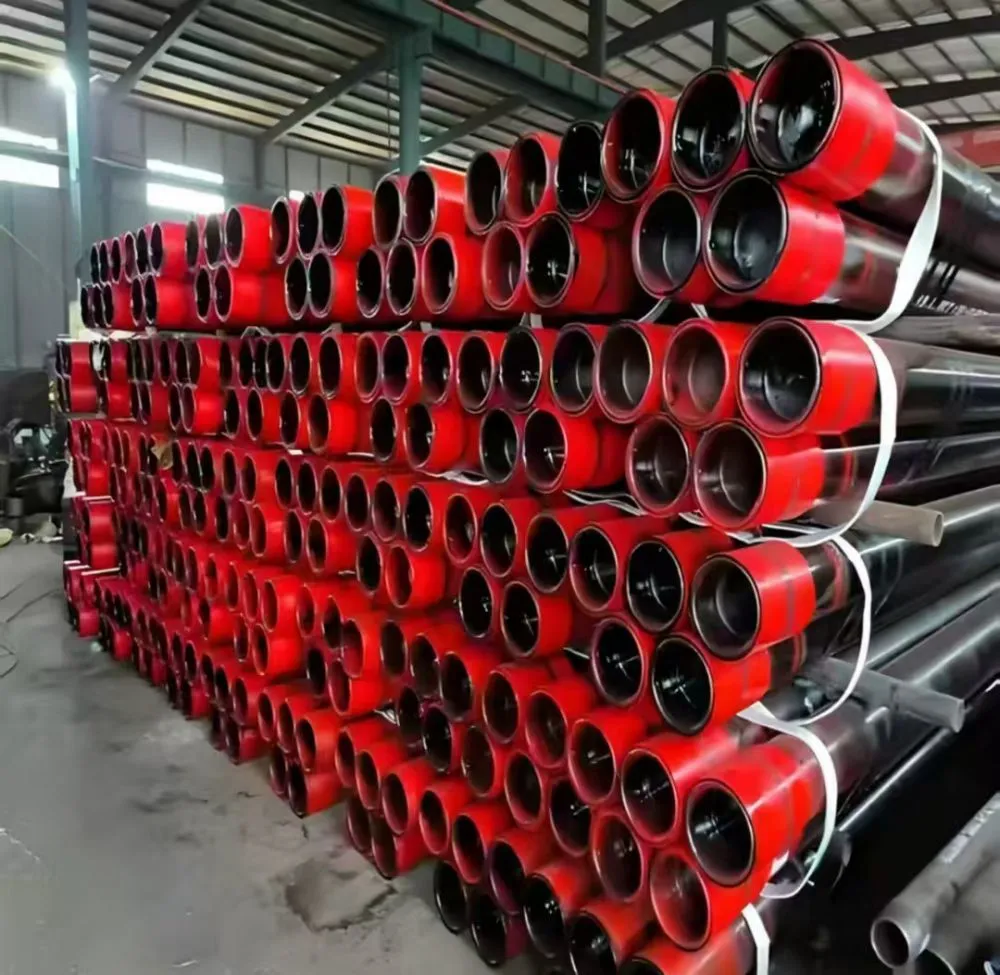
Petroleum pipes, professionally known as OCTG (Oil Country Tubular Goods). As the most professional and standardized OCTG products in the energy industry, these OCTG tubular products are exclusively designed for harsh downhole oil and gas environments, refer to special seamless steel pipes processed through piercing, hot rolling, heat treatment, pipe end finishing and thread machining. Petroleum pipes take qualified continuous casting round billets as raw materials and are specially used for oil and gas well drilling, cementing, oil recovery and oil and gas transmission. Different from ordinary industrial seamless pipes, petroleum pipes need to withstand multiple extreme working conditions including high internal and external pressure, tensile compression, torsional load, hydrogen sulfide corrosion and carbon dioxide corrosion.
Petroleum pipes belong to high-standard special steel products in the energy industry, not general-purpose steel pipes. Every production and processing link of petroleum pipes has strict technical thresholds. Unqualifiedpetroleum pipes are extremely prone to pipe body cracking, thread leakage and well wall collapse, leading to major safety accidents and economic losses in oil and gas projects. Therefore, all formal petroleum pipes used in oilfield projects must pass complete non-destructive testing and hydraulic pressure testing to ensure reliable performance in complex downhole environments.
2. Main Classifications of Petroleum Pipes: Classified by Working Function
Petroleum pipes have a clear and professional classification system in the industry. According to different downhole and ground service functions, mainstream petroleum pipes are divided into five categories: petroleum casing pipes, petroleum tubing pipes, drill pipes, petroleum cracking pipes and pipeline pipes. Each type of petroleum pipes has independent application scenarios and technical standards and cannot be used interchangeably.
2.1 Petroleum Casing Pipes
As the main skeleton of oil and gas wells, petroleum casing pipes are the most widely used petroleum pipes in drilling projects. Casing pipes are lowered into the well to reinforce the well wall, prevent formation collapse, isolate different formation fluids and ensure the safety of drilling and production operations. An oil and gas well needs to be equipped with multiple layers of casing petroleum pipes, including conductor casing, surface casing, technical casing and production casing.
Main Steel Grades: H40, J55, K55, N80, L80, C90, T95, P110, Q125; corrosion-resistant and sulfur-resistant steel grades such as L80-9Cr and L80-13Cr are specially used for acidic oil and gas wells.
Common Outer Diameters: 114.3mm-508mm (4-1/2"~20"), covering most conventional and large-diameter well projects, all casing OCTG products are manufactured in strict accordance with API standard requirements to ensure downhole safety.
Thread Types: Short Round Thread (SC), Long Round Thread (LC), Buttress Thread (BTC) and Premium airtight threads. High-pressure deep wells and gas wells prioritize BTC and special airtight thread petroleum pipes to ensure zero leakage.
2.2 Petroleum Tubing Pipes
Petroleum tubing pipes are special petroleum pipes suspended inside the casing, serving as the only channel for underground oil and gas to be transported to the ground. Tubing petroleum pipes can be lifted and replaced later, and bear long-term internal high pressure and medium corrosion, putting forward extremely high requirements for pipe body tightness and structural stability.
Main Steel Grades: Conventional wells adopt J55, N80, L80 and P110; sulfur-containing acidic wells are matched with C90 and T95 sulfur-resistant petroleum pipes.
Common Outer Diameters: 60.3mm-114.3mm, belonging to small and medium-diameter precision petroleum pipes.
Product Features: Pipe end thickening design, complete matching couplings, high-precision thread processing, every tubing petroleum pipes must pass strict hydrostatic pressure test before leaving the factory.
2.3 Petroleum Drill Pipes
Drill pipes are core power-transmitting petroleum pipes for drilling operations, connecting ground drilling equipment and drill bits. Drill pipe petroleum pipes need to bear complex composite loads such as tension, compression, torsion and impact during long-term rotating drilling. The product standard is API 5DP, a core API standard specially formulated for OCTG drill pipe products, and mainstream steel grades include E75, X95, G105 and S135, which are suitable for conventional drilling, deep well and ultra-deep well drilling construction.
2.4 Petroleum Cracking Pipes
Petroleum cracking pipes are special high-temperature and high-pressure resistant petroleum pipes used for refinery heating furnaces and heat exchanger equipment. Working in high-temperature cracking and corrosive medium environments for a long time, such petroleum pipes implement the GB 9948 standard, and common materials include 10#, 20#, 12CrMo, 15CrMo and 1Cr5Mo, with excellent high-temperature oxidation resistance and structural stability.
2.5 Oil and Gas Pipeline Pipes
Pipeline pipes are long-distance transmissionpetroleum pipes for onshore and offshore crude oil and natural gas. The implementation standard is API 5L, the authoritative API standard for long-distance OCTG pipeline petroleum pipes, with steel grades including L245, X42, X52, X60, X70 and X80. Pipeline petroleum pipes are divided into PSL1 ordinary grade and PSL2 high-standard grade, which can be produced by seamless, straight seam and spiral welding processes, and are widely used in national long-distance oil and gas transmission pipe networks.
3. Complete Production Process of Petroleum Pipes
The excellent comprehensive performance of high-quality petroleum pipes comes from standardized raw material selection and full-process process control. All qualified petroleum pipes are produced with high-quality continuous casting round billets as raw materials, and the complete production process is standardized and rigorous:
Qualified round steel billet → furnace heating → piercing rolling → sizing and reducing → cooling → fixed-length sawing → quenching and tempering heat treatment → pipe end thickening and finishing → precision thread turning → coupling screwing → non-destructive flaw detection → full-scale hydrostatic pressure test → spraying marking and thread protection → finished product inspection and warehousing
Heat treatment is the core process of petroleum pipes production. High-grade petroleum pipes such as N80Q, L80 and P110 must undergo complete quenching and tempering heat treatment to ensure matching strength and toughness. The thread processing accuracy directly determines the downhole sealing effect of petroleum pipes. Each batch ofpetroleum pipes needs to complete ultrasonic and magnetic particle non-destructive testing to eliminate pipe body crack defects, and each piece of petroleum pipes must pass hydraulic pressure withstand test before delivery.
The standardized process of petroleum pipes ensures uniform pipe structure, reliable collapse resistance and stable thread connection and sealing performance, enabling petroleum pipes to adapt to long-term service in harsh downhole working conditions.
4. Core Specifications, Technical Parameters and Implementation Standards
The procurement, acceptance and engineering application of petroleum pipes at home and abroad strictly follow API international standards and national industry standards. Unified API standard execution is the core guarantee for the interchangeability and reliability of all OCTG petroleum pipes. The core general parameters of mainstream petroleum pipes are as follows:
4.1 Main Implementation Standards
Casing and Tubing Pipes: API 5CT, GB/T 19830, ISO 11960; Thread Detection: API 5B
Drill Pipes: API 5DP
Pipeline Pipes: API 5L, GB/T 9711
Petroleum Cracking Pipes: GB 9948, ASTM A335
4.2 Size and Weight Tolerance
Outer diameter and wall thickness of petroleum pipes strictly comply with API standard tolerance requirements;
Conventional fixed length of petroleum pipes: 8-12 meters, supporting customized non-standard fixed length according to project needs;
The straightness, ovality, thread size and coupling size of petroleum pipes are all verified by special professional gauges to ensure assembly accuracy.
4.3 Quality Inspection Items
Physical and Chemical Inspection: Chemical composition analysis, tensile test, impact test and hardness test to ensure the mechanical performance of petroleum pipes meets the standard;
Non-destructive Inspection: UT ultrasonic flaw detection, MT magnetic particle flaw detection, full-piece hydrostatic pressure test and precision thread detection for all petroleum pipes;
Factory Documents: Complete MTR material certificate, heat treatment report, hydraulic test report and flaw detection report can be provided. 3.1/3.2 third-party inspection certificates are supported, and API logo certified petroleum pipes can be supplied for foreign trade projects.
5. Core Application Scenarios of Petroleum Pipes
As the lifeline pipe of the energy industry, petroleum pipes are widely used in onshore oil fields, offshore oil and gas platforms, covering conventional oil and gas wells, deep and ultra-deep wells, shale oil and gas wells, sulfur-containing acidic oil and gas wells, geothermal wells and water injection wells. Different types of petroleum pipes accurately match different working conditions:
Onshore Oil and Gas Fields: J55 and N80 grade conventional petroleum pipes are widely used for drilling and production of shallow and medium-deep oil and gas wells, with large market consumption and stable performance.
Deep and Ultra-Deep Wells: High-grade petroleum pipes such as P110 and Q125 are adopted, with high collapse resistance to resist huge formation external pressure and avoid pipe body deformation and damage.
Sulfur-Containing Acidic Oil and Gas Fields: Special sulfur-resistant petroleum pipes including L80-1, C90 and T95 are selected to effectively resist stress corrosion cracking caused by hydrogen sulfide and carbon dioxide media.
Offshore Oil and Gas Platforms: High-reliability airtight thread petroleum pipes are used to resist alternating marine loads and ensure long-term safe operation of offshore oil and gas facilities.
Petrochemical Industry: High-temperature resistant petroleum cracking petroleum pipes are used for heating furnaces and heat exchange systems in refineries to adapt to high-temperature and high-pressure petrochemical working conditions.
Long-Distance Pipeline Transportation: API5L standard pipeline petroleum pipes are used for the construction of crude oil and natural gas long-distance transmission pipe networks to realize safe and efficient energy transportation.
6. Professional Selection Skills for Petroleum Pipes
Most failure accidents of oil and gas well pipes are caused by incorrect selection of petroleum pipes, unqualified raw materials, missing heat treatment processes and unqualified thread processing. Therefore, targeted selection and strict inspection of petroleum pipes are the key to avoiding project risks:
Match Steel Grade According to Actual Working Conditions: J55/N80 conventional petroleum pipes are suitable for ordinary shallow wells; P110 high-strength petroleum pipes are used for high-pressure deep wells; sulfur-containing acidic wells must use special sulfur-resistant petroleum pipes, and ordinary steel grade petroleum pipes are strictly prohibited from alternative use.
Verify Complete Heat Treatment Process: High-grade petroleum pipes such as N80Q, L80 and P110 must undergo complete quenching and tempering heat treatment. Non-heat-treated petroleum pipes have unqualified mechanical properties and cannot be used for downhole engineering. Purchasers can ask suppliers for official heat treatment records.
Select Matching Thread Types: Short-cost SC threads are suitable for shallow wells; LC long round threads are used for conventional wells; BTC buttress threads are preferred for deep high-pressure wells; special airtight thread petroleum pipes are matched for high-pressure gas wells. It is necessary to strengthen thread protection during transportation to avoid collision and damage.
Check Complete Factory Qualification Documents: Qualified petroleum pipes must be equipped with complete material certificates, hydraulic test reports and flaw detection reports. Foreign trade projects need to confirm API certification qualifications, and only OCTG petroleum pipes that meet full API standard specifications can be used for international oil and gas projects, and key projects can support third-party factory inspection of petroleum pipes.
Control Raw Material Quality at the Source: High-quality petroleum pipes are made of standard continuous casting round billets. Inferior raw materials will cause internal defects in pipe bodies, leading to burst pipes and cracking of petroleum pipes in downhole operation.
7. Industry Summary
Petroleum pipes are the indispensable lifeline special pipes in the oil and gas energy industry. Different from ordinary steel pipes, the steel grade selection, heat treatment process, thread precision and raw material quality of petroleum pipes determine the overall safety of oil and gas wells. Many purchasers only focus on price competition and ignore the working condition adaptability and processing quality of petroleum pipes, which brings huge potential safety hazards to oil and gas exploitation projects.
With the global oil and gas exploitation gradually expanding to deep wells, acidic oil and gas fields and offshore energy fields, the market demand for high-performance, corrosion-resistant and high-airtightness petroleum pipes continues to grow. For oil and gas engineering and foreign trade procurement practitioners, mastering the professional standards and parameter specifications of petroleum pipes and selecting matching petroleum pipes according to downhole working conditions are the core keys to controlling project risks and ensuring long-term stable operation of oil and gas wells.
Recently Posted
-
A Complete Guide to Precision Steel Tube: High-Tolerance Tubing for Industrial & Mechanical Systems
August 14, 2026Widely adopted in hydraulic systems, mechanical manufacturing, automotive engineering, pneumatic equipment and high-pressure indus Read More
 -
A Complete Guide to Steel Wire: High-Durability Metal Wire for Industrial & Construction Use
August 14, 2026As a fundamental metal raw material widely used in construction engineering, industrial manufacturing, hardware processing and pre Read More
 -
Scaffolding Accessories: Complete Types, Standard & Quality for Construction Projects
August 13, 2026Scaffolding Accessories: Complete Types, Standard & Quality for Construction Projects Complete and high-quality Scaffoldi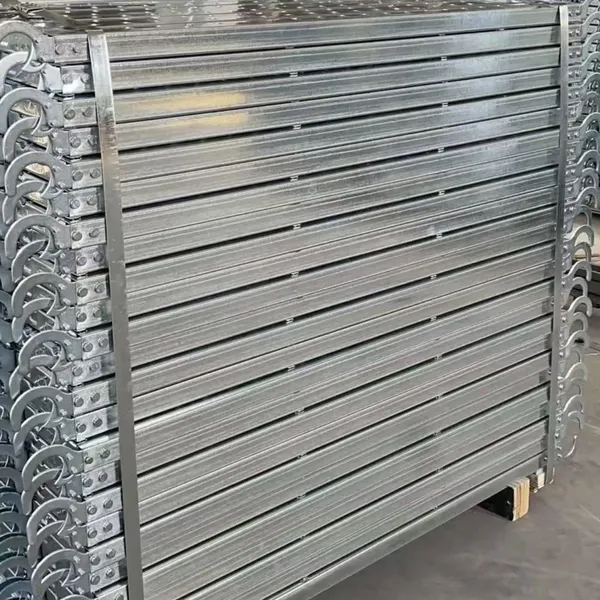 Read More
 -
Scaffolding: Types, Advantages, International Standards & Global Construction Applications
August 13, 2026Scaffolding: Types, Advantages, International Standards & Global Construction Applications In global infrastructure and b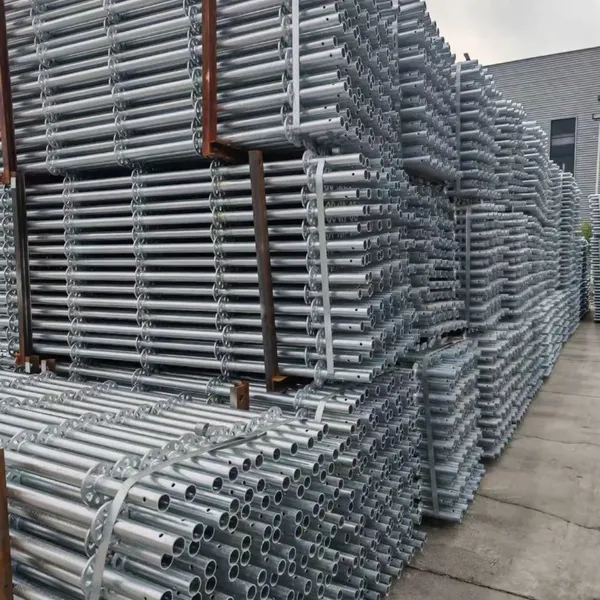 Read More

Contact Us

Recommended Products
-
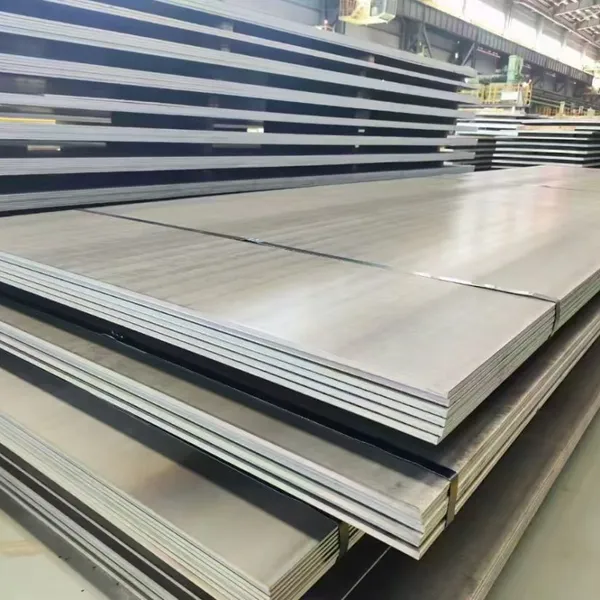
 Steel Sheet & Plate & Boiler Plate,EN 10028、ASTM A516 Gr60/70、P265GH、P355GHNegotiableMOQ: 5 Metric Tons
 -
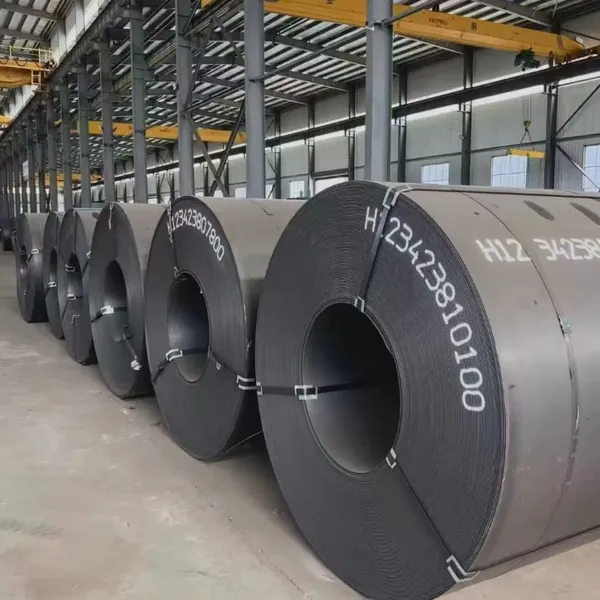
Steel Coil & Strip & Hot Rolled Steel Coil,Q235B、SS400、A36、S235JR、SPHC、SPHD、Q355B/C/D、S355JR、S355J0NegotiableMOQ: 5 Metric Tons
-
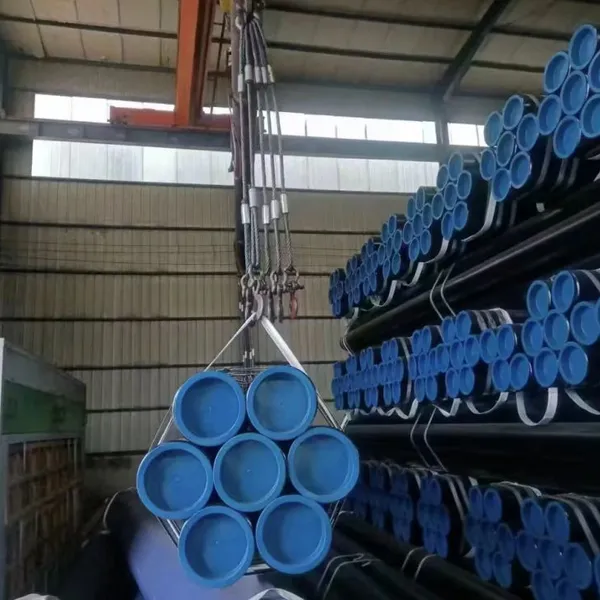
Steel Pipe & Tube & Oil Country Tubular Goods,API 5L Gr.B、X42、X52、X60、X65、X70、X80、E75、X95、G105、S135NegotiableMOQ: 5 Metric Tons
-
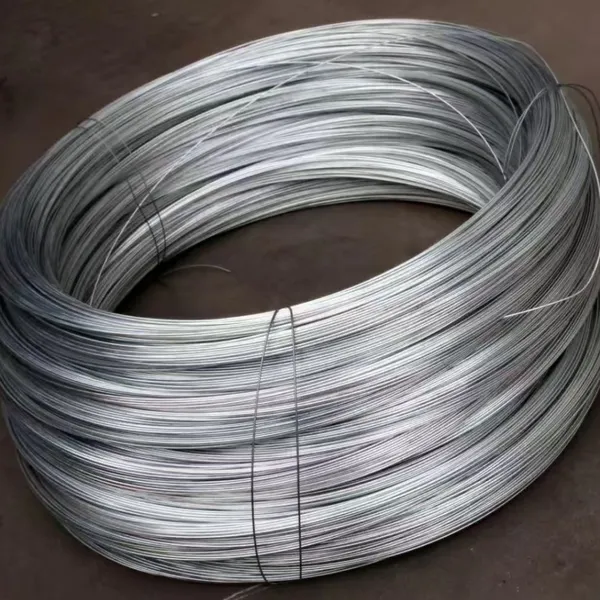
Iron Wire&Galvanized Iron Wire,GB/T 343, ASTM A853, JIS G 3532, EN 10264,Q195, Q235NegotiableMOQ: 5 Metric Tons
-
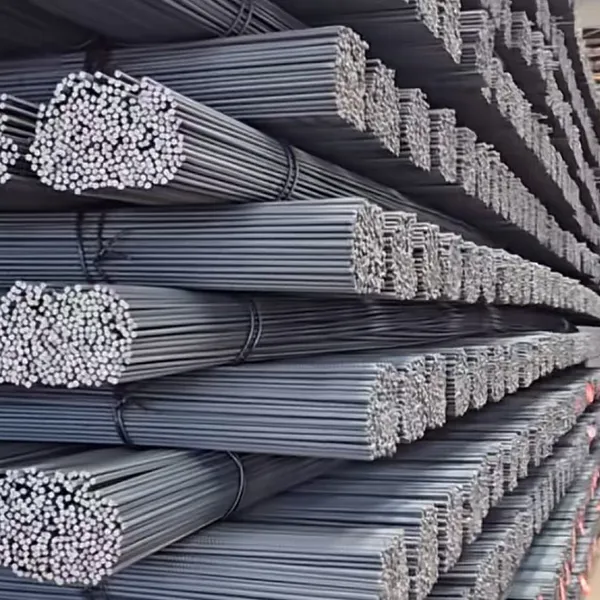
Rebar&Steel Rebar&Hot Rolled Rebar,HRB400, HRB500, HRBF400, HRBF500, B500B, B500C, Grade 60, Grade 75NegotiableMOQ: 5 Metric Tons
-
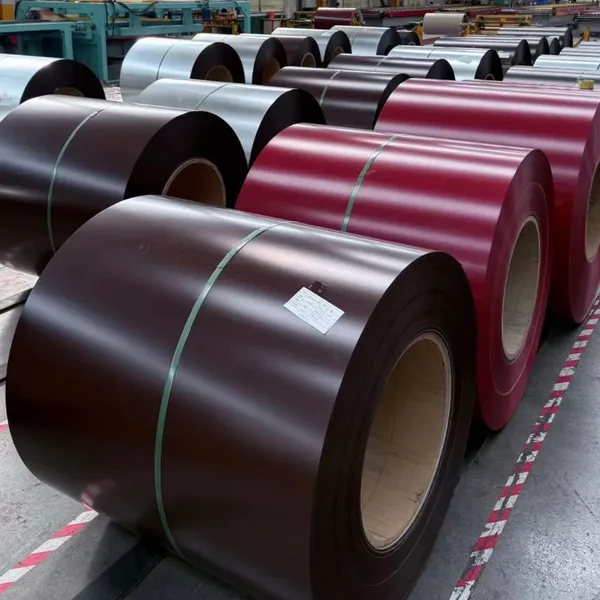
Steel Coil & Strip & Color Coated Steel Coil,PE, SMP, HDP, PVDFNegotiableMOQ: 5 Metric Tons
-
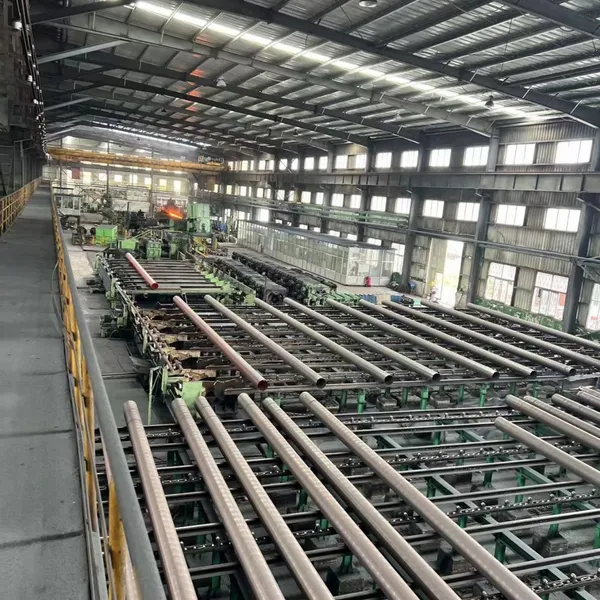
Seamless Steel Pipe& Steel Pipe & Tube,Q235B, Q355B, 20#, 45#, 16Mn, API 5L Gr.B, X42, X46, X52, X56, X60, X65, X70NegotiableMOQ: 5 Metric Tons
-
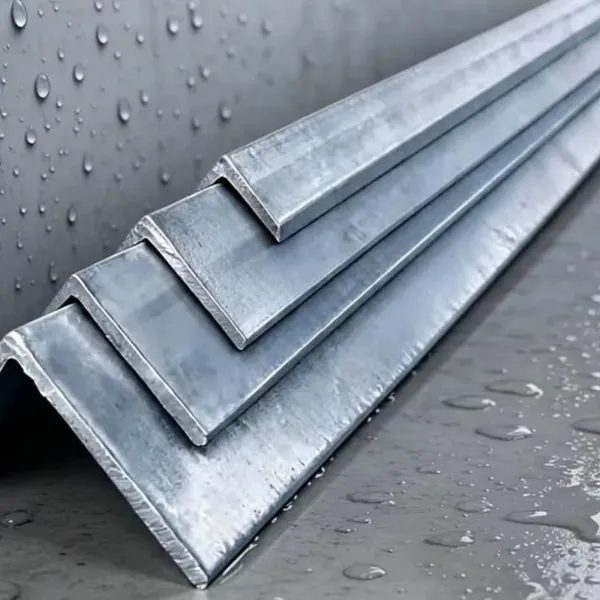
Angle Steel & Angle Bar,ASTM A36, JIS G3101, EN S235JR/S355JR, SS400NegotiableMOQ: 5 Metric Tons
-
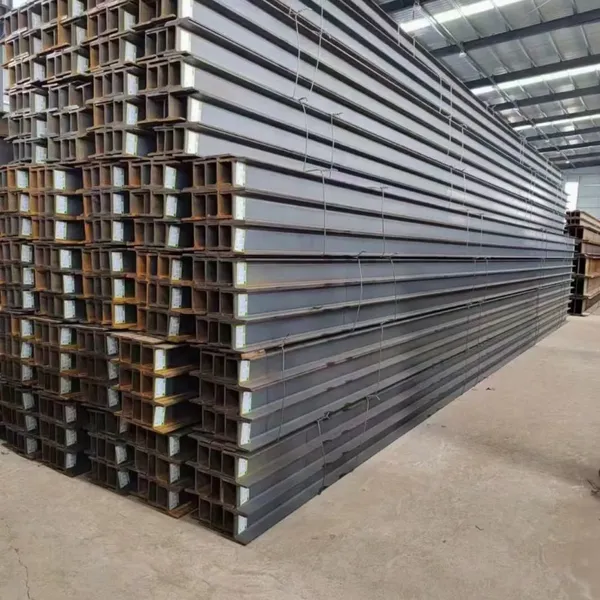
Steel H Beam&H Beam ,Q235B, Q355B, S235JR, S235J0, S235J2, S355JR, S355J0, S355J2, A36, A572 Grade 50, A992NegotiableMOQ: 10 Metric Tons
-
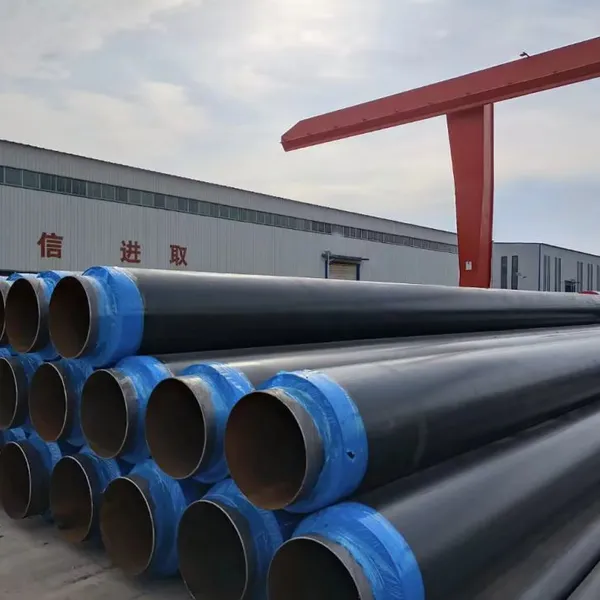
Insulated Steel Pipe&Insulated Seamless Steel Pipe,RoHS, REACH, UL 94, VDE, IEC, GB/T 7113NegotiableMOQ: 5 Metric Tons
-
Hot-dip Galvanized Square Tubes&Steel Pipe & Tube,Q195, Q215, Q235B, Q355B, API 5L Gr.BNegotiableMOQ: 5 Metric Tons
-
Steel Pipe & Tube & High Pressure Boiler Tube,ASTM A213 (T Series)、ASTM A335 (P Series)、ASME SA213、SA335、EN 10216-2NegotiableMOQ: 5 Metric Tons
-
Steel Pipe & Tube & High Pressure Boiler Tube,38、42、48、51、57、60、76、89、108、133、159、168、194、219NegotiableMOQ: 5 Metric Tons
-
Insulated Pipe&Pre-insulated Pipe,RoHS, REACH, UL 94, VDE, IEC, GB/T 7113NegotiableMOQ: 5 Metric Tons
-
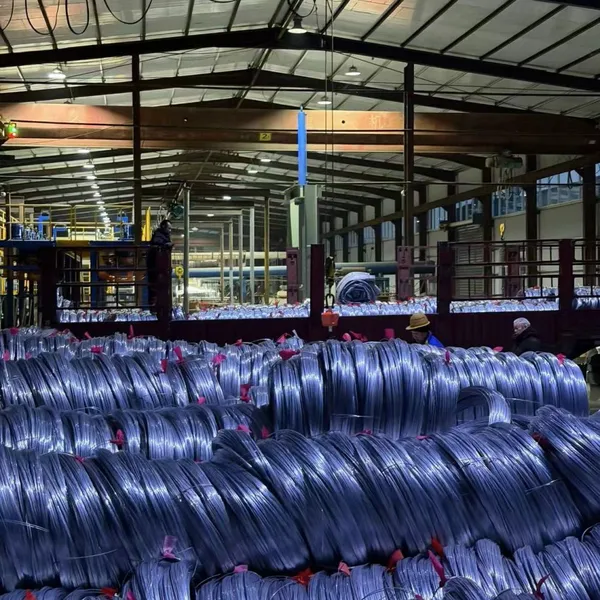
Steel Wire&Galvanized Steel Wire,Q195, Q235, 45#, 55#, 60#, 65#, 70#, 72A, 82BNegotiableMOQ: 5 Metric Tons
-
Steel Coil & Strip & Color Coated Steel Coil,TDC51D+Z、TS250GD+Z、TDC51D+AZ、TS350GD+AZ、TDC51D+ZM、SPCC、DC01NegotiableMOQ: 5 Metric Tons
-
Steel Pipe & Tube & Hot-Dip Galvanizing,Q195、Q215B、Q235BNegotiableMOQ: 5 Metric Tons
-
Steel Coil & Strip & Hot Rolled Coil,Q195、Q215、Q235B、Q255、Q345B、Q355B、Q420、Q460、SS400、SPHC、SPHD、SPHENegotiableMOQ: 5 Metric Tons
-
Steel Rebar & Deformed Steel Bar,HRB400、HRB400E、HRB500、HRB500ENegotiableMOQ: 5 Metric Tons
-
Galvanized Flat Bar&Flat Steel,GB/T 704, GB/T 13912, ASTM A123, JIS G3302NegotiableMOQ: 5 Metric Tons