
 Business License
Checkered Plate Product Guide: Specifications, Classification, Performance and Applications
1. Basic Definition of Checkered Plate
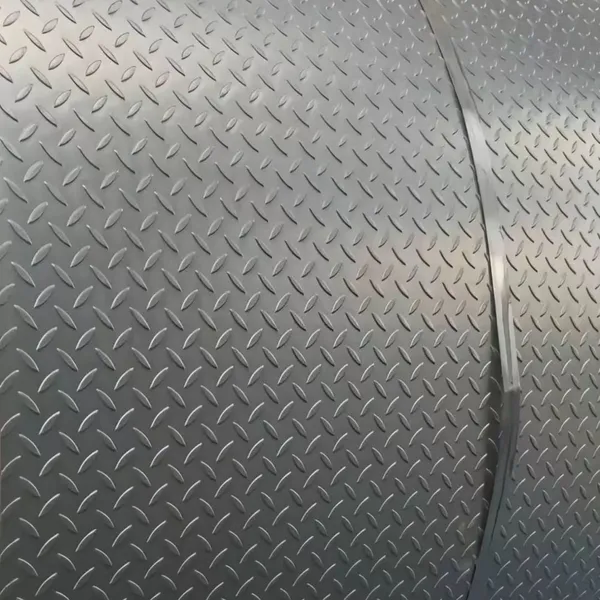
Checkered plates, also known as patterned steel plates or anti-slip steel plates, are special steel plates with regular concave and convex patterns rolled on the surface through hot rolling and cold rolling processes. The back of the plate is flat and smooth, while the front features three-dimensional and neat patterns. Adopting an integral forming structure without pasted or welded patterns, checkered plates deliver high integrity, firm structure and excellent durability.
As national standard general steel plates, checkered plates are manufactured in strict accordance with national standards, with unified specifications for pattern height, plate flatness, mechanical properties and dimensional tolerance. Different from ordinary flat steel plates, they are characterized by anti-slip, wear resistance, impact resistance, water and dust accumulation resistance and decorative performance, serving as core materials for industrial anti-slip scenarios.
2. Main Pattern Types of Checkered Plates
Market checkered plates are divided into four major types according to surface patterns. Each type varies greatly in anti-slip performance, bearing capacity and appearance, adapting to different working conditions:
1. Lenticular Checkered Plate (Willow Leaf Pattern Plate)
As the most popular and widely used type on the market, it features uniform and three-dimensional strip lenticular patterns. With balanced anti-slip performance, reliable bearing capacity and outstanding wear resistance, it delivers the highest cost performance and suits most industrial and architectural general scenarios, serving as the preferred checkered plate for engineering projects.
2. Diamond Checkered Plate
Featuring continuous dense diamond concave-convex patterns, it provides stronger grip and better anti-slip effect than lenticular patterns, with superior structural stability, bending and compression resistance. It is ideal for scenarios with frequent walking and heavy load bearing, and this diamond checkered plate shows prominent advantages in heavy-load anti-slip applications.
3. Round Bean Checkered Plate
With round raised particle patterns, it has a soft and delicate appearance and moderate anti-slip performance with strong decoration. This round bean checkered plate is widely used for interior decoration, light-duty walkways and landscape engineering scenarios.
4. Mixed Pattern Checkered Plate
Rolled with two or more combined patterns, it integrates anti-slip performance, bearing capacity and decorative effects. This mixed pattern checkered plate is mostly applied in high-end decoration and special industrial equipment supporting scenarios with strong customization.
3. Core Classification of Checkered Plates (By Process & Surface Treatment)
According to production processes and anti-corrosion treatments, industrial commonly used checkered plates are divided into three core categories, which are the key basis for procurement and material selection:
3.1 Hot-Rolled Checkered Plate
Formed by high-temperature hot rolling, it is the most fundamental and largest-volume checkered plate product. It features sufficient plate thickness, excellent toughness, high structural strength and outstanding impact resistance, with stable overall mechanical properties and long-term heavy-load bearing capacity. The plate has uniform patterns and high integrity without pattern peeling or cracking, and supports free cutting, welding and bending for most industrial heavy-load scenarios. The high-performance hot-rolled checkered plate boasts ultra-high cost performance without complex processing costs, making it the most widely used basic checkered plate for engineering procurement and factory construction.
3.2 Cold-Rolled Checkered Plate
Produced by precision cold rolling technology, it features higher plate accuracy, better flatness and smaller thickness tolerance, with a smooth, oxide-free surface. Its appearance and cleanliness are far better than ordinary hot-rolled checkered plates. With uniform hardness and standard dimensions, it is suitable for scenarios requiring high appearance and precision. Compared with high-strength hot-rolled checkered plates, premium cold-rolled checkered plates have thinner thickness and weaker heavy-load capacity. Featuring high precision, cold-rolled checkered plates are the optimal choice for light-duty anti-slip, decorative modeling and precision equipment supporting scenarios.
3.3 Galvanized Checkered Plate
Made of standard checkered plate base material through professional hot-dip galvanizing anti-corrosion treatment, the finished galvanized checkered plate forms a uniform and dense protective zinc layer on the surface. It completely solves the problems of easy rusting and poor moisture resistance of ordinary checkered plates, featuring excellent anti-corrosion, rust-proof, acid and alkali resistant, rain-proof performance. Its service life is 2–3 times that of ordinary checkered plates and carbon steel plates, which is one of the core advantages of galvanized checkered plates. Adaptable to harsh environments such as open-air exposure, humid water accumulation and acid-base corrosion, the rust-proof and corrosion-resistant galvanized checkered plate is a special anti-slip plate for municipal outdoor, water conservancy dock and chemical engineering projects.
4. Standard Conventional Specifications of Checkered Plates
Engineering general checkered plates feature complete specifications with thickness ranging widely: 2.0mm, 2.5mm, 3.0mm, 4.0mm, 5.0mm, 6.0mm, 8.0mm. The mainstream plate sizes are 1500mm×6000mm and 1260mm×6000mm, with customized cutting and fixed-length processing available according to construction requirements.
In line with national industry standards, checkered plates have uniform pattern height, flat plate surface without warping, and all weight and load-bearing parameters meet national standards with uniform thickness to ensure construction flatness and structural safety. Lightweightcold-rolled checkered plates are used for decoration and light-duty walkways, thick and durable hot-rolled checkered plates are applied to heavy-duty floors, equipment platforms and load-bearing stairs, while galvanized checkered plates are prioritized for harsh outdoor scenarios.
5. Core Advantages of Checkered Plates
Checkered plates have become rigid-demand plates for industrial anti-slip and building load-bearing scenarios, benefiting from their comprehensive advantages suitable for various complex construction conditions:
1. Excellent Anti-slip Performance: Integrally rolled concave-convex patterns greatly increase surface friction, effectively preventing slipping during walking and equipment placement. It maintains stable anti-slip effects in rainy and oily environments with high safety.
2. Sturdy and Durable Structure: The plate features strong overall toughness, outstanding impact, compression and bending resistance, and is not easy to deform or break, maintaining complete structural performance under long-term heavy load and frequent trampling for long service life.
3. Easy Cleaning and Stain Resistance: The concave-convex structure avoids water, dust and debris accumulation, and can be cleaned with simple water flushing, greatly reducing daily maintenance costs for factories and walkways.
4. Convenient Processing and Installation: It supports arbitrary cutting, welding, drilling and bending, adapting to various constructions such as stair treads, platform pedals and floor paving with simple installation procedures and high construction efficiency.
5. Dual Value of Practicality and Decoration: The neat patterned surface presents a tough and high-grade texture, satisfying both industrial functional requirements and architectural decorative modeling needs.
6. Wide Adaptability with Diversified Anti-corrosion Options: Covering three mainstream categories of hot-rolled checkered plates, cold-rolled checkered plates and galvanized checkered plates, it adapts to indoor dry, outdoor rainy and humid corrosive environments, fully covering all engineering application scenarios. The heavy-load durability of hot-rolled checkered plates, high-precision aesthetics of cold-rolled checkered plates and anti-rust performance of galvanized checkered plates can accurately match all working conditions.
6. Main Application Scenarios of Checkered Plates
With excellent anti-slip, load-bearing, durable and processable performance, checkered plates are widely used in industry, construction, transportation, municipal administration, logistics and other fields as versatile functional steel materials:
1. Industrial Workshop Scenarios: Applied for workshop floor anti-slip paving, equipment load-bearing platforms, factory walkways, trench cover plates and workshop stair treads to eliminate slipping risks. Selecting qualifiedhot-rolled checkered plates effectively improves the load-bearing capacity and anti-slip safety of factory floors for frequent equipment rolling and pedestrian activities.
2. Construction Engineering Scenarios: Used for steel structure stair treads, floor anti-slip pedals, basement passages and fire passage paving. High-quality hot-rolled checkered plates ensure stable structure, meet construction safety standards and extend service life.
3. Transportation and Logistics Scenarios: Suitable for truck floor panels, logistics loading platforms, dock walkways and trestle pedals, resisting rolling and slipping in high-frequency heavy-load operations. High-load hot-rolled checkered plates are the preferred anti-slip materials for logistics loading areas.
4. Municipal and Outdoor Engineering Scenarios: Applied for municipal walkways, overpass stairs, outdoor platforms and drainage cover plates. Galvanized checkered plates are a must for outdoor working conditions. Featuring strong rust and corrosion resistance, galvanized checkered plates remain undeformed and rust-free under long-term open-air exposure, perfectly adapting to complex municipal outdoor environments.
5. Equipment Supporting Scenarios: Used for mechanical equipment operation platforms, maintenance platforms, protective pedals and engineering machinery anti-slip accessories. Matched with high-precision cold-rolled checkered plates, it ensures accurate fitting, stable durability and meets all mechanical equipment usage requirements.
6. Architectural Decoration Scenarios: Applied for indoor industrial-style decoration, floor modeling, step shaping and landscape engineering. With three-dimensional and high-grade texture, delicate and flat cold-rolled checkered plates greatly improve the overall aesthetic quality of decorative projects.
7. Checkered Plate Selection & Procurement Notes
Improper specification selection, mismatched categories and poor plate quality are common problems in procurement and construction. The core selection tips are summarized below to avoid engineering pitfalls:
1. Select Categories According to Working Conditions: Choose cost-effective hot-rolled lenticular checkered plates for ordinary indoor factories, heavy-duty floors and stair treads; select cold-rolled checkered plates for high-precision and decorative scenarios; adopt galvanized checkered plates for outdoor open-air, humid and chemical corrosive environments.
2. Select Thickness According to Load-Bearing Requirements: Choose 2.0–3.0mm thin plates for light walkways and decoration; select 3.0–5.0mm plates for conventional workshop floors and stair treads; adopt 5.0–8.0mm thick plates for heavy-duty equipment platforms and dock loading areas to avoid deformation. Thickened hot-rolled checkered plates are required for heavy-load scenarios, anti-corrosive galvanized checkered plates for humid outdoor environments, and high-precision cold-rolled checkered plates for fine decoration scenarios.
3. Check Plate Quality Details: Qualified checkered plates feature flat surface without warping, full and evenly distributed patterns, no cracks, peeling, sand holes or rust, neat edges and standard dimensional tolerance with stable welding performance. Premiumhot-rolled checkered plates, cold-rolled checkered plates and galvanized checkered plates all have stable processing performance, suitable for cutting, welding and bending processes.
4. Customize Sizes on Demand: Prioritize standard-size plates to reduce cutting loss; customized cutting and special-size processing are available to meet diverse construction drawing requirements.
Recently Posted
-
Indispensable Industrial Basic Material: A Complete Guide to Flat Steel
August 10, 20261. What Is Flat Steel? Clear Core DefinitionFlat steel is a long strip steel with a rectangular cross-section and slightly blunted Read More
 -
Comprehensive Guide to Rebar: Indispensable Deformed Steel Bar for Construction Engineering
August 8, 2026In modern civil construction, infrastructure development and industrial engineering fields, rebar stands as the most essential str Read More
 -
An In-depth Guide to Ship Plates: The Core Cornerstone of Marine Vessels and Offshore Engineering
August 8, 2026In the thriving shipping and offshore engineering industries, every seaworthy vessel sailing across the ocean and every offshore p Read More
 -
Alloy steel pipe: High-pressure & High-temperature Resistant Steel Pipe for Industrial Engineering
August 7, 2026In petrochemical industry, power generation engineering, high-pressure pipeline transmission, boiler manufacturing and high-temper Read More

Contact Us

Recommended Products
-
 Steel Sheet & Plate & Boiler Plate,EN 10028、ASTM A516 Gr60/70、P265GH、P355GHNegotiableMOQ: 5 Metric Tons
 -
Steel Coil & Strip & Hot Rolled Steel Coil,Q235B、SS400、A36、S235JR、SPHC、SPHD、Q355B/C/D、S355JR、S355J0NegotiableMOQ: 5 Metric Tons
-
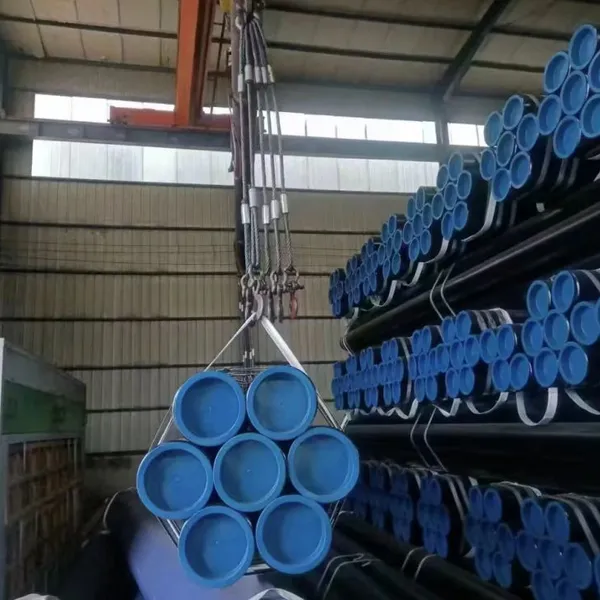
Steel Pipe & Tube & Oil Country Tubular Goods,API 5L Gr.B、X42、X52、X60、X65、X70、X80、E75、X95、G105、S135NegotiableMOQ: 5 Metric Tons
-
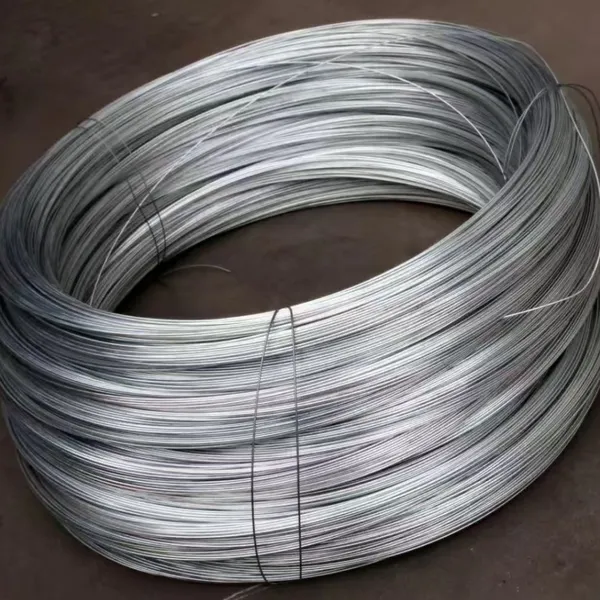
Iron Wire&Galvanized Iron Wire,GB/T 343, ASTM A853, JIS G 3532, EN 10264,Q195, Q235NegotiableMOQ: 5 Metric Tons
-
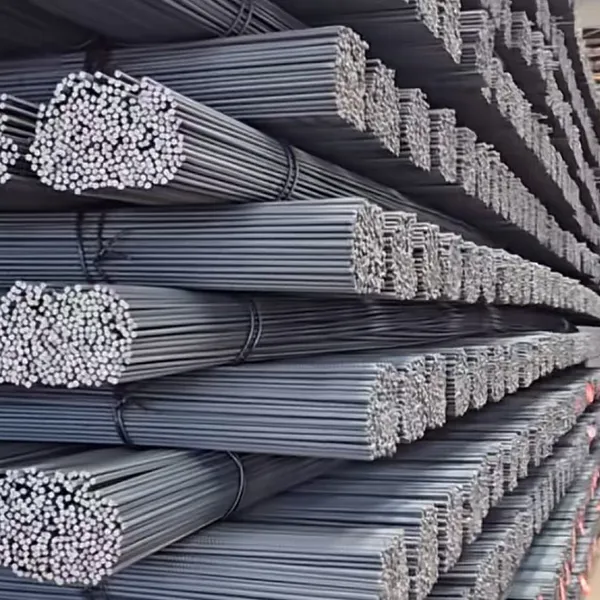
Rebar&Steel Rebar&Hot Rolled Rebar,HRB400, HRB500, HRBF400, HRBF500, B500B, B500C, Grade 60, Grade 75NegotiableMOQ: 5 Metric Tons
-
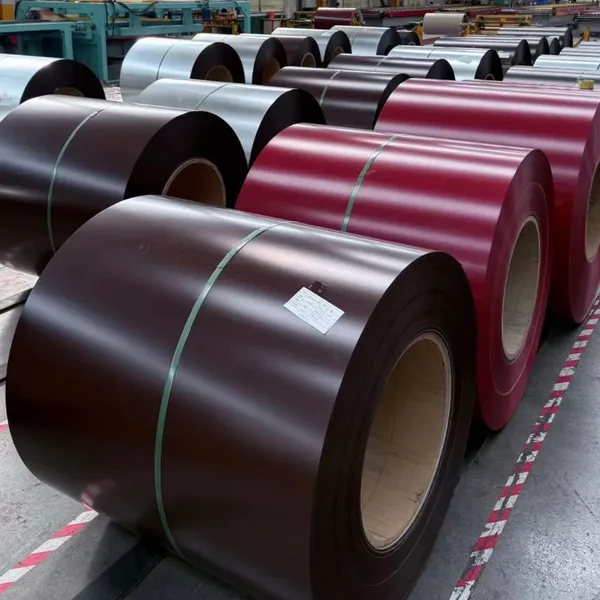
Steel Coil & Strip & Color Coated Steel Coil,PE, SMP, HDP, PVDFNegotiableMOQ: 5 Metric Tons
-
Seamless Steel Pipe& Steel Pipe & Tube,Q235B, Q355B, 20#, 45#, 16Mn, API 5L Gr.B, X42, X46, X52, X56, X60, X65, X70NegotiableMOQ: 5 Metric Tons
-
Angle Steel & Angle Bar,ASTM A36, JIS G3101, EN S235JR/S355JR, SS400NegotiableMOQ: 5 Metric Tons
-
Steel H Beam&H Beam ,Q235B, Q355B, S235JR, S235J0, S235J2, S355JR, S355J0, S355J2, A36, A572 Grade 50, A992NegotiableMOQ: 10 Metric Tons
-
Insulated Steel Pipe&Insulated Seamless Steel Pipe,RoHS, REACH, UL 94, VDE, IEC, GB/T 7113NegotiableMOQ: 5 Metric Tons
-
Hot-dip Galvanized Square Tubes&Steel Pipe & Tube,Q195, Q215, Q235B, Q355B, API 5L Gr.BNegotiableMOQ: 5 Metric Tons
-
Steel Pipe & Tube & High Pressure Boiler Tube,ASTM A213 (T Series)、ASTM A335 (P Series)、ASME SA213、SA335、EN 10216-2NegotiableMOQ: 5 Metric Tons
-
Steel Pipe & Tube & High Pressure Boiler Tube,38、42、48、51、57、60、76、89、108、133、159、168、194、219NegotiableMOQ: 5 Metric Tons
-
Insulated Pipe&Pre-insulated Pipe,RoHS, REACH, UL 94, VDE, IEC, GB/T 7113NegotiableMOQ: 5 Metric Tons
-
Steel Wire&Galvanized Steel Wire,Q195, Q235, 45#, 55#, 60#, 65#, 70#, 72A, 82BNegotiableMOQ: 5 Metric Tons
-
Steel Coil & Strip & Color Coated Steel Coil,TDC51D+Z、TS250GD+Z、TDC51D+AZ、TS350GD+AZ、TDC51D+ZM、SPCC、DC01NegotiableMOQ: 5 Metric Tons
-
Steel Pipe & Tube & Hot-Dip Galvanizing,Q195、Q215B、Q235BNegotiableMOQ: 5 Metric Tons
-
Steel Coil & Strip & Hot Rolled Coil,Q195、Q215、Q235B、Q255、Q345B、Q355B、Q420、Q460、SS400、SPHC、SPHD、SPHENegotiableMOQ: 5 Metric Tons
-
Steel Rebar & Deformed Steel Bar,HRB400、HRB400E、HRB500、HRB500ENegotiableMOQ: 5 Metric Tons
-
Galvanized Flat Bar&Flat Steel,GB/T 704, GB/T 13912, ASTM A123, JIS G3302NegotiableMOQ: 5 Metric Tons