
 Business License
An In-depth Guide to Ship Plates: The Core Cornerstone of Marine Vessels and Offshore Engineering
In the thriving shipping and offshore engineering industries, every seaworthy vessel sailing across the ocean and every offshore platform standing firmly on the sea relies on one essential foundational material — ship plates (marine steel plates). Many people assume that ship plates are merely upgraded ordinary steel plates, but this is not the case. Tailored specifically for harsh marine environments, ship plates are specialized structural steel materials that ensure the structural stability and navigation safety of vessels and offshore engineering projects. They are also the most widely used and strictly regulated core raw materials in the shipbuilding industry.
Unlike conventional construction and industrial steel plates, ship plates are smelted, rolled, inspected and delivered in strict accordance with international classification society standards, offering irreplaceable advantages in strength, toughness, corrosion resistance and fatigue resistance. This article comprehensively introduces ship plates products, covering their core values, mainstream models, application scenarios and key purchasing criteria for marine steel plates and offshore engineering applications.
1. What Are Standard Ship Plates? Core Definition & Industry Standards
Officially named marine structural steel plates, ship plates are hot-rolled special marine steel plates manufactured in compliance with major international ship classification society specifications. They are widely applied to load-bearing core parts of ships, including hulls, decks, bulkheads, ship bottoms and keels, as well as key structural components of offshore wind platforms, offshore drilling platforms, port hydraulic structures and other offshore engineering facilities.
Marine environments are extremely harsh, featuring seawater corrosion, salt fog erosion, extreme temperature fluctuations, continuous wave impact and hull deformation. Ordinary steel plates are prone to rusting, cracking, deformation and fatigue damage under such conditions. In contrast,ship plates are optimized in material composition and production techniques for marine applications. All finished ship plates must be certified by authoritative institutions including CCS (China Classification Society), ABS (American Bureau of Shipping) and LR (Lloyd’s Register). With guaranteed compliance, safety and durability, ship plates are mandatory for core load-bearing marine structures, and substituting them with ordinary steel plates will lead to potential safety hazards and compliance risks for all offshore engineering and shipbuilding projects.
2. Core Advantages of Ship Plates: Key Features for Marine Durability
Ship plates serve as indispensable specialized marine steel plates for shipbuilding and offshore engineering, thanks to four unique performance advantages that perfectly adapt to complex marine working conditions:
2.1 High Strength & Excellent Deformation Resistance
Ship plates are divided into ordinary-strength and high-strength grades. Mainstream high-strength ship plates feature a tensile strength of over 510MPa and stable yield strength, capable of withstanding combined loads including hydrostatic seawater pressure, wave impact and ship deadweight. They resist long-term deformation and collapse, perfectly meeting the heavy-duty demands of large cargo ships, container ships and offshore engineering platforms.
2.2 Superior Low-Temperature Toughness to Prevent Brittle Fracture
Ordinary steel plates are susceptible to brittle fracture at low temperatures. In comparison, premium ship plates undergo specialized thermal treatment to deliver outstanding low-temperature impact toughness. These high-performancemarine steel plates adapt to extreme temperature differences in polar and northern cold sea areas, effectively preventing structural cracking under low-temperature and high-impact offshore engineering conditions and ensuring safe all-season navigation across different sea regions.
2.3 Outstanding Seawater Corrosion Resistance & Extended Service Life
Manufactured with exclusive alloy components and coated with professional marine anti-corrosion primer and topcoat, ship plates effectively resist seawater immersion, salt fog erosion and marine microbial corrosion. They significantly slow down steel aging and rusting, boasting a service life 2 to 3 times longer than ordinary steel plates in marine environments and greatly reducing vessel and offshore engineering facility maintenance costs. The superior corrosion resistance makes ship plates the top choice of marine steel plates for harsh sea conditions.
2.4 Stable Welding Performance & Strong Construction Adaptability
Welding is the core construction process for shipbuilding and offshore engineering. Ship plates feature precise chemical composition control with low carbon equivalent, delivering excellent welding performance. Ship plates rarely produce welding defects such as pores, cracks and inclusions, ensuring superior splicing tightness and structural integrity. In addition, ship plates support bending, rolling and other secondary processing, enabling flexible shaping for irregular hull structures and adapting to diverse shipbuilding and marine construction requirements ofmarine steel plates.
3. Mainstream Ship Plate Grades for Different Working Conditions
Ship plates grades are classified based on strength grade and low-temperature resistance grade. The most mainstream models include AH32, AH36, DH36 and EH36. Different grades of ship plates correspond to distinct vessel and offshore engineering application scenarios, and accurate selection of marine steel plates balances safety and cost-effectiveness:
Grade A/B Ordinary-Strength Ship Plates: Basic general-purposemarine steel plates with qualified toughness and strength. Ideal for inland waterway vessels, small coastal ships and auxiliary port structures with mild working conditions, delivering high cost performance for general marine andoffshore engineering projects.
AH32 / AH36 High-Strength Ship Plates: The most widely used high-strengthship plates on the market. With balanced comprehensive performance and controllable costs, they are the primary choice for most commercial cargo ships, container ships, coastal transport vessels and general offshore engineering structures.
DH36 Ship Plates: Better low-temperature toughness than AH series ship plates. Suitable for vessels operating in temperate and cold coastal sea areas and medium-sized offshore engineering working platforms.
EH36 Ultra-High Toughness Ship Plates: Featuring extreme low-temperature impact resistance to withstand polar extreme cold environments. Specially applied to polar research vessels, Arctic route transport ships and high-end deep-sea offshore engineering platforms with rigorous working conditions, being the premium marine steel plates for extreme marine environments.
4. Core Application Scenarios of Ship Plates
Many people believe ship plates are only used for shipbuilding, but the application scope of ship plates and marine steel plates covers the entire marine industry, mainly divided into three major fields of offshore engineering construction:
4.1 Civil Shipbuilding
Widely used in inland waterway transport ships, coastal cargo ships, container ships, bulk carriers, cruise ships, fishing boats and official vessels for manufacturing core structures such as hull shells, decks, bulkheads, ship bottoms and superstructures.
4.2 Offshore Engineering Equipment
Applied to offshore wind power foundation platforms, offshore oil drilling platforms, floating marine docks, artificial islands and submarine pipeline support structures. The high strength and corrosion resistance of ship plates ensure long-term stable operation of all offshore engineering facilities.
4.3 Port & Hydraulic Engineering
Suitable for port trestles, load-bearing dock panels, fender structures, flood control dam steel structures and inland waterway regulation projects, adapting to humid and high-salt fog waterfront working conditions.
5. Key Ship Plate Purchasing Tips to Avoid Industry Pitfalls
Ship plates quality determines the safety baseline of ships and offshore engineering projects. High-quality marine steel plates are the foundation of marine construction safety. Price should not be the only consideration during procurement; three core principles for selectingship plates must be followed:
5.1 Prioritize Authoritative Classification Society Certification
Genuine standard ship plates must be equipped with factory certification issued by authoritative classification societies such as CCS and ABS, with traceable batch information. Certified marine steel plates are mandatory for vessel and offshore engineering project acceptance. Uncertified steel plates cannot pass inspection and pose serious compliance and safety risks.
5.2 Select Appropriate Grades & Specifications According to Working Conditions
Avoid improper grade selection caused by excessive cost-saving or over-specification. Ordinary Grade A/B ship plates apply to small inland vessels; AH36 ship plates are the preferred choice for coastal commercial ships; DH36 and EH36 ship plates are suitable for cold-sea and deep-sea offshore engineering projects. Accurate selection of marine steel plates ensures both engineering safety and economic efficiency.
5.3 Focus on Processing Technology & Precision Details
High-quality ship plates feature flat surfaces free of bubbles, cracks, rust and delamination, with burr-free cutting edges and minimal dimensional errors. Premium marine steel plates resist cracking during secondary processing with low stress concentration. Customized services including anti-corrosion coating treatment, precision cutting and bending processing are available to meet personalized construction demands for shipbuilding and offshore engineering.
Recently Posted
-
Checkered Plate Product Guide: Specifications, Classification, Performance and Applications
August 10, 20261. Basic Definition of Checkered PlateCheckered plates, also known as patterned steel plates or anti-slip steel plates, are specia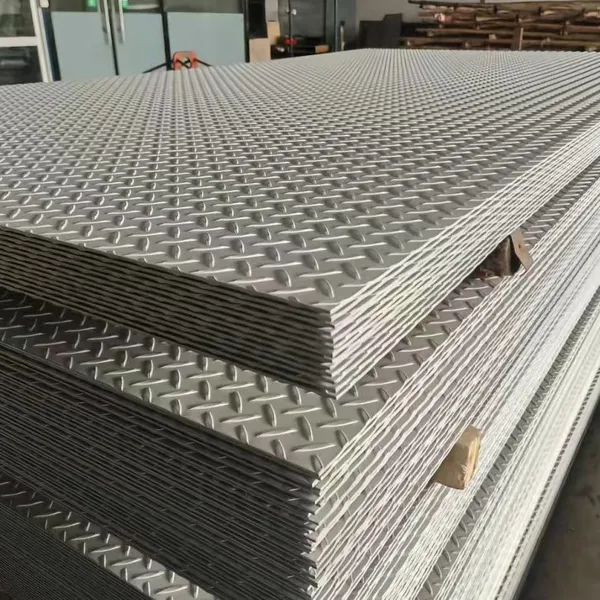 Read More
 -
Indispensable Industrial Basic Material: A Complete Guide to Flat Steel
August 10, 20261. What Is Flat Steel? Clear Core DefinitionFlat steel is a long strip steel with a rectangular cross-section and slightly blunted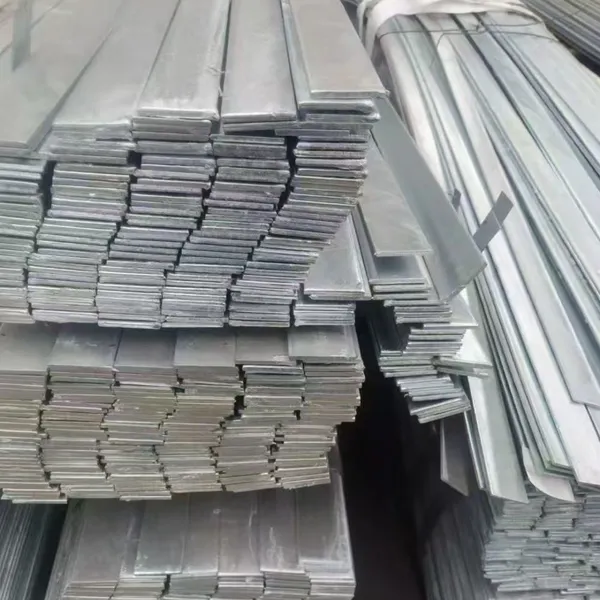 Read More
 -
Comprehensive Guide to Rebar: Indispensable Deformed Steel Bar for Construction Engineering
August 8, 2026In modern civil construction, infrastructure development and industrial engineering fields, rebar stands as the most essential str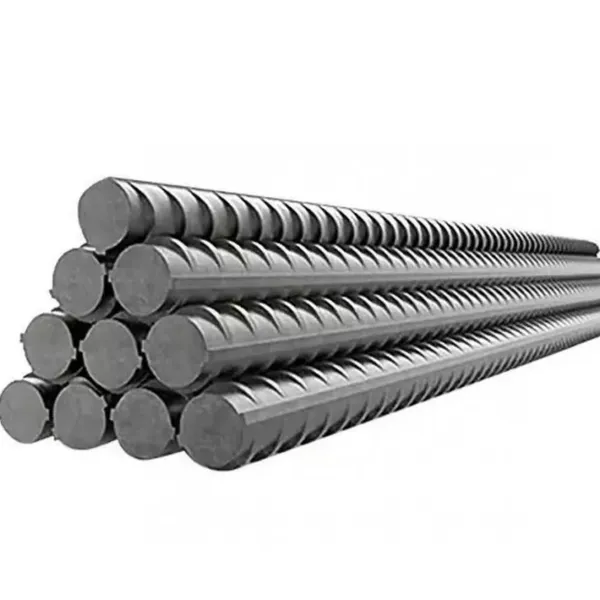 Read More
 -
Alloy steel pipe: High-pressure & High-temperature Resistant Steel Pipe for Industrial Engineering
August 7, 2026In petrochemical industry, power generation engineering, high-pressure pipeline transmission, boiler manufacturing and high-temper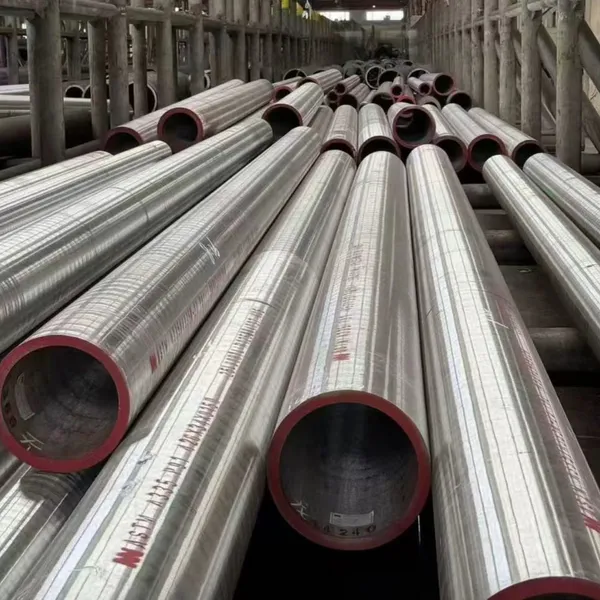 Read More

Contact Us

Recommended Products
-
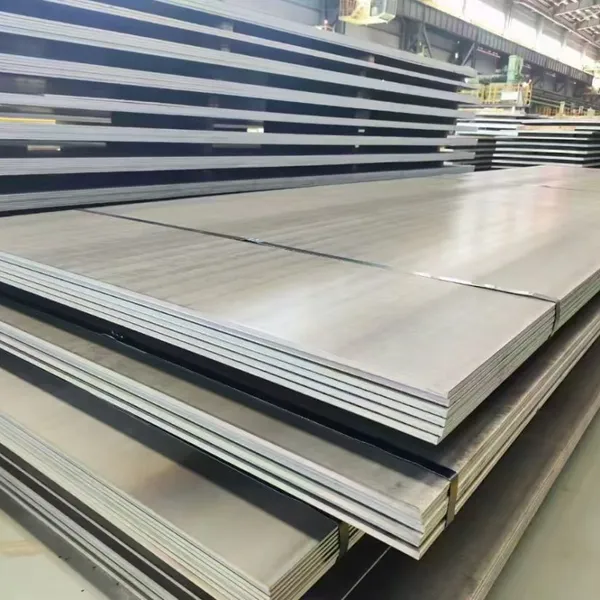
 Steel Sheet & Plate & Boiler Plate,EN 10028、ASTM A516 Gr60/70、P265GH、P355GHNegotiableMOQ: 5 Metric Tons
 -
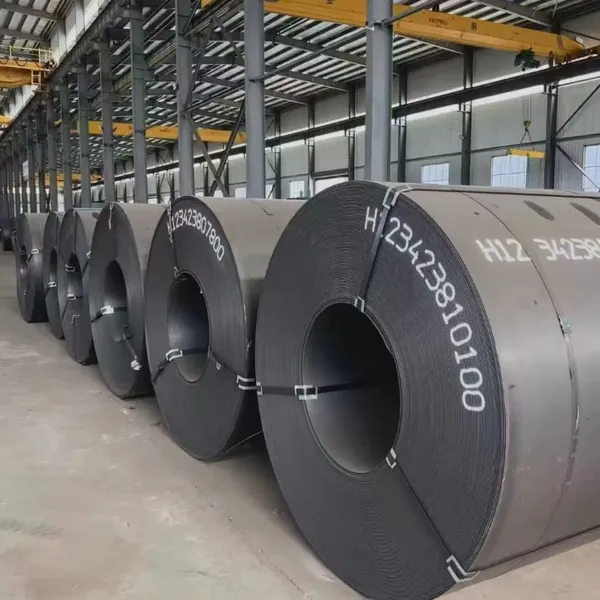
Steel Coil & Strip & Hot Rolled Steel Coil,Q235B、SS400、A36、S235JR、SPHC、SPHD、Q355B/C/D、S355JR、S355J0NegotiableMOQ: 5 Metric Tons
-
Steel Pipe & Tube & Oil Country Tubular Goods,API 5L Gr.B、X42、X52、X60、X65、X70、X80、E75、X95、G105、S135NegotiableMOQ: 5 Metric Tons
-
Iron Wire&Galvanized Iron Wire,GB/T 343, ASTM A853, JIS G 3532, EN 10264,Q195, Q235NegotiableMOQ: 5 Metric Tons
-
Rebar&Steel Rebar&Hot Rolled Rebar,HRB400, HRB500, HRBF400, HRBF500, B500B, B500C, Grade 60, Grade 75NegotiableMOQ: 5 Metric Tons
-
Steel Coil & Strip & Color Coated Steel Coil,PE, SMP, HDP, PVDFNegotiableMOQ: 5 Metric Tons
-
Seamless Steel Pipe& Steel Pipe & Tube,Q235B, Q355B, 20#, 45#, 16Mn, API 5L Gr.B, X42, X46, X52, X56, X60, X65, X70NegotiableMOQ: 5 Metric Tons
-
Angle Steel & Angle Bar,ASTM A36, JIS G3101, EN S235JR/S355JR, SS400NegotiableMOQ: 5 Metric Tons
-
Steel H Beam&H Beam ,Q235B, Q355B, S235JR, S235J0, S235J2, S355JR, S355J0, S355J2, A36, A572 Grade 50, A992NegotiableMOQ: 10 Metric Tons
-
Insulated Steel Pipe&Insulated Seamless Steel Pipe,RoHS, REACH, UL 94, VDE, IEC, GB/T 7113NegotiableMOQ: 5 Metric Tons
-
Hot-dip Galvanized Square Tubes&Steel Pipe & Tube,Q195, Q215, Q235B, Q355B, API 5L Gr.BNegotiableMOQ: 5 Metric Tons
-
Steel Pipe & Tube & High Pressure Boiler Tube,ASTM A213 (T Series)、ASTM A335 (P Series)、ASME SA213、SA335、EN 10216-2NegotiableMOQ: 5 Metric Tons
-
Steel Pipe & Tube & High Pressure Boiler Tube,38、42、48、51、57、60、76、89、108、133、159、168、194、219NegotiableMOQ: 5 Metric Tons
-
Insulated Pipe&Pre-insulated Pipe,RoHS, REACH, UL 94, VDE, IEC, GB/T 7113NegotiableMOQ: 5 Metric Tons
-
Steel Wire&Galvanized Steel Wire,Q195, Q235, 45#, 55#, 60#, 65#, 70#, 72A, 82BNegotiableMOQ: 5 Metric Tons
-
Steel Coil & Strip & Color Coated Steel Coil,TDC51D+Z、TS250GD+Z、TDC51D+AZ、TS350GD+AZ、TDC51D+ZM、SPCC、DC01NegotiableMOQ: 5 Metric Tons
-
Steel Pipe & Tube & Hot-Dip Galvanizing,Q195、Q215B、Q235BNegotiableMOQ: 5 Metric Tons
-
Steel Coil & Strip & Hot Rolled Coil,Q195、Q215、Q235B、Q255、Q345B、Q355B、Q420、Q460、SS400、SPHC、SPHD、SPHENegotiableMOQ: 5 Metric Tons
-
Steel Rebar & Deformed Steel Bar,HRB400、HRB400E、HRB500、HRB500ENegotiableMOQ: 5 Metric Tons
-
Galvanized Flat Bar&Flat Steel,GB/T 704, GB/T 13912, ASTM A123, JIS G3302NegotiableMOQ: 5 Metric Tons