
 Business License
Comprehensive Guide to Rebar: Indispensable Deformed Steel Bar for Construction Engineering
In modern civil construction, infrastructure development and industrial engineering fields, rebar stands as the most essential structural steel material. Also known as deformed steel bar, professional threaded steel bar products are widely recognized as the core reinforcement material for concrete structures. Many construction investors and engineers regard rebar as a basic building material, yet few fully understand the performance differences, grade classification and application advantages of high-quality deformed steel bar. This article comprehensively analyzes threaded steel bar products, covering core definitions, performance strengths, mainstream grades, application scenarios and scientific purchasing guidelines for construction engineering projects.
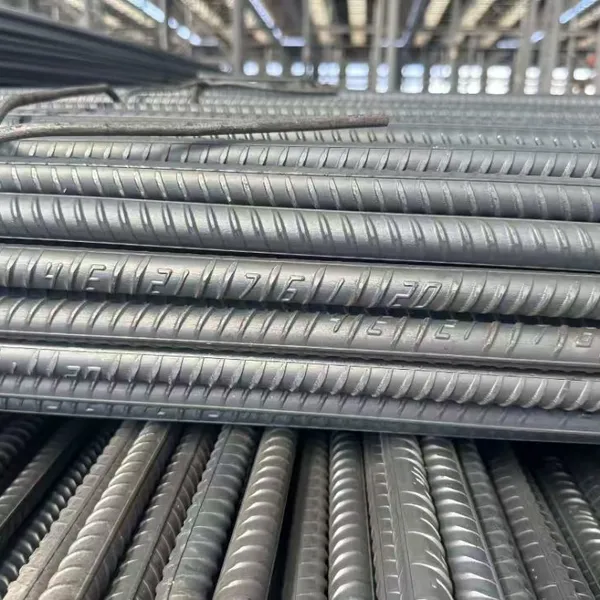
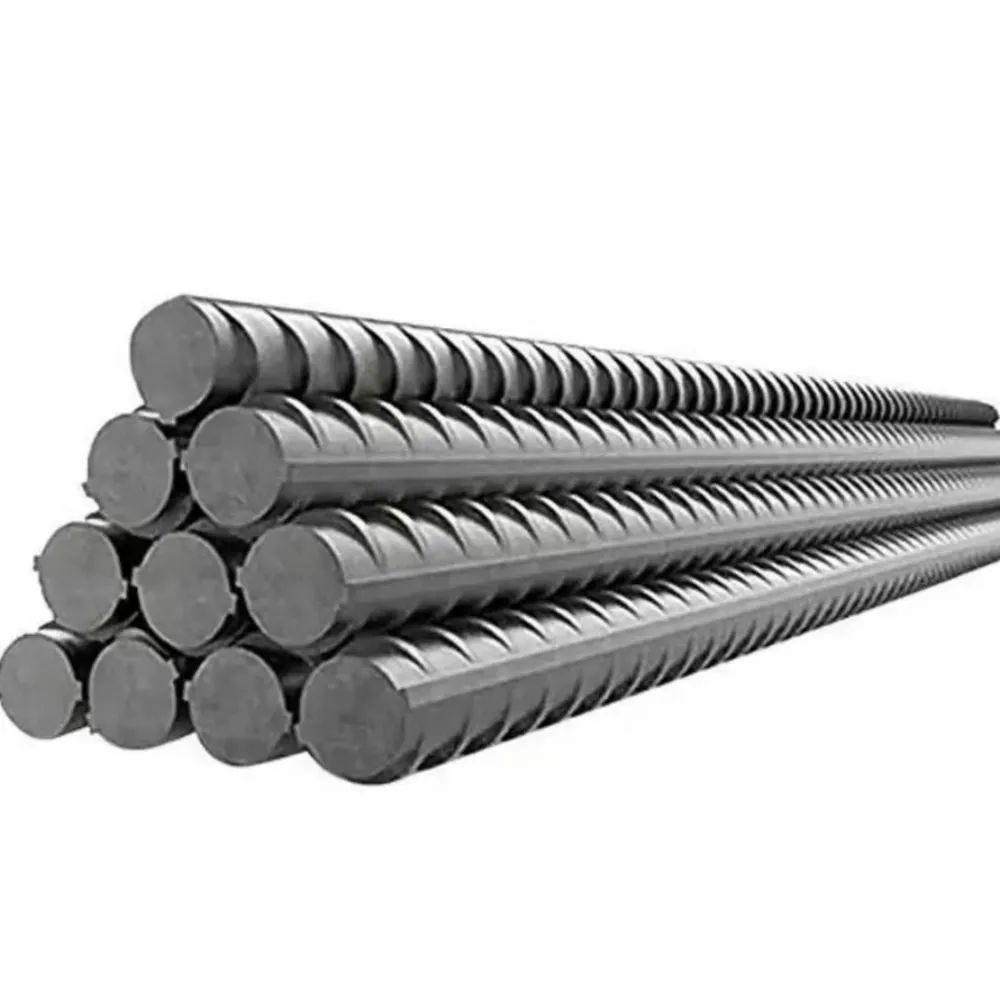
Unlike plain round steel bars with smooth surfaces,rebar features unique transverse and longitudinal ribs. The special surface design of deformed steel bar greatly enhances the bonding friction betweenthreaded steel bar and concrete, effectively solving the problem of structural separation and tensile failure of concrete buildings. As a key material for construction engineering reinforcement, standardized rebar strictly follows international and national production standards, with stable mechanical properties and strong structural adaptability, becoming an irreplaceable core material for all kinds of building and infrastructure projects.
1. What Is Rebar? Core Definition & Production Standards
Rebar, the abbreviation of reinforcing steel bar, is commonly called threaded steel bar in the steel industry. It is a hot-rolled deformed steel bar made of high-quality carbon structural steel and low-alloy structural steel. Regular rebar is designed with uniform crescent or spiral ribs on the surface, which can firmly embed in concrete structures and significantly improve the overall tensile and seismic performance of buildings.
All qualified deformed steel bar products are produced in strict accordance with GB, ASTM, EN, JIS and other international standard specifications. The production process of standard threaded steel bar includes precise smelting, controlled hot rolling, cooling forming and performance testing. Every batch of rebar must pass tensile test, yield strength test and bending test to ensure stable structural performance. Standardized rebar is the basic guarantee for the safety and durability of all construction engineering structures.
2. Core Advantages of Rebar for Construction Engineering
Rebar has become the preferred reinforcement material for construction engineering mainly because deformed steel bar has multiple unique performance advantages that plain steel bars do not possess. High-quality threaded steel bar perfectly adapts to complex building stress environments and long-term service conditions:
2.1 Super Strong Concrete Bonding Force
The biggest feature of rebar is its ribbed surface structure. The irregular ribs of deformed steel bar can form powerful mechanical occlusion with concrete. Compared with smooth steel bars, threaded steel bar can effectively prevent relative sliding between steel bar and concrete when the building structure bears tension, pressure and seismic load, greatly improving the overall structural integrity and stability of the building.
2.2 Stable Mechanical Strength & Strong Load Resistance
Qualified rebar has excellent yield strength and tensile strength. Mainstream deformed steel bar grades such as HRB400 and HRB500 can stably bear structural loads of high-rise buildings, bridges and large infrastructure. The uniform material composition of standard threaded steel bar avoids strength deviation, ensuring that the building structure maintains stable bearing capacity for decades.
2.3 Excellent Seismic & Deformation Resistance
High-quality rebar has good ductility and impact resistance. When the building encounters earthquakes, wind loads and other external impacts, deformed steel bar can absorb structural stress through micro-deformation without sudden fracture. The excellent seismic performance of threaded steel bar effectively improves the safety level of building structures in high-risk seismic areas.
2.4 Easy Processing & Wide Construction Adaptability
Rebar supports diversified deep processing such as bending, cutting, threading and welding. Standard deformed steel bar has low carbon equivalent and good welding performance, which is convenient for on-site construction connection. Threaded steel bar with complete specifications can adapt to various complex structural designs from residential buildings to large industrial plants, fully meeting the personalized construction needs of construction engineering.
3. Mainstream Rebar Grades & Specification Classification
Rebar grades are classified according to yield strength and mechanical properties, and different grades of deformed steel bar match different construction scenarios. Choosing the right threaded steel bar grade is the key to balancing engineering safety and cost:
HRB335 Rebar: Ordinary-strength deformed steel bar with stable performance and high cost performance. This kind of threaded steel bar is mostly used for ordinary low-rise buildings, rural construction and general municipal auxiliary projects, suitable for low-load structural parts.
HRB400 Rebar: The most widely used medium and high-strength rebar on the market. With balanced strength, ductility and price, HRB400 deformed steel bar is the mainstream choice for high-rise residential buildings, commercial buildings, municipal bridges and most civil engineering projects.
HRB500 Rebar: High-strength premium threaded steel bar with higher yield and tensile strength. This high-performancedeformed steel bar is specially used for large-scale infrastructure, long-span bridges, subway projects, nuclear power auxiliary structures and other high-load and high-standard key projects.
International Standard Rebar: Including ASTM A615 GR40/GR60, B500B and SD490 series rebar, fully compliant with European, American and Japanese standards. Customizable threaded steel bar specifications meet the construction requirements of overseas engineering projects.
4. Core Application Scenarios of Rebar
As the core reinforcement material of construction engineering, rebar covers almost all concrete structure projects. The diversified performance of deformed steel bar makes threaded steel bar indispensable in multiple engineering fields:
4.1 Civil Residential & Commercial Buildings
Rebar is widely used in the foundation, beam, column, floor and wall structures of residential buildings, office buildings, shopping malls and hotels. Standard deformed steel bar enhances the overall rigidity and stability of building structures, ensuring the long-term safe use of civil buildings.
4.2 Municipal & Traffic Infrastructure
Urban roads, viaducts, bridges, tunnels, subways and water conservancy projects all rely heavily on high-quality rebar. High-strength threaded steel bar resists long-term vehicle load, geological deformation and environmental erosion, improving the durability of municipal infrastructure.
4.3 Industrial & Special Engineering Projects
Industrial plants, logistics warehouses, port terminals, nuclear power auxiliary facilities and seismic fortification projects require high-specification deformed steel bar. High-strength and high-toughness rebar meets the harsh working conditions of large load, frequent vibration and complex stress.
5. Professional Rebar Purchasing Guidelines & Pitfall Avoidance
The quality of rebar directly determines the structural safety of construction projects. Inferior deformed steel bar will cause hidden dangers such as insufficient structural strength and poor seismic performance. When purchasing threaded steel bar, please focus on the following core points:
5.1 Strictly Verify Production Standards & Qualifications
Qualified rebar must have complete factory inspection reports and qualification certificates, complying with corresponding national and international standards. Regular deformed steel bar has uniform rib spacing, smooth surface and no cracks, burrs or rust defects. Uncertified threaded steel bar cannot be used in formal engineering projects.
5.2 Scientifically Match Grades & Specifications
Do not blindly pursue high strength or low price. Ordinary civil buildings choose HRB400 conventional rebar, and key high-standard projects choose HRB500 high-strength deformed steel bar. Scientific selection of threaded steel bar specifications can effectively control engineering costs while ensuring structural safety.
5.3 Focus on Batch Stability & Processing Performance
High-quality rebar has stable batch performance, no strength fluctuation, and is not easy to crack during bending and threading processing. Premium deformed steel bar has straight bar body and accurate dimensional tolerance, which can perfectly adapt to on-site construction and deep processing requirements of threaded steel bar.
Recently Posted
-
Checkered Plate Product Guide: Specifications, Classification, Performance and Applications
August 10, 20261. Basic Definition of Checkered PlateCheckered plates, also known as patterned steel plates or anti-slip steel plates, are specia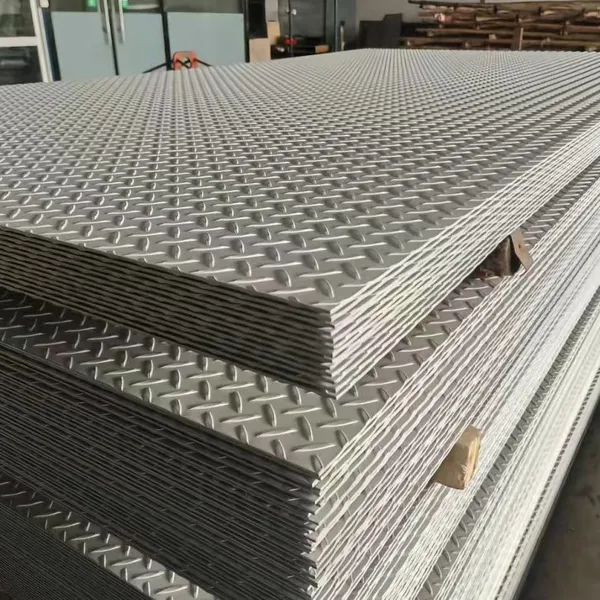 Read More
 -
Indispensable Industrial Basic Material: A Complete Guide to Flat Steel
August 10, 20261. What Is Flat Steel? Clear Core DefinitionFlat steel is a long strip steel with a rectangular cross-section and slightly blunted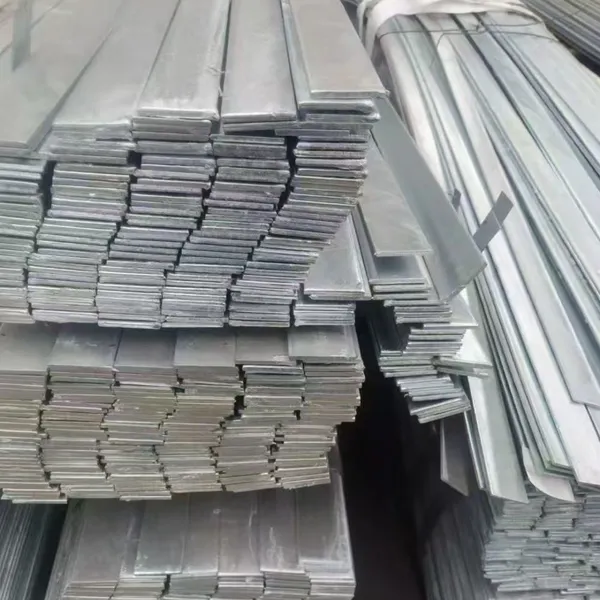 Read More
 -
An In-depth Guide to Ship Plates: The Core Cornerstone of Marine Vessels and Offshore Engineering
August 8, 2026In the thriving shipping and offshore engineering industries, every seaworthy vessel sailing across the ocean and every offshore p Read More
 -
Alloy steel pipe: High-pressure & High-temperature Resistant Steel Pipe for Industrial Engineering
August 7, 2026In petrochemical industry, power generation engineering, high-pressure pipeline transmission, boiler manufacturing and high-temper Read More

Contact Us

Recommended Products
-
 Steel Sheet & Plate & Boiler Plate,EN 10028、ASTM A516 Gr60/70、P265GH、P355GHNegotiableMOQ: 5 Metric Tons
 -
Steel Coil & Strip & Hot Rolled Steel Coil,Q235B、SS400、A36、S235JR、SPHC、SPHD、Q355B/C/D、S355JR、S355J0NegotiableMOQ: 5 Metric Tons
-
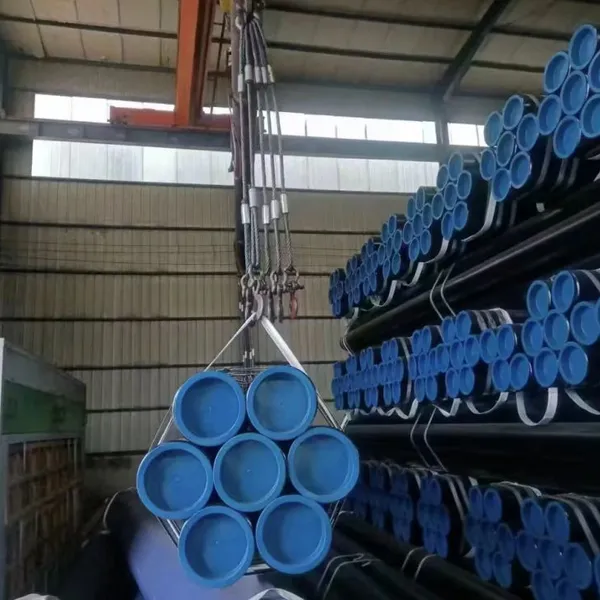
Steel Pipe & Tube & Oil Country Tubular Goods,API 5L Gr.B、X42、X52、X60、X65、X70、X80、E75、X95、G105、S135NegotiableMOQ: 5 Metric Tons
-
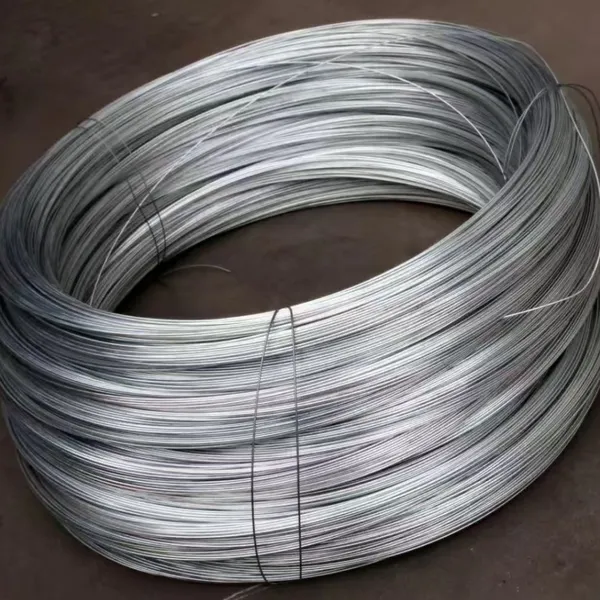
Iron Wire&Galvanized Iron Wire,GB/T 343, ASTM A853, JIS G 3532, EN 10264,Q195, Q235NegotiableMOQ: 5 Metric Tons
-
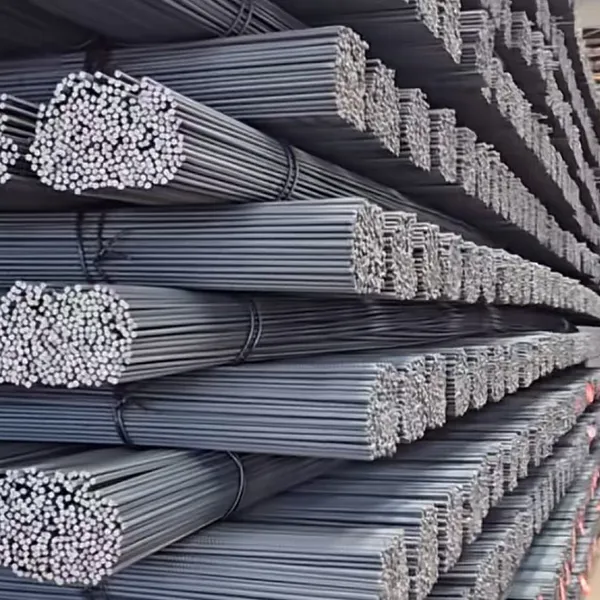
Rebar&Steel Rebar&Hot Rolled Rebar,HRB400, HRB500, HRBF400, HRBF500, B500B, B500C, Grade 60, Grade 75NegotiableMOQ: 5 Metric Tons
-
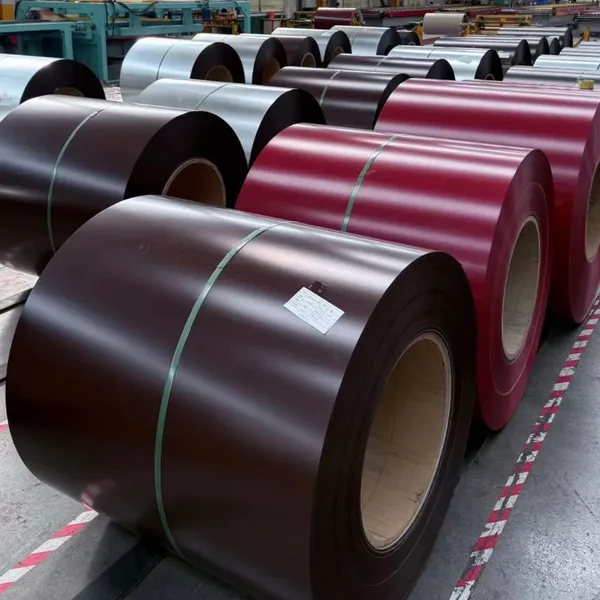
Steel Coil & Strip & Color Coated Steel Coil,PE, SMP, HDP, PVDFNegotiableMOQ: 5 Metric Tons
-
Seamless Steel Pipe& Steel Pipe & Tube,Q235B, Q355B, 20#, 45#, 16Mn, API 5L Gr.B, X42, X46, X52, X56, X60, X65, X70NegotiableMOQ: 5 Metric Tons
-
Angle Steel & Angle Bar,ASTM A36, JIS G3101, EN S235JR/S355JR, SS400NegotiableMOQ: 5 Metric Tons
-
Steel H Beam&H Beam ,Q235B, Q355B, S235JR, S235J0, S235J2, S355JR, S355J0, S355J2, A36, A572 Grade 50, A992NegotiableMOQ: 10 Metric Tons
-
Insulated Steel Pipe&Insulated Seamless Steel Pipe,RoHS, REACH, UL 94, VDE, IEC, GB/T 7113NegotiableMOQ: 5 Metric Tons
-
Hot-dip Galvanized Square Tubes&Steel Pipe & Tube,Q195, Q215, Q235B, Q355B, API 5L Gr.BNegotiableMOQ: 5 Metric Tons
-
Steel Pipe & Tube & High Pressure Boiler Tube,ASTM A213 (T Series)、ASTM A335 (P Series)、ASME SA213、SA335、EN 10216-2NegotiableMOQ: 5 Metric Tons
-
Steel Pipe & Tube & High Pressure Boiler Tube,38、42、48、51、57、60、76、89、108、133、159、168、194、219NegotiableMOQ: 5 Metric Tons
-
Insulated Pipe&Pre-insulated Pipe,RoHS, REACH, UL 94, VDE, IEC, GB/T 7113NegotiableMOQ: 5 Metric Tons
-
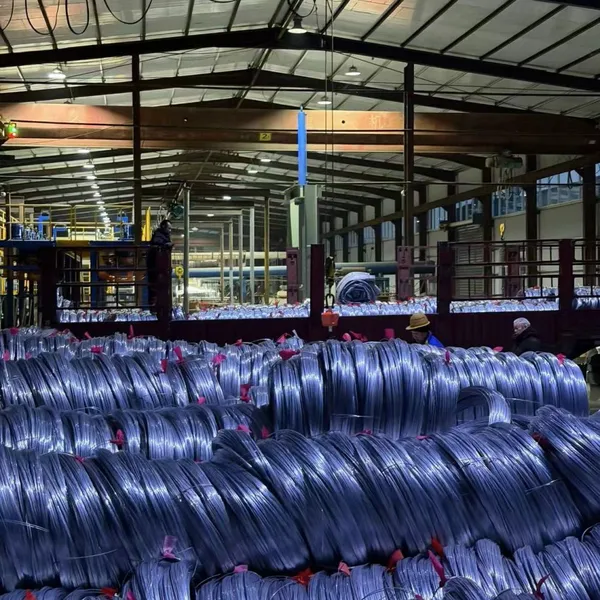
Steel Wire&Galvanized Steel Wire,Q195, Q235, 45#, 55#, 60#, 65#, 70#, 72A, 82BNegotiableMOQ: 5 Metric Tons
-
Steel Coil & Strip & Color Coated Steel Coil,TDC51D+Z、TS250GD+Z、TDC51D+AZ、TS350GD+AZ、TDC51D+ZM、SPCC、DC01NegotiableMOQ: 5 Metric Tons
-
Steel Pipe & Tube & Hot-Dip Galvanizing,Q195、Q215B、Q235BNegotiableMOQ: 5 Metric Tons
-
Steel Coil & Strip & Hot Rolled Coil,Q195、Q215、Q235B、Q255、Q345B、Q355B、Q420、Q460、SS400、SPHC、SPHD、SPHENegotiableMOQ: 5 Metric Tons
-
Steel Rebar & Deformed Steel Bar,HRB400、HRB400E、HRB500、HRB500ENegotiableMOQ: 5 Metric Tons
-
Galvanized Flat Bar&Flat Steel,GB/T 704, GB/T 13912, ASTM A123, JIS G3302NegotiableMOQ: 5 Metric Tons