
 Business License
Indispensable Industrial Basic Material: A Complete Guide to Flat Steel
1. What Is Flat Steel? Clear Core Definition
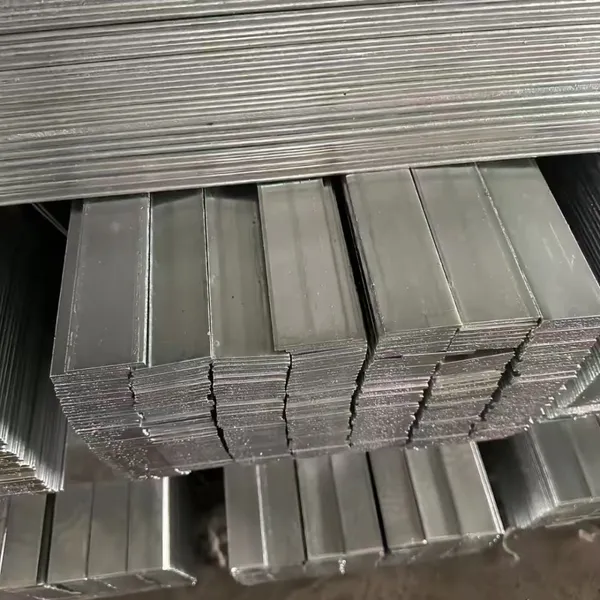
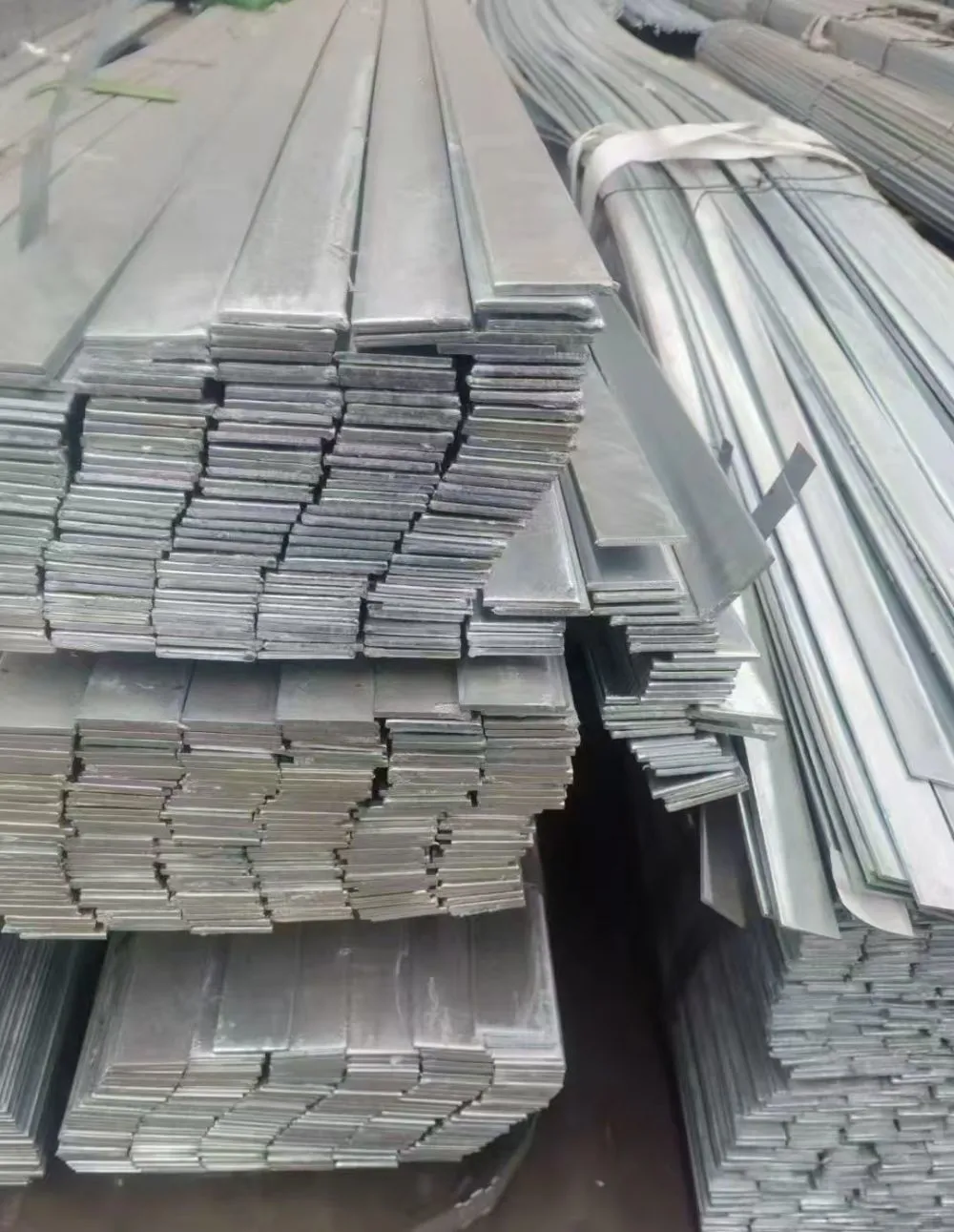
Flat steel is a long strip steel with a rectangular cross-section and slightly blunted edges, with a width-to-thickness ratio ranging from 2:1 to 10:1. This distinct shape differentiates it from square steel and round steel. The industry-standard dimensions cover a width of 12-300mm and a thickness of 3-60mm, with customizable fixed lengths to fit various construction needs, offering excellent flexibility.
Unlike semi-finished steel materials, flat steel can be directly used as a finished product or further processed as a blank for welded pipes and thin plates. Manufactured in strict accordance with national standards such as GB/T702—2019, it features standardized dimensional accuracy and mechanical properties, making it a highly cost-effective universal section steel.
2. Main Classification of Flat Steel: Avoid Mistakes in Material Selection
Flat steel has a wide variety of types classified by production technology, material and surface treatment. Hot-rolled flat steel, cold-drawn flat steel and galvanized flat steel are the three most widely used core categories in engineering. Each type varies greatly in performance and application scenarios, so targeted selection based on working conditions is essential.
2.1 Classification by Production Technology (Core Classification)
Hot-rolled flat steel: The most widely circulated type on the market. Formed by high-temperature rolling, it boasts good toughness, balanced strength, flat surface and small dimensional errors. Suitable for most building structural parts and mechanical basic parts, it offers the best cost performance and is the preferred universal material for general engineering.
Cold-drawn flat steel: Produced through precision cold drawing treatment, it delivers far higher dimensional accuracy and a smooth, oxide-free surface compared with hot-rolled flat steel. With higher hardness and minimal tolerance, it is ideal for precision mechanical parts, hardware molds and fine processing scenarios. It is the top choice for engineering projects requiring high dimensional precision.
Forged flat steel: Formed by forging, it has a dense internal structure, excellent impact resistance and fatigue resistance, as well as strong bearing capacity. It is mainly used for heavy-duty equipment, mining machinery and load-bearing parts of large structures, adapting to high-strength and high-load working conditions.
2.2 Classification by Material and Surface Treatment
Ordinary carbon flat steel: Mainly made of Q235B material, it features stable texture, good plasticity, easy cutting and welding, and low cost. It is the mainstream material for civil construction and ordinary hardware processing.
Galvanized flat steel: Manufactured by hot-dip galvanizing treatment on ordinary flat steel, it has greatly enhanced anti-rust and anti-corrosion performance and extended service life. It is a special material for power lightning protection grounding, outdoor steel structures and pipe network engineering. Galvanized flat steel is the first choice for outdoor open-air working conditions, effectively resisting corrosion caused by rainwater and moisture.
3. Core Advantages of Flat Steel: Why It Is Widely Used in Engineering
In the diverse section steel market, flat steel has long maintained strong market demand thanks to its three core attributes: practicability, cost-effectiveness and adaptability.
1. Regular structure and easy processing: The standard flat rectangular structure supports convenient cutting, bending, welding and drilling. Complex processing procedures are not required to manufacture various accessories, greatly reducing construction difficulty and processing costs.
2. Stable mechanical properties: With uniform material texture and moderate strength and toughness, it can be used for both light decorative components and medium-load bearing structures, adapting to stress requirements of various scenarios.
3. Complete specifications and wide adaptability: The thickness, width and length can be flexibly customized, covering applications from micro hardware accessories to large infrastructure structures without secondary modification.
4. Outstanding cost performance: With mature production technology and mass production advantages, flat steel has low comprehensive engineering costs, long service life and low failure rate compared with special-shaped steel.
5. Diversified anti-corrosion options for multiple environments: With ordinary carbon and galvanized flat steel options available, hot-rolled flat steel adapts to conventional indoor dry working conditions, while galvanized flat steel is suitable for outdoor and humid harsh environments, covering all types of construction scenarios.
4. Full-Coverage Application Scenarios: The Universal Industrial Base Material
Widely applicable in construction, industry and civil fields, flat steel can be seen in almost all steel structure processing scenarios.
1. Construction engineering: Used for building frame structures, stair handrails, steel structure supports, embedded parts and wall reinforcement components, serving as a core material for light steel building structures.
2. Power lightning protection engineering: As a dedicated application scenario for galvanized flat steel, it is widely used as grounding flat steel, down conductors and equipotential connection parts in lightning protection and grounding projects for buildings, substations, wind power plants and communication base stations, featuring stable conductivity and high safety.
3. Mechanical manufacturing: Hot-rolled flat steel is used to process conventional accessories such as mechanical equipment bases, supports and baffles, while high-precision cold-drawn flat steel is applied to mold parts, precision agricultural machinery parts and automotive small structural components, meeting the dual demands of ordinary and precision mechanical processing.
4. Hardware and municipal engineering: Applied in the production of hardware tools, guardrails, gratings, municipal pipe network supports, street lamp bases and traffic facility accessories with high practicality.
5. Chemical and special engineering fields: Moisture-proof and corrosion-resistant galvanized flat steel is perfectly suitable for equipment supports and pipe fixing parts in humid and slightly corrosive chemical and water supply construction environments.
5. Practical Material Selection Tips to Avoid Common Engineering Pitfalls
Common problems in flat steel procurement such as excessive dimensional deviation, rusting and welding cracks are mostly caused by improper material selection. Three practical selection principles are summarized below:
1. Select by working conditions and technology: Choose hot-rolled flat steel for ordinary buildings and general equipment; select cold-drawn flat steel for precision processing; adopt forged flat steel for heavy-load bearing structures; and use galvanized flat steel for outdoor, grounding and humid environments.
2. Select by actual demand: Prioritize Q235B hot-rolled flat steel for ordinary civil engineering and conventional structure construction for optimal cost performance; choosegalvanized flat steel for outdoor open-air and humid rust-prone working conditions for better durability.
3. Check details during acceptance: Qualified flat steel features a smooth surface without cracks, peeling and rust, uniform blunted edges, standard dimensional tolerance and flat shape without bending deformation.
6. Summary: Ordinary Base Material, Extraordinary Engineering Value
With no fancy appearance but excellent practicality, flat steel is an indispensable foundational material for infrastructure and industrial industries. The three core categories — hot-rolled flat steel, cold-drawn flat steel and galvanized flat steel — cover most engineering material scenarios with stable performance and high cost performance. They support the construction and production of various industries from daily hardware products to large-scale engineering projects, from indoor structures to outdoor lightning protection systems.
Selecting and applying the right type of flat steel can not only improve engineering quality but also effectively control construction costs. Master the above knowledge to solve all flat steel selection problems in different working conditions and specifications.
Recently Posted
-
Checkered Plate Product Guide: Specifications, Classification, Performance and Applications
August 10, 20261. Basic Definition of Checkered PlateCheckered plates, also known as patterned steel plates or anti-slip steel plates, are specia Read More
 -
Comprehensive Guide to Rebar: Indispensable Deformed Steel Bar for Construction Engineering
August 8, 2026In modern civil construction, infrastructure development and industrial engineering fields, rebar stands as the most essential str Read More
 -
An In-depth Guide to Ship Plates: The Core Cornerstone of Marine Vessels and Offshore Engineering
August 8, 2026In the thriving shipping and offshore engineering industries, every seaworthy vessel sailing across the ocean and every offshore p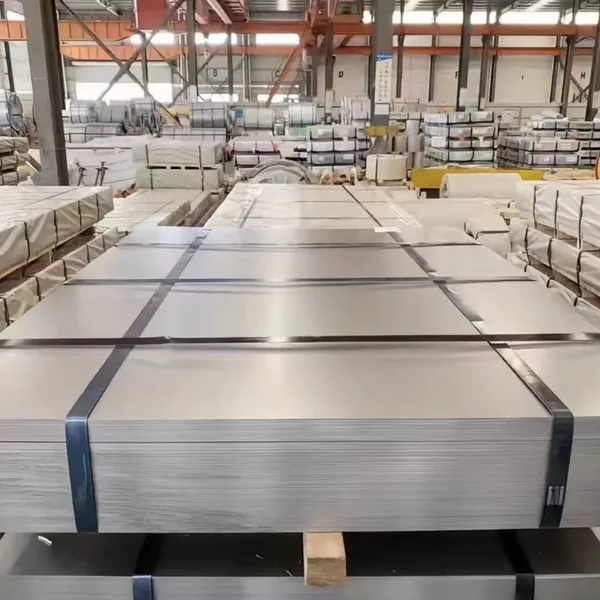 Read More
 -
Alloy steel pipe: High-pressure & High-temperature Resistant Steel Pipe for Industrial Engineering
August 7, 2026In petrochemical industry, power generation engineering, high-pressure pipeline transmission, boiler manufacturing and high-temper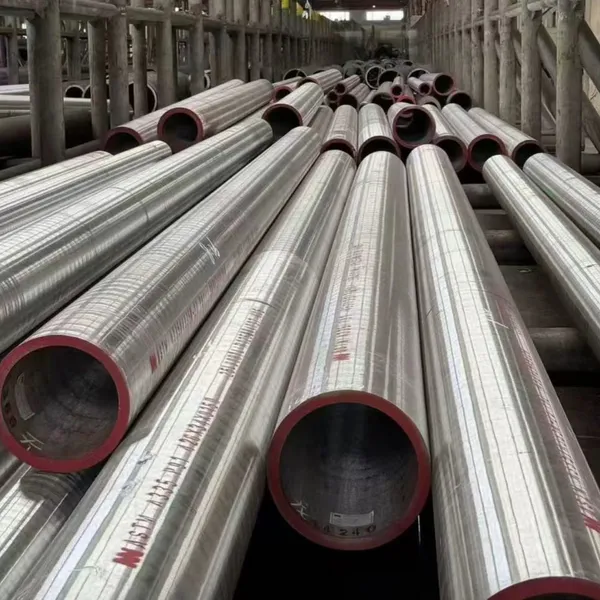 Read More

Contact Us

Recommended Products
-
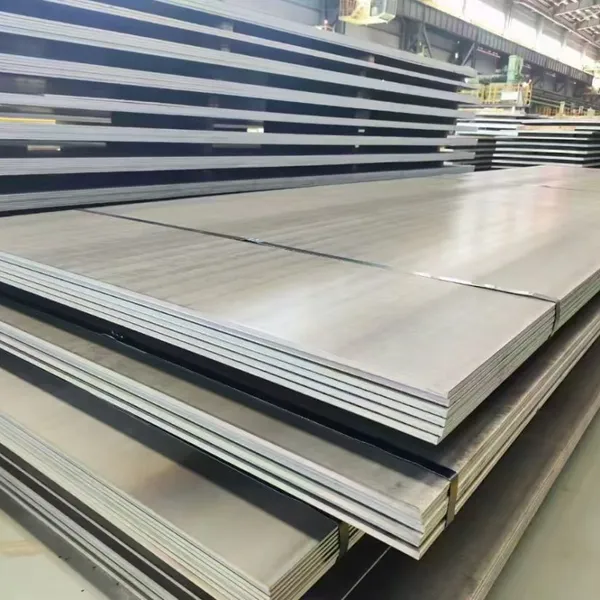
 Steel Sheet & Plate & Boiler Plate,EN 10028、ASTM A516 Gr60/70、P265GH、P355GHNegotiableMOQ: 5 Metric Tons
 -
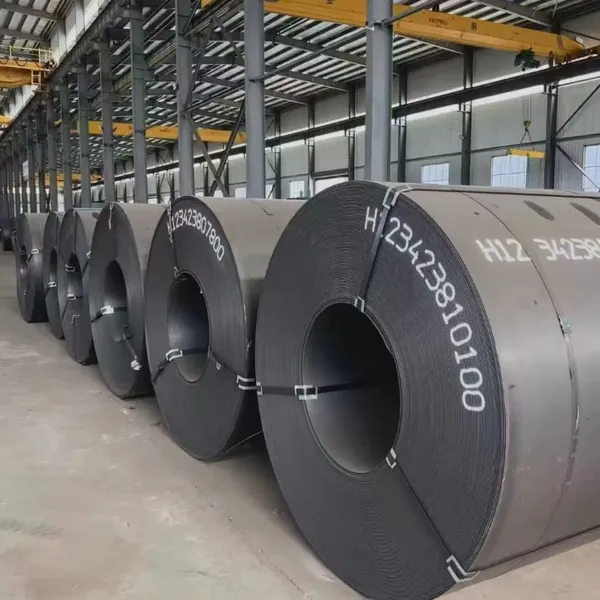
Steel Coil & Strip & Hot Rolled Steel Coil,Q235B、SS400、A36、S235JR、SPHC、SPHD、Q355B/C/D、S355JR、S355J0NegotiableMOQ: 5 Metric Tons
-
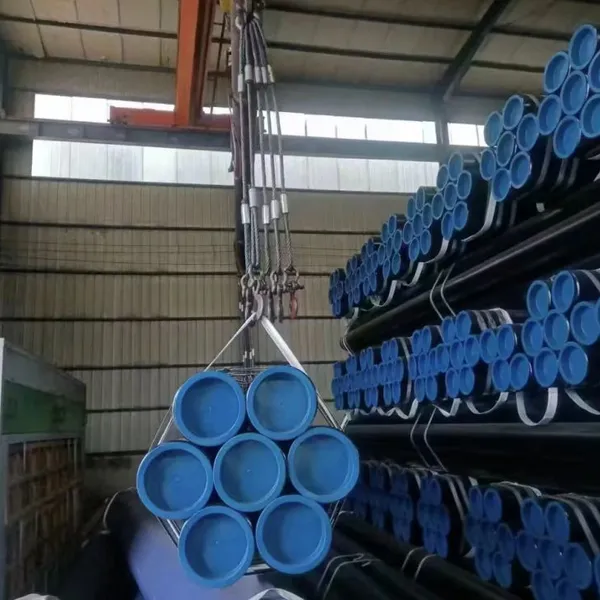
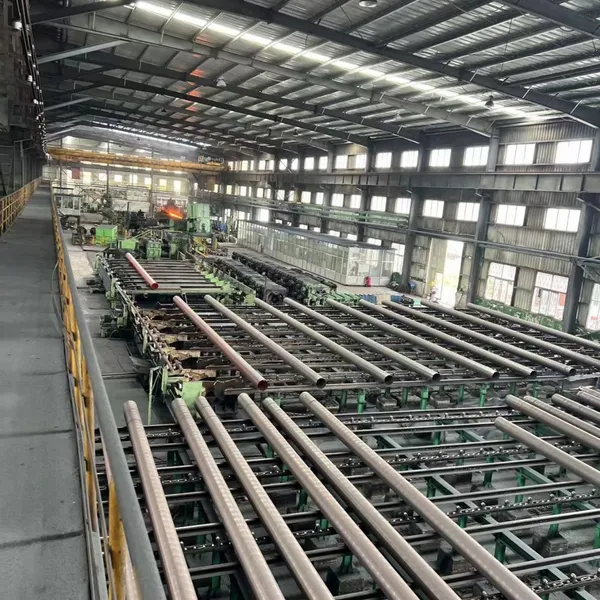
Steel Pipe & Tube & Oil Country Tubular Goods,API 5L Gr.B、X42、X52、X60、X65、X70、X80、E75、X95、G105、S135NegotiableMOQ: 5 Metric Tons
-
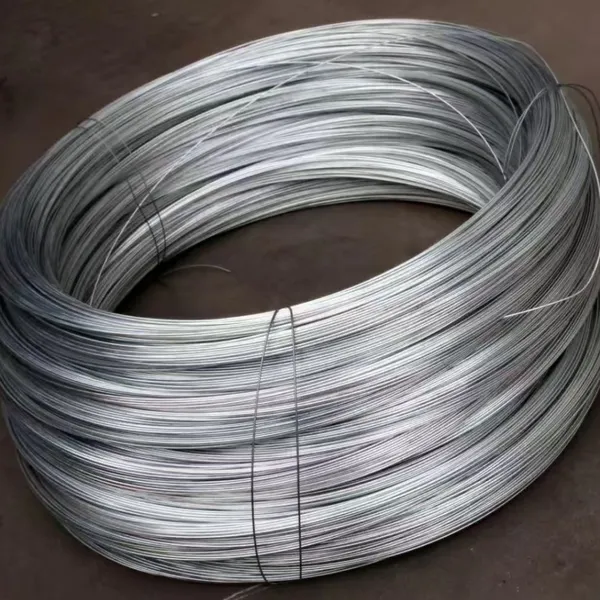
Iron Wire&Galvanized Iron Wire,GB/T 343, ASTM A853, JIS G 3532, EN 10264,Q195, Q235NegotiableMOQ: 5 Metric Tons
-
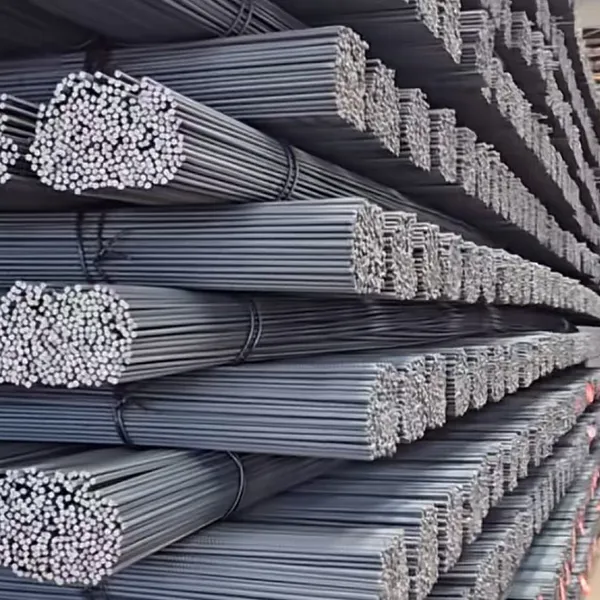
Rebar&Steel Rebar&Hot Rolled Rebar,HRB400, HRB500, HRBF400, HRBF500, B500B, B500C, Grade 60, Grade 75NegotiableMOQ: 5 Metric Tons
-
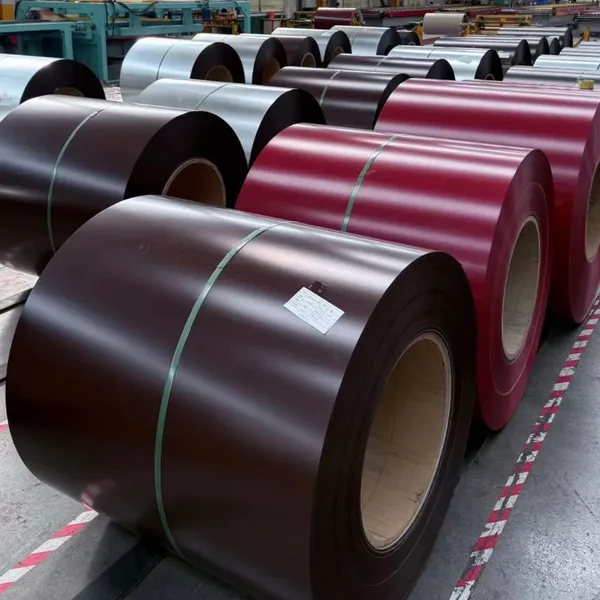
Steel Coil & Strip & Color Coated Steel Coil,PE, SMP, HDP, PVDFNegotiableMOQ: 5 Metric Tons
-
Seamless Steel Pipe& Steel Pipe & Tube,Q235B, Q355B, 20#, 45#, 16Mn, API 5L Gr.B, X42, X46, X52, X56, X60, X65, X70NegotiableMOQ: 5 Metric Tons
-
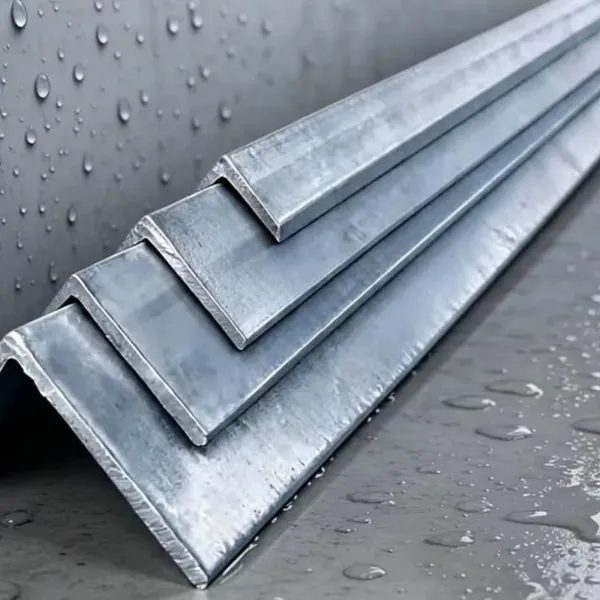
Angle Steel & Angle Bar,ASTM A36, JIS G3101, EN S235JR/S355JR, SS400NegotiableMOQ: 5 Metric Tons
-
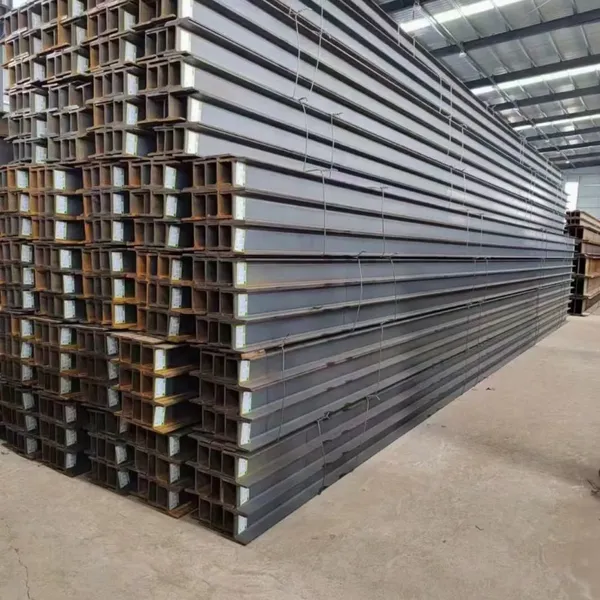
Steel H Beam&H Beam ,Q235B, Q355B, S235JR, S235J0, S235J2, S355JR, S355J0, S355J2, A36, A572 Grade 50, A992NegotiableMOQ: 10 Metric Tons
-
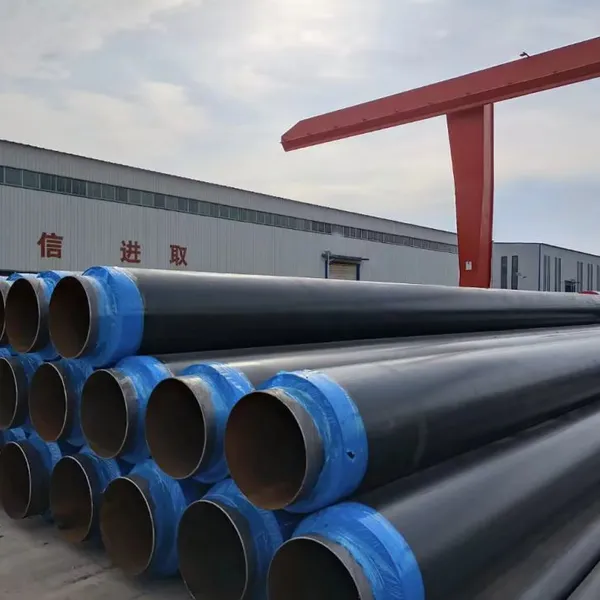
Insulated Steel Pipe&Insulated Seamless Steel Pipe,RoHS, REACH, UL 94, VDE, IEC, GB/T 7113NegotiableMOQ: 5 Metric Tons
-
Hot-dip Galvanized Square Tubes&Steel Pipe & Tube,Q195, Q215, Q235B, Q355B, API 5L Gr.BNegotiableMOQ: 5 Metric Tons
-
Steel Pipe & Tube & High Pressure Boiler Tube,ASTM A213 (T Series)、ASTM A335 (P Series)、ASME SA213、SA335、EN 10216-2NegotiableMOQ: 5 Metric Tons
-
Steel Pipe & Tube & High Pressure Boiler Tube,38、42、48、51、57、60、76、89、108、133、159、168、194、219NegotiableMOQ: 5 Metric Tons
-
Insulated Pipe&Pre-insulated Pipe,RoHS, REACH, UL 94, VDE, IEC, GB/T 7113NegotiableMOQ: 5 Metric Tons
-
Steel Wire&Galvanized Steel Wire,Q195, Q235, 45#, 55#, 60#, 65#, 70#, 72A, 82BNegotiableMOQ: 5 Metric Tons
-
Steel Coil & Strip & Color Coated Steel Coil,TDC51D+Z、TS250GD+Z、TDC51D+AZ、TS350GD+AZ、TDC51D+ZM、SPCC、DC01NegotiableMOQ: 5 Metric Tons
-
Steel Pipe & Tube & Hot-Dip Galvanizing,Q195、Q215B、Q235BNegotiableMOQ: 5 Metric Tons
-
Steel Coil & Strip & Hot Rolled Coil,Q195、Q215、Q235B、Q255、Q345B、Q355B、Q420、Q460、SS400、SPHC、SPHD、SPHENegotiableMOQ: 5 Metric Tons
-
Steel Rebar & Deformed Steel Bar,HRB400、HRB400E、HRB500、HRB500ENegotiableMOQ: 5 Metric Tons
-
Galvanized Flat Bar&Flat Steel,GB/T 704, GB/T 13912, ASTM A123, JIS G3302NegotiableMOQ: 5 Metric Tons